
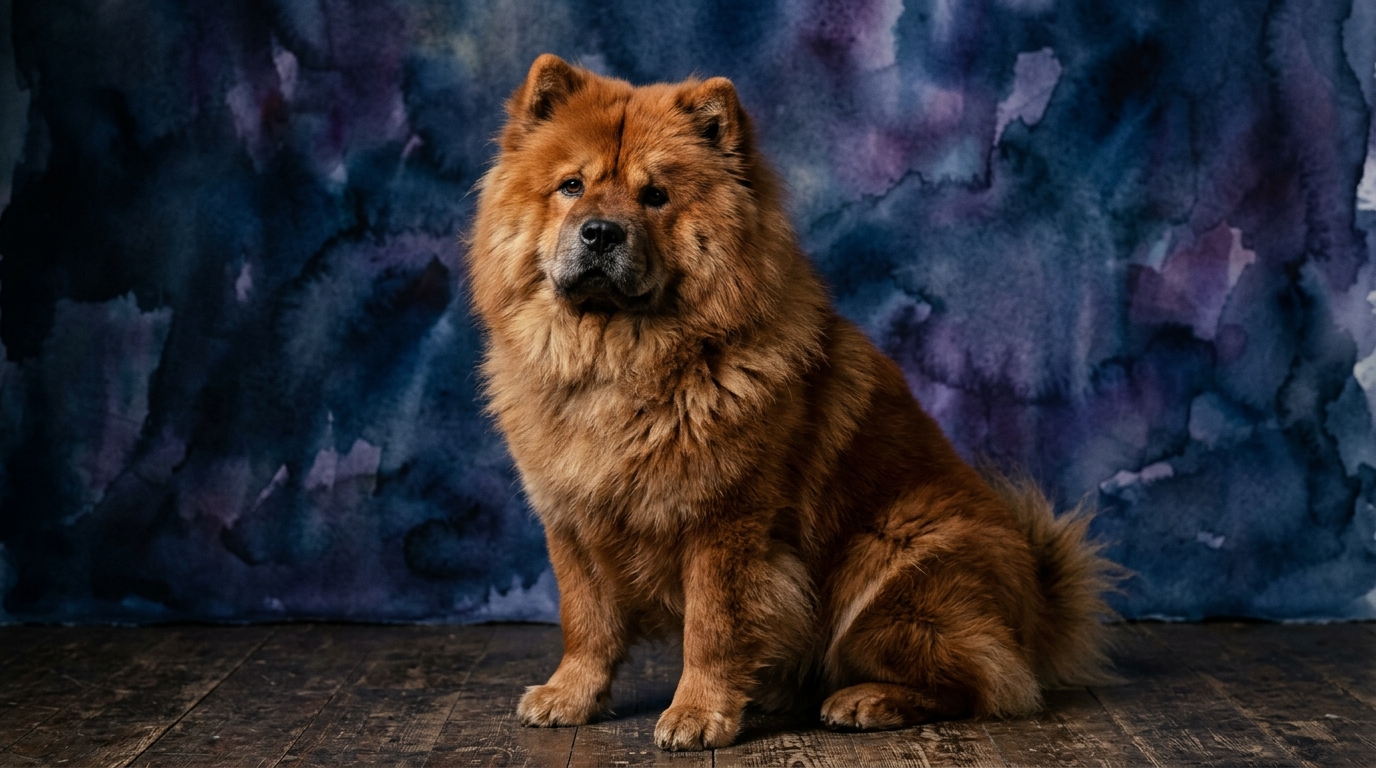
Side-by-Side IQ Profiles: Basset Hound vs. Chow Chow
At The Cosmic Pet Pet IQ Lab, we assess canine cognition across five crucial dimensions, and both the Basset Hound and the Chow Chow consistently score 3/5 in each category, despite their vastly different ancestries and temperaments. Understanding these scores requires looking past the number to the specific ways each breed manifests these cognitive traits.
The Basset Hound, a member of the Hound group with a Coren rank of #71, exhibits its **Problem Solving (3/5)** primarily through its nose; they are masters at navigating complex scent trails, overcoming physical obstacles to reach a scent source, and methodically working through environmental puzzles tied to olfaction. Their **Training Speed (3/5)** is influenced by this powerful drive, as they can be easily distracted by compelling smells, making consistent, positive reinforcement essential to keep their focus. Their **Social Intelligence (3/5)** shines in their generally amiable, pack-oriented nature, readily engaging with family members and often displaying a gentle demeanor towards new acquaintances when properly socialized, discerning human moods and intentions within their established social circle. The Basset's **Instinctive Drive (3/5)** is overwhelmingly centered on tracking and scent work, a persistent and enduring pursuit that defines much of their daily cognitive engagement. Finally, their **Memory (3/5)** is particularly strong for scent patterns and established routines, remembering the location of favorite napping spots or the path to a particularly interesting patch of grass, though complex command sequences might require more frequent refreshing.
The Chow Chow, from the Non-Sporting group and ranked #76 by Coren, demonstrates its **Problem Solving (3/5)** with a distinctive independent streak; they are adept at finding solutions that align with their own comfort or personal agenda, such as strategizing how to secure a preferred resting spot or avoid an unwanted interaction. Their **Training Speed (3/5)** is often perceived as slow, but it's more accurately described as discerning; Chows learn quickly if they see the value in a command, but their inherent aloofness means they often require a compelling reason or reward to comply, rather than simply eager-to-please obedience. **Social Intelligence (3/5)** in a Chow Chow is characterized by a deep, exclusive bond with their chosen family, often displaying a reserved or indifferent attitude towards strangers, making them excellent judges of character within their inner circle and astute at interpreting the subtle cues of those they trust. Their **Instinctive Drive (3/5)** is rooted in guarding and protection, exhibiting a natural territoriality and vigilance that informs their interactions with their environment and unfamiliar individuals. Regarding **Memory (3/5)**, Chow Chows possess a good recall for consistent routines, the people they've bonded with, and territorial boundaries, and can certainly remember both positive and negative experiences, which contributes to their discerning nature.
Where the Basset Hound Excels Cognitively
The Basset Hound truly excels in cognitive tasks that leverage its phenomenal olfactory capabilities. Their ability to discriminate between a myriad of scents and follow a specific trail with unwavering focus is a cognitive feat unmatched by many breeds. This isn't just about 'smelling things'; it's a complex process of data acquisition, filtering, and persistent problem-solving through scent. For example, a Basset Hound can track a specific individual's scent through a crowded park, ignoring countless other environmental odors, a testament to their sophisticated sensory processing and cognitive persistence. They also tend to be more openly collaborative in problem-solving when it aligns with a shared human goal, like finding a lost item, leveraging their natural curiosity and desire for connection within their established social group. Their social intelligence, while scoring the same as a Chow Chow's, manifests as a more generally amiable and adaptable demeanor in varied social settings, provided they are introduced appropriately, making them more amenable to new experiences with new people after initial assessment.
Where the Chow Chow Shines Cognitively
The Chow Chow's cognitive strengths lie in their self-reliance and discerning independence. While a Basset might follow a scent with single-minded devotion, a Chow Chow applies its problem-solving skills to managing its immediate environment and social interactions on its own terms. They are particularly adept at independent decision-making in situations requiring territorial awareness or guarding, often assessing potential threats and responding with quiet confidence rather than waiting for human direction. Their social intelligence, though reserved, is deeply perceptive within their inner circle, allowing them to form exceptionally strong, exclusive bonds and to interpret the most subtle emotional cues from their trusted companions. This discerning nature makes them excellent judges of character, often reacting differently to visitors based on their own assessment of trustworthiness. Furthermore, their capacity for independent thought means they are less prone to separation anxiety and can be quite content managing their own time and space, a cognitive trait that values autonomy and self-sufficiency.
Training Dynamics: Basset Hound vs. Chow Chow
When it comes to training, the practical differences between these two breeds, despite their identical 3/5 training speed scores, become evident due to their inherent behavioral patterns. The Basset Hound, while possessing a desire to please its family, can present challenges due to its strong scent drive; a captivating smell can instantly override any command, making off-leash training in unfenced areas particularly difficult. Their stubbornness, often a manifestation of their persistent tracking instinct, means that consistent, patient, and positive reinforcement methods are crucial to engage their attention and overcome distractions. They respond well to food motivation and praise, but trainers must compete with the allure of the olfactory world.
The Chow Chow, conversely, is not easily swayed by external distractions in the same manner as a Basset, but their independence and inherent aloofness present a different kind of training hurdle. They are often described as 'cat-like' in their approach, questioning the utility of a command rather than blindly obeying. Training a Chow Chow requires building a relationship based on mutual respect and understanding their motivations; they respond best to short, engaging sessions that offer clear benefits to them, whether it's a valued treat or a comfortable outcome. Forceful or harsh methods are counterproductive, as they will likely shut down or become more resistant. Their reserved social intelligence means they might not see the point in performing tricks for strangers, preferring to reserve their efforts for their trusted family.
Lifestyle Match: Active vs. Relaxed Owners
Choosing between a Basset Hound and a Chow Chow also depends heavily on an owner's lifestyle and expectations for canine companionship. The Basset Hound, while not a high-energy athlete, requires consistent, moderate activity that engages its powerful nose. Owners who enjoy leisurely, sniff-filled walks through diverse environments and are prepared for a dog that might follow its nose rather than a straight path will find a Basset rewarding. They are perfectly content with a relaxed home life once their sniffing quota is met, often enjoying extended naps on the sofa, making them suitable for owners who appreciate a calm, yet persistently curious, companion.
The Chow Chow, similarly, has moderate exercise requirements, preferring calm, regular walks over strenuous activity. They are not typically candidates for dog parks or high-impact sports, instead thriving on dignified daily strolls and mental engagement within their familiar territory. This breed suits owners who appreciate a more self-contained and independent companion, one that doesn't demand constant attention or effusive displays of affection. They are ideal for individuals who are prepared to be consistent in training and socialization, value a quiet presence, and prefer a dog that is a loyal guardian without being overly demonstrative or needing constant entertainment. Their reserved nature means they are often content observing from a distance, making them a good fit for relaxed owners who still provide consistent structure and companionship.
The Verdict
Choose a Basset Hound if you seek a persistent, scent-driven companion who thrives on olfactory exploration and offers a generally amiable, if sometimes stubborn, presence within a family dynamic.
Opt for a Chow Chow if you desire a dignified, independent guardian who forms a deep, exclusive bond with its chosen few and appreciates a structured, yet calm, home environment.
🧠 Find Your Pet's IQ Score
Our Pet IQ Lab assessment covers 25+ tests across 5 cognitive dimensions — personalized to your breed.
Take the Full IQ Test →Frequently Asked Questions
Do Basset Hounds learn quickly?
Basset Hounds learn at a moderate pace, scoring 3/5 in training speed, but their strong scent drive means they can be easily distracted. Consistent, positive reinforcement is key to keeping their focus and making lessons stick, especially in stimulating environments.
Are Chow Chows difficult to train?
Chow Chows are not inherently difficult to train, also scoring 3/5 in training speed, but they require a different approach due to their independent and discerning nature. Training success hinges on building mutual respect, understanding their motivations, and making sessions rewarding and engaging from their perspective rather than expecting blind obedience.
Which breed is better with strangers?
The Basset Hound is generally more amiable and tolerant of strangers when properly socialized, often displaying a curious and gentle demeanor. The Chow Chow is typically reserved and aloof with unfamiliar people, preferring to observe from a distance and forming strong bonds only with a select few, making them excellent, discerning guardians.