Side-by-Side IQ Profile: Unpacking the 3/5 Score
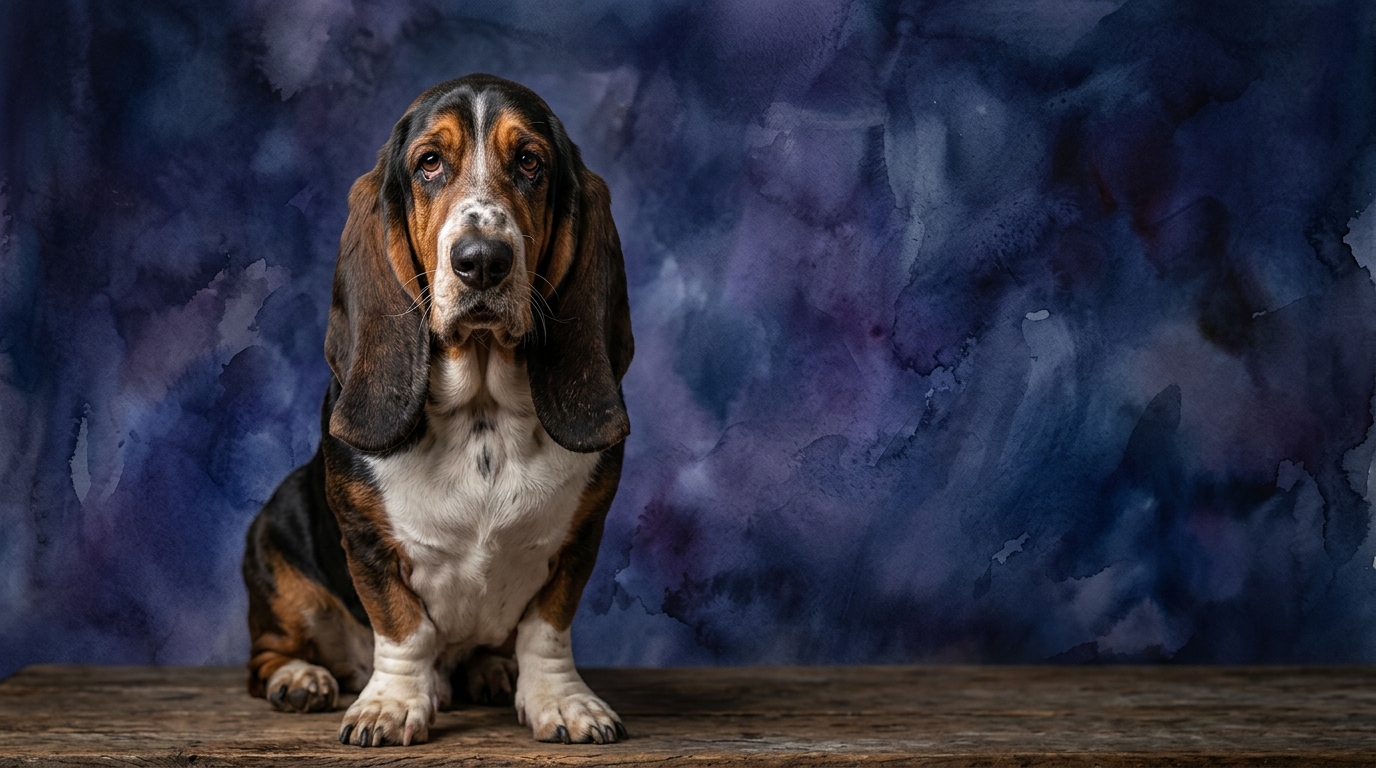
The Basset Hound, a distinguished member of the Hound group and Coren-ranked #71, consistently scores 3/5 in Problem Solving, Training Speed, Social Intelligence, Instinctive Drive, and Memory. For the Basset, Problem Solving at this level isn't about abstract puzzles, but an unwavering, methodical approach to scent tracking; their 'problem' is locating a specific odor source, demanding intense focus on a singular sensory input. Their Training Speed of 3/5 indicates they can learn, but often at a pace dictated by their own deep-seated priorities, with scent or food acting as primary motivators. Social Intelligence at 3/5 means they are astute at discerning human cues related to comfort or sustenance, though their cooperative engagement might be less about complex teamwork and more about personal benefit. Their Instinctive Drive, also 3/5, is almost entirely dominated by an incredible olfactory pursuit, a cognitive filter through which they experience much of the world. Finally, their Memory at 3/5 is exceptional for scent trails and established routines, rather than arbitrary commands or intricate sequences not linked to their primary drive.
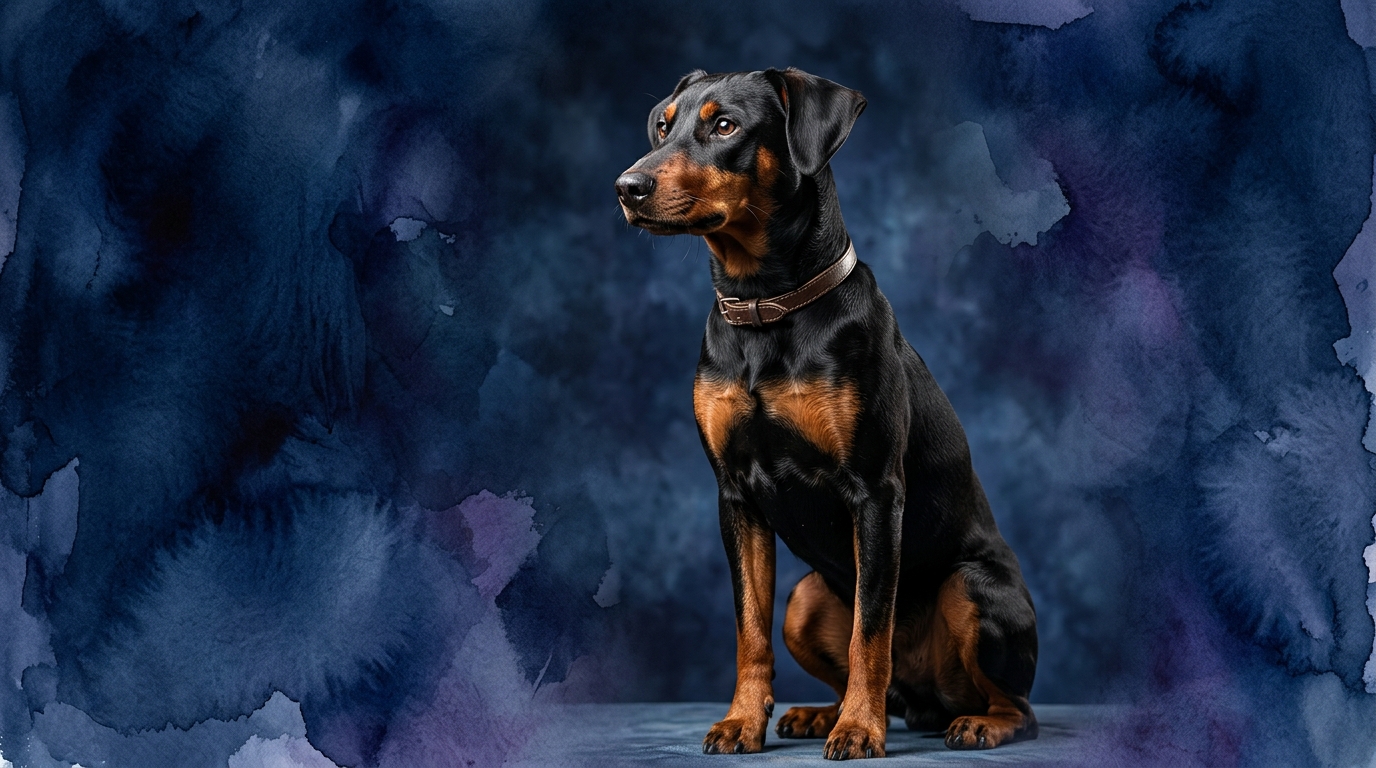
In contrast, the German Pinscher, hailing from the Working group and not Coren-ranked, also achieves a 3/5 across all five IQ dimensions, but with a fundamentally different manifestation of these capacities. Their Problem Solving at 3/5 is practical and goal-oriented, often centered on navigating their environment, identifying perceived 'pests,' or alerting to changes, requiring quick assessment and strategic action. A Training Speed of 3/5 for the Pinscher reflects an eagerness to learn and collaborate with their handler, readily picking up commands, particularly when a clear purpose or reward is involved; their learning is less hindered by distraction and more by an independent spirit if not adequately engaged. Their Social Intelligence (3/5) is expressed through strong bonds with family members, protective instincts, and an ability to interpret social cues for play or warning within their immediate 'pack.' The German Pinscher's Instinctive Drive at 3/5 is primarily a potent prey drive for vermin control and a keen guarding instinct, translating into vigilance, rapid responses, and a desire to patrol. Their Memory, also 3/5, is strong for routines, training sequences, and significant events, particularly those related to their working context or perceived threats.
Where the Basset Hound Wins Cognitively
The Basset Hound's cognitive strengths lie in its unparalleled olfactory processing power and the unwavering persistence that accompanies it. While scoring 3/5 in problem-solving, this isn't a generalist's ability but a highly specialized form of intelligence directed towards the intricate world of scent. They excel at discriminating between subtle odors, following complex and often cold trails over long distances, and maintaining focus on this singular task for extended periods. This deep concentration on a specific sensory input is a cognitive feat, allowing them to decipher information invisible to most other breeds, making them exceptional at tasks requiring detailed scent work.
Furthermore, the Basset's 3/5 instinctive drive, coupled with their memory capabilities, allows for a remarkable endurance in their primary pursuit. Their memory for scent is phenomenal, enabling them to not only recall but also re-trace intricate paths and specific scent profiles, even after significant time has passed. This specialized memory, integrated with their persistent problem-solving, means they can achieve objectives through sheer determination and a finely tuned sensory apparatus, often outperforming breeds that might appear more 'agile' in different cognitive domains.
Where the German Pinscher Wins Cognitively
The German Pinscher's cognitive edge is found in its agility of thought, keen perception, and decisive action within dynamic environments. Their 3/5 problem-solving manifests as a quick assessment of changing situations and a readiness to act, whether it involves identifying an unusual sound, strategizing how to approach a perceived 'pest,' or navigating obstacles with purpose. This practical, real-world intelligence is geared towards immediate, effective responses, reflecting their heritage as vigilant guardians and efficient vermin controllers. They process environmental stimuli rapidly, making swift judgments that contribute to their effectiveness in working roles.
Additionally, the German Pinscher's 3/5 social intelligence is deeply intertwined with its protective and alert instinctive drive. This integration allows them to anticipate and react to the needs of their family members or to external threats, making them highly effective guardians and perceptive companions. Their ability to read and respond to social cues is often directed towards maintaining the safety and well-being of their household, demonstrating a practical application of social cognition that supports their role as a watchful and responsive partner.
Which is Easier to Train and Why
When it comes to ease of training, the Basset Hound's 3/5 training speed is often misinterpreted as stubbornness; however, it's more accurately a reflection of their independent decision-making, particularly when a compelling scent is present. Training a Basset requires substantial patience, unwavering consistency, and an understanding of their deep-seated motivators, primarily high-value food rewards or opportunities for scent work. They are not incapable of learning, but their internal priorities, driven by their instinctive scent drive, frequently override human commands. Successful training involves making the desired behavior feel like their own discovery or linking it intrinsically to their natural inclinations.
The German Pinscher's 3/5 training speed, in contrast, benefits significantly from structured, consistent routines and a clear sense of purpose. They are generally eager to engage and respond favorably to positive reinforcement and mental challenges, quickly grasping concepts when motivated by interactive tasks and a 'job' to do. Their innate desire to patrol, protect, and be involved means that their training can effectively channel their energy and intelligence into specific, productive behaviors. With firm, fair, and consistent guidance, the German Pinscher often proves to be a cooperative and responsive training partner, enjoying the mental stimulation that training provides.
Which Suits Active Owners vs. Relaxed Owners
For owners seeking a more relaxed pace of life, the Basset Hound often presents a suitable match. While they certainly require regular exercise, their energy is typically expressed in bursts, often focused on a captivating scent trail, rather than sustained, high-intensity activity. Post-exploration, they are generally content to lounge comfortably, making them ideal for owners who enjoy leisurely sniff-walks and a calm home environment. However, their profound scent drive means they are not suited for off-leash adventures in unfenced areas, as their nose will invariably lead them away, demanding a secure outdoor space or strict leash protocols.
Conversely, the German Pinscher is unequivocally suited for active owners who can provide substantial daily physical and mental stimulation. Their working heritage demands more than just casual walks; they thrive on vigorous exercise, advanced training, and opportunities for mental engagement such as dog sports, agility, or complex puzzle toys. These dogs are not content to be mere couch companions and can develop behavioral issues like destructiveness or anxiety if their high energy levels and sharp problem-solving drives are not adequately channeled through consistent activity and purposeful interaction. They need a lifestyle that matches their innate alertness and zest for life.
The Verdict
Choose the Basset Hound if you appreciate a charming, scent-driven companion whose contentment comes from leisurely exploration and comfortable companionship, and you're prepared for patient, reward-based training.
Opt for the German Pinscher if you seek an energetic, alert partner for an active lifestyle, thrive on consistent training challenges, and value a dog with a strong protective instinct and desire to engage.
🧠 Find Your Pet's IQ Score
Our Pet IQ Lab assessment covers 25+ tests across 5 cognitive dimensions — personalized to your breed.
Take the Full IQ Test →Frequently Asked Questions
Do Basset Hounds and German Pinschers have similar memory capabilities?
Both breeds score 3/5 in memory, but they remember different things with equal proficiency. Basset Hounds excel at recalling complex scent trails and established routines, while German Pinschers remember training sequences and events related to their protective roles and environment.
How does their problem-solving ability differ despite identical scores?
Their 3/5 problem-solving manifests differently due to breed purpose. Basset Hounds apply it to intricate scent discrimination and persistent tracking, whereas German Pinschers use it for practical environmental assessment, alertness, and strategic approaches to perceived threats or pests.
Which breed is more adaptable to new environments?
The German Pinscher tends to be more adaptable due to its working background, readily engaging with new challenges and learning new tasks when properly stimulated. Basset Hounds generally prefer established routines and familiar environments, though they can adjust with patient introduction and positive reinforcement.