The Cosmic Pet IQ Lab Profiles: Basset Hound vs. Harrier
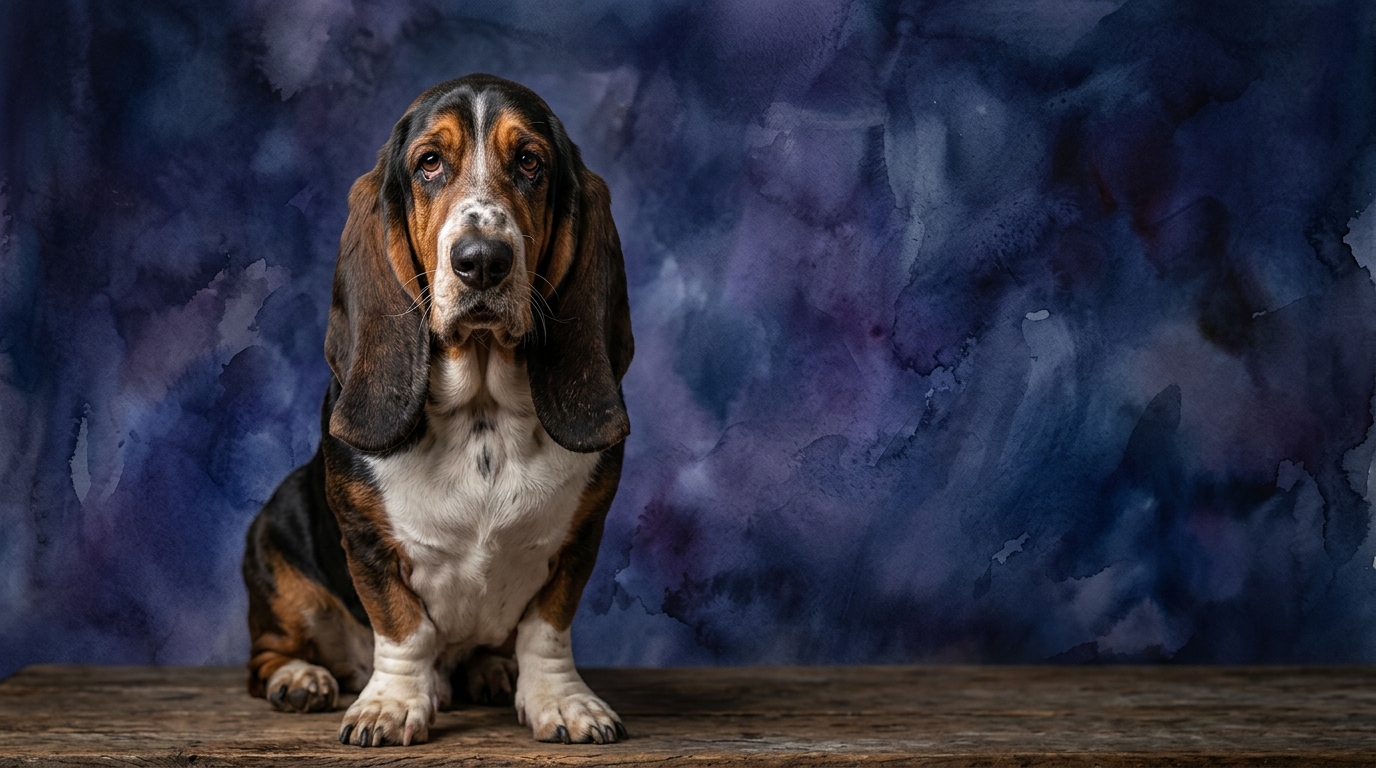
The Basset Hound, a dog of the Hound group, holds a Coren rank of #71, indicating a particular approach to learning and problem-solving. In our Cosmic Pet IQ Lab, the Basset Hound registers a consistent 3/5 across all evaluated dimensions: problem Solving, training Speed, social Intelligence, instinctive Drive, and memory. This profile reflects a breed whose cognitive strengths are deeply intertwined with its historical role as a scent tracker. Their 3/5 problem-solving often manifests in their methodical, independent pursuit of a scent trail, requiring deep focus rather than rapid adaptability. Their 3/5 training speed isn't a lack of capacity but a prioritization of their olfactory world, often making them appear deliberate. Socially, their 3/5 score speaks to a generally placid, companionable nature, while their 3/5 instinctive drive is overwhelmingly directed towards scent work, and their memory excels in recalling specific odors and their associated paths.
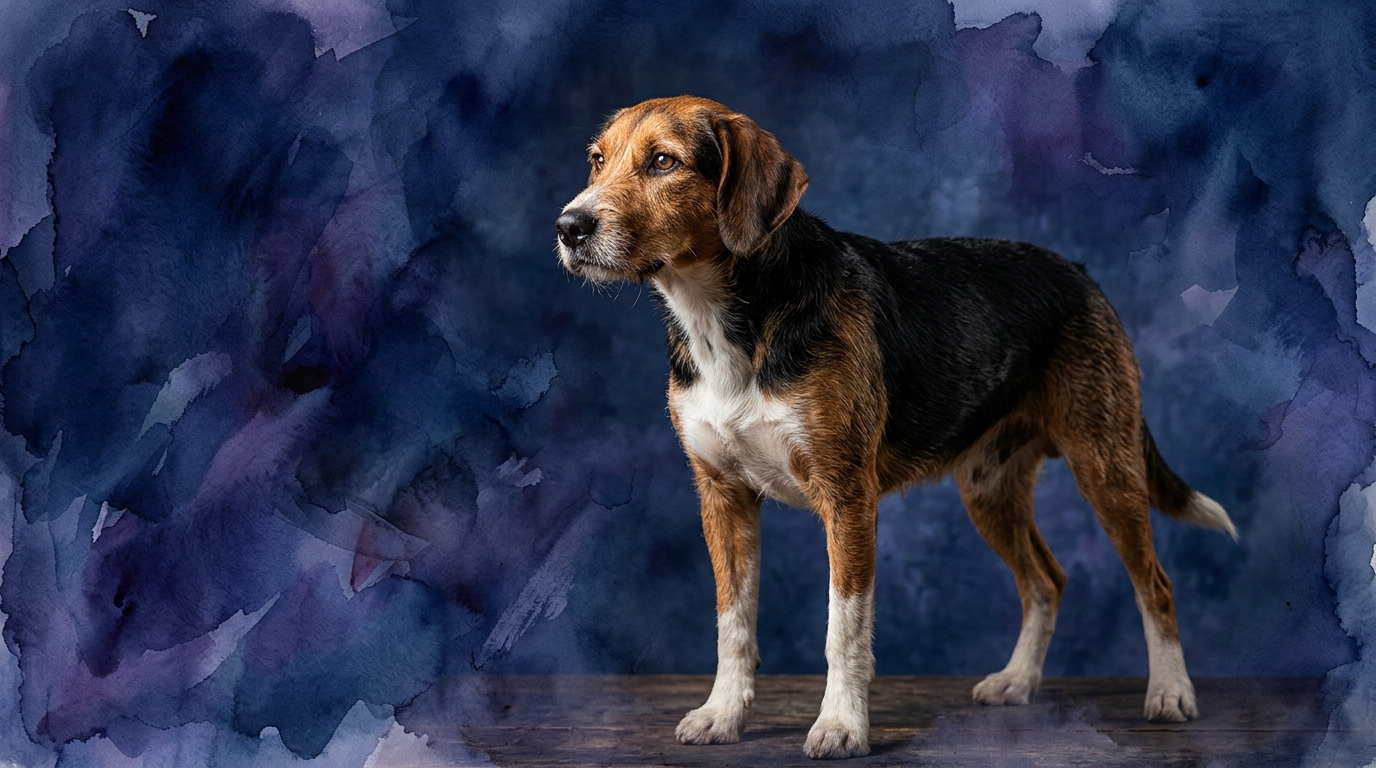
The Harrier, also a dog of the Hound group and sharing a similar ancestry, does not currently hold a Coren rank. Intriguingly, its Cosmic Pet IQ Lab scores are identical to the Basset Hound's: 3/5 for problem Solving, training Speed, social Intelligence, instinctive Drive, and memory. For the Harrier, these scores reflect a breed historically engaged in pack hunting, requiring a different application of similar cognitive capacities. Their 3/5 problem-solving frequently involves navigating complex terrain and cooperating with a pack, a more dynamic and collaborative form of intelligence. Their 3/5 training speed, while not exceptional, often benefits from their desire to work as part of a unit. Socially, their 3/5 rating highlights their need for companionship and interaction, a remnant of their pack heritage. Their 3/5 instinctive drive is channeled into persistent, high-energy pursuit, and their memory supports recalling routes and the movements of game over extended periods.
It's crucial to understand that identical numerical scores of 3/5 across the board do not imply identical cognitive expression. Instead, these scores represent a baseline capacity that is then shaped and prioritized by each breed's unique genetic predispositions, physical attributes, and historical purpose. The nuance lies in *how* these 3/5 capacities are utilized and what situations bring out their specific cognitive strengths. While both are scent hounds, their methods and motivations for employing their intelligence diverge significantly due to their distinct evolutionary paths and functional roles.
Where the Basset Hound's Cognition Shines
The Basset Hound's true cognitive brilliance lies in its singular, unwavering focus on scent. While rated 3/5 for problem-solving, their ability to meticulously unravel a complex scent trail, even one hours old and across varied terrain, is unparalleled. This isn't a rapid, adaptable problem-solving, but a deep, methodical, and persistent form of intelligence. They exhibit an extraordinary capacity to filter out all visual and auditory distractions, dedicating their entire cognitive processing power to their nose. This highly specialized instinctive drive, also rated 3/5, allows them to commit to a task with a determination that can appear stubborn but is, in fact, a testament to their profound olfactory dedication. Their memory, rated 3/5, is particularly adept at storing and recalling a vast library of scents and the intricate paths associated with them, enabling them to return to a specific point or pick up a lost trail with uncanny accuracy. This deep, independent cognitive engagement with the world of scent is where the Basset Hound truly excels.
Where the Harrier's Cognitive Edge Emerges
The Harrier's cognitive strengths, while numerically similar, lean towards a more dynamic and cooperative application of intelligence. Their 3/5 problem-solving ability often manifests in their adaptability and strategic thinking during a sustained chase, navigating obstacles and anticipating the movements of quarry, often in concert with other dogs. This requires a different kind of mental agility—less about deep, independent focus and more about real-time environmental assessment and coordinated action. Their 3/5 social intelligence, rooted in their pack heritage, makes them highly attentive to their human companions and other canines, fostering a strong desire for engagement and teamwork. This social drive can enhance their training responsiveness and their ability to integrate into family life. The Harrier's 3/5 instinctive drive is characterized by incredible stamina and an enduring mental resilience during long, physically demanding activities, demonstrating a sustained application of cognitive effort that differs from the Basset Hound's intense, localized focus. Their memory, also 3/5, is particularly strong for recalling terrain, patterns of movement, and the subtle cues of their environment during an active pursuit.
Training Dynamics: Basset Hound's Deliberation vs. Harrier's Drive
When it comes to training, the identical 3/5 training speed scores for both breeds translate into quite different experiences for owners. The Basset Hound's 3/5 training speed often feels like a battle of wills. Their profound focus on scent means that once their nose is engaged, human commands become secondary. This isn't a lack of capacity to learn, but rather a strong internal priority system that places olfactory exploration above immediate obedience. Training a Basset Hound requires immense patience, creativity with high-value rewards, and an understanding that you are competing with the most compelling stimulus in their world: scent. Their independent nature means they learn best with positive reinforcement and short, engaging sessions, but owners should expect a deliberate pace and occasional 'selective hearing' when a captivating odor is present.
The Harrier's 3/5 training speed, conversely, often feels more responsive, largely due to their pack-oriented social intelligence and higher energy levels. Harriers generally possess a stronger desire to engage and work with their human 'pack leaders,' making them more eager participants in training sessions. However, their high instinctive drive, particularly their prey drive, can be a significant distraction. While they may pick up commands relatively quickly, maintaining focus in stimulating environments requires consistent, firm, and positive reinforcement. Owners need to channel their boundless energy and ensure sufficient mental and physical exercise, as an under-stimulated Harrier can become easily distracted or develop undesirable behaviors. Their training benefits from structured activities that tap into their natural drive, like agility or scent work, providing an outlet for their energetic intelligence.
Matching Cognitive Profiles to Lifestyles: Active vs. Relaxed Owners
For owners seeking a more relaxed pace, the Basset Hound's cognitive profile aligns well with a less demanding lifestyle. Their independent problem-solving and deep focus on scent mean they are content to explore their immediate environment at a leisurely pace or simply enjoy quiet companionship. While they need regular, moderate exercise to stay healthy, their energy levels are generally lower than many hound breeds. Owners who appreciate a dog with a strong internal life, who is devoted but not constantly seeking direction, and who can manage an independent scent drive, will find the Basset Hound a rewarding companion. Their social intelligence of 3/5 makes them amiable family members, but they are not typically 'velcro dogs' and appreciate their personal space after a good sniff.
The Harrier's cognitive profile, marked by its sustained energy and pack-oriented social intelligence, makes it an ideal match for active, engaged owners. This breed thrives on consistent physical activity and mental stimulation, reflecting its historical role as an endurance hunter. Owners must be prepared to provide daily, vigorous exercise, whether through long runs, hikes, or structured dog sports. Their 3/5 social intelligence means they genuinely enjoy being part of family activities and can become bored or restless if left alone for extended periods without engagement. A Harrier needs an owner who understands and can channel its powerful instinctive drive, providing outlets for its natural desire to run, track, and interact. They are best suited for individuals or families who can integrate their dog into an active, outdoor-oriented lifestyle, where their dynamic cognitive abilities can be fully utilized and appreciated.
The Verdict: When to Choose Each Hound
The Verdict
Choose the Basset Hound if you appreciate a calm, independent, and profoundly scent-driven companion who thrives on methodical exploration and relaxed companionship, provided you can accommodate their single-minded olfactory pursuits.
Opt for the Harrier if you lead an active lifestyle and desire an energetic, social, and highly engaged companion who thrives on vigorous exercise, mental challenges, and being an integral part of family activities.
🧠 Find Your Pet's IQ Score
Our Pet IQ Lab assessment covers 25+ tests across 5 cognitive dimensions — personalized to your breed.
Take the Full IQ Test →Frequently Asked Questions
Do Basset Hounds and Harriers truly have identical IQs?
According to The Cosmic Pet Pet IQ Lab, both breeds indeed score 3/5 across all five cognitive dimensions. However, this identical numerical rating reflects a baseline capacity, while the *expression* and *prioritization* of these traits differ significantly due to their distinct breed histories and physical attributes.
Which breed is better for first-time dog owners?
The Basset Hound is generally a more manageable choice for first-time owners due to its lower energy demands and more placid nature. Harriers require a more experienced owner who can consistently provide ample exercise, mental stimulation, and structured training to manage their high drive and energy.
How do their scenting abilities compare?
Both breeds possess exceptional scenting abilities, but they apply them differently. Basset Hounds are renowned for their methodical, ground-scenting focus, meticulously tracking individual trails over long periods. Harriers are also excellent trackers, often utilizing their nose in a more dynamic, faster-paced manner during a cooperative chase, covering varied terrain and adapting to changing conditions.