
Side-by-Side IQ Profile: Unpacking Identical Scores
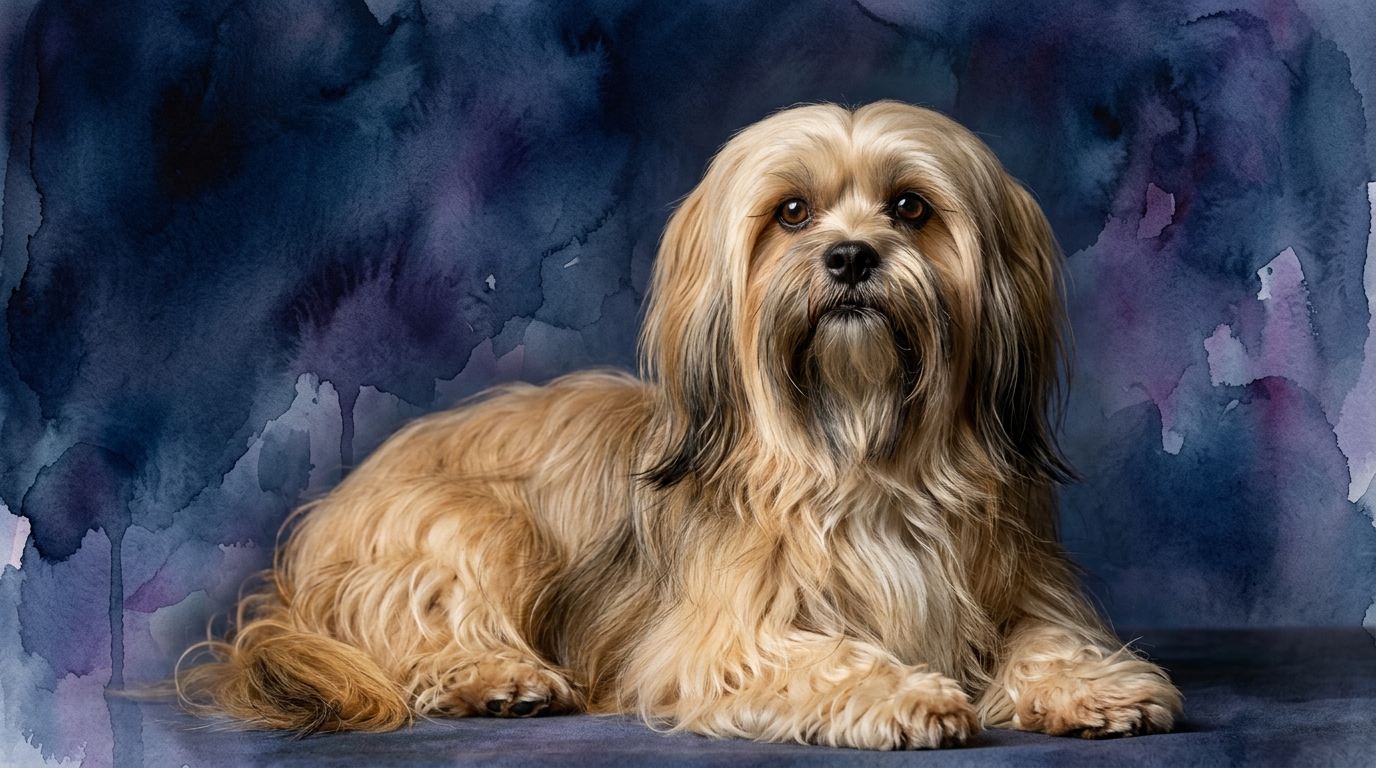
The Cosmic Pet Pet IQ Lab assesses canine intelligence across five critical dimensions: Problem Solving, Training Speed, Social Intelligence, Instinctive Drive, and Memory. Intriguingly, both the Basset Hound and the Lhasa Apso register a consistent score of 3/5 in every single category, placing them at Coren ranks #71 and #68 respectively, suggesting a very similar underlying cognitive framework. This numerical congruence, however, tells only part of the story; the *application* of these capacities varies significantly between the breeds.
For Problem Solving (3/5), a Basset Hound typically applies this capacity to deciphering complex scent trails, methodically working through environmental puzzles with their nose to locate a target. A Lhasa Apso, conversely, might demonstrate their 3/5 problem-solving by strategically navigating a home environment to secure a favorite resting spot, manipulate situations for attention, or figure out how to access a forbidden treat. Training Speed (3/5) for a Basset often means they learn commands at a moderate pace, but their deep focus on scent can make consistent obedience a challenge; they understand, but their nose often overrides their ears. A Lhasa Apso's 3/5 training speed is often colored by their independent and discerning nature; they learn quickly when motivated, but their willfulness can make them appear slower to comply than they truly are. Social Intelligence (3/5) in a Basset Hound manifests as an understanding of pack dynamics and human cues, particularly those related to their work or routine, often displaying a calm, affable demeanor. A Lhasa Apso's social intelligence, also 3/5, is more about discerning friend from stranger, reading subtle shifts in household mood, and forming strong, protective bonds with their inner circle while being wary of outsiders. Their Instinctive Drive (3/5) is profoundly different: for the Basset, it's an undeniable, powerful drive to follow a scent, embodying their hound heritage. For the Lhasa Apso, it's a strong territorial and watchdog instinct, a drive to guard and alert. Finally, Memory (3/5) in a Basset is often tied to remembering specific scent patterns and routes, recalling where a particular smell was last detected. A Lhasa Apso's memory at 3/5 is more about remembering routines, specific people, and the layout of their territory, retaining learned behaviors and preferences with consistency.
Where the Basset Hound Excels Cognitively
The Basset Hound's cognitive strengths are profoundly rooted in their olfactory capabilities and methodical persistence. Their 3/5 in Problem Solving is not about quick, flashy solutions, but rather a dedicated, systematic approach to unraveling scent-based mysteries. They excel at following a trail with unwavering focus, demonstrating a cognitive endurance that few other breeds can match when their nose is engaged. This isn't just about sniffing; it's about processing complex arrays of scent information, differentiating, tracking, and remembering specific odours over extended periods.
Their 3/5 Instinctive Drive is a powerful asset in any scenario involving detailed investigation or tracking. This drive fuels their cognitive processes, making them exceptionally persistent in tasks that engage their primary sense. When presented with a scent puzzle, a Basset Hound doesn't give up easily; their memory (3/5) for scent trails ensures they can retrace steps or pick up a lost line, showcasing a specialized form of cognitive recall that is highly effective within their niche. Their affable Social Intelligence (3/5) also allows them to work cooperatively with a handler, even while deeply engrossed in their task, making them excellent partners for scent work or search games.
Where the Lhasa Apso Excels Cognitively
The Lhasa Apso's cognitive strengths lie in their discerning judgment, keen environmental awareness, and steadfast loyalty. Their 3/5 in Social Intelligence manifests as a sophisticated ability to assess situations and individuals, quickly categorizing them as friend, foe, or neutral party. This makes them exceptional watchdogs, not just in terms of barking, but in their capacity to 'read' the room and understand nuanced social cues, often anticipating changes in their environment or household dynamics.
Their Problem Solving (3/5) is often applied to navigating social structures and personal comfort within their home. A Lhasa Apso might cleverly 'problem solve' how to get the most comfortable spot on the sofa or subtly influence their owner's routine to their advantage, using their understanding of cause and effect within their human-centric world. Their 3/5 Instinctive Drive, centered on vigilance and territoriality, means they possess a sharp, observant memory (3/5) for routines and perceived threats, quickly noticing anything out of place. This combination makes them highly effective at their historical role of guarding and alerting, demonstrating a cognitive profile geared towards protective awareness and strategic living within their domain.
Which is Easier to Train and Why
Given their identical 3/5 Training Speed scores, neither the Basset Hound nor the Lhasa Apso are inherently 'easy' to train, but their specific challenges differ significantly. A Basset Hound's primary training hurdle stems from their powerful and often overriding scent drive. While they possess a 3/5 capacity to learn commands, their independent nature as a hound means they often prioritize following an interesting smell over immediate human directives. This requires an owner to be exceptionally patient, consistent, and to use high-value rewards that can compete with the allure of a scent trail, particularly for recall or focus exercises.
The Lhasa Apso's training journey is colored by their independent, often stubborn disposition and a strong sense of self-importance. Their 3/5 training speed indicates they are capable learners, but they frequently choose whether or not to comply based on their perceived benefit or mood, rather than an automatic desire to please. Training a Lhasa Apso demands a firm, consistent, and positive approach where the owner establishes clear, respectful leadership. Without this, their tendency towards selective hearing or outright defiance can make training feel like a constant negotiation, highlighting that while they learn, compliance is often a matter of their personal decision.
Which Suits Active Owners vs. Relaxed Owners
The distinction between these two breeds in terms of owner lifestyle preference is more pronounced than their IQ scores suggest. Basset Hounds, despite their seemingly relaxed demeanor, are not mere couch potatoes. Their 3/5 Instinctive Drive for scent work means they thrive on regular, moderate exercise that engages their nose. They suit owners who appreciate leisurely, investigative walks where the dog can follow scents at their own pace, or who enjoy engaging in scent games and tracking activities. While not suited for high-impact sports, they require consistent mental and physical stimulation to prevent boredom and destructive behaviors, making them a good fit for owners who are 'active' in terms of consistent engagement and outdoor exploration, albeit at a slower, more methodical pace.
Lhasa Apsos, conversely, are highly adaptable to various living situations, making them suitable for both moderately active and more relaxed owners. They enjoy daily walks and playtime, but are equally content with indoor activities and cuddling on the sofa. Their 3/5 Instinctive Drive for vigilance and companionship means they thrive on being close to their family, making them excellent companions for apartment living or for individuals who prefer less strenuous outdoor activities. They suit owners who value a strong, loyal bond and are prepared to provide consistent mental engagement through training and companionship, but who may not be seeking a dog for extensive outdoor adventures or high-energy pursuits. They are ideal for 'relaxed' owners who still commit to consistent, positive interaction and mental stimulation.
The Verdict
Choose a Basset Hound if you seek a companion for methodical exploration, are patient with an independent, scent-driven nature, and appreciate a laid-back yet persistent personality.
Opt for a Lhasa Apso if you desire a vigilant, loyal companion for indoor living, appreciate a confident and discerning personality, and are prepared for consistent, patient training to navigate their strong will.
🧠 Find Your Pet's IQ Score
Our Pet IQ Lab assessment covers 25+ tests across 5 cognitive dimensions — personalized to your breed.
Take the Full IQ Test →Frequently Asked Questions
Are Basset Hounds stubborn?
Basset Hounds can often be perceived as stubborn due to their strong independent nature and powerful scent drive, which can lead them to prioritize following an interesting smell over immediate compliance with a command. Patience and consistent, engaging training methods are key to working with their inherent inclinations.
Do Lhasa Apsos bark a lot?
Lhasa Apsos, with their 3/5 Instinctive Drive for vigilance and territoriality, often use their voice as part of their watchdog instincts. They tend to bark to alert their family to perceived threats, strangers approaching their territory, or anything they deem out of the ordinary, making them effective but sometimes vocal guardians.
Is one breed definitively smarter than the other?
Based on The Cosmic Pet Pet IQ Lab scores, both Basset Hounds and Lhasa Apsos exhibit identical cognitive capabilities across all five measured dimensions (3/5 for Problem Solving, Training Speed, Social Intelligence, Instinctive Drive, and Memory). This means neither holds a definitive 'smarter' edge in overall cognitive capacity, though their application of these capacities differs significantly.