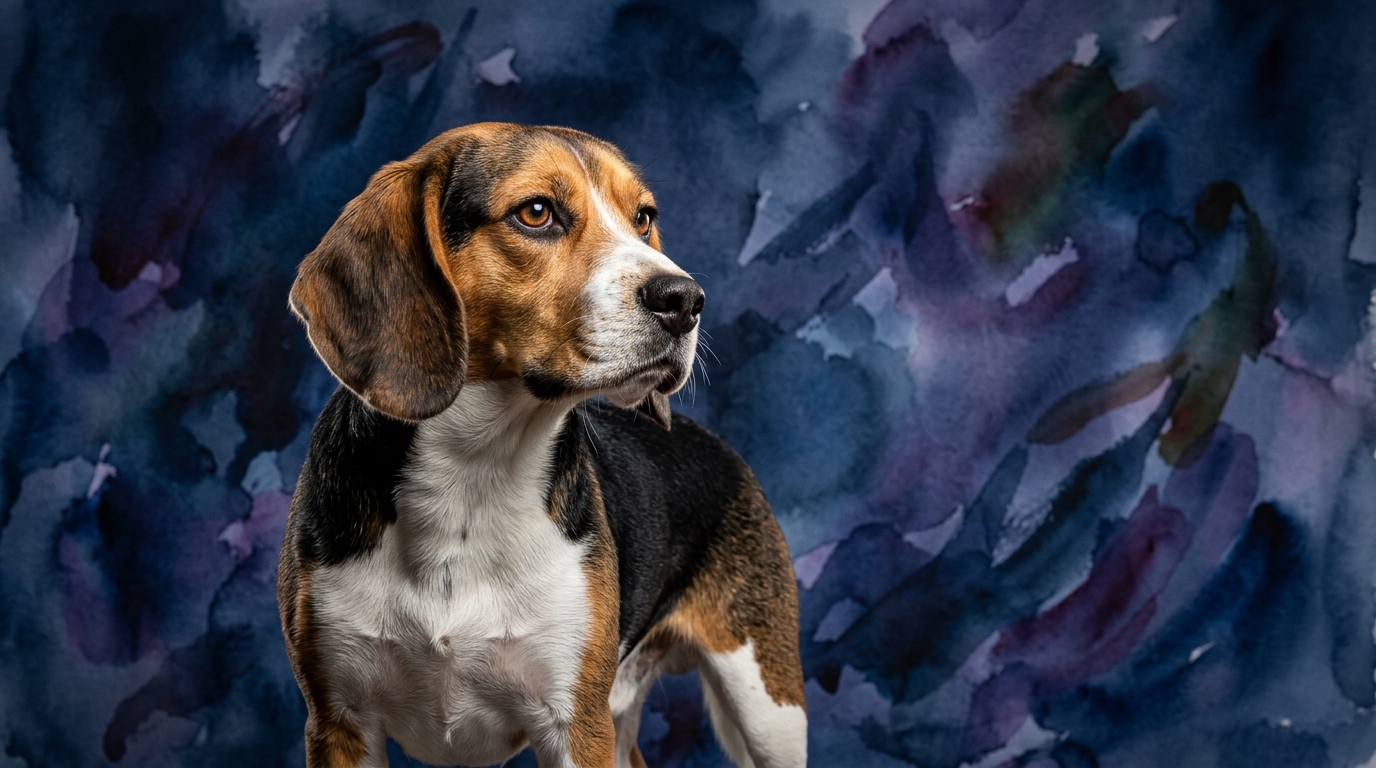
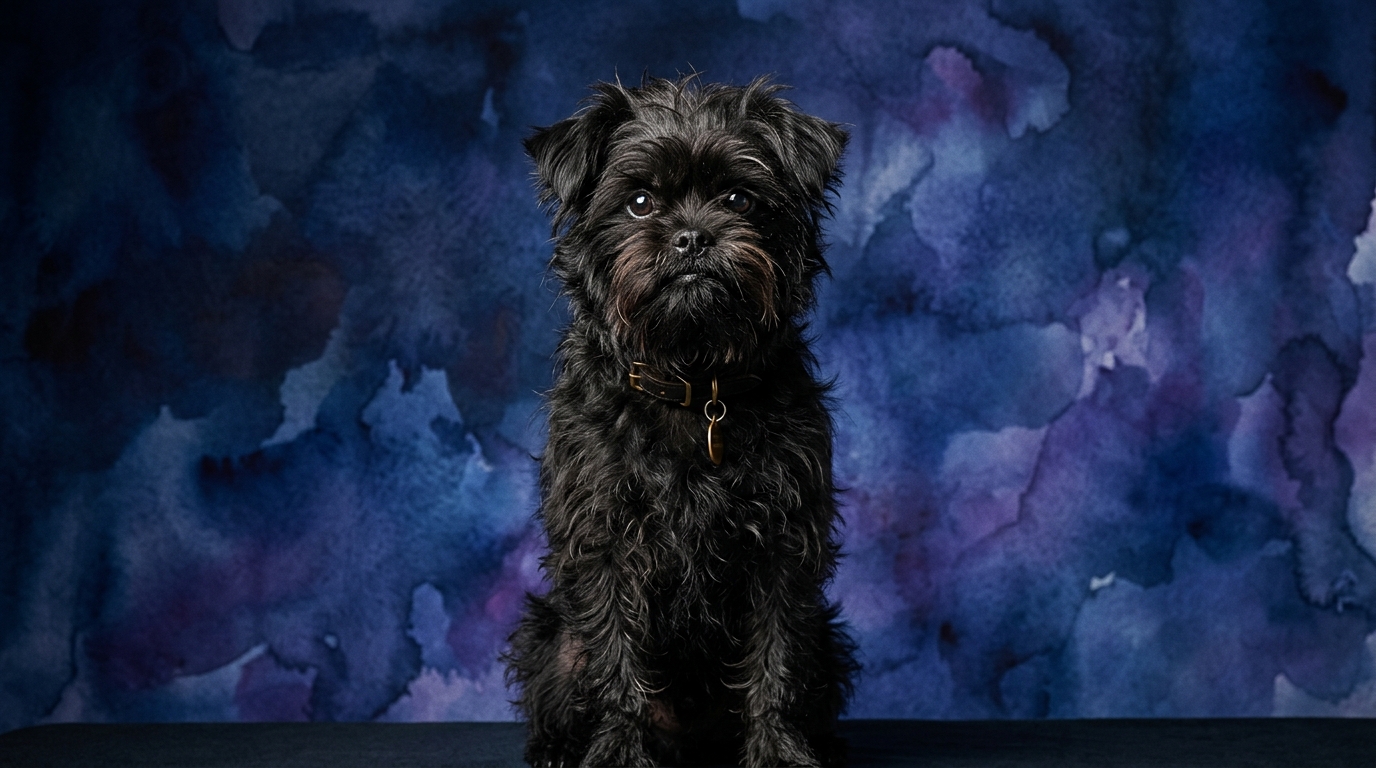
Side-by-Side IQ Profile: Beagle vs. Affenpinscher
The Cosmic Pet Pet IQ Lab assesses canine intelligence across five key dimensions, providing a nuanced understanding of each breed’s unique cognitive landscape. For the Beagle, a Coren-ranked #72 hound, these scores reflect a life optimized for scent work. The Affenpinscher, a toy breed not Coren-ranked, presents a different, yet equally engaging, set of cognitive strengths.
**Beagle (Hound, Coren rank #72):** Problem Solving 4/5: Beagles demonstrate a strong capacity for figuring out environmental puzzles, particularly those related to scent detection and navigating complex terrains. Their cognitive strength here lies in persistence and applying their primary sensory input. Training Speed 2/5: While capable, Beagles often require more repetition and consistent motivation due to their independent nature and strong focus on their olfactory world. Their inclination to follow fascinating scents frequently overrides immediate human directives. Social Intelligence 3/5: Beagles typically interact well with both humans and other animals, showing adaptability in group settings and an amiable disposition. Their primary drive often remains scent-focused rather than solely people-pleasing. Instinctive Drive 5/5: This is where the Beagle truly shines, possessing an exceptionally powerful and persistent hunting instinct, primarily driven by their superior sense of smell. Their drive to track is profound, shaping much of their cognitive engagement. Memory 4/5: Beagles exhibit robust associative memory, particularly for locations, scents, and successful hunting strategies. They remember paths and where interesting smells were found, contributing to their effectiveness in their original purpose.
**Affenpinscher (Toy, Not Coren-ranked):** Problem Solving 3/5: Affenpinschers show a moderate ability to solve practical, everyday challenges, often using observation and trial-and-error to achieve desired outcomes. Their approach is often more direct and less driven by a singular, overriding instinct than a Beagle's. Training Speed 3/5: These small dogs possess a decent learning curve, often picking up new commands at an average pace when motivated by positive reinforcement. Their desire to engage with their owner can facilitate training, though an independent streak exists. Social Intelligence 3/5: Affenpinschers generally display good social understanding, forming strong bonds with primary caregivers and interacting playfully with familiar individuals. They are adept at reading human emotions, though some may exhibit wariness towards strangers. Instinctive Drive 3/5: While retaining some terrier-like instincts for vermin control, the Affenpinscher's instinctive drive is less singularly focused. Their drives are more generalized, encompassing play, companionship, and territorial vigilance. Memory 3/5: Affenpinschers have a solid working memory for routines, learned commands, and significant past events within their environment, aiding in their adaptation to a domestic setting.
Where the Beagle Wins Cognitively
The Beagle's cognitive strengths are profoundly rooted in its original purpose: scent tracking. Their problem-solving prowess, rated at 4/5, is particularly evident in tasks requiring the deciphering of complex scent trails and navigating varied environments to locate a target. This isn't abstract logic, but an intricate application of their primary sense to overcome physical and olfactory barriers, demonstrating a persistent and focused intellect. A Beagle faced with a puzzle feeder will often use its nose first, meticulously working out how to access treats by following the scent. This deep engagement with their olfactory world means they excel at tasks leveraging this innate skill, far surpassing many breeds in this specific domain.
Furthermore, their instinctive drive, rated a perfect 5/5, isn't just a physical trait; it’s a powerful cognitive engine. This relentless drive to follow a scent, regardless of distraction or difficulty, showcases an unwavering mental focus and determination. Their memory, at 4/5, complements this, allowing them to recall specific scent profiles, successful tracking routes, and locations where interesting smells were previously encountered. This robust associative memory for environmental details and sensory information is a significant cognitive advantage for tasks requiring recall of complex spatial and olfactory data.
Where the Affenpinscher Wins Cognitively
While the Beagle's specialized intellect is undeniable, the Affenpinscher presents a different kind of cognitive advantage, particularly in the realm of practical trainability. With a training speed rating of 3/5, the Affenpinscher generally demonstrates a quicker grasp of new commands and a greater willingness to comply compared to the Beagle's 2/5. This isn't about overall intellect, but a different motivational structure and attentional focus. Affenpinschers are often more attuned to their human companions, deriving satisfaction from interaction and praise, which makes them more receptive to instruction. They tend to be less distracted by external environmental stimuli like intriguing scents, allowing for more sustained attention during training.
Their problem-solving, social intelligence, and memory are all rated at 3/5, indicating a balanced and adaptable cognitive profile. This allows them to approach various domestic challenges with a sensible, albeit less specialized, intellectual toolkit. For instance, an Affenpinscher might more readily learn complex trick sequences or adapt to new household rules because their cognitive energy is less singularly consumed by a powerful instinctive drive. Their cognitive wins lie in their generalist adaptability and readiness to engage with human-led learning, making them a more straightforward student in many common training scenarios where a Beagle's nose might lead it astray.
Which is Easier to Train and Why
Based on our Cosmic Pet IQ Lab data, the Affenpinscher generally proves easier to train than the Beagle. The primary reason lies in their differing "Training Speed" scores (Affenpinscher 3/5 vs. Beagle 2/5) and their instinctive drives. Affenpinschers, while possessing their own spirited independence, tend to be more people-oriented during training sessions. Their desire for companionship and positive interaction with their owners often translates into a greater willingness to focus on human directives and learn new commands more readily. They are less prone to becoming singularly engrossed in external stimuli, making it easier to maintain their attention.
Conversely, the Beagle’s profound instinctive drive (5/5) to follow scent trails is a powerful internal motivator that frequently overrides human commands. A Beagle on an interesting scent is a Beagle with its cognitive resources fully dedicated to that trail, making it notoriously difficult to recall or redirect. This isn't a lack of ability to learn, but rather a prioritization of their deeply ingrained olfactory mission. While both breeds can be trained effectively with consistent positive reinforcement, the Affenpinscher's more balanced instinctive drive and higher propensity for human-centric engagement means they typically respond faster and with fewer distractions.
Which Suits Active Owners vs. Relaxed Owners
For owners who thrive on outdoor activities and can embrace a dog's profound sensory world, the Beagle is an excellent match. Their exceptional instinctive drive (5/5) and problem-solving skills (4/5) are best utilized in activities stimulating their powerful nose, such as scent work, tracking games, or long, exploratory walks in varied environments. An active owner for a Beagle isn't just about physical exercise; it's about providing consistent mental stimulation that taps into their unique cognitive strengths. A relaxed owner who cannot dedicate time to fulfilling this deep-seated need for olfactory engagement might find a Beagle's persistent baying or tendency to follow scents a challenge, as their unfulfilled cognitive drive can manifest as restlessness or nuisance behaviors.
The Affenpinscher, with its balanced cognitive profile and moderate instinctive drive (3/5), is generally better suited for owners who appreciate a companion that is playful and engaged but doesn't demand the same intensity of specialized activity. While they enjoy walks and playtime, their needs are more readily met within a typical home environment, making them a good fit for relaxed owners who still provide daily interaction and mental enrichment through toys and short training sessions. Their social intelligence (3/5) and adaptability mean they integrate well into various household routines, thriving on proximity to their human family rather than a constant quest for external sensory input.
The Verdict
Choose a Beagle if you are an owner prepared to embrace and channel a dog's profound olfactory intelligence and unwavering instinctive drive, dedicating time to scent-based activities and consistent, patient training.
Opt for an Affenpinscher if you seek a spirited, engaging companion with a balanced cognitive profile, who thrives on human interaction and adapts well to a less specialized, more domestically focused lifestyle.
🧠 Find Your Pet's IQ Score
Our Pet IQ Lab assessment covers 25+ tests across 5 cognitive dimensions — personalized to your breed.
Take the Full IQ Test →Frequently Asked Questions
Are Beagles difficult to train because of their intelligence?
Beagles are not difficult to train due to a lack of intelligence; rather, their training speed (2/5) is influenced by their powerful instinctive drive (5/5) to follow scents. This deep-seated cognitive focus often means their attention is more drawn to environmental smells than human commands, requiring consistent and patient motivation.
Do Affenpinschers need a lot of mental stimulation?
Affenpinschers benefit from regular mental stimulation, reflected in their moderate problem-solving (3/5) and social intelligence (3/5) scores. While they don't have the specialized needs of a scent hound, daily interactive play, short training sessions, and puzzle toys are important to keep their minds engaged and prevent boredom.
How does the "Instinctive Drive" score impact daily life for these breeds?
The Beagle's 5/5 instinctive drive means they are powerfully compelled by scent, often leading to a desire to explore and a challenge with recall, requiring secure environments. The Affenpinscher's 3/5 drive is more generalized, making them less likely to bolt after a scent and generally more manageable in diverse settings, prioritizing companionship.