Side-by-Side Cognitive Profiles
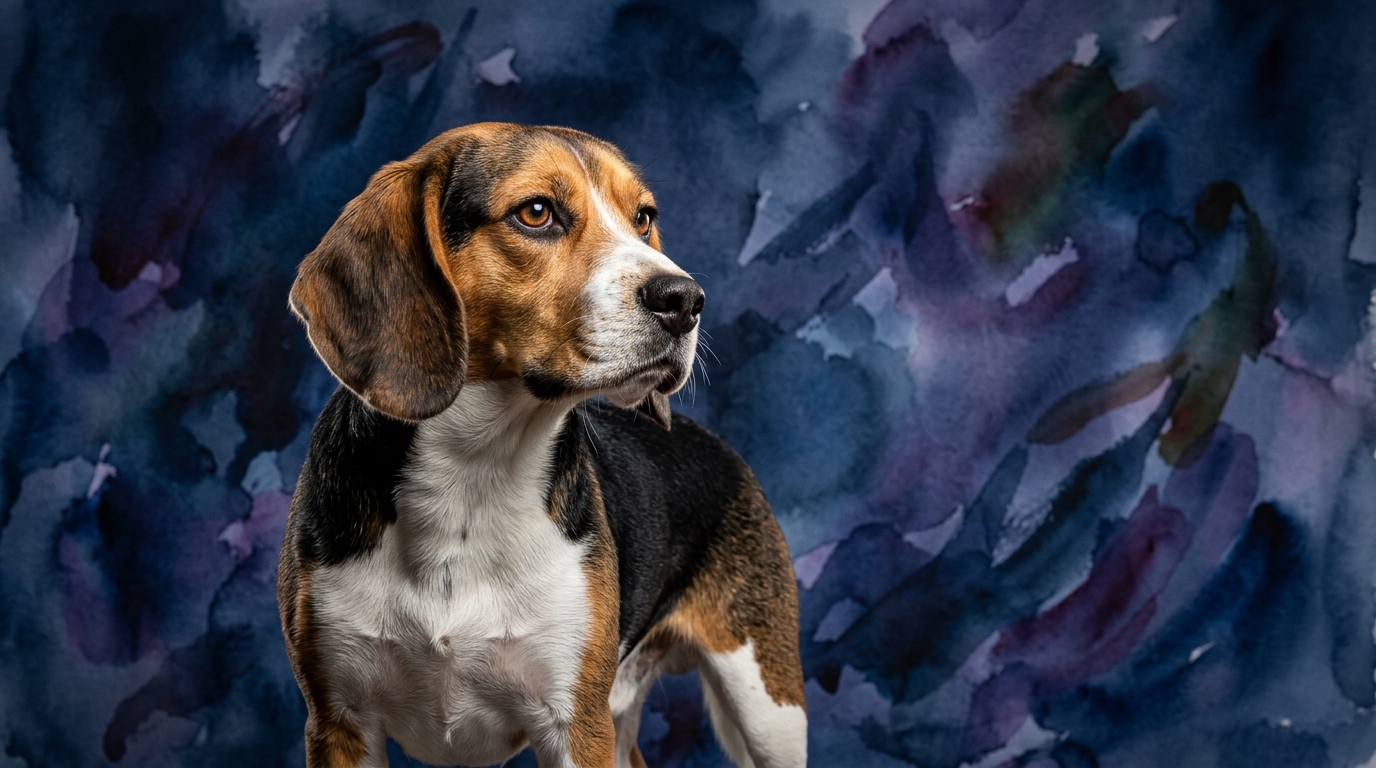
The Cosmic Pet Pet IQ Lab assesses canine intelligence across five key dimensions, offering a granular view of each breed's mental strengths. For the Beagle, Problem Solving scores 4/5, demonstrating an adeptness at figuring out how to reach a scent source or navigate complex environments. Training Speed is 2/5, indicating they learn but require consistent, engaging methods to overcome distractions. Social Intelligence is 3/5, meaning they understand human cues and group dynamics well enough to integrate into a family structure, though independent scent work can sometimes override this. Their Instinctive Drive is a perfect 5/5, reflecting an unwavering focus on scent trails and an inherent urge to follow and explore. Memory is rated 4/5, showing they retain learned commands and spatial information effectively, especially concerning food sources or established routines.
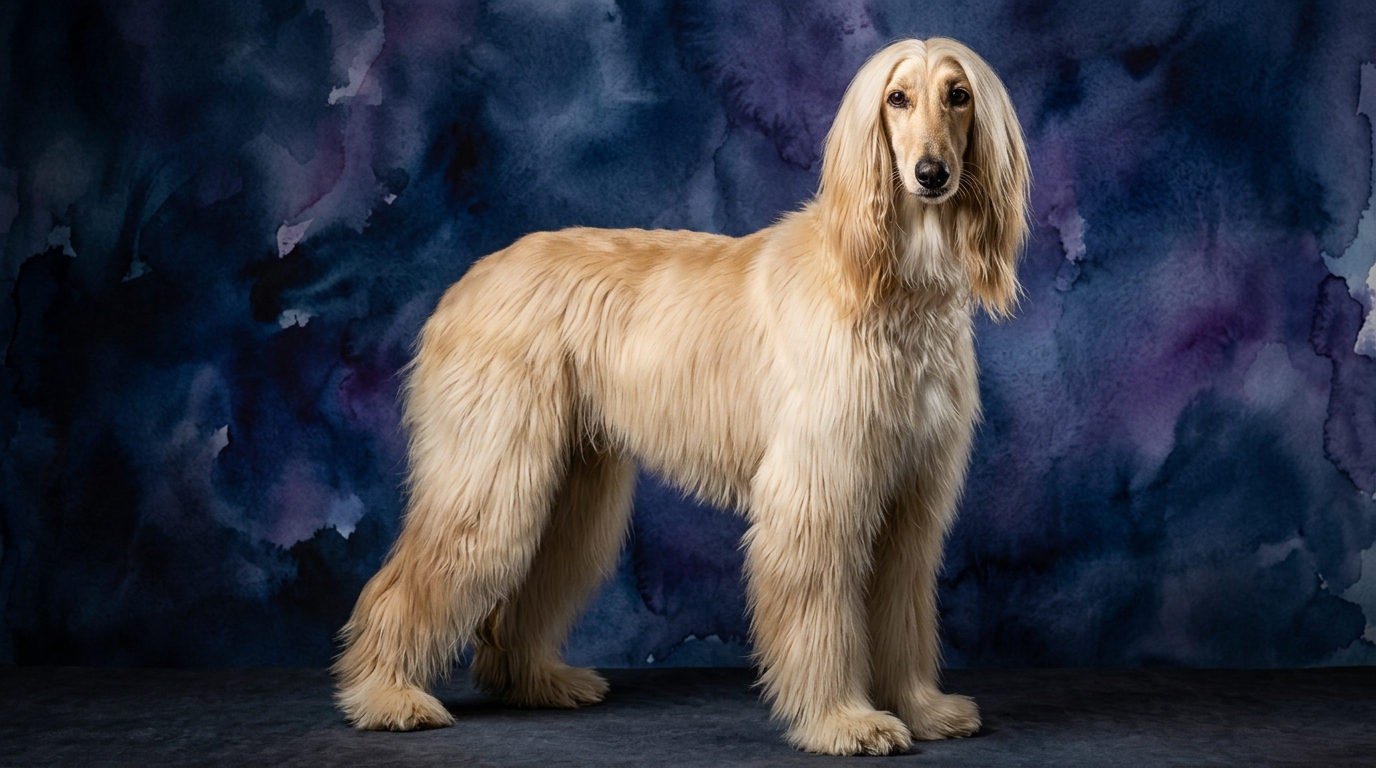
The Afghan Hound presents a distinct profile. Their Problem Solving also scores 4/5, showcasing a capability for independent thought to track prey or navigate terrain, often preferring their own solutions. Training Speed is a challenging 1/5, meaning they require immense patience and highly specific motivation, as they frequently prioritize their own will over human instruction. Social Intelligence is 2/5, indicating they can be aloof or reserved, interpreting human social cues differently and less inclined towards constant interaction. Like the Beagle, their Instinctive Drive is 5/5, but for the Afghan Hound, this is a powerful sight-hunting instinct, a compelling urge to chase moving objects at high speed. Memory is 3/5, suggesting they can remember commands and routes but may choose to ignore them if not sufficiently motivated or if a more pressing instinctual urge arises.
Where the Beagle Wins Cognitively
The Beagle's cognitive strengths shine most brightly in areas that foster human-canine partnership and general adaptability. Their Training Speed of 2/5, while not top-tier, significantly surpasses the Afghan Hound's 1/5. This means a Beagle typically grasps new commands and routines more readily, showing a greater intrinsic motivation to cooperate with human guidance. This isn't just about speed; it reflects a higher foundational willingness to engage in structured learning activities.
Furthermore, the Beagle's Social Intelligence, rated at 3/5, indicates a more nuanced understanding of human social cues and group dynamics compared to the Afghan Hound's 2/5. Beagles are generally more attuned to their human companions' moods and expectations, facilitating smoother integration into family life and various domestic settings. This social awareness directly contributes to their adaptability. Finally, the Beagle's Memory, scoring 4/5 against the Afghan Hound's 3/5, suggests a more robust retention of learned behaviors and environmental information. This translates to a dog that remembers boundaries, command meanings, and established routines with greater consistency, making daily life and ongoing training less repetitive. This enhanced memory supports their problem-solving by allowing them to apply past successful strategies to new situations more reliably.
Where the Afghan Hound Wins Cognitively
While the Afghan Hound might not consistently score higher in direct cognitive comparisons, their unique mental architecture allows them to excel in specific, demanding scenarios where their strengths truly come to the fore. Their Problem Solving ability, rated equally at 4/5 alongside the Beagle, manifests differently; the Afghan Hound often employs a highly independent and self-reliant approach to challenges. They are accustomed to making their own decisions in fast-paced hunting situations, relying on keen observation and rapid, autonomous judgment rather than waiting for human direction. This isn't about solving a puzzle for a treat; it's about making split-second choices in pursuit.
Their Instinctive Drive, a perfect 5/5, is a powerful cognitive engine. For the Afghan Hound, this drive is primarily visual, fueling an unparalleled focus and explosive speed when spotting distant distant movement. This intense, singular focus on the chase means their cognitive resources are overwhelmingly dedicated to this primal task, allowing them to process visual stimuli and execute complex pursuit maneuvers with incredible efficiency. This specialized cognitive processing for sight hunting is a distinct advantage in their original purpose, demonstrating a highly evolved and refined form of instinctual problem-solving. In essence, the Afghan Hound's cognitive 'win' lies in its profound self-sufficiency and specialized processing for high-speed, independent sight-hunting. They possess a mental resilience and self-assuredness that allows them to operate effectively without constant human intervention, a trait that discerning owners often value for its authenticity and distinctiveness.
Which is Easier to Train and Why
Based on their cognitive profiles, the Beagle is demonstrably easier to train than the Afghan Hound. The primary factor is the Beagle's Training Speed of 2/5, which, while not lightning-fast, is double that of the Afghan Hound's 1/5. This difference translates to Beagles generally being more receptive to learning new commands, exhibiting a stronger desire to please, and being more food-motivated, making positive reinforcement highly effective. Their higher Social Intelligence (3/5) also means they are more inclined to pay attention to human cues and interpret our intentions, which is foundational for effective communication during training. Beagles, despite their strong scent drive, are typically more amenable to redirection and can be taught to disengage from a compelling scent with consistent effort. Their memory (4/5) ensures that once a behavior is learned, it tends to stick. Training a Beagle often feels like a collaborative effort, where the dog is an active, albeit sometimes stubborn, participant.
Conversely, training an Afghan Hound presents a significant challenge due to their extremely low Training Speed of 1/5 and lower Social Intelligence of 2/5. Afghan Hounds possess a profound sense of independence and self-will, bred to hunt autonomously over vast distances, making their own decisions. This manifests as a dog that frequently questions the necessity of a command or simply chooses to prioritize its own agenda, often ignoring human instruction if it doesn't align with their immediate desires or instinctual urges. Motivation must be exceptionally high and varied, and training sessions need to be short, engaging, and utterly consistent to make any headway. Their memory (3/5) is sufficient, but their inclination to *obey* is often the hurdle. Owners must accept that an Afghan Hound might never achieve the same level of obedience as many other breeds, instead valuing their unique, independent spirit.
Suitability for Active vs. Relaxed Owners
The distinction between active and relaxed owners extends beyond physical activity, encompassing the *type* of mental engagement and lifestyle compatibility each breed demands. Beagles, with their potent Instinctive Drive (5/5) for scent work and a Problem Solving score of 4/5, thrive with active owners who can channel their boundless curiosity and energy. These owners are often keen on outdoor adventures, long walks, scent games, or canine sports like nose work. A Beagle needs consistent mental stimulation to prevent boredom. Their moderate Training Speed (2/5) and good Social Intelligence (3/5) mean they benefit from owners who invest time in consistent training and socialisation, providing structure and engaging interaction. Owners enjoying interactive play and exploring new environments will find a Beagle a delightful, engaging companion.
Afghan Hounds, while possessing an equally powerful Instinctive Drive (5/5), direct this energy towards high-speed, visual pursuit. They require active owners who understand and respect this need for vigorous, safe running opportunities in securely fenced areas. However, their lower Social Intelligence (2/5) and extremely low Training Speed (1/5) mean they are not suited for owners seeking a highly biddable, constantly interactive companion. Instead, they suit owners who appreciate a dog's independent nature and are content with a more reserved, often aloof presence indoors. These owners are typically relaxed in their expectations of obedience, valuing the dog's majestic demeanor. While needing significant physical exercise, the mental engagement often stems from their own observations and independent decision-making during runs, rather than constant human-directed tasks. A relaxed owner for an Afghan Hound isn't inactive; rather, they are relaxed about the dog's need for constant attention and instruction, providing ample space for the hound to simply *be*.
The Verdict
Choose a Beagle if you desire an engaging, scent-driven companion eager for shared adventures and collaborative training, thriving on consistent interaction and mental stimulation.
Opt for an Afghan Hound if you admire independent spirits and majestic beauty, appreciating a reserved companion that requires specific exercise outlets but offers profound loyalty on its own terms.
🧠 Find Your Pet's IQ Score
Our Pet IQ Lab assessment covers 25+ tests across 5 cognitive dimensions — personalized to your breed.
Take the Full IQ Test →Frequently Asked Questions
Are Beagles truly difficult to train because of their scent drive?
Beagles possess a powerful instinctive drive for scent, which can make training challenging as they are easily distracted by compelling odors. However, their moderate training speed and social intelligence mean they are trainable with consistent, positive reinforcement and engaging methods, often excelling in scent work activities.
What kind of problem-solving is an Afghan Hound good at?
Afghan Hounds excel at independent problem-solving, particularly in scenarios requiring quick, autonomous decisions based on visual cues during a chase. They are adept at navigating complex environments and making swift judgments without human intervention, reflecting their heritage as self-reliant sight hounds.
How does social intelligence affect the interaction with these breeds?
A Beagle's higher social intelligence (3/5) means they are generally more attuned to human emotions and group dynamics, fostering more interactive family integration. An Afghan Hound's lower social intelligence (2/5) indicates a more reserved and independent nature, valuing personal space and offering affection on their own terms rather than seeking constant interaction.