Side-by-Side Cognitive Profiles: Beagle vs. Basenji
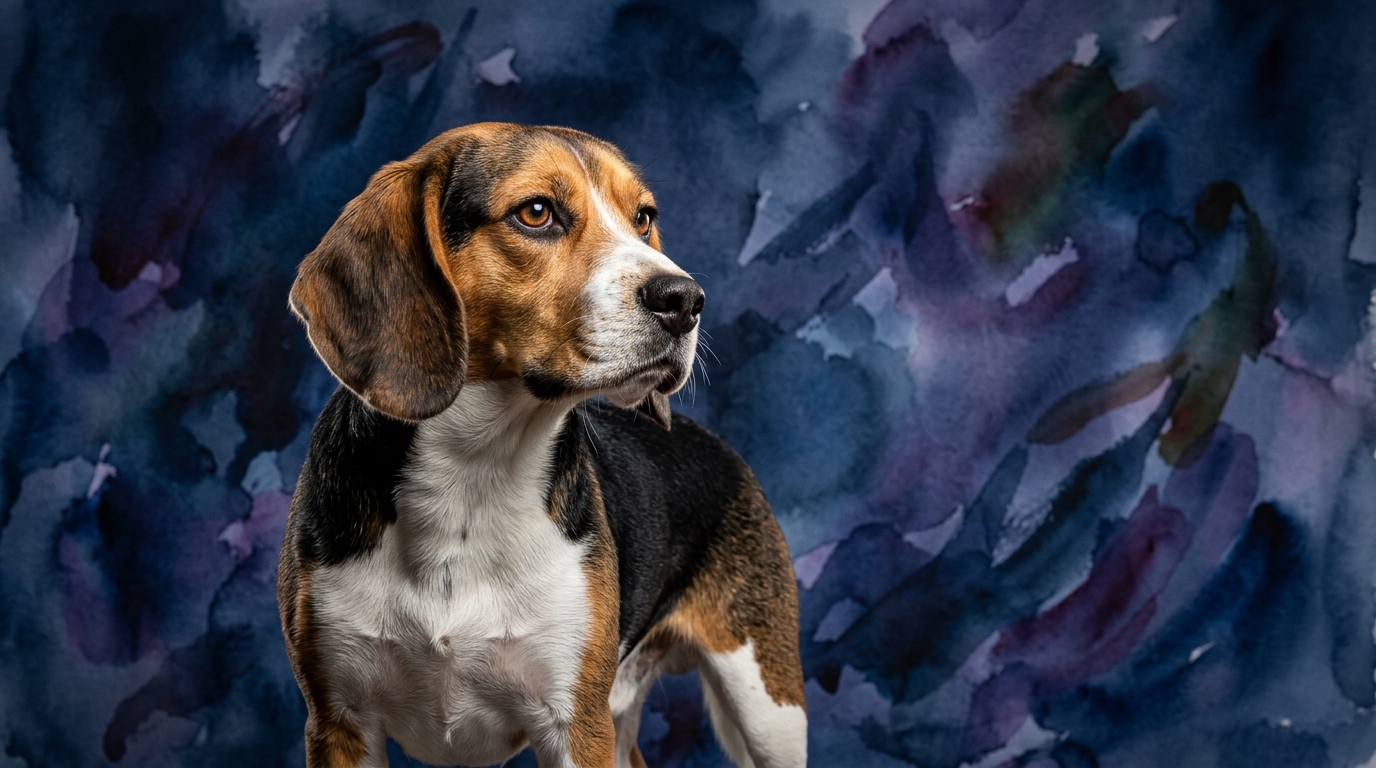
At The Cosmic Pet Pet IQ Lab, we delve beyond simple obedience to understand the multifaceted nature of canine intelligence. For the Beagle, ranked #72 by Coren, its cognitive makeup is largely influenced by its scent-hound heritage. Its Problem Solving score of 4/5 indicates a capable mind, particularly adept at navigating scent puzzles or finding hidden treats, though often relying on its nose as the primary tool for discovery. Training Speed, rated at 2/5, suggests that while Beagles can learn, their powerful instinctive drive to follow a compelling scent often overrides immediate compliance, requiring patience and high-value rewards to maintain focus. Social Intelligence stands at 3/5; Beagles are generally amiable and enjoy companionship, but their independence means they aren't constantly seeking human validation. Their Instinctive Drive is a perfect 5/5, a relentless pursuit of scent that defines their very being, while a Memory score of 4/5 ensures they recall past trails, routines, and the locations of favored snacks.
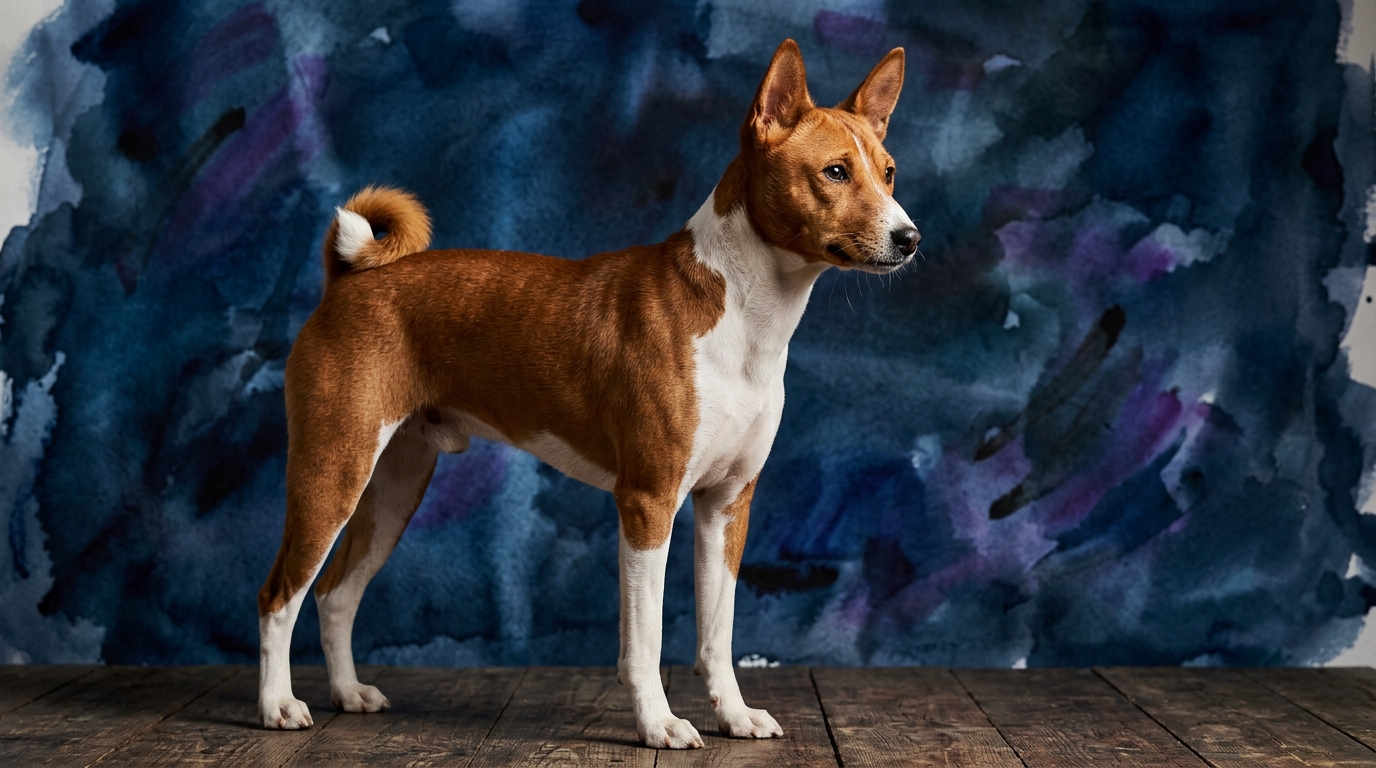
The Basenji, with a Coren rank of #78, presents a unique cognitive profile often described as 'cat-like' in its independence. Its Problem Solving ability shines at a remarkable 5/5, reflecting an ingenious capacity to figure out complex mechanisms, bypass obstacles, or creatively achieve desired outcomes, such as opening cabinets or escaping enclosures. However, its Training Speed is a challenging 1/5; Basenjis learn quickly but possess a strong self-will, often choosing when and if to obey, making traditional obedience a test of wits rather than rote memorization. Their Social Intelligence, like the Beagle, is 3/5, manifesting as reserved behavior with strangers but deep, selective bonds with their chosen family. An Instinctive Drive of 5/5 underscores their strong prey drive and independent hunting instincts, often relying on sight as much as scent. Finally, their Memory, at 4/5, is robust, allowing them to recall boundaries, routines, and particularly, any past human blunders they might exploit.
Where the Beagle's Cognition Shines Brighter
The Beagle demonstrates a distinct cognitive advantage in its relative ease of training engagement compared to the Basenji. While its Training Speed is a moderate 2/5, this still places it significantly ahead of the Basenji's 1/5. This difference isn't about raw learning capacity but rather motivation and amenability. Beagles, being highly food-motivated and possessing a slightly greater desire to please, are more receptive to structured training sessions and positive reinforcement techniques. Their cognitive process, while still scent-driven, allows for more consistent redirection and a lower likelihood of actively trying to outsmart the trainer's instructions, making the learning curve more predictable for the average owner.
Furthermore, the Beagle's interpretation of social intelligence, though rated identically at 3/5, often translates into a more broadly adaptable social demeanor. Their generally more gregarious and less reserved nature means they tend to integrate more smoothly into varied social situations, whether meeting new people or interacting with different dogs. This 'social fluidity' is a cognitive asset, allowing them to navigate diverse environments with a slightly lower level of stress and a greater willingness to engage, making their social intelligence more functionally versatile in a typical household setting.
Basenji's Cognitive Superiority: The Art of Cleverness
The Basenji truly excels in the realm of Problem Solving, boasting a perfect 5/5 score that highlights its exceptional ingenuity. This isn't just about figuring out simple puzzles; it's about a profound capacity for creative, often unexpected, solutions to challenges. A Basenji might systematically test different methods to open a secure gate, strategically move furniture to access a forbidden countertop, or devise elaborate escape routes from seemingly secure yards. Their high problem-solving ability, coupled with their inherent independence, means they are constantly assessing their environment for opportunities and actively seeking ways to achieve their objectives, often without human direction.
This superior problem-solving is intrinsically linked to their impressive resourcefulness and self-sufficiency. Unlike many breeds that look to humans for guidance or solutions, the Basenji's cognitive framework encourages autonomous thought and action. They can assess a situation, formulate a plan, and execute it with remarkable precision, demonstrating a profound capacity for independent decision-making. This self-reliance means they are less prone to learned helplessness and more likely to invent their own entertainment or solutions when left to their own devices, a testament to their highly active and complex internal thought processes.
Training Dynamics: A Tale of Two Hounds
When it comes to trainability, the contrast between the Beagle and Basenji is stark and deeply rooted in their cognitive profiles. The Beagle, with its 2/5 Training Speed, is generally more amenable to traditional training methods. Their strong food drive and instinct to work cooperatively in a pack (even if that pack is their human family) provide a solid foundation for motivation. The primary challenge lies in managing their potent scent drive; a compelling smell can instantly override any command, demanding consistent, engaging training sessions and high-value rewards to maintain focus. However, with patience, positive reinforcement, and understanding their motivations, Beagles can achieve a respectable level of obedience.
The Basenji, on the other hand, embodies the concept of 'selective hearing' with its 1/5 Training Speed. This isn't due to a lack of intelligence; in fact, their 5/5 problem-solving suggests a highly astute mind. The challenge arises from their extreme independence and low desire to please. Basenjis learn commands quickly but often choose whether or not to obey based on their own assessment of the situation or their mood. Training a Basenji requires immense creativity, unwavering consistency, and a profound understanding of canine psychology. Owners must make training feel like a game the Basenji wants to play, rather than a task, as any perceived coercion can lead to stubborn resistance. They are not easily bribed by typical treats and require a trainer who respects their self-will while still establishing clear, consistent boundaries.
Lifestyle Match: Active Engagement vs. Independent Spirit
Both Beagles and Basenjis are hounds, meaning they possess an inherent need for physical and mental stimulation, but the nature of that need differs. An active owner seeking a companion for structured outdoor adventures will find a good match in the Beagle. They thrive on consistent walks, scent games, and opportunities to explore with their nose. While they possess a high instinctive drive, once their exercise needs are met, Beagles can be content to relax indoors, often enjoying a good nap on the couch. They benefit from owners who appreciate their scenting prowess and can channel it into engaging activities like tracking or nose work, providing both physical exertion and mental fulfillment.
The Basenji, however, demands a more nuanced and often intense form of engagement, making them suitable for owners who embrace their independent and problem-solving spirit. These dogs require bursts of intense activity, ideally in securely fenced areas where they can run freely. More importantly, their high problem-solving and lower training speed mean they become bored easily and will invent their own, often destructive, entertainment if under-stimulated. They suit owners who are prepared for a constant intellectual challenge, who can provide puzzle toys, advanced training, and innovative ways to keep their sharp minds occupied. A relaxed owner who expects a dog to entertain itself or be easily managed will quickly find themselves outsmarted by a Basenji.
The Verdict: Choosing Your Canine Companion
The Verdict
Choose a Beagle if you appreciate a scent-driven companion who, with patience and food motivation, will engage in consistent training and enjoys a moderate, active lifestyle. They are well-suited for owners seeking a generally amiable family dog who can be managed with consistent boundaries.
Opt for a Basenji if you are an experienced dog owner seeking a highly independent, cunning companion who thrives on intense mental and physical challenges and respects a strong, consistent leadership style. They are best for those who admire a dog's self-sufficiency and can provide ample intellectual stimulation.
🧠 Find Your Pet's IQ Score
Our Pet IQ Lab assessment covers 25+ tests across 5 cognitive dimensions — personalized to your breed.
Take the Full IQ Test →Frequently Asked Questions
Are Beagles or Basenjis better for first-time dog owners?
Beagles are generally more forgiving for first-time owners due to their higher training speed and motivation for food, making them somewhat easier to guide. Basenjis, with their extreme independence and low training speed, typically require an owner experienced in positive reinforcement and managing strong-willed dogs.
Do Beagles or Basenjis bark more?
Beagles are known for their characteristic baying and can be quite vocal, especially when on a scent trail or feeling lonely. Basenjis are often called "barkless dogs" due to their unique yodel-like sound, but they are not silent and will express themselves through growls, whimpers, and yodels.
Which breed is more prone to destructive behaviors if not exercised enough?
Both breeds require significant mental and physical stimulation, but a Basenji's higher problem-solving ability and lower training speed mean they are more likely to ingeniously find ways to entertain themselves if under-exercised, often resulting in more complex destructive behaviors. A bored Beagle might chew, but a bored Basenji might systematically dismantle.