Side-by-Side IQ Profile: Beagle vs. Black Russian Terrier
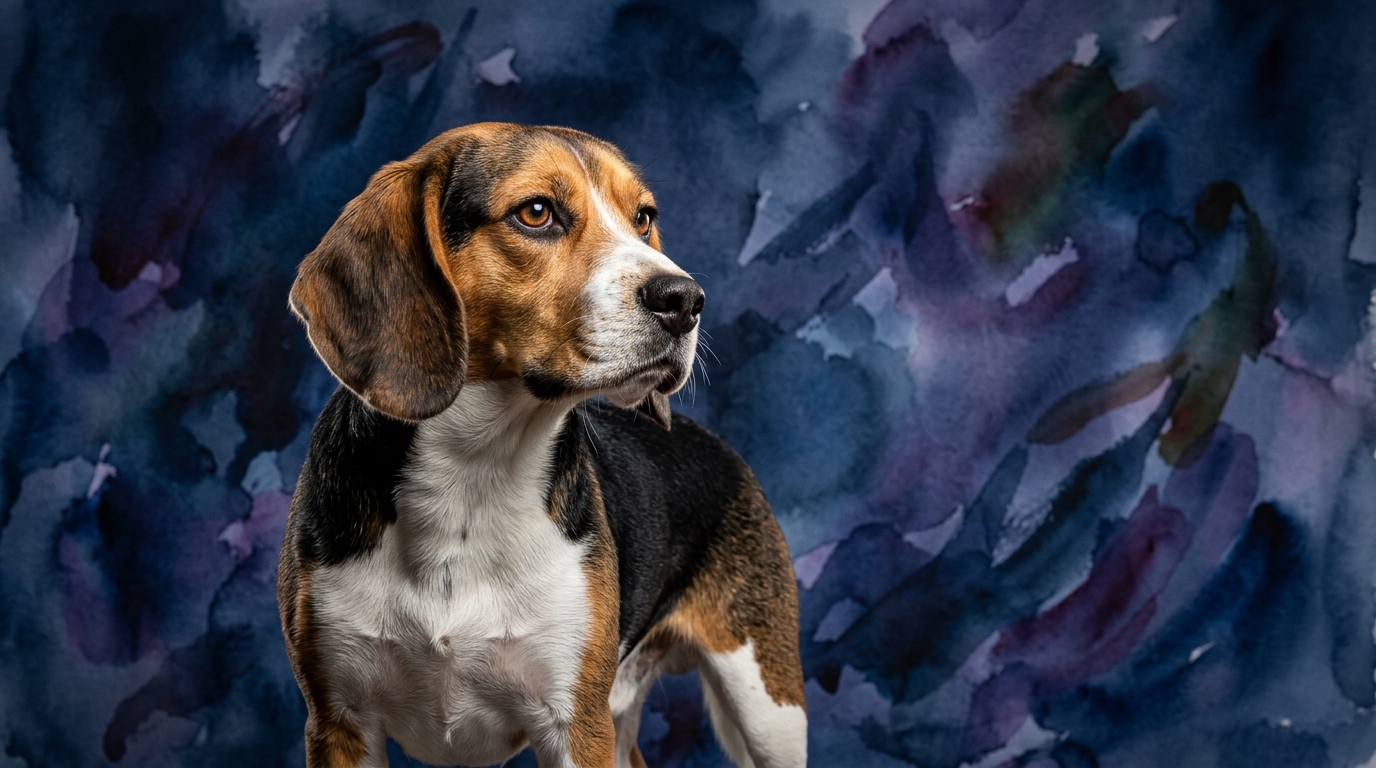
**Beagle (Hound)**: Its Problem Solving (4/5) excels at navigating complex scent trails, demonstrating persistent, methodical deduction to find hidden objects or follow a track; problem-solving often centers on sensory input, using superior olfactory senses to unravel environmental puzzles. Training Speed (2/5) indicates that driven by powerful instincts, Beagles are easily distracted by compelling scents, requiring patience and consistency to overcome their independent, investigative nature, making command acquisition a slower process. Social Intelligence (3/5) shows Beagles are generally sociable, enjoying human and canine companionship; they read social cues adequately within their family, though focus can quickly shift to external stimuli, sometimes overriding social engagements. Its Instinctive Drive (5/5) is exceptionally high, primarily centering around scent work and tracking; this powerful intrinsic motivation for hunting and exploration is a defining trait, guiding much of their behavior and cognitive engagement. Memory (4/5) means Beagles possess strong memory, particularly for locations associated with interesting scents or past tracking successes; they recall complex scent patterns and routes, crucial for their work, though a compelling scent might momentarily overshadow a command.
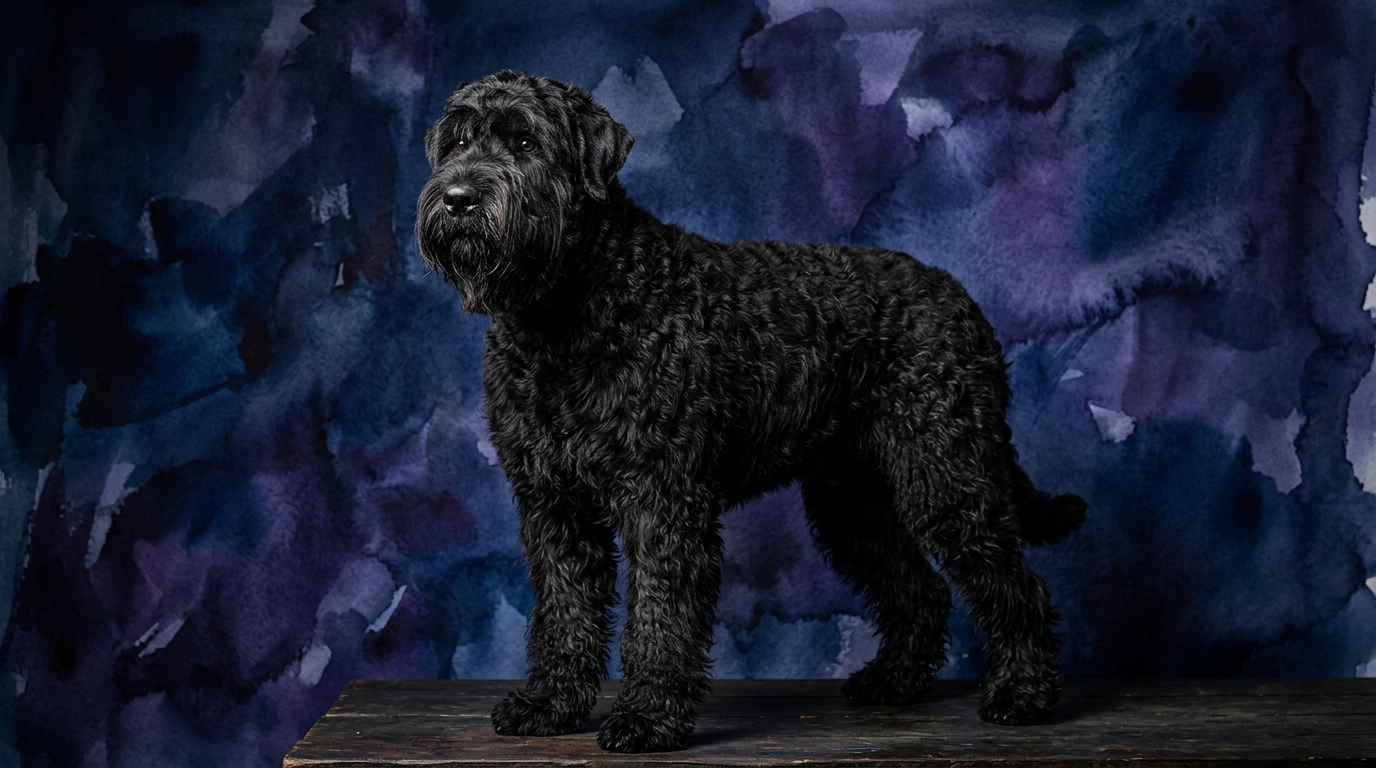
**Black Russian Terrier (Working)**: Its Problem Solving (3/5) approaches problems with a direct, task-oriented mindset, seeking to achieve specific goals or overcome obstacles; problem-solving typically gears towards practical applications like protection or mastering a learned task. Training Speed (3/5) means they are generally receptive to training, learning commands at a moderate pace; their desire to work and please contributes to willingness for structured learning, though an independent streak requires a firm, consistent approach. Social Intelligence (3/5) indicates moderate social intelligence, forming deep family bonds and often reserved with strangers; they observe human companions, interpreting moods and intentions, acting as vigilant protectors. Its Instinctive Drive (3/5) is balanced, encompassing protective instincts, a desire to guard, and capacity for various working roles; while not singularly focused, their drive is channelled into purpose-driven activities and vigilance. Memory (3/5) shows Black Russian Terriers demonstrate solid memory for commands, routines, and territory; they retain learned behaviors well, especially those reinforced through consistent training and practical application.
Where the Beagle Wins Cognitively
The Beagle undeniably shines in areas directly linked to its ancestral purpose. Its Problem Solving at 4/5, compared to the Black Russian Terrier's 3/5, is largely a function of its unparalleled olfactory prowess. A Beagle’s mind masterfully interprets scent, dissecting complex odor profiles and following intricate trails with unwavering focus, a cognitive feat few breeds can match. Furthermore, the Beagle’s Instinctive Drive, rated a perfect 5/5 against the Terrier’s 3/5, means it possesses a profound, intrinsic motivation for exploration and tracking. This powerful drive fuels its curiosity and determination, pushing it to overcome obstacles and demonstrating relentless cognitive engagement. Finally, its Memory at 4/5 surpasses the Terrier’s 3/5, particularly when recalling scent paths and experiences. A Beagle can "remember" a specific scent from days ago and pick up a cold trail, showcasing sophisticated long-term sensory recall vital for its hunting heritage.
Where the Black Russian Terrier Wins Cognitively
While the Beagle excels in sensory-driven problem-solving, the Black Russian Terrier demonstrates a distinct advantage in Training Speed, scoring 3/5 compared to the Beagle’s 2/5. This higher rating reflects a greater inherent willingness to engage in structured learning and a more direct responsiveness to handler cues. The Black Russian Terrier, as a working breed, was developed with a predisposition for cooperation and task execution, making it generally more amenable to absorbing new commands and routines efficiently. Their cognitive processing leans towards understanding and performing specific instructions, rather than being solely guided by independent sensory exploration. This means less repetition is often required for a BRT to grasp and consistently execute a new command, making the training process smoother and potentially faster for handlers seeking a highly responsive companion.
Which is Easier to Train and Why
Considering the distinct cognitive profiles, the Black Russian Terrier generally proves easier to train for obedience and complex tasks than the Beagle. The BRT's Training Speed of 3/5, combined with its more balanced Instinctive Drive (3/5), means it is typically more focused on the handler during training sessions. They are less likely to be sidetracked by environmental stimuli, particularly compelling scents that can hijack a Beagle’s attention. A Beagle’s formidable Instinctive Drive (5/5) for tracking means that once a captivating odor is detected, redirecting its focus back to a human command can be a significant challenge, requiring immense patience and high-value reinforcement. For example, teaching a Beagle a reliable 'recall' in an open, scent-rich environment demands far more dedication and strategic reinforcement than for a Black Russian Terrier, whose problem-solving gears towards understanding and executing tasks presented by its human. The BRT's cognitive framework supports a more direct line from instruction to action, whereas the Beagle's mind often prioritizes its independent sensory investigations.
Suited for Active vs. Relaxed Owners
The choice between a Beagle and a Black Russian Terrier largely depends on an owner's lifestyle and their capacity to meet specific cognitive and physical needs. A Beagle, with its potent Instinctive Drive (5/5) and high Problem Solving (4/5) centered around scent, is best suited for active owners who relish outdoor adventures and can provide ample opportunities for scent work, long walks, or participation in tracking sports. Their cognitive engagement thrives on exploring new environments and following trails, making them ideal for individuals who enjoy consistent, stimulating outdoor activities. Conversely, the Black Russian Terrier, with its balanced Instinctive Drive (3/5) and a Training Speed of 3/5, suits owners who appreciate a dog that can engage in structured activities and thrives on having a 'job,' often related to protection or companionship. While they require regular exercise, their cognitive satisfaction often comes from mastering tasks and being a vigilant family member, making them suitable for owners who can provide consistent training, mental enrichment, and a secure home environment, perhaps being less suited for spontaneous, undirected exploration.
The Verdict
Choose a Beagle if you are a dedicated, active owner passionate about engaging with a dog's profound sensory world and can provide consistent outlets for their formidable tracking instincts.
Opt for a Black Russian Terrier if you seek a vigilant, trainable companion who thrives on structure, purposeful tasks, and forms a deep, protective bond, provided you commit to consistent leadership and mental stimulation.
🧠 Find Your Pet's IQ Score
Our Pet IQ Lab assessment covers 25+ tests across 5 cognitive dimensions — personalized to your breed.
Take the Full IQ Test →Frequently Asked Questions
Does Coren ranking accurately reflect a breed's overall intelligence?
Coren's ranking primarily assesses "working and obedience intelligence," focusing on a dog's ability to learn and obey human commands. It doesn't encompass other crucial cognitive dimensions like problem-solving, social intelligence, or instinctive drives, which are equally important aspects of a dog's mental capabilities.
How does a Beagle's high instinctive drive impact its trainability?
A Beagle's exceptionally high instinctive drive, particularly for scent, means their focus can be intensely drawn to environmental odors, often overriding human commands. This requires trainers to be exceptionally patient, use high-value rewards, and employ consistent, engaging methods to capture and maintain their attention against compelling natural urges.
Why is the Black Russian Terrier's training speed higher despite not being Coren-ranked?
The Black Russian Terrier's higher training speed, as assessed by The Cosmic Pet Pet IQ Lab, reflects its working breed heritage and inherent willingness to learn and perform tasks for its handler. While not on Coren's list, its cognitive makeup is geared towards understanding and executing instructions, making it generally more receptive to structured obedience training.