Side-by-Side: Unpacking Their Cognitive Blueprints
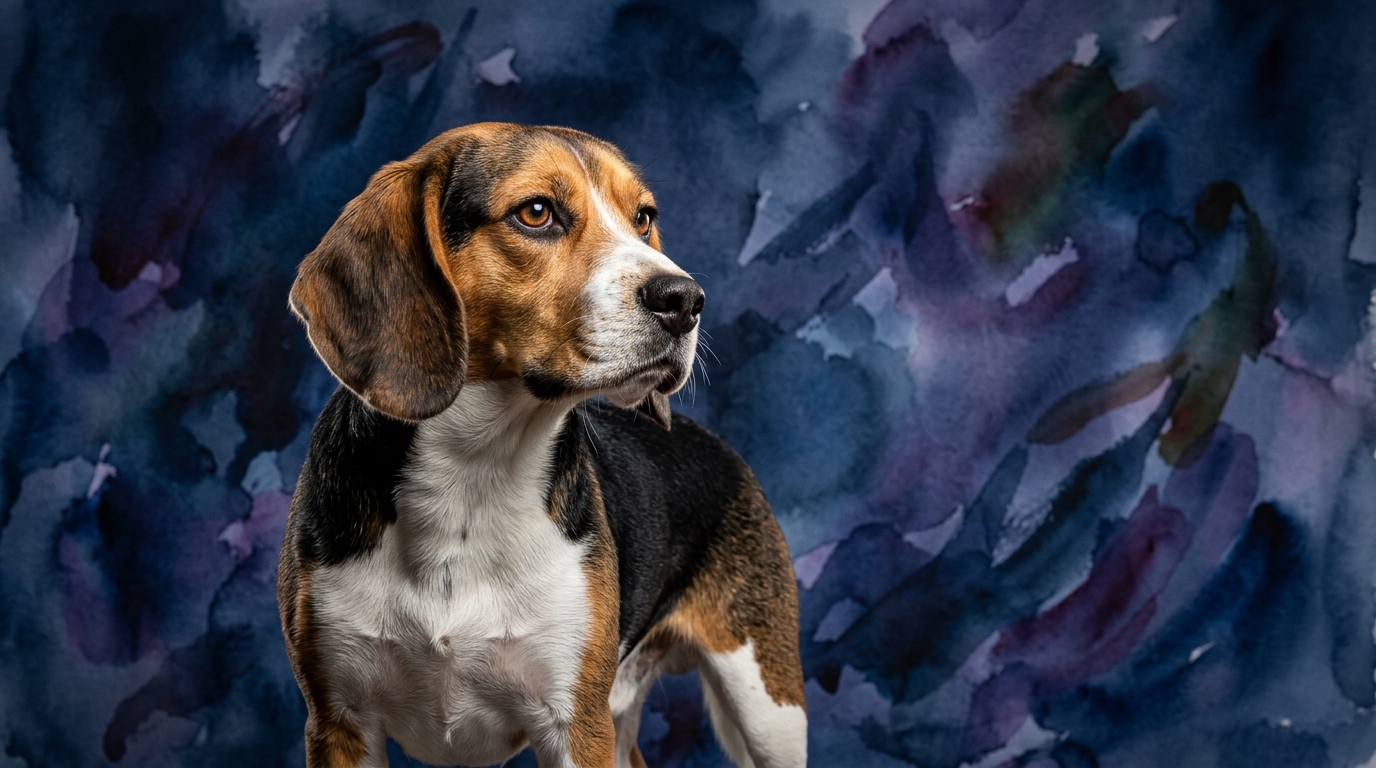
At The Cosmic Pet Pet IQ Lab, we delve into five key dimensions of canine cognition to provide a nuanced understanding of each breed. For the Beagle, we observe a unique blend of specialized skills. Their Problem Solving is rated 4/5, reflecting an exceptional ability to navigate complex scent-based puzzles and strategize to locate hidden olfactory targets. However, their Training Speed registers at 2/5, indicating that while capable of learning, their independent nature and powerful internal drives often require significant patience and consistent motivation from their human companions. Social Intelligence stands at 3/5; Beagles are generally amiable but their interactions can be heavily influenced by their primary instinct – following a captivating scent. The hallmark of the Beagle is their Instinctive Drive, a perfect 5/5, signifying an unparalleled focus and persistence in scent work, often to the exclusion of all other stimuli. Finally, their Memory is strong at 4/5, particularly for scent trails, locations of interesting smells, and routines tied to their primary drive.
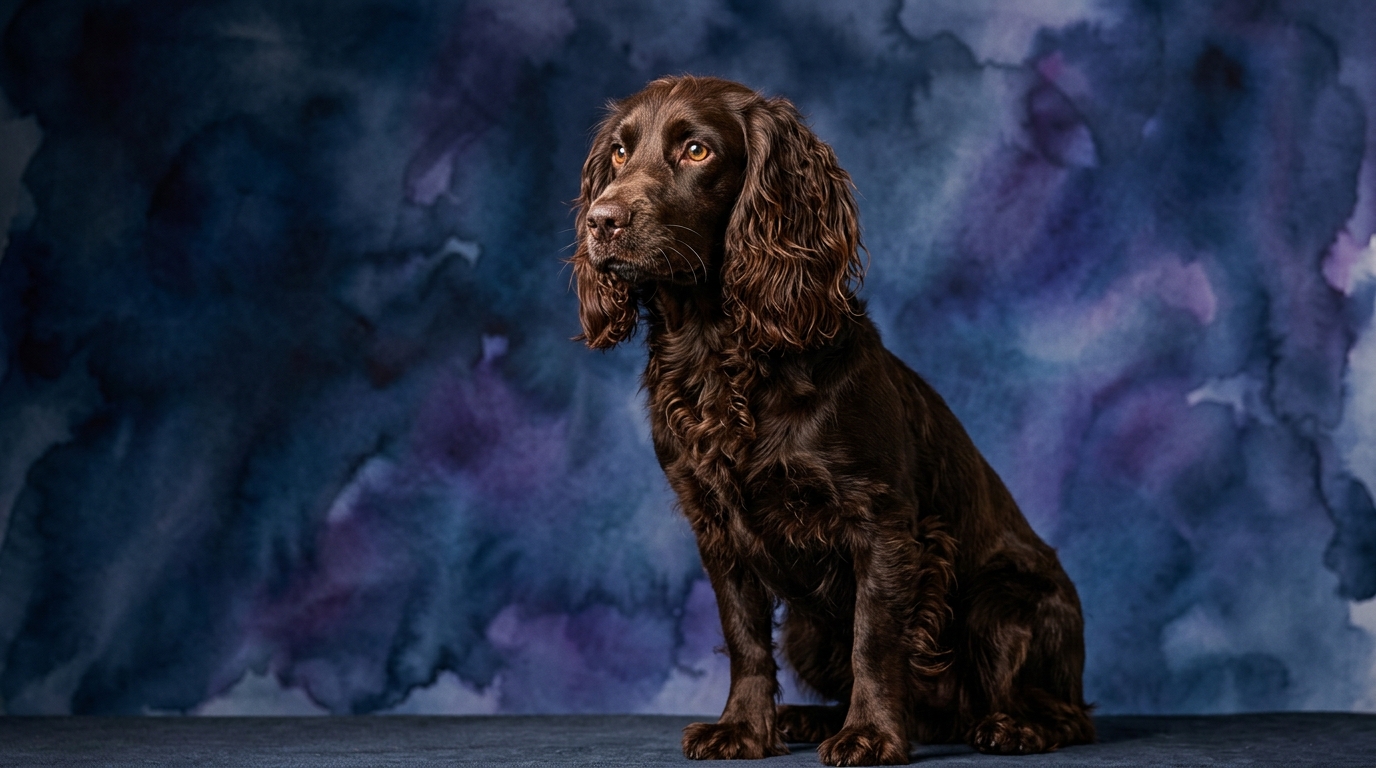
The Boykin Spaniel presents a more balanced, yet equally purposeful, cognitive profile. Their Problem Solving is rated 3/5, demonstrating an aptitude for figuring out practical tasks, especially those involving retrieving or navigating field environments, though perhaps without the Beagle's specialized, independent strategizing. Their Training Speed is a moderate 3/5, suggesting they are willing and capable learners who respond well to positive reinforcement and are generally eager to please their handlers. Social Intelligence also scores 3/5; Boykins are typically affectionate and integrate well into family structures, valuing companionship and exhibiting good behavior around children and other pets. Their Instinctive Drive, at 3/5, is focused on partnership and task completion, manifesting as a strong retrieve drive and a desire to work alongside their human partner, rather than a singular, independent pursuit. Their Memory is rated 3/5, meaning they possess a good recall for commands, established routines, and the locations of retrieved items, retaining information from training sessions effectively.
Where the Beagle's Mind Shines Brightest
The Beagle's cognitive strengths are deeply rooted in their ancestral role as scent hounds. Their 4/5 Problem Solving isn't about abstract reasoning, but an extraordinary capacity for olfactory deduction. They excel at deciphering complex scent tapestries, identifying the age and direction of a trail, and mentally mapping an environment through smell alone. This sophisticated form of spatial and contextual problem-solving allows them to persistently pursue a goal, demonstrating a unique form of canine ingenuity tailored to their specialized sensory world. It’s a relentless, focused intelligence that prioritizes the most minute olfactory details.
Furthermore, the Beagle's perfect 5/5 Instinctive Drive is not merely a strong urge, but a highly refined cognitive strength. This drive enables them to maintain an unwavering focus on a singular, critical task – tracking a scent – for extended periods, often under challenging conditions. This persistence showcases an incredible determination and an innate ability to filter out distractions that would overwhelm other breeds. It underscores their purpose-built cognitive architecture, where every mental faculty is geared towards the pursuit of a trail. This isn't just sniffing; it's an immersive, almost meditative, cognitive state.
Complementing this is their 4/5 Memory, which is particularly acute for scent-related information. Beagles remember specific scent profiles, differentiate between various odors with remarkable precision, and recall the layout of areas based on olfactory cues. This specialized memory allows them to retrace steps, pick up old trails, and efficiently navigate familiar environments by smell, far beyond what many other breeds are capable of. It’s a memory that serves their primary drive with exceptional fidelity, making them unparalleled in their field.
The Boykin Spaniel's Unique Cognitive Edge
While the Boykin Spaniel might not possess the extreme specialization of the Beagle in any single cognitive dimension, their unique strength lies in a more balanced and adaptable intelligence that fosters partnership and versatility. Their 3/5 Training Speed, which is higher than the Beagle's 2/5, signals a greater amenability to diverse training tasks and a more direct responsiveness to human direction. This makes them generally more cooperative learners across a wider range of activities, from basic obedience to advanced field work.
The Boykin's Instinctive Drive, rated 3/5, is robust enough to excel in their intended working purpose – flushing and retrieving game – but it is not so overwhelming that it dominates their personality or makes them singularly focused. This balanced drive allows them to remain engaged with their human partners, readily shifting their attention from a task to a command. This cognitive balance enables them to be more versatile companions, capable of adapting to various family activities and learning a broader spectrum of skills without their natural instincts constantly overriding human directives. Their cognitive profile is geared towards collaboration and shared endeavors.
This balanced cognitive makeup means a Boykin Spaniel is often more present and engaged in human-directed activities. They are less likely to become 'lost in their own world' of scent or pursuit, and more inclined to integrate commands and social cues into their daily interactions. This facilitates a smoother learning curve and a more reciprocal training environment, where the dog is actively seeking to understand and fulfill their handler's expectations, rather than being solely driven by an internal, singular objective.
Navigating the Training Path: Which Breed Learns Easier?
When it comes to ease of training, the Boykin Spaniel generally presents a more straightforward experience compared to the Beagle. The Boykin's 3/5 Training Speed, coupled with a moderate 3/5 Instinctive Drive, means they are typically more receptive to commands and exhibit a stronger desire to work alongside their human partner. Their drive, while present for retrieving, is balanced with an eagerness to please, which translates into a quicker assimilation of obedience cues and a more consistent response in varied environments. They are often more focused on the handler during training sessions, making the process feel more collaborative.
The Beagle's training path, however, requires a significantly different approach and a higher degree of dedication. Their 2/5 Training Speed indicates that while they are capable of learning, the process is often slower and demands immense patience. The primary challenge stems from their overwhelming 5/5 Instinctive Drive. A Beagle's nose is their world, and the urge to follow a compelling scent often overrides any command, regardless of how well-trained they might appear in a distraction-free environment. This means training requires consistent, high-value reinforcement and clever techniques that integrate, rather than fight, their natural drives. For instance, teaching a reliable recall to a Beagle often means competing with the thrill of an irresistible scent trail, a lifelong endeavor where success is measured by persistence and understanding of their motivations. A Boykin, by contrast, typically exhibits a stronger inherent desire to return to their handler, making recall training, while still essential, generally less of a battle against primal instinct.
Matching Minds to Lifestyles: Active vs. Relaxed Owners
For truly active owners, both breeds can be excellent choices, though they fulfill different niches. The Beagle, with its profound 5/5 Instinctive Drive and 4/5 Problem Solving, thrives with owners who are prepared to channel their powerful scenting abilities. This means daily, dedicated scent work, long walks where sniffing is not just allowed but encouraged, and potentially participation in dog sports like K9 Nose Work, tracking, or even field trials where their natural talents can truly shine. Their energy level, combined with their cognitive need for olfactory challenges, requires mental stimulation that directly caters to their unique sensory world. An active owner for a Beagle is one who embraces the hound nature, understanding that a bored Beagle is a destructive or escape-prone Beagle.
The Boykin Spaniel also suits active owners, particularly those interested in field work, hunting, or water sports. Their moderate energy and retrieve drive make them excellent companions for hiking, swimming, and agility. They enjoy being an integral part of family activities and appreciate structured exercise that engages both their body and mind, especially tasks that involve retrieving or working in partnership with their human. They are versatile athletes who enjoy a varied routine and thrive on shared outdoor adventures, making them ideal for families who enjoy an active lifestyle together.
Neither breed is truly suited for a 'relaxed' owner in the sense of minimal engagement; both are working breeds requiring consistent mental and physical outlets. However, if 'relaxed' implies a less intensely specialized and more generally companion-focused lifestyle, the Boykin Spaniel might be a relatively better fit. While still requiring ample exercise and mental engagement, their more balanced drive and higher trainability mean their needs can often be met through varied daily activities and less specialized training. This makes them a more adaptable companion for families who enjoy general outdoor activities and regular interaction but aren't necessarily dedicated to intense dog sports or specific hunting disciplines. A Beagle, conversely, for an owner who cannot meet their profound scenting needs, will likely become frustrated, potentially exhibiting behaviors like excessive barking, digging, or escaping, as their potent drives demand an outlet.
The Verdict: When to Choose Each
The Verdict
Choose a Beagle if you are captivated by the world of scent, prepared for the dedication required to train a highly independent hound, and eager to provide consistent, engaging outlets for their powerful olfactory drive.
Opt for a Boykin Spaniel if you seek a cooperative, versatile gundog companion for an active family life, who enjoys a strong retrieve drive and thrives on partnership and shared activities, without the intense, singular focus of a pure scent hound.
🧠 Find Your Pet's IQ Score
Our Pet IQ Lab assessment covers 25+ tests across 5 cognitive dimensions — personalized to your breed.
Take the Full IQ Test →Frequently Asked Questions
Are Beagles difficult to train because of their low training speed?
Beagles aren't 'difficult' in the sense of being incapable learners, but their 2/5 training speed and 5/5 instinctive drive mean they require immense patience and creative, consistent motivation. Their powerful nose often takes precedence over human commands, so training success hinges on understanding their motivations and making training more rewarding than following a scent.
How does the Boykin Spaniel's moderate instinctive drive compare to other sporting dogs?
The Boykin's 3/5 instinctive drive is well-suited for its role as a flushing and retrieving gundog, meaning they possess a natural inclination for these tasks without being overly obsessive. This drive is typically balanced with a desire to cooperate, making them generally easier to manage in domestic settings compared to breeds with more extreme, specialized drives.
Can a Beagle and a Boykin Spaniel live together harmoniously?
Yes, with proper introductions and socialization, a Beagle and a Boykin Spaniel can certainly coexist. Both breeds are generally social, with a 3/5 social intelligence, though their play styles and individual interests might differ. The key is ensuring both dogs' individual needs for exercise and mental stimulation are met to prevent frustration and foster a positive relationship.