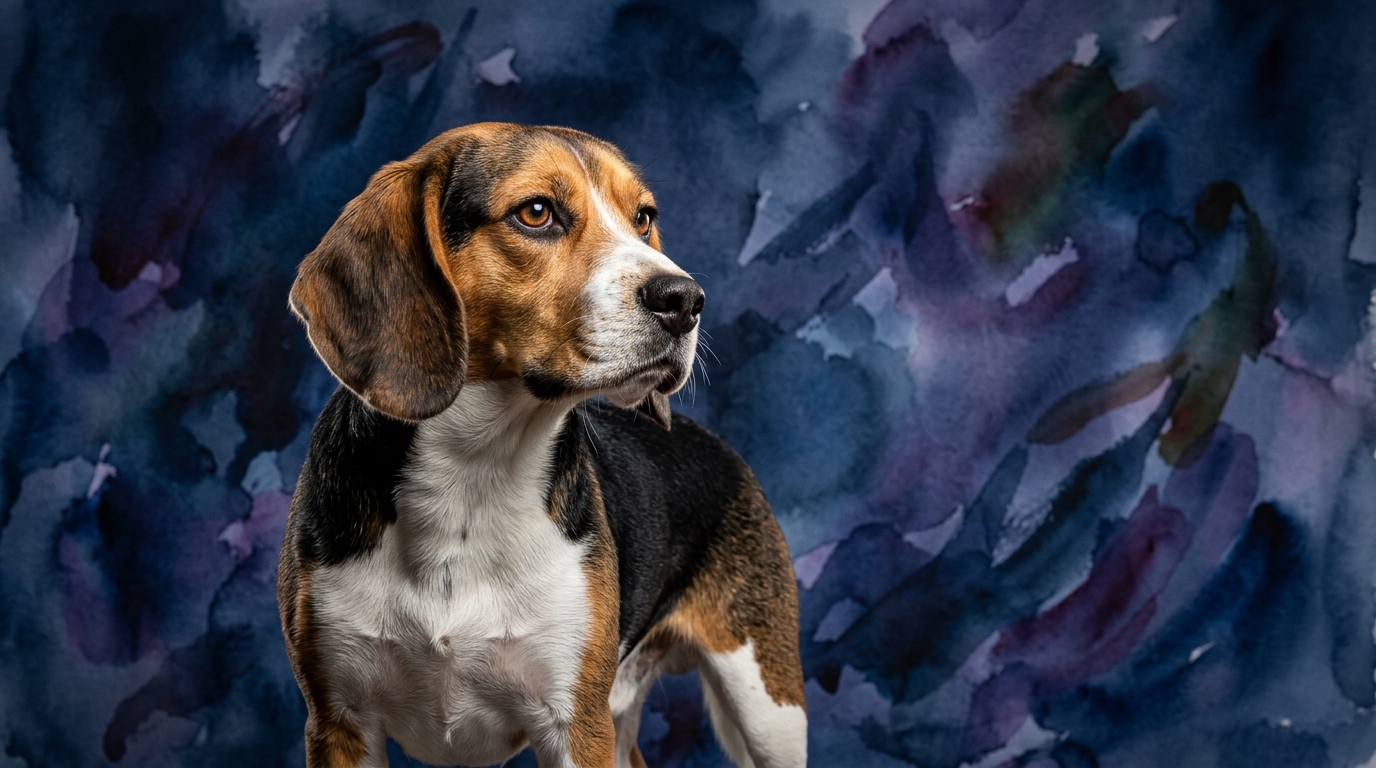
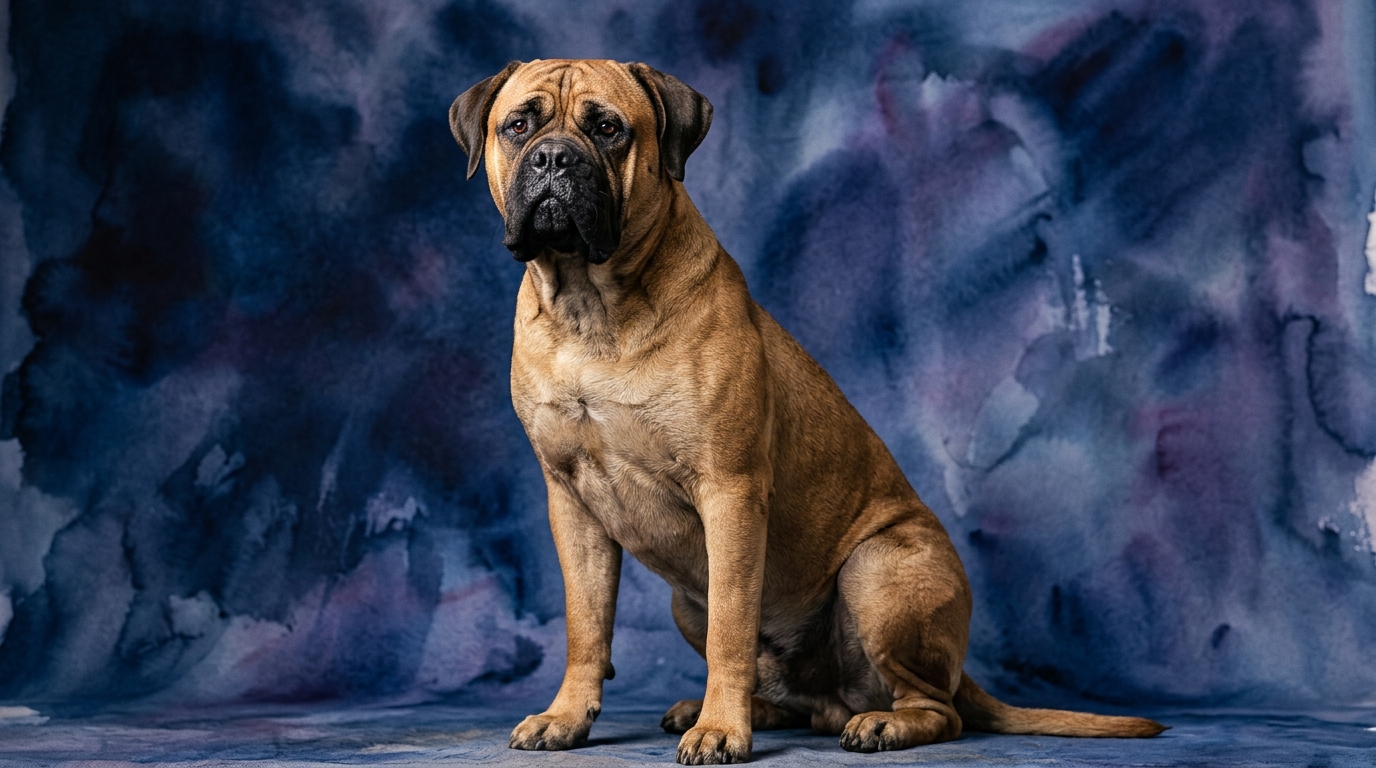
Side-by-Side IQ Profile: Beagle vs. Bullmastiff
**Beagle (Hound, Coren rank #72)**: Problem Solving (4/5) – Beagles excel at intricate scent-tracking puzzles, demonstrating tenacious ability to follow complex olfactory trails to their conclusion. This reflects their dedication to deciphering environmental cues related to their primary drive. Training Speed (2/5) – Learning new commands can be a deliberate process. Their strong independent streak and propensity to follow their nose often mean conventional obedience requires more repetition and patience. Social Intelligence (3/5) – Beagles generally navigate social situations well within their pack or family, displaying an understanding of hierarchy. However, their focus can shift quickly to external stimuli. Instinctive Drive (5/5) – This is a Beagle's defining cognitive trait. Their overwhelming drive to hunt by scent is a powerful, intrinsic motivation shaping much of their behavior. Memory (4/5) – A Beagle's memory is robust for spatial information and scent profiles, allowing recall of specific odor locations or navigation of complex territories.
**Bullmastiff (Working, Coren rank #69)**: Problem Solving (3/5) – Bullmastiffs possess practical problem-solving abilities, often focused on tasks relevant to protection or navigating their home. They approach challenges with deliberate, watchful consideration rather than impulsive action. Training Speed (3/5) – Bullmastiffs learn at a steady pace, grasping commands with consistent positive reinforcement. Their desire to please their family often makes them receptive to structured learning. Social Intelligence (3/5) – These dogs are attuned to their family's emotions and social dynamics, exhibiting calm observation. They typically form strong bonds and display subtle awareness of their household role. Instinctive Drive (3/5) – The Bullmastiff's instinctive drive is primarily guardianship and companionship, manifesting as a protective yet gentle nature with moderate intensity. Memory (3/5) – Bullmastiffs maintain reliable memory for routines, people, and boundaries, recalling training cues and family members consistently.
Where the Beagle Wins Cognitively
The Beagle's cognitive strengths are rooted in their ancestral purpose. Their Problem Solving score of 4/5, combined with an Instinctive Drive of 5/5, means they possess an unparalleled ability to unravel complex scent trails. This involves processing a myriad of olfactory data, differentiating between old and new scents, and following a specific target through cluttered environments. Their Memory at 4/5 further supports this, allowing recall of intriguing smells or intricate paths traversed during a hunt. A Beagle navigating a dense thicket, remembering where a specific scent faded, showcases a cognitive processing level tailored for detailed environmental analysis. This deep, sensory-driven understanding of their world is where the Beagle's intellect truly shines, demonstrating persistent, focused determination when presented with a scent challenge.
Where the Bullmastiff Wins Cognitively
The Bullmastiff, with a Coren rank of #69, suggests a different kind of cognitive advantage over the Beagle (#72). Their Training Speed of 3/5, compared to the Beagle's 2/5, indicates a more direct and less distracted learning process for conventional obedience. While not flashy, their steady learning pace and moderate Instinctive Drive (3/5) mean they are often more amenable to structured commands without being constantly pulled away by overwhelming sensory input. Their Problem Solving at 3/5 is practical, centered around their environment and family dynamics, such as understanding household routines or assessing new visitors. This breed's intellect is less about intricate sensory deciphering and more about composed observation and measured response, crucial for a guardian breed. The Bullmastiff's strength lies in its ability to process information calmly and apply learned behaviors consistently within a family structure.
Which is Easier to Train and Why
When it comes to ease of training, the Bullmastiff generally presents a more straightforward path. Their Training Speed is 3/5, indicating respectable ability to learn and retain commands with consistent effort. Crucially, their Instinctive Drive is 3/5, meaning they are less likely to be overwhelmingly distracted by environmental stimuli. A Bullmastiff's desire to please its family and inherent protective nature often translates into a willingness to engage in training sessions, responding well to clear, calm instruction and thriving on routine. In contrast, the Beagle's Training Speed is 2/5, and their Instinctive Drive is a powerful 5/5. While Beagles are capable of learning, their primary motivation is often their nose, not human commands. A Beagle might know "come" but will prioritize an intriguing scent trail over immediate obedience, making recall particularly challenging. Training a Beagle requires immense patience, creativity, and a deep understanding of their scent-hound nature, often involving strategies to make training more rewarding than environmental distractions. Therefore, for most owners seeking reliable command-following, the Bullmastiff typically offers a less demanding training experience.
Which Suits Active Owners vs. Relaxed Owners
The choice between a Beagle and a Bullmastiff hinges significantly on an owner's lifestyle. Beagles, with their potent Instinctive Drive (5/5) and Problem Solving (4/5) often applied to scent work, are undeniably suited for active owners. These dogs require substantial mental and physical stimulation to prevent boredom. Daily long walks, scent games, puzzle toys, and opportunities for safe, supervised off-leash exploration engaging their powerful nose are fundamental to a Beagle's well-being. An owner enjoying hiking or dog sports, with ample time and energy for consistent engagement, would find a Beagle a rewarding, albeit demanding, companion. Conversely, the Bullmastiff, with its moderate Instinctive Drive (3/5) and composed demeanor, tends to be a better fit for more relaxed owners. While they still require regular, moderate exercise—a daily walk or yard playtime is essential—they are not typically high-octane dogs. Bullmastiffs are content to lounge with their family after exercise, appreciating a quiet presence. Their social intelligence (3/5) and moderate drive make them excellent family companions who value calm interaction and a predictable routine, suiting owners desiring loyal companionship without constant vigorous activity.
The Verdict
For owners who embrace a highly active lifestyle and are prepared to channel a powerful scent drive into engaging activities, the Beagle offers unparalleled enthusiasm and a unique cognitive partnership.
For those seeking a loyal, protective companion with a more composed energy level and a generally more straightforward training path, the Bullmastiff provides steady companionship and a watchful presence.
🧠 Find Your Pet's IQ Score
Our Pet IQ Lab assessment covers 25+ tests across 5 cognitive dimensions — personalized to your breed.
Take the Full IQ Test →Frequently Asked Questions
Is a Beagle a good choice for first-time dog owners?
A Beagle can be challenging for first-time owners due to their strong scent drive and independent nature, which often require extensive training and management to ensure reliable obedience. Their need for consistent mental and physical stimulation is also a significant commitment.
Do Bullmastiffs require a lot of exercise?
Bullmastiffs require moderate daily exercise, typically a good walk or some playtime, to maintain their health and prevent boredom. They are not high-energy dogs, but regular activity is crucial for their well-being.
Which breed is better with children?
Both breeds can be good with children when properly socialized and trained, but their approaches differ. Beagles are generally playful and robust, while Bullmastiffs are often gentle giants, watchful and patient with their family's children, though supervision is always advised due to their size.