Side-by-Side IQ Profile: Beagle vs Cardigan Welsh Corgi
The Cosmic Pet Pet IQ Lab utilizes five key dimensions to evaluate canine intelligence, offering a detailed look at how Beagles and Cardigan Welsh Corgis stack up. These metrics, alongside their Coren rankings, paint a picture of their inherent cognitive strengths and predispositions.
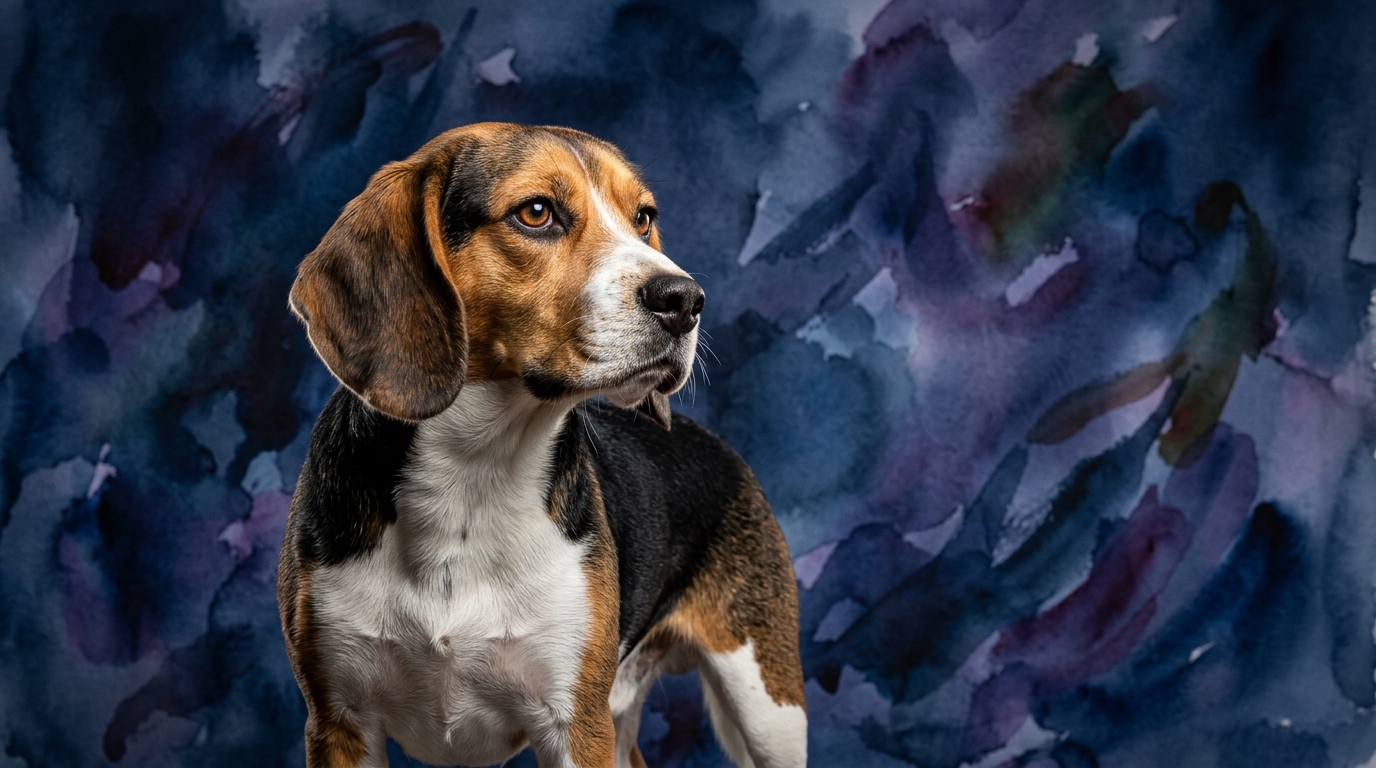
The Beagle, a member of the Hound group, is ranked #72 by Coren, placing them in the 'fair working/obedience intelligence' category. This suggests they typically require 40-80 repetitions to grasp new commands and respond reliably to the first command about 30% of the time or less, a direct consequence of their strong independent drive. Their individual cognitive dimensions are:
Problem Solving (4/5): Their problem-solving is deeply tied to their olfactory world, often involving complex route-finding to track an elusive scent through varied terrain, rather than abstract conceptual challenges. They excel at deciphering invisible trails, demonstrating a persistent, methodical approach to sensory puzzles. Training Speed (2/5): This score reflects their independent nature and powerful instinct. While capable of learning, Beagles frequently prioritize a compelling scent over a handler's command, making rapid acquisition of obedience cues a patient endeavor. Their learning speed is influenced by their primary drive to explore their olfactory environment. Social Intelligence (3/5): Beagles are generally affable and enjoy companionship, displaying an understanding of pack dynamics within their family unit. However, their attention can quickly shift from social interaction to an intriguing odor, indicating that while socially aware, their nose often dictates their immediate focus. Instinctive Drive (5/5): This is the Beagle's defining cognitive characteristic. Their world is profoundly shaped by scents, driving their exploration, curiosity, and often their decision-making. This powerful, innate drive to track and follow odors is a constant and central aspect of their cognitive being. Memory (4/5): Beagles possess an excellent memory, particularly for scent trails, locations of past discoveries, and the intricate 'maps' of their environment as perceived through their nose. They can recall complex scent patterns and the experiences associated with them over time.
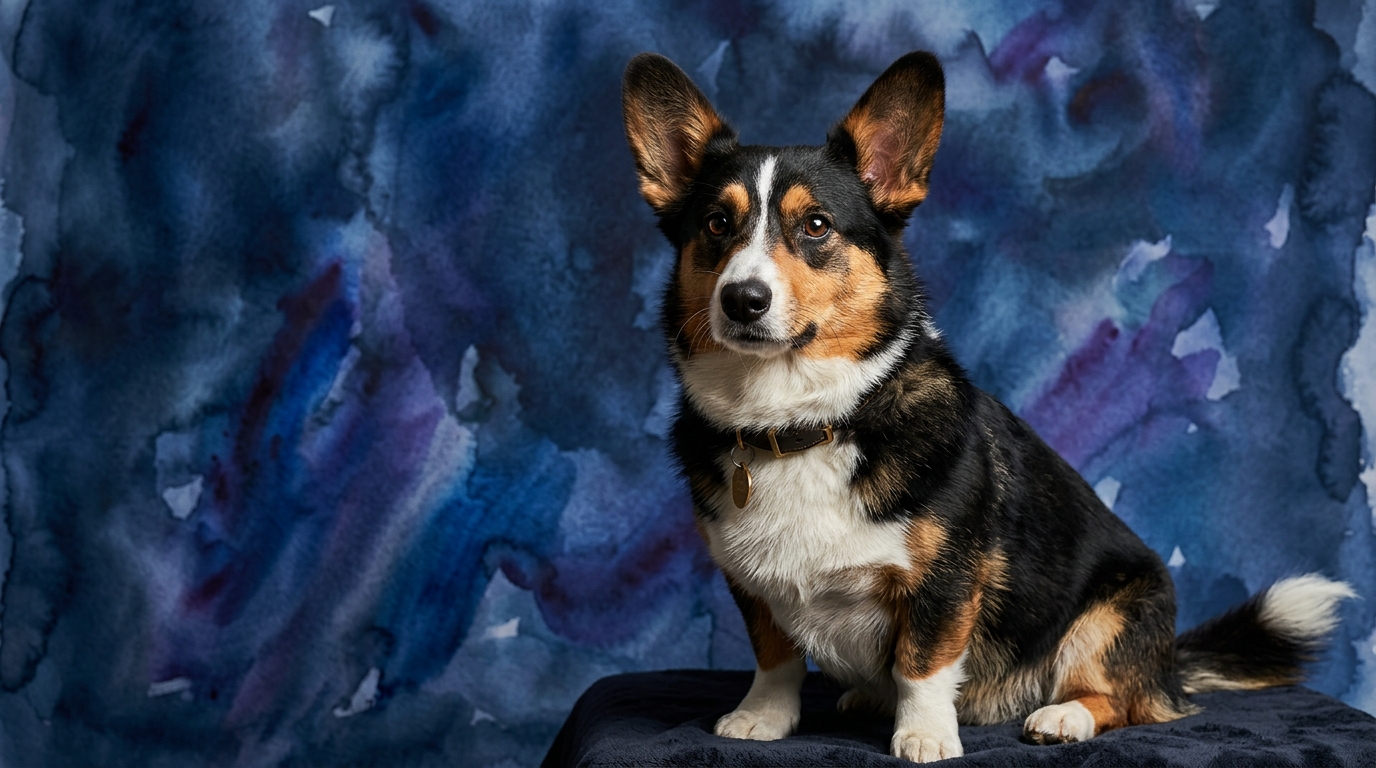
The Cardigan Welsh Corgi, from the Herding group, holds a significantly higher Coren rank at #26, placing them in the 'excellent working dog' category. This ranking highlights their responsiveness and aptitude for guided learning, as they typically understand new commands in 15-25 repetitions and obey on the first command 85% of the time or better. Their specific cognitive dimensions include:
Problem Solving (4/5): Corgis exhibit strategic problem-solving, often seen in their ability to maneuver groups or objects, a vestige of their herding heritage. They assess situations, devise plans to achieve objectives, and adapt their approach, demonstrating a more observational and tactical intelligence in their environment. Training Speed (4/5): Reflecting their herding background, Corgis are typically responsive and eager to engage in collaborative tasks. They grasp new commands efficiently and enjoy the mental engagement of learning, making them quick studies in obedience and other structured training. Social Intelligence (3/5): Cardigans are attentive to their human families, understanding household routines and social cues within their trusted circle. They can be discerning with strangers, often observing before engaging, but are deeply devoted and communicative with their chosen companions. Instinctive Drive (3/5): While present, the Corgi's herding instinct is moderate compared to a Beagle's scent drive. This manifests as an inclination to 'gather' or 'manage' family members or pets, but it's generally controllable and can be channeled into appropriate activities without overwhelming their other cognitive functions. Memory (4/5): Corgis have a strong memory for commands, learned routines, and the spatial layout of their environment. This cognitive trait supports their ability to perform complex sequences and recall specific training cues with precision over time.
Where the Beagle Wins Cognitively
The Beagle's singular cognitive triumph lies in its olfactory prowess and the profound memory associated with it. Their instinctive drive (5/5) for scent work is unparalleled, leading to problem-solving (4/5) that can unravel complex scent puzzles over vast distances. While a Corgi might strategize a path, a Beagle will meticulously follow an invisible, ancient trail, demonstrating a form of persistent, dedicated cognitive engagement that few breeds can match. This translates to an exceptional ability to discriminate odors and retain an intricate map of scent memories, making them champions in tasks requiring pure olfaction and sustained focus on a sensory input.
Where the Cardigan Welsh Corgi Wins Cognitively
The Cardigan Welsh Corgi's cognitive strengths shine in areas demanding responsiveness, strategic adaptation, and collaborative work. Their superior training speed (4/5) compared to the Beagle's 2/5 indicates a quicker grasp of new commands and a greater desire to comply, making them more adept at structured learning and complex sequences. Their problem-solving (4/5) is less about following a pre-existing trail and more about actively assessing and manipulating their environment or subjects, a remnant of their herding heritage. This leads to a more flexible and directive intelligence, excellent for tasks requiring rapid decision-making and precise execution under guidance.
Which is Easier to Train and Why
The Cardigan Welsh Corgi is demonstrably easier to train due to its higher training speed (4/5) and a more moderate instinctive drive (3/5). Corgis possess a strong desire to work alongside their human companions, a trait honed by centuries of herding where cooperation with a handler was paramount. They respond well to positive reinforcement and are generally eager to please, making them quick learners for obedience, agility, or other structured activities. Their cognitive makeup favors understanding and executing human directives.
In contrast, the Beagle's exceptionally high instinctive drive (5/5) for scent work often overrides its focus on human commands, resulting in a lower training speed (2/5). A Beagle engrossed in a compelling scent trail is notoriously difficult to recall or redirect, as its ancient hound instincts take precedence over learned behaviors. This doesn't mean Beagles can't be trained, but it requires far more patience, consistency, and a deeper understanding of their powerful olfactory world to capture and maintain their attention, as their natural instincts are a constant, powerful distraction from structured learning.
Cognitive Profiles: Active vs. Relaxed Owners
For owners seeking a more active, engaged companion who thrives on mental challenges and structured activities, the Cardigan Welsh Corgi is often a better fit. Their moderate instinctive drive and excellent training speed mean they excel in dog sports like agility, obedience, and even herding trials, fulfilling their need for purpose and physical activity. They benefit from consistent training and interactive play that stimulates their strategic minds and channels their herding tendencies into constructive outlets. A Corgi's satisfaction often comes from working with their human, making them excellent partners for a variety of active pursuits.
Conversely, the Beagle, with its supreme instinctive drive for scent work, suits owners who appreciate a dog driven by its nose and are prepared to accommodate this powerful urge. While not necessarily 'relaxed' in their pursuit of a scent, their activity is often self-directed exploration rather than human-directed tasks. Owners who enjoy long, sniff-filled walks, scent games, or even tracking sports will find a Beagle fulfilling, but those looking for a consistently compliant jogging partner might find their independent nose a challenge. A Beagle's mental stimulation comes from deciphering the world through scent, which can be less structured and more self-guided than a Corgi's need for directed tasks.
The Verdict
Opt for a Beagle if you are fascinated by the world of scent, enjoy long exploratory walks, and possess the patience to work with a dog whose primary motivation is its nose.
Select a Cardigan Welsh Corgi if you desire a highly trainable, strategically minded companion eager to engage in structured activities and collaborative learning.
🧠 Find Your Pet's IQ Score
Our Pet IQ Lab assessment covers 25+ tests across 5 cognitive dimensions — personalized to your breed.
Take the Full IQ Test →Frequently Asked Questions
Does a Beagle's low training speed mean it cannot learn?
Not at all; a Beagle can learn a great deal, but its learning process is often slower and more challenging due to its overwhelming instinct to follow scents. Training requires immense patience, consistency, and high-value rewards to compete with their natural drive, making the journey more about understanding their unique motivations.
How does the 'social intelligence' score of 3/5 manifest in both breeds?
For Beagles, a 3/5 means they are generally friendly and can interact well, but their focus can quickly be diverted by a scent, making social cues secondary to olfactory exploration. For Corgis, it indicates they are observant and loyal to their inner circle, understanding family dynamics, but might be more reserved or watchful with strangers, prioritizing their established social structures.
Can a Cardigan Welsh Corgi engage in scent work despite a lower instinctive drive?
Yes, Corgis can certainly enjoy scent games and basic nose work, as all dogs possess some olfactory capabilities that can be stimulated. However, their drive for this activity is not as intense or all-consuming as a Beagle's, and they typically won't display the same level of persistence or natural aptitude in complex tracking scenarios, as their primary instincts lie elsewhere.