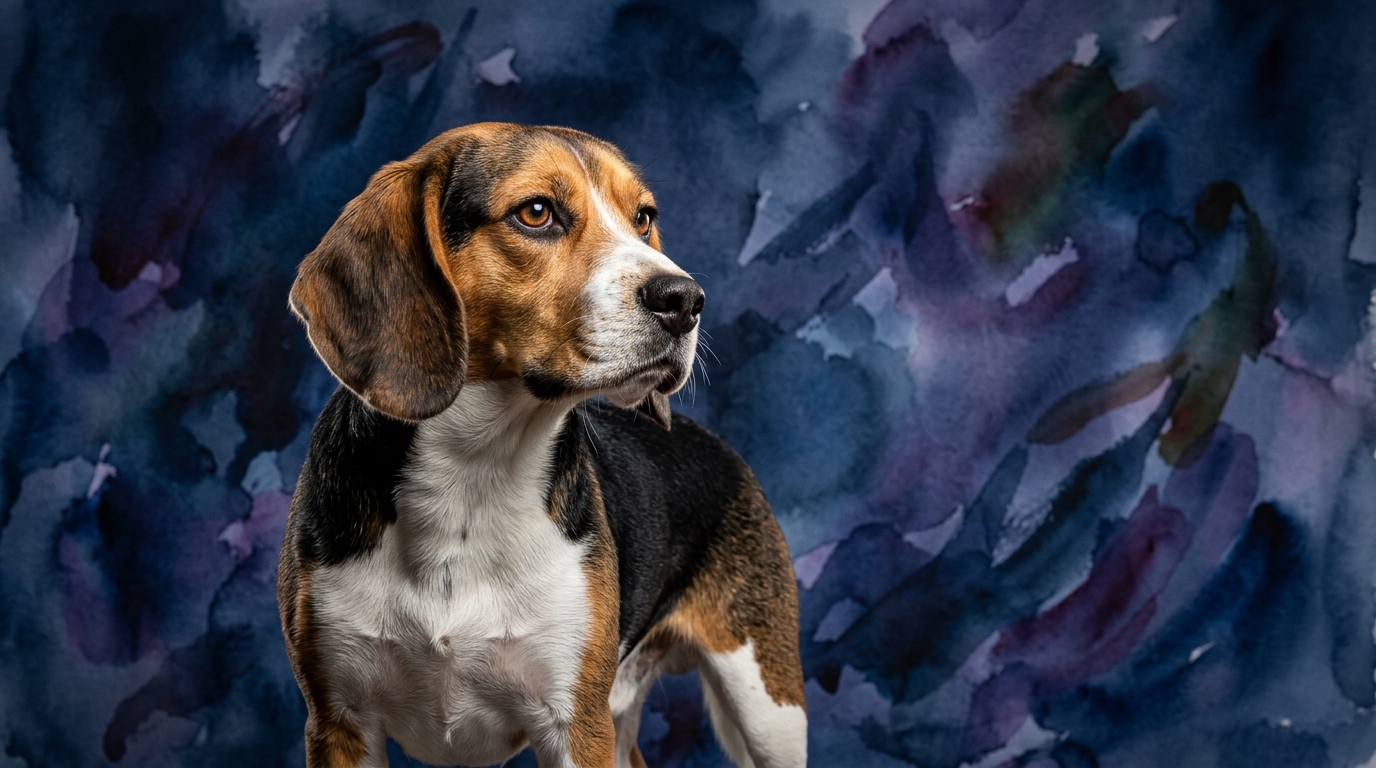
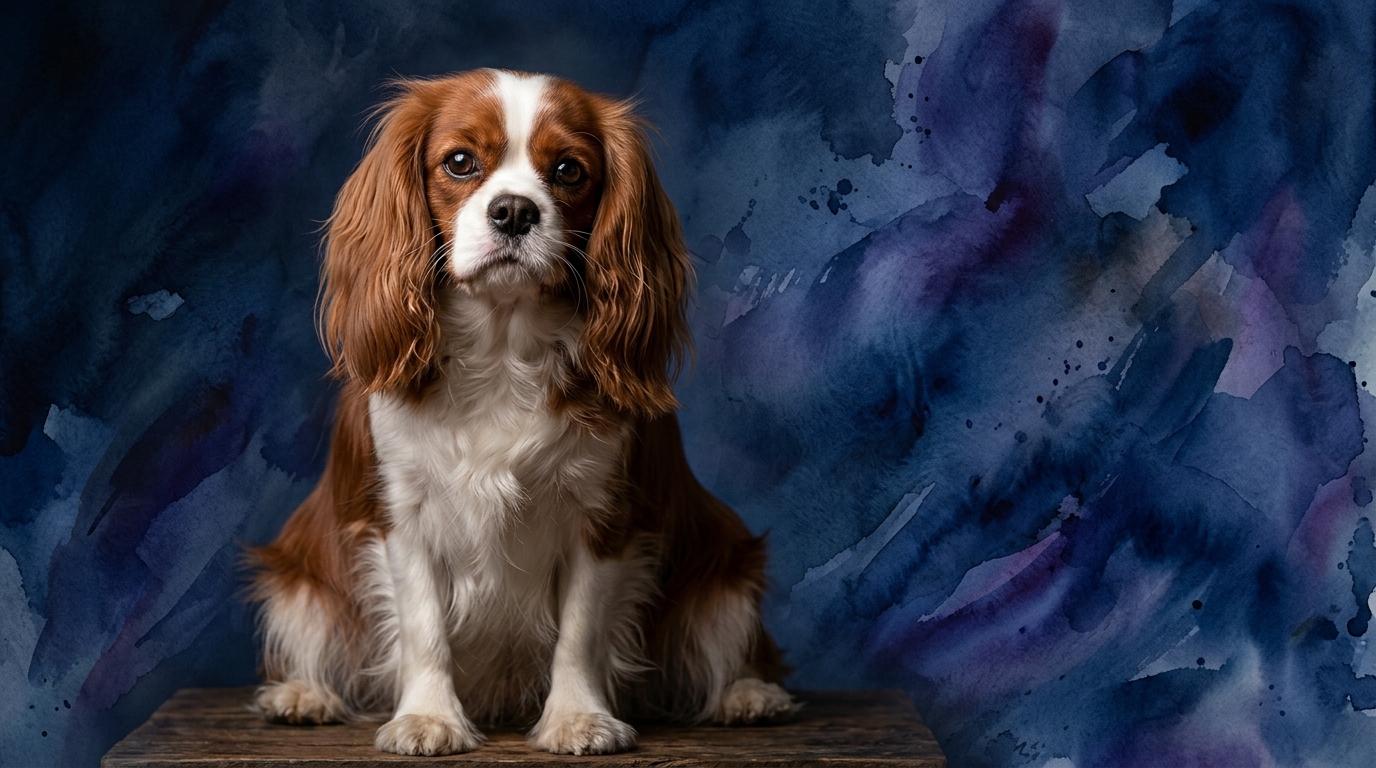
Side-by-Side Cognitive Profile
To truly understand the mental makeup of the Beagle and the Cavalier, we must examine their intelligence across five key dimensions, each telling a story of their evolutionary path and intended roles.
**Problem Solving:** This metric assesses a dog's capacity to navigate novel situations and devise solutions independently, often without direct human instruction. The Beagle, scoring 4/5, reflects its heritage as an independent hunter, capable of tracking complex scent trails and overcoming obstacles in pursuit of quarry. Their resourcefulness shines when deciphering environmental cues to achieve a goal, such as finding a hidden treat or following a scent despite distractions. Cavaliers, with a score of 3/5, while adaptable, typically rely less on independent problem-solving in their daily lives, their strength lying more in cooperative tasks and understanding human cues, rather than autonomously solving complex environmental puzzles.
**Training Speed:** This dimension evaluates how quickly a dog grasps and consistently performs new commands or behaviors. Beagles, rated 2/5, often require more repetition and patience in training. Their overwhelming scent drive can make them appear distracted or "stubborn" when a compelling odor overrides their focus on human instruction, making consistency and high-value rewards paramount. Cavaliers, scoring 3/5, generally learn new commands at a moderate pace. Their eagerness to please and strong social bond with their owner can be leveraged in training, though their sensitivity means they respond best to gentle, positive reinforcement methods.
**Social Intelligence:** This measures a dog's ability to understand and respond to social cues, both from humans and other animals, and to integrate smoothly into a social structure. As pack animals, Beagles (3/5) are typically good with other dogs and can integrate well into a family unit. However, their social intelligence is more focused on group dynamics and less on the subtle nuances of individual human emotional states compared to a dedicated companion breed. Cavaliers, with a perfect 5/5, excel in social intelligence. They are acutely attuned to human emotions, body language, and vocal tones, often seeming to anticipate their owner's moods, a deep empathetic connection that makes them exceptional companions.
**Instinctive Drive:** This refers to the inherent, often unlearned, behaviors that are strong within a breed, typically linked to their original purpose. The Beagle's instinctive drive, rated 5/5, is overwhelmingly dominated by its olfactory capabilities; their powerful drive to follow a scent trail, often to the exclusion of all else, is a defining characteristic and a testament to their hound heritage. Cavaliers, scoring 3/5, possess a strong companion drive, seeking proximity and interaction with their human family. While they retain some spaniel flushing instincts, these are significantly less pronounced than the Beagle's scent drive, focusing more on gentle interaction than sustained independent work.
**Memory:** This dimension assesses a dog's ability to retain learned information, spatial layouts, and specific experiences over time. Beagles (4/5) demonstrate strong memory, particularly for scent trails, locations where interesting things were found, and routines related to their activities. Their ability to recall complex scent patterns is crucial for their original hunting role. Cavaliers (3/5) possess a functional memory for routines, familiar people, and positive and negative experiences. Their memory supports their role as a companion, allowing them to recall desired behaviors and form lasting bonds, though perhaps not with the same detail for complex environmental sequences as a hound.
Where the Beagle Wins Cognitively
The Beagle’s cognitive strengths are deeply rooted in its ancestral role as a scent hound, making it a champion in specific domains. Their problem-solving acumen, rated at 4/5, shines brightest when navigating intricate environments to locate a hidden object or follow a complex scent path. This isn't about solving abstract puzzles, but rather about persistent, independent deduction in a sensory-rich world, using their unparalleled olfactory information processing. Furthermore, their memory, scoring 4/5, is particularly robust for recalling specific scent profiles and the geography associated with past discoveries. This allows them to effectively 'map' their environment through smell, remembering where they encountered interesting odors or potential prey, a critical skill for a tireless tracker.
Where the Cavalier King Charles Spaniel Wins Cognitively
In contrast, the Cavalier King Charles Spaniel excels in the realm of social and emotional cognition. Their perfect 5/5 score in social intelligence underscores their profound capacity to interpret human emotions, subtle body language, and vocal inflections. This isn't just about recognizing a command; it's about understanding the nuances of a sigh, a smile, or a worried glance, allowing them to offer comfort or adjust their behavior accordingly. Their intellect is geared towards fostering deep, reciprocal bonds, making them exceptionally empathetic and intuitive companions. This keen social awareness also contributes to their adaptability within a family unit, as they quickly learn household dynamics and individual preferences.
Which is Easier to Train and Why
Evaluating training ease requires understanding each breed's core motivations and cognitive style. The Cavalier King Charles Spaniel, with a Training Speed of 3/5, generally presents a more straightforward training experience. Their high social intelligence and inherent desire to please their human companions make them highly receptive to positive reinforcement. They thrive on praise and gentle guidance, eager to perform behaviors that earn them approval. However, their sensitivity means harsh corrections are counterproductive, potentially leading to anxiety or shutdown. Their social nature also means they can be easily distracted if they perceive attention elsewhere, requiring engaging, consistent sessions.
The Beagle, scoring 2/5 in Training Speed, often proves more challenging. Their formidable instinctive drive (5/5) to follow scents frequently overrides their attention to human commands, especially in stimulating outdoor environments. This isn't necessarily 'stubbornness' but rather a powerful, innate redirection of focus. Training a Beagle demands immense patience, creativity, and the use of exceptionally high-value rewards to compete with the allure of a captivating odor. Consistency is paramount to help them generalize commands beyond a distraction-free setting, and owners must be prepared for their independent problem-solving skills to sometimes manifest as finding alternative ways to achieve their own goals, rather than strictly following instructions.
Active Owners vs. Relaxed Owners
The choice between a Beagle and a Cavalier King Charles Spaniel significantly hinges on an owner's lifestyle and activity level. Beagles are unequivocally suited for active owners. Their high instinctive drive and robust physical build demand substantial daily exercise, not just for physical health but also for mental stimulation. Owners who enjoy long walks, hiking, scent work games, or even canine sports like agility or tracking will find a Beagle thrives under their care. Without adequate outlets for their energy and powerful nose, Beagles can become restless and prone to undesirable behaviors.
Conversely, the Cavalier King Charles Spaniel is an ideal match for more relaxed owners. While they certainly enjoy daily walks and playful romps, their moderate exercise requirements mean they are perfectly content with indoor companionship and shorter outdoor excursions. Their highest need is for consistent human interaction and affection, making them perfect for individuals or families who desire a devoted, calm presence by their side, and who prioritize cuddles over intense outdoor adventures.
The Verdict
Choose a Beagle if you are an active individual or family who embraces outdoor adventures, enjoys engaging in scent work or dog sports, and is prepared for a dedicated, patient approach to training a highly driven companion.
Choose a Cavalier King Charles Spaniel if you seek a devoted, empathetic companion who thrives on consistent human interaction, prefers a more relaxed pace of life, and values a dog acutely attuned to your emotional landscape.
🧠 Find Your Pet's IQ Score
Our Pet IQ Lab assessment covers 25+ tests across 5 cognitive dimensions — personalized to your breed.
Take the Full IQ Test →Frequently Asked Questions
Are Beagles difficult to train due to their scent drive?
Beagles can be challenging to train because their powerful instinctive drive to follow scents often overrides their focus on human commands. Patience, consistency, and high-value rewards are crucial to successfully engage their attention and manage this innate behavior.
How does a Cavalier's social intelligence manifest in daily life?
A Cavalier's exceptional social intelligence means they are highly attuned to human emotions and body language, often seeming to anticipate their owner's moods. They use this ability to form deep, empathetic bonds, making them very responsive and comforting companions.
Which breed is better suited for a first-time dog owner?
For first-time owners seeking a more manageable training experience and a calmer companion, the Cavalier King Charles Spaniel is often a better fit due to their eagerness to please and moderate exercise needs. Beagles, with their high drive and independent nature, typically require more experienced handling.