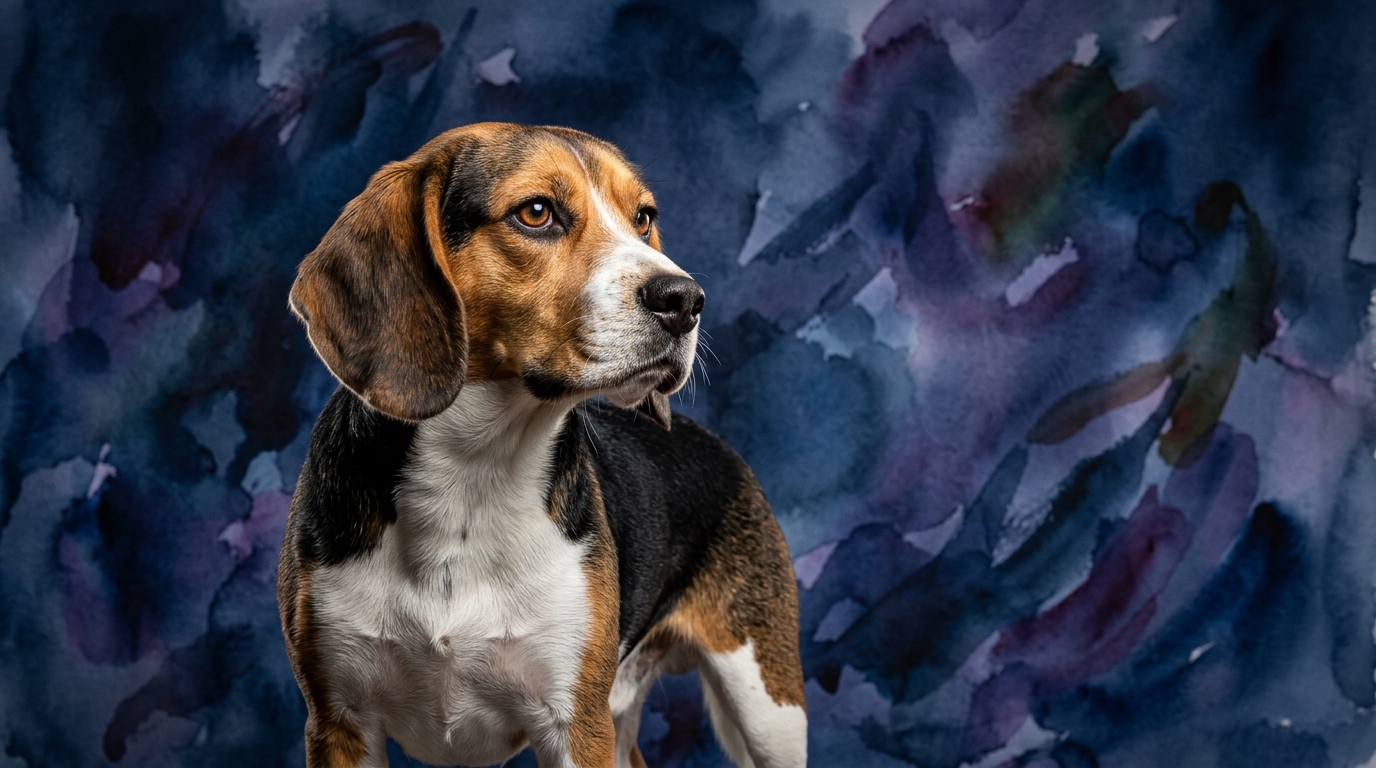
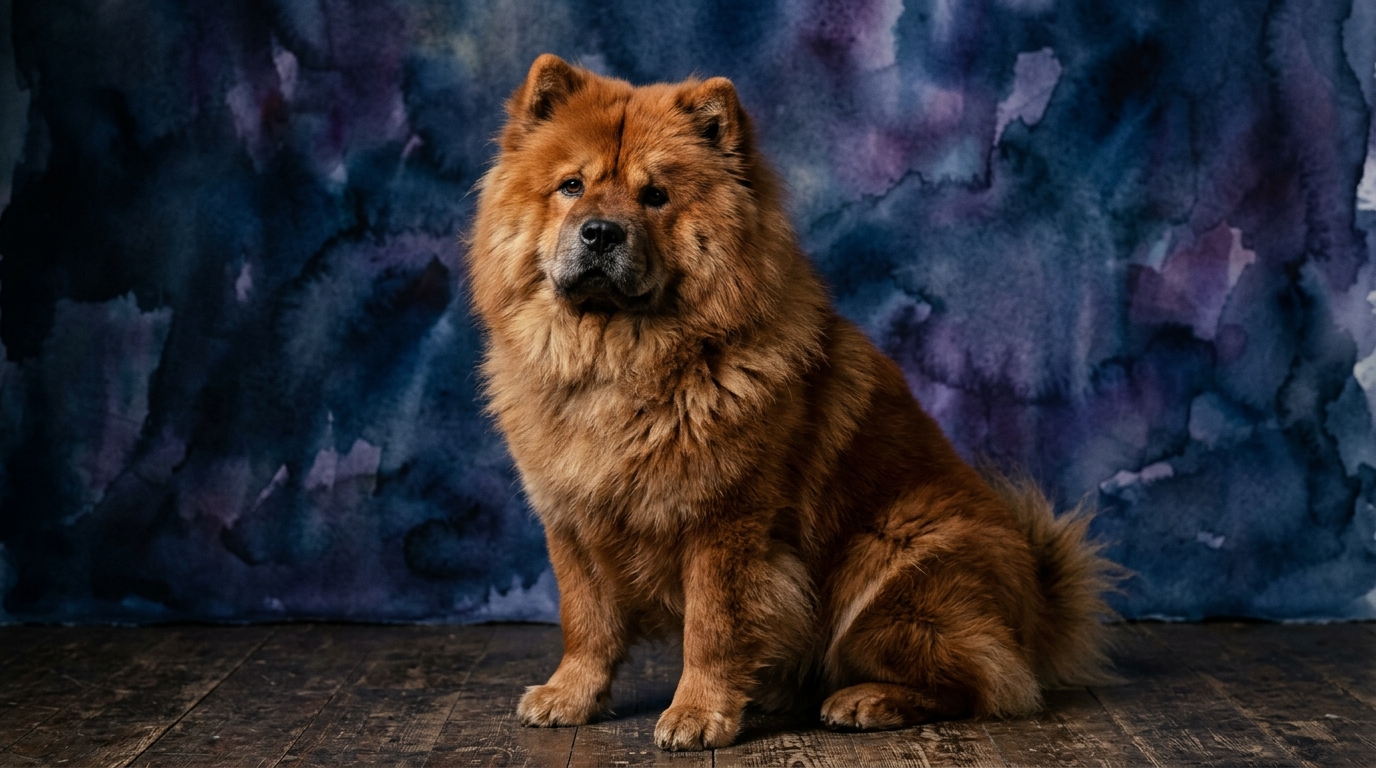
Side-by-Side Cognitive Profile: Beagle vs. Chow Chow
The Cosmic Pet Pet IQ Lab provides a nuanced look at canine cognition, breaking down intelligence into five key dimensions. For the Beagle, a Hound group member, we see a Problem Solving score of 4/5, indicating a strong capacity for independent thought and finding solutions, often driven by scent. Their Training Speed is rated 2/5, suggesting that while capable, they can be a challenge to motivate for rapid command acquisition. Social Intelligence stands at 3/5, demonstrating an ability to understand human cues but often tempered by their primary drives. A dominant trait is their Instinctive Drive, scoring a perfect 5/5, reflecting their powerful scenting ability and persistent focus on a trail. Finally, their Memory is solid at 4/5, essential for recalling scent patterns and past experiences.
In contrast, the Chow Chow, from the Non-Sporting group, presents a different cognitive landscape. Their Problem Solving ability is rated 3/5, indicating a reasonable capacity to navigate challenges, though perhaps with less independent initiative than a Beagle. Their Training Speed is 3/5, suggesting they can learn at a moderate pace, often requiring patience and positive reinforcement. Social Intelligence matches the Beagle at 3/5, implying they can interpret human interactions, but their independent nature often dictates their responses. The Chow Chow's Instinctive Drive is 3/5, a moderate score reflecting their less intense, more self-contained nature compared to a working hound. Their Memory is also rated 3/5, indicating a reliable ability to retain information and experiences over time.
Where the Beagle's Cognition Excels
The Beagle's cognitive strengths are deeply intertwined with its heritage as a scent hound. Their 4/5 score in Problem Solving highlights an aptitude for navigating complex environments and overcoming obstacles, particularly when a compelling scent is involved. This isn't just about following a trail; it's about strategizing how to get to the source, even if it means figuring out a gate latch or digging under a fence. This robust problem-solving skill, driven by an insatiable curiosity, means Beagles are constantly engaging with their environment in a mentally stimulating way.
Furthermore, the Beagle's Instinctive Drive, a perfect 5/5, is a profound cognitive asset in its specific domain. This isn't merely a physical urge; it represents an extraordinary level of focus and dedication to a task — tracking a scent — that can override nearly all other stimuli. This singular cognitive focus allows them to process vast amounts of olfactory information and maintain concentration over extended periods, a testament to their specialized sensory intelligence. Their 4/5 Memory also supports this, enabling them to recall specific scent profiles and locations, building a rich internal map of their world. These combined traits make the Beagle a relentless and effective investigator of their surroundings.
Where the Chow Chow's Cognitive Profile Shines
While the Chow Chow's cognitive scores might appear more moderate compared to the Beagle's specialized strengths, their profile offers distinct advantages, particularly in terms of independent thought and a balanced drive. Their 3/5 score in Training Speed, one point higher than the Beagle's, indicates a slightly more receptive learning pace when they are motivated, suggesting a capacity to grasp new commands with reasonable efficiency. This isn't about rote learning, but about processing information and associating actions with outcomes at a steady rate.
Perhaps the most defining aspect of the Chow Chow's cognition is how its moderate Instinctive Drive (3/5) contributes to a more self-contained and less demanding mental state. Unlike the Beagle, whose mind is constantly seeking and processing external stimuli related to scent, the Chow Chow’s cognitive energy is less externally focused. This translates into a dog that is often more content with its own company and less prone to intense, singular pursuits that require constant human management. Their Problem Solving (3/5) and Memory (3/5) scores, while not as high as the Beagle's, are perfectly adequate for navigating daily life with a degree of thoughtful independence, allowing them to make decisions and remember routines without constant prompting. Their cognitive strength lies in a balanced, often stoic, self-reliance.
Training Dynamics: Which Breed is Easier and Why?
When it comes to ease of training, the data suggests a nuanced picture, with the Chow Chow holding a slight edge in raw Training Speed (3/5 vs. Beagle's 2/5), but behavioral differences are paramount. The Beagle's primary challenge in training stems directly from its exceptional 5/5 Instinctive Drive. This powerful, innate urge to follow a scent can make traditional obedience training a constant battle against their natural inclinations. A Beagle's mind is often singularly focused on the world of smells, making it incredibly difficult to capture and retain their attention on human commands, especially in distracting environments. They are capable of learning, as their Problem Solving and Memory scores suggest, but their motivation structure is profoundly different from breeds eager to please, requiring immense patience, high-value rewards, and creative methods to redirect their powerful olfactory focus.
The Chow Chow, despite its reputation for independence, offers a somewhat more straightforward training experience due to its moderate Instinctive Drive (3/5) and slightly higher Training Speed (3/5). While they are not typically eager to please in the same way some breeds are, their less intense external drives mean they are less likely to be completely consumed by a passing scent or other environmental distractions. Their independence can translate into a need for consistent, fair, and engaging training that respects their self-possessed nature. They respond best to positive reinforcement and clear boundaries, and while they may not perform tricks with enthusiastic abandon, they are capable of learning and adhering to commands when they understand the expectation and perceive the value. The key with a Chow Chow is to make training a collaborative, respectful interaction rather than a demanding one, playing to their thoughtful, if sometimes stubborn, nature.
Matching Cognitive Profiles: Active vs. Relaxed Owners
Understanding these cognitive profiles is crucial for matching a dog to an owner's lifestyle. The Beagle, with its 5/5 Instinctive Drive and 4/5 Problem Solving, thrives with active owners who can channel its boundless curiosity and scenting prowess. These dogs mentally require consistent engagement that stimulates their nose and allows them to explore. Owners who enjoy long walks, hiking, or participating in scent work, tracking, or even agility where their problem-solving skills can shine, will find a deeply fulfilled companion. A Beagle needs an owner prepared to manage a dog whose mind is often 'on the hunt,' requiring mental outlets to prevent boredom and destructive behaviors.
Conversely, the Chow Chow's more moderate 3/5 Instinctive Drive and 3/5 Problem Solving make it a better fit for more relaxed owners who appreciate a dog with a self-contained demeanor. While not a couch potato, the Chow Chow’s cognitive needs are less about constant external stimulation and more about a predictable routine and comfortable companionship. Owners who enjoy quiet evenings at home but are still committed to daily walks and consistent, calm training will find the Chow Chow's independent nature appealing. They appreciate an owner who respects their space and doesn't demand constant interaction, making them suitable for individuals who value a thoughtful, sometimes aloof, but deeply loyal companion.
The Verdict
Choose a Beagle if you are an active owner eager to engage a dog with a powerful scent drive, robust problem-solving skills, and a curious nature, prepared for consistent, patient training.
Opt for a Chow Chow if you prefer a more independent companion with moderate drives, a steady learning pace, and a self-possessed temperament, suitable for a calmer, yet consistent, home environment.
🧠 Find Your Pet's IQ Score
Our Pet IQ Lab assessment covers 25+ tests across 5 cognitive dimensions — personalized to your breed.
Take the Full IQ Test →Frequently Asked Questions
Are Beagles difficult to train due to their intelligence?
Beagles possess strong problem-solving skills (4/5) and memory (4/5), but their exceptional instinctive drive (5/5) means their focus is often on scent, making traditional obedience training a challenge. They are not 'unintelligent,' but their motivation is highly specialized, requiring creative, patient, and consistent training methods.
Do Chow Chows bond with their families despite their independent nature?
Yes, Chow Chows form deep bonds with their families, although their social intelligence (3/5) and independent drive (3/5) mean their affection is often expressed subtly and on their own terms. They are loyal and protective but may not be outwardly demonstrative, preferring a respectful, calm companionship.
Which breed is better for first-time dog owners?
Neither breed is typically recommended for first-time owners without significant research and commitment. Beagles require extensive management of their strong drives, while Chow Chows demand an owner who understands and respects their independent, sometimes stubborn, personality for effective training and socialization.