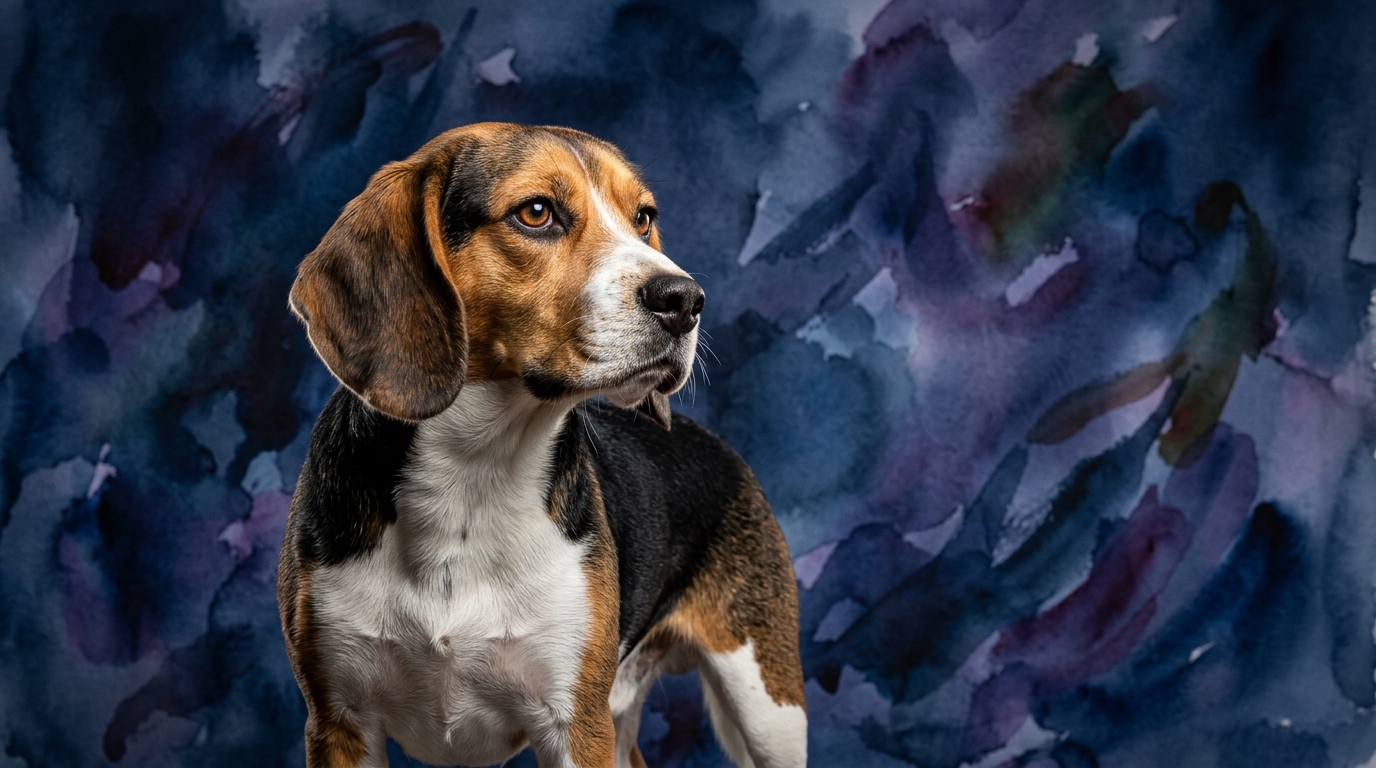
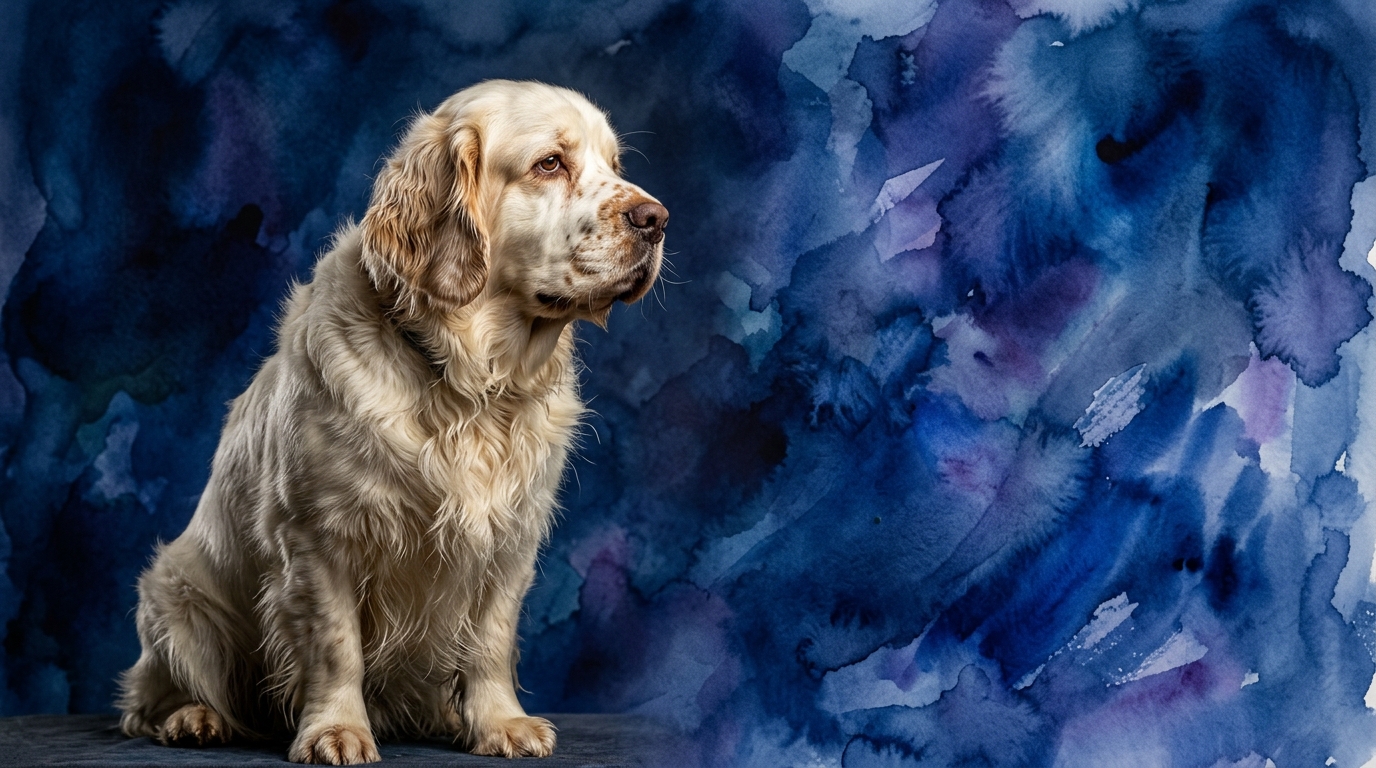
Side-by-Side IQ Profile: Beagle vs. Clumber Spaniel
Before diving into their individual strengths, it's crucial to understand their foundational cognitive blueprints. The Beagle, a Hound breed, registers a Coren rank of #72, indicating it typically requires more repetitions to grasp new obedience commands. In contrast, the Clumber Spaniel, a Sporting breed, holds a higher Coren rank of #55, suggesting a moderately better innate aptitude for understanding and executing human directives in a structured setting. These ranks set the stage for how each breed approaches learning and responsiveness.
For the Beagle, its Problem Solving is a robust 4/5, often manifesting as cleverness in navigating obstacles to reach a desired scent. However, its Training Speed is a lower 2/5, largely due to its independent nature and powerful scent drive. Social Intelligence sits at a moderate 3/5, allowing for good pack integration, but its overwhelming Instinctive Drive scores a perfect 5/5, making it tirelessly focused on tracking. Finally, its Memory is strong at 4/5, particularly for scent trails and successful problem-solving strategies.
The Clumber Spaniel presents a more balanced profile. Its Problem Solving is a moderate 3/5, capable of straightforward puzzles but less inclined to persistent independent strategizing. Training Speed is a respectable 3/5, meaning it learns commands at a reasonable pace with consistent reinforcement. Its Social Intelligence is also moderate at 3/5, contributing to its calm, gentle demeanor. The Instinctive Drive is a balanced 3/5; while it enjoys retrieving, it's not overwhelmed by an incessant need to work. Its Memory is also moderate at 3/5, sufficient for routines and commands but perhaps less detailed than the Beagle's.
Where the Beagle Wins Cognitively
The Beagle's cognitive edge lies in its unparalleled sensory specialization and the drive it fuels. Its Problem Solving score of 4/5, combined with an exceptional Instinctive Drive of 5/5, makes it a master of complex scent-based navigation and persistent pursuit. A Beagle will systematically work through environmental puzzles, such as finding a hidden treat, by leveraging its acute olfactory senses and remembering past successful strategies, a testament to its 4/5 Memory score. This isn't just about following a line; it involves discriminating between subtle odors and recalling intricate scent patterns, demonstrating a focused cognitive approach that few breeds can match in its specific domain.
Where the Clumber Spaniel Wins Cognitively
The Clumber Spaniel’s cognitive strengths shine in its balanced adaptability and responsiveness to human guidance, reflected in its superior Coren rank of #55 compared to the Beagle's #72. Its Training Speed of 3/5, a point higher than the Beagle's, signifies a greater readiness to absorb new instructions and perform them consistently. This breed's moderate Instinctive Drive (3/5) means it is less prone to being overwhelmingly distracted by environmental stimuli during learning, fostering a more cooperative training dynamic. While not a top-tier problem-solver, the Clumber's capacity for steady, directed learning makes it more consistently amenable to structured tasks and human-initiated interactions.
Which is Easier to Train and Why
Assessing ease of training reveals distinct approaches. The Clumber Spaniel, with its 3/5 Training Speed and balanced 3/5 Instinctive Drive, generally proves a more amenable student for conventional obedience. Their moderate drive means distractions are less likely to fully derail a session, allowing them to focus on the instructor and respond well to consistent positive reinforcement. This often translates to a dog that learns basic and intermediate commands with fewer repetitions and greater reliability in varied environments, making them suitable for owners seeking a more predictable training experience.
Conversely, the Beagle’s 2/5 Training Speed is profoundly challenged by its overwhelming 5/5 Instinctive Drive. An engaging scent will almost always take precedence over human commands, regardless of their 4/5 Problem Solving or 4/5 Memory. While these cognitive strengths are potent, they are primarily directed towards hunting tasks, not human-centric obedience. Training a Beagle demands immense patience, creativity, and an understanding of their deep-seated motivations, often requiring integration of scent work into lessons to maintain engagement. For an owner prioritizing quick mastery of commands and consistent responsiveness, the Clumber Spaniel typically offers a less demanding training journey.
Suitability for Active vs. Relaxed Owners
The suitability for active versus relaxed owners clearly distinguishes these breeds based on their cognitive drivers. The Beagle, with its paramount Instinctive Drive (5/5) and robust Problem Solving (4/5), thrives with active owners who can provide extensive mental and physical stimulation. This breed demands daily opportunities to engage its powerful nose and intellect through long scent-following walks, tracking games, or dog sports. Owners with a sedentary lifestyle will likely find a Beagle's unmet needs manifesting as undesirable behaviors like digging or escaping; their high energy and independent problem-solving necessitate consistent, engaging activity to prevent boredom and frustration.
In contrast, the Clumber Spaniel, possessing a moderate Instinctive Drive (3/5) and a generally relaxed demeanor, is a better fit for owners seeking a companion with a more moderate activity level. While they enjoy regular walks and retrieving, their needs are less intense than the Beagle's. They are content with substantial, but not exhaustive, exercise and genuinely enjoy spending time relaxing indoors with their family. Their more balanced drive means they are less likely to invent disruptive "entertainment" if under-stimulated. Clumbers are often affectionate and calm, making them ideal for owners who appreciate outdoor activity but prefer a more relaxed pace of life.
The Verdict
Opt for a Beagle if you are an experienced, active owner who relishes the challenge of working with a highly driven scent hound, willing to channel its exceptional problem-solving and memory into engaging activities like tracking or scent work, and can provide extensive daily physical and mental enrichment.
Select a Clumber Spaniel if you desire a more moderately active companion who is generally easier to train for conventional obedience, thrives on consistent routines, and offers a calmer, more adaptable presence for a family seeking a gentle and affectionate dog with balanced needs.
🧠 Find Your Pet's IQ Score
Our Pet IQ Lab assessment covers 25+ tests across 5 cognitive dimensions — personalized to your breed.
Take the Full IQ Test →Frequently Asked Questions
Do Beagles and Clumber Spaniels get along with other pets?
Both breeds generally possess moderate social intelligence (3/5) and can get along well with other pets, especially if introduced properly and socialized from a young age. Beagles might be more prone to chasing smaller animals due to their high prey drive, while Clumbers are typically more placid.
What kind of mental stimulation do Beagles and Clumber Spaniels need?
Beagles thrive on scent work and puzzle toys that engage their strong problem-solving and instinctive drive, requiring consistent and varied mental challenges to prevent boredom. Clumber Spaniels benefit from moderate mental stimulation like basic obedience training, interactive toys, and short retrieving games to keep their minds active.
Are Clumber Spaniels truly easier to train than Beagles, given their Coren rankings?
Yes, generally. The Clumber Spaniel's higher Coren rank (#55 vs #72) and slightly better training speed (3/5 vs 2/5) suggest it is more receptive to formal obedience training, while the Beagle's intense instinctive drive (5/5) often makes it more challenging to keep focused on human commands.