Side-by-Side Cognitive Profiles
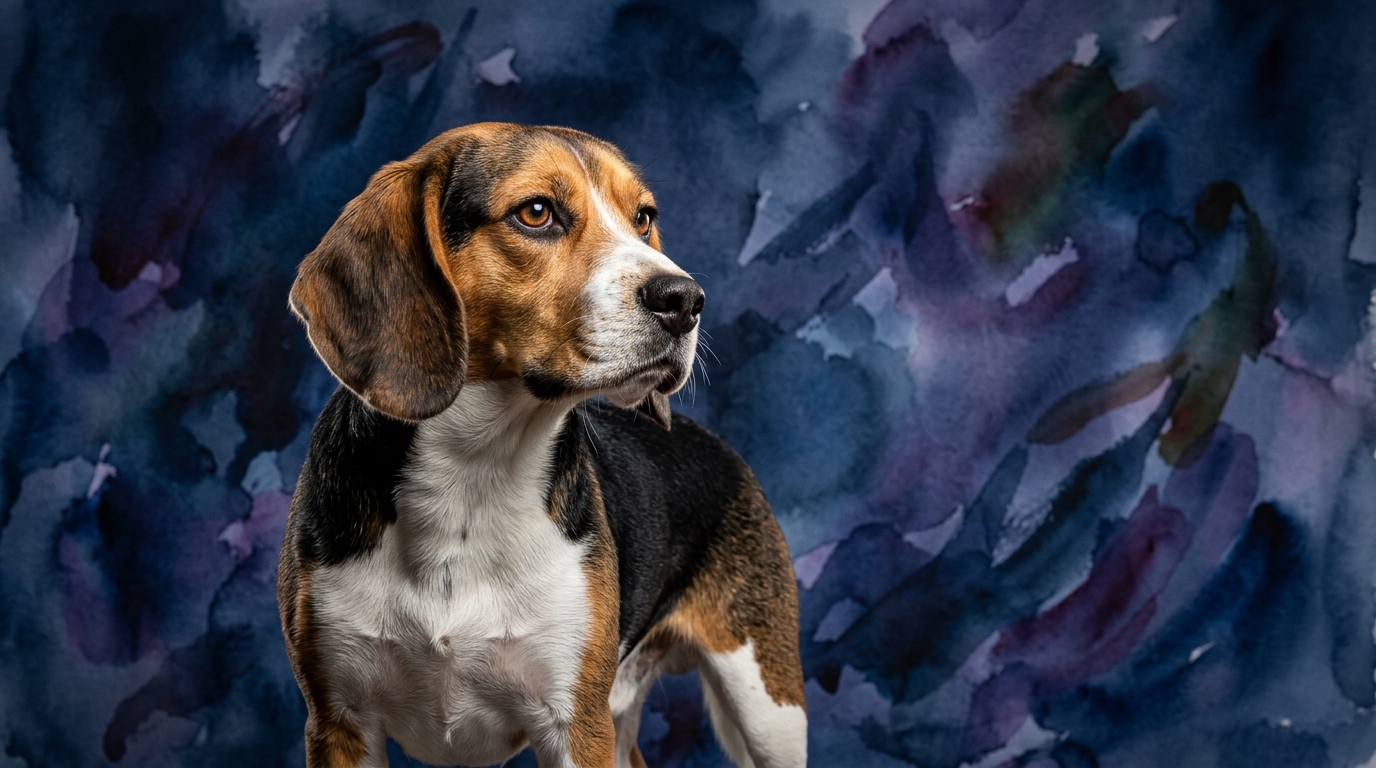
The Cosmic Pet Pet IQ Lab provides a unique lens through which to compare canine intellect, moving beyond simple notions of 'cleverness' to explore specific cognitive dimensions. For the Beagle, a hound breed with a Coren rank of #72, their profile is profoundly shaped by their olfactory prowess. Their Problem Solving is rated 4/5, indicating an exceptional ability to unravel complex scent-based puzzles and navigate environments using their nose. Training Speed, however, stands at 2/5, reflecting the challenge of redirecting a dog whose focus is often consumed by scent. Social Intelligence is 3/5, as they are generally amiable but their primary cognitive engagement often lies elsewhere. Their Instinctive Drive is a perfect 5/5, an all-consuming force dictating much of their behavior, while Memory is strong at 4/5, particularly for scent trails and rewarding locations.
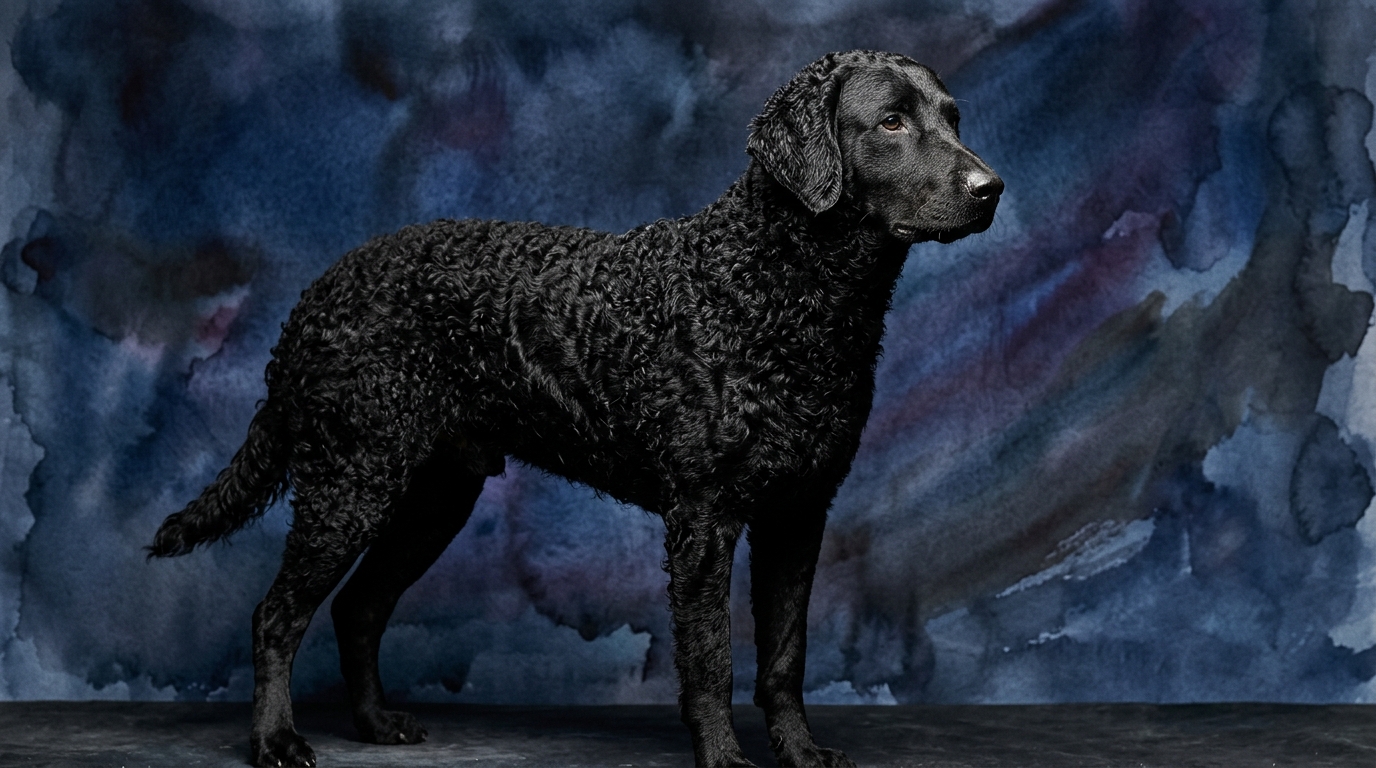
In contrast, the Curly-Coated Retriever, a sporting breed with a higher Coren rank of #41, presents a more balanced, cooperative cognitive profile. Their Problem Solving is 3/5, demonstrating practical intelligence in tasks related to retrieving and navigating varied terrains. Training Speed is a moderate 3/5, indicating a reasonable pace of learning and willingness to engage. Social Intelligence matches the Beagle at 3/5; they are reserved but deeply loyal to their family, observing cues within their trusted circle. Their Instinctive Drive is 3/5, a strong retrieving and water drive that is more integrated with human direction, and their Memory is 4/5, reliable for commands, routines, and the location of retrieved items.
Where the Beagle's Cognition Shines
The Beagle's superior Problem Solving score of 4/5 is a testament to their specialized genius in deciphering intricate scent-based puzzles. They methodically deconstruct complex odor trails, demonstrating a relentless cognitive focus to achieve their olfactory goal, often outmaneuvering obstacles with nose-driven logic. This isn't about abstract thought, but a highly evolved, practical form of intelligence. Their Instinctive Drive, rated 5/5, is more than just a physical urge; it's a cognitive superpower. Their brain is uniquely wired for unparalleled olfactory processing, enabling an intense, unwavering dedication to tracking that effectively filters out distractions, making them masters of their primary purpose. While numerically matched in Memory (4/5), the Beagle's recall is profoundly specialized for complex scent patterns and the spatial maps associated with specific odors, allowing them to revisit productive hunting grounds or decipher aged trails with remarkable accuracy.
Where the Curly-Coated Retriever's Cognition Excels
The Curly-Coated Retriever's superior Coren rank of #41 compared to the Beagle's #72 signifies a higher overall working intelligence and obedience, indicating a greater inherent capacity for understanding and executing human-directed tasks. Their moderate Training Speed of 3/5 reflects a quicker grasp of new commands and a more consistent willingness to engage in cooperative learning. They absorb diverse instructions more readily, making them adaptable students across various disciplines. Furthermore, the Curly's Instinctive Drive, while rated 3/5, is more balanced and integrated with their social intelligence. This allows their retrieving drive to be more easily channeled into collaborative activities and a wider array of working roles, fostering a more versatile partnership. This cognitive makeup also supports a broader range of training disciplines beyond retrieving, from agility to rally, due to their inherent biddability and capacity for varied learning experiences.
Training Dynamics: A Tale of Two Temperaments
When it comes to ease of training for general obedience and cooperative tasks, the Curly-Coated Retriever generally presents a more straightforward path. Their higher Coren rank and moderate Training Speed (3/5) mean they are more inclined to learn and follow human directives. Their instinctive drive (3/5) is strong enough for motivation but doesn't typically override human instruction, making them responsive partners. Teaching a 'stay' or a reliable recall in a moderately distracting environment is often a more direct process, as their focus is more readily directed towards the handler and the task at hand. They thrive on working alongside their people, making them amenable to positive reinforcement and structured lessons.
The Beagle, however, presents a greater challenge for traditional obedience training. Their lower Coren rank and Training Speed (2/5) stem directly from their profoundly independent, scent-driven nature. When a compelling scent appears, their intense Instinctive Drive (5/5) takes absolute precedence, causing their cognitive focus to shift entirely to the trail and making redirection difficult. This isn't malicious stubbornness but a powerful biological imperative; achieving a consistent recall off-leash in a scent-rich environment, for instance, requires profound patience, unwavering consistency, and an understanding of how to leverage their natural drive within training frameworks, perhaps by using scent games as the ultimate reward.
Matching Canine Cognition to Lifestyle
For active owners, both breeds require significant engagement, but the nature of that activity differs profoundly. The Curly-Coated Retriever is an excellent match for active owners who enjoy structured, shared activities like hiking, running, swimming, or dog sports such as agility, obedience, or field trials. Their balanced drive and cooperative spirit make them ideal teammates for goal-oriented physical and mental challenges, thriving on a partnership where they can utilize their versatile intelligence.
The Beagle, conversely, is best suited for active owners who are passionate about the intricate world of scent and can dedicate substantial time to fulfilling this profound need. This involves extensive 'sniffari' walks where they can explore to their heart's content, engaging scent games, or even participating in scent detection sports. Their activity is less about high-speed running and more about intense, mentally taxing olfactory exploration and problem-solving.
Neither breed is truly suited for a 'relaxed' owner seeking a low-maintenance companion. Both require significant physical and mental engagement to prevent boredom and behavioral issues. An under-stimulated Curly can become bored, withdrawn, or destructive, while an unfulfilled Beagle will likely be vocal, prone to escape, and destructive, making both poor choices for minimal interaction. Owners must be prepared to invest in their cognitive and physical well-being.
The Verdict
Choose the Beagle if you are fascinated by the intricate world of scent, prepared to embrace a dog whose cognitive genius lies in olfactory puzzles, and ready for consistent, understanding training to channel their deep independent drive.
Choose the Curly-Coated Retriever if you desire a versatile canine partner for diverse activities, value a cooperative and generally biddable temperament, and appreciate a dog whose intelligence shines through adaptability, loyalty, and a balanced working drive.
🧠 Find Your Pet's IQ Score
Our Pet IQ Lab assessment covers 25+ tests across 5 cognitive dimensions — personalized to your breed.
Take the Full IQ Test →Frequently Asked Questions
Are Beagles untrainable due to their low training speed score?
Not at all; Beagles are certainly trainable, but their training demands significant patience, consistency, and a deep understanding of their powerful scent drive. Success often comes from creatively integrating their natural instincts into training, perhaps by using scent games as highly motivating rewards.
Does the Curly-Coated Retriever's lower problem-solving score mean they aren't clever?
The Curly-Coated Retriever's problem-solving score of 3/5 indicates they are capable and practical problem-solvers, particularly in tasks related to their retrieving heritage and everyday life. Their intelligence is expressed through adaptability and a willingness to learn diverse tasks, rather than a singular focus on abstract puzzles.
How does a higher Coren rank translate to daily life for the Curly-Coated Retriever?
A higher Coren rank suggests better working intelligence and obedience, meaning the Curly is generally more responsive to commands, quicker to learn new tasks, and more inclined to follow human direction. In daily life, this translates to a dog that is typically easier to manage, more reliable with training, and adaptable to various household routines and activities.