Side-by-Side Cognitive Profiles
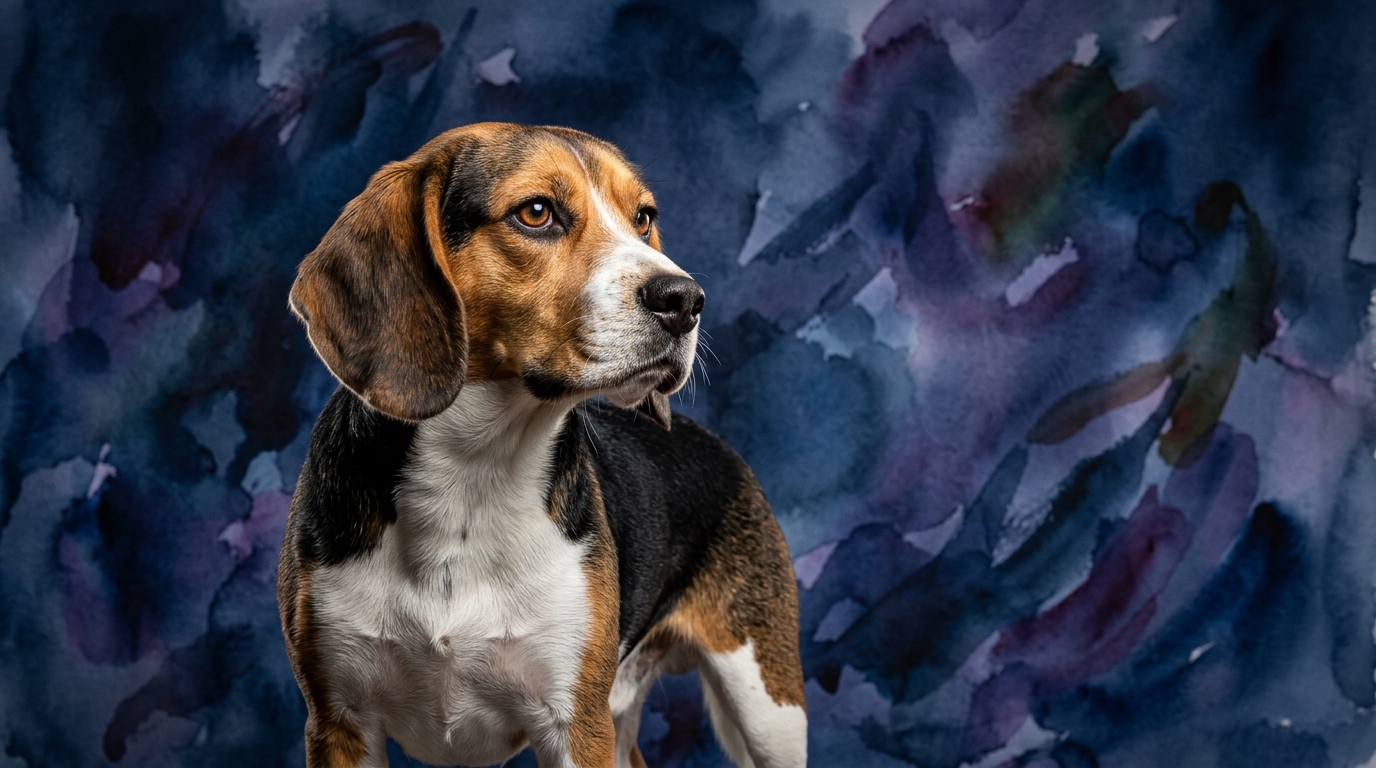
At The Cosmic Pet Pet IQ Lab, we delve into five key cognitive dimensions to understand a breed's mental landscape. For the Beagle, a member of the Hound group, its profile is heavily influenced by its ancestral role as a scent hound. Its Problem Solving is rated 4/5, primarily excelling at unraveling complex scent trails and navigating environments purely by smell to locate a target, demonstrating a persistent, methodical approach to olfactory puzzles. Training Speed is 2/5, indicating that their independent, scent-driven nature often prioritizes an interesting smell over human directives, necessitating consistent, patient, and highly rewarding training. Social Intelligence stands at 3/5, as they typically enjoy companionship and operate well within a 'pack' structure, showing an adaptable understanding of group dynamics. Their Instinctive Drive is a powerful 5/5, reflecting an exceptionally strong impulse to follow scent, born from generations of tracking game, which manifests as an unwavering focus when a compelling smell is detected. Finally, Memory is 4/5, exhibiting remarkable recall for scent patterns and geographical layouts associated with past trails or food sources, allowing them to retrace steps or revisit productive areas.
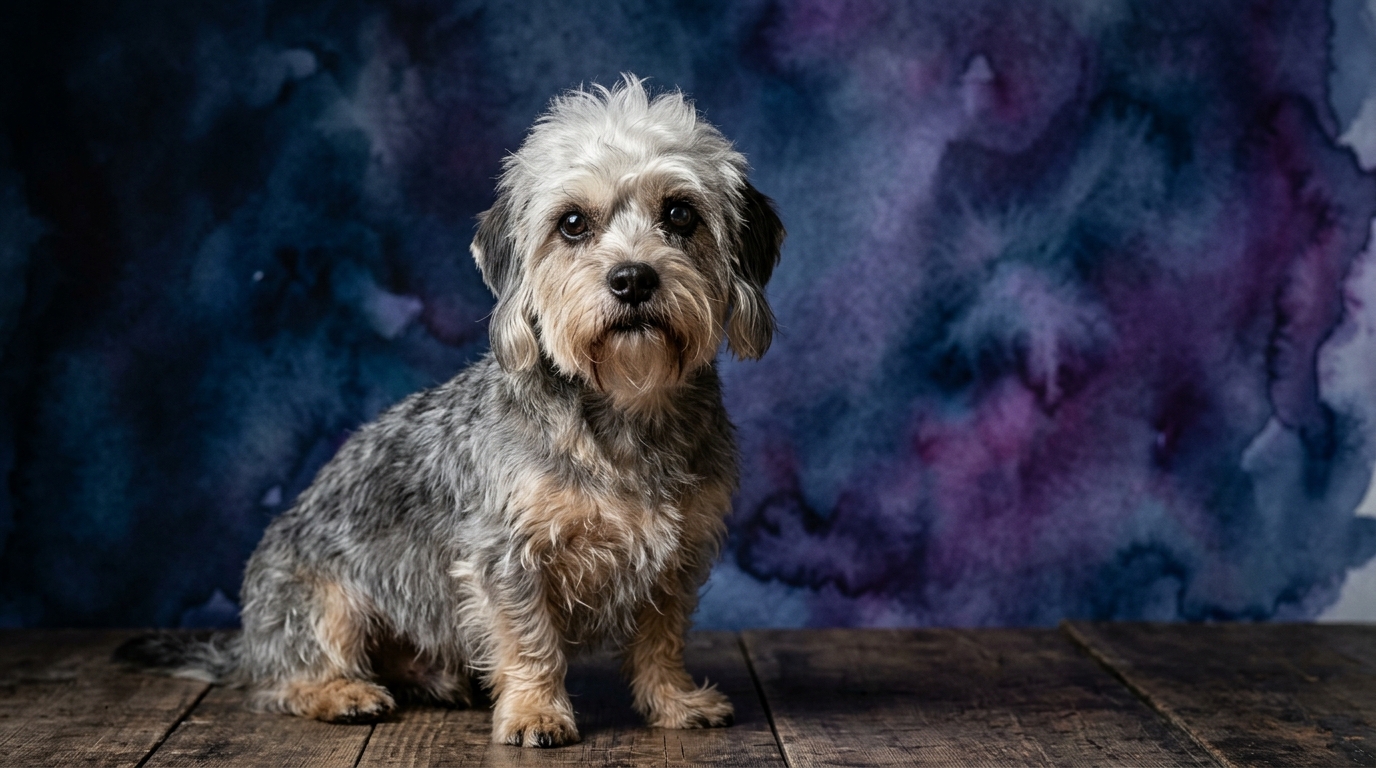
The Dandie Dinmont Terrier, from the Terrier group, presents a distinct cognitive blueprint. Its Problem Solving is 3/5, displaying a resourceful and tenacious approach to challenges, often employing digging or strategic maneuvering to overcome obstacles, particularly when pursuing perceived prey. Training Speed is 3/5, suggesting they can learn commands and routines at a moderate pace, though their inherent terrier willfulness means they respond best to positive reinforcement and clear, consistent boundaries, sometimes requiring motivation to comply. Social Intelligence is 3/5, forming strong bonds with their immediate family and showing protective loyalty, but they can be reserved or discerning with strangers, indicating a selective understanding of social interactions. Their Instinctive Drive is 3/5, retaining a distinct impulse for hunting small vermin, manifested in digging, chasing, and determined pursuit, though generally less overwhelming than a hound's scent drive. Memory is 3/5, recalling learned routines, specific commands, and the locations of favored resting spots or hidden toys, demonstrating a reliable, though not exceptional, capacity for recall.
Where the Beagle's Brain Excels
The Beagle's cognitive strengths lie profoundly in its specialized sensory processing and unwavering dedication to its primary drive. Its 4/5 problem-solving score is overwhelmingly weighted towards olfactory challenges; a Beagle can meticulously unravel a complex scent trail left hours ago, navigating varied terrain with single-minded determination, a task few other breeds can genuinely match. This isn't about solving a puzzle box, but rather an intricate environmental puzzle solved purely through their nose.
Furthermore, their 5/5 instinctive drive translates into an unparalleled commitment to their ancestral function. Once a Beagle locks onto a scent, their persistence is extraordinary, demonstrating a deep, innate understanding of their role in tracking. This relentless focus, while sometimes presenting training challenges, is a cognitive strength in its own right, showcasing a profound ability to maintain a goal-directed behavior over extended periods.
Their 4/5 memory also plays a crucial role here, allowing them to retain detailed 'scent maps' of territories and past trails. They can remember where a particular animal crossed days ago or the route to a favorite sniffing spot, utilizing this recall to efficiently re-evaluate an environment or return to a previously fruitful area, an impressive feat of spatial and olfactory memory.
Where the Dandie Dinmont Terrier Shines Cognitively
The Dandie Dinmont Terrier's cognitive advantages manifest in a more resourceful and adaptable manner. While their problem-solving score is 3/5, it reflects a different kind of ingenuity compared to the Beagle. A Dandie will assess an obstacle and often devise a unique, sometimes mischievous, way around it – be it digging under a fence, squeezing through a tight spot, or strategically 'bargaining' for a treat. Their approach is less about following a pre-set path and more about creative workaround and opportunistic solutions.
Their 3/5 instinctive drive, while potent, is generally more manageable than a Beagle's overwhelming scent-focus. This allows for a more versatile engagement in various activities without being constantly hijacked by a single, powerful instinct. This balance can make them more amenable to diverse forms of mental stimulation beyond pure scent work, such as trick training or agility.
Moreover, with a training speed of 3/5, they show a slightly greater readiness to learn and adapt to human instructions compared to the Beagle's 2/5. While they possess terrier stubbornness, they often respond well to consistent, positive reinforcement, making them potentially more amenable to a wider range of obedience tasks and more readily integrated into a multi-faceted training regimen.
Training Dynamics: Which Breed Learns Faster?
When considering ease of training, the Dandie Dinmont Terrier, with a training speed of 3/5, generally presents a slightly more straightforward journey than the Beagle, which scores 2/5. Dandies, while possessing the characteristic terrier independence, tend to be more focused on their human companions when not actively engaged in their instinctive pursuits. Their willfulness can be channeled effectively with motivation and consistency. A real behavioral difference is their tendency to form strong, sometimes singular, bonds with their primary caregiver, making them particularly receptive to training from their chosen person, even if they will occasionally test boundaries.
Beagles, conversely, are often perceived as more challenging due to their powerful 5/5 instinctive drive and lower training speed. Their world is dominated by scent, and once they pick up an interesting trail, recall commands often become secondary. A common behavioral reality is a Beagle literally 'tuning out' their owner to follow a smell, requiring extraordinary patience, exceptionally high-value rewards, and a deep understanding of their innate motivations to achieve reliable obedience. Therefore, for a typical owner seeking a companion for general obedience, the Dandie Dinmont Terrier might offer a less demanding training experience, despite both breeds requiring dedicated effort.
Matching Breeds to Lifestyles: Active vs. Relaxed Owners
For active owners, particularly those who enjoy outdoor adventures, scent work, or consistent training challenges, the Beagle is often a fitting companion. Their 5/5 instinctive drive for scent work and their need for substantial physical and mental stimulation mean they thrive with owners who can provide consistent outlets for their powerful nose and boundless energy. These dogs require environments where they can safely explore scents and engage their keen intellect. A more relaxed owner might find a bored Beagle's determined pursuit of scent-based mischief, such as raiding the trash or attempting to escape the yard to follow a fascinating smell, overwhelming and difficult to manage.
The Dandie Dinmont Terrier can suit owners who are moderately active but also appreciate periods of calm and companionship. While they need regular exercise and mental engagement to prevent boredom and destructive behaviors, their 3/5 instinctive drive is generally more manageable than a Beagle's relentless pursuit of scent. They are often content with daily walks, interactive play, and puzzle toys, making them a good match for individuals or families who desire a spirited companion but don't necessarily want a dog whose entire existence revolves around a single, intense drive. Owners who appreciate a dog with a unique, independent personality will find a Dandie Dinmont Terrier rewarding.
The Verdict
If you are an active individual or family prepared to channel an unparalleled scent drive, delight in solving olfactory puzzles with your dog, and are committed to patient, consistent training that respects their independent spirit, the Beagle will be a rewarding companion.
Opt for the Dandie Dinmont Terrier if you appreciate a dog with a unique, tenacious personality, value a strong bond with a discerning companion, and are ready to engage with a moderately active terrier spirit that offers a slightly more balanced approach to training and daily life.
🧠 Find Your Pet's IQ Score
Our Pet IQ Lab assessment covers 25+ tests across 5 cognitive dimensions — personalized to your breed.
Take the Full IQ Test →Frequently Asked Questions
Are Beagles difficult to train?
Beagles can be challenging to train due to their powerful 5/5 instinctive scent drive, which often overrides human commands, and their 2/5 training speed. They require immense patience, high-value rewards, and consistent positive reinforcement to achieve reliable obedience.
Do Dandie Dinmont Terriers require a lot of exercise?
Dandie Dinmont Terriers require moderate daily exercise, such as walks and play sessions, to keep them physically and mentally stimulated. While not as high-energy as some breeds, consistent activity helps prevent boredom and channel their 3/5 instinctive drive.
Which breed is better with children?
Both breeds can be good with children when properly socialized and supervised. Beagles often enjoy playing with children due to their generally jovial nature, while Dandie Dinmont Terriers, though loyal to their family, might prefer older, more respectful children due to their independent and sometimes sensitive terrier temperament.