Side-by-Side IQ Profile: Deconstructing Hound Minds
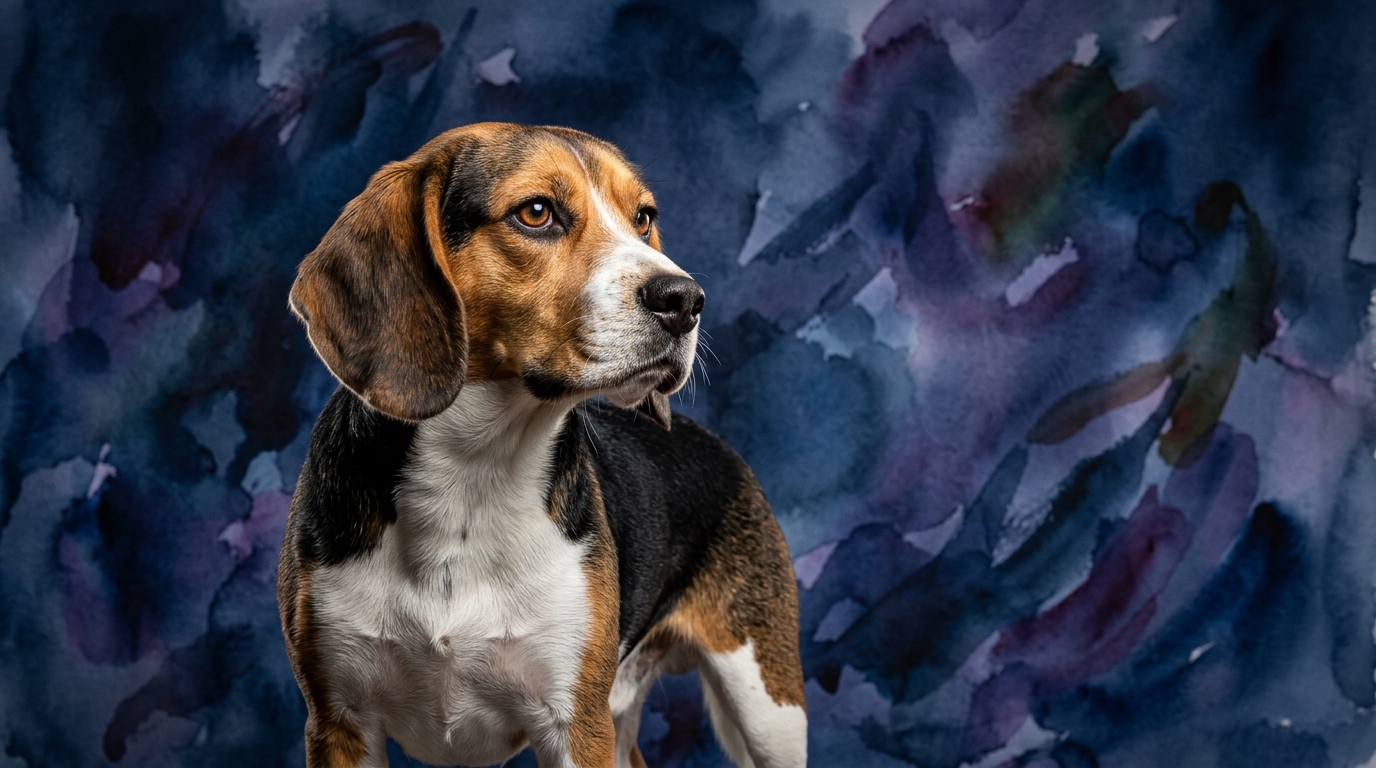
The Cosmic Pet Pet IQ Lab provides a unique lens through which to examine the cognitive strengths and challenges of these two breeds, beyond anecdotal observations. For the Beagle, we observe a Problem Solving score of 4/5, indicating a strong capacity for independent thought and navigating complex scent trails. Their Training Speed is rated at 2/5, suggesting a more deliberate and sometimes stubborn approach to learning human commands. Social Intelligence stands at 3/5, reflecting their pack origins and adaptability, while an impressive Instinctive Drive of 5/5 underscores their unwavering dedication to following a scent. Memory, crucial for tracking, is robust at 4/5.
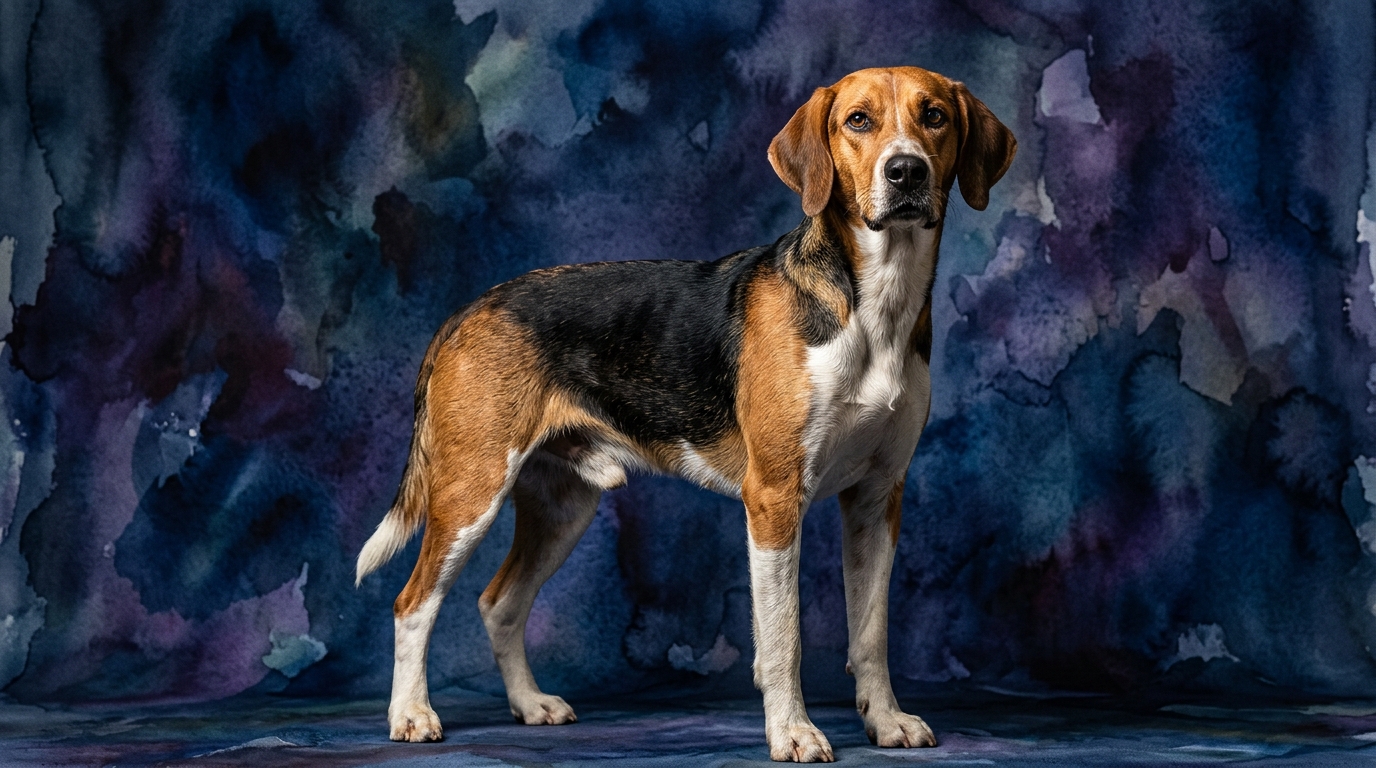
The English Foxhound, while sharing a similar lineage, presents a slightly different cognitive architecture. Their Problem Solving score is 3/5, suggesting they can work through challenges but might rely more on established patterns or group dynamics. Training Speed is assessed at 3/5, indicating a moderate willingness to learn, perhaps slightly more cooperative than their Beagle cousins. Social Intelligence mirrors the Beagle at 3/5, emphasizing their suitability for pack life. Their Instinctive Drive is rated 3/5, a substantial drive but perhaps less singular in its focus compared to the Beagle's intense pursuit. Memory is also rated at 3/5, sufficient for their work but not as acutely sharp as the Beagle's.
Where the Beagle Wins Cognitively
The Beagle's cognitive profile shines particularly in areas demanding independent thought and tenacious sensory processing. Their superior Problem Solving score of 4/5 means a Beagle is more likely to devise creative solutions to obstacles, whether it's figuring out how to reach a hidden treat or navigating a tricky scent puzzle. This cognitive strength, combined with a remarkable Memory of 4/5, allows them to recall intricate scent patterns and past experiences with impressive accuracy, making them persistent and effective at their primary task: following a trail.
Furthermore, the Beagle's Instinctive Drive, rated at a perfect 5/5, is a profound cognitive asset within their specific domain. This isn't merely about physical energy; it represents an almost unparalleled mental focus and dedication to scent work. Once a Beagle's nose is engaged, their entire cognitive apparatus is dedicated to that pursuit, filtering out distractions and demonstrating an unwavering mental stamina that few other breeds possess. This intense, singular focus, while sometimes challenging for owners, is a testament to their specialized cognitive programming.
Where the English Foxhound Wins Cognitively
The English Foxhound's cognitive strengths lie in a more balanced and cooperative approach, particularly evident in their Training Speed and Instinctive Drive. While their Problem Solving (3/5) and Memory (3/5) are solid, their Training Speed of 3/5 subtly edges out the Beagle. This suggests a slightly greater openness to human direction and a quicker uptake of commands when properly motivated, making them potentially more adaptable to structured training regimens.
Crucially, the Foxhound's Instinctive Drive, at 3/5, presents a distinct cognitive advantage in certain scenarios. While still a powerful force, it is less all-consuming than the Beagle's. This more moderate drive means an English Foxhound might be more willing to disengage from a scent when called, a critical difference in practical handling. Their history of working in large packs alongside human hunters has fostered a cognitive framework that, while independent, also values cooperation within a hierarchical structure, making them somewhat more amenable to working *with* their human companions rather than solely for their own scent-driven agenda.
Which is Easier to Train and Why
When it comes to ease of training, the English Foxhound generally presents a slightly less demanding prospect than the Beagle, primarily due to their respective Training Speed and Instinctive Drive scores. The English Foxhound's Training Speed of 3/5 indicates they are moderately receptive to learning commands, and their Instinctive Drive of 3/5 suggests that while they are scent-driven, that drive might be more manageable. Their historical role working in large packs with human huntsmen likely fostered a cognitive inclination towards following a leader and responding to cues, making them somewhat more biddable in a training context.
Conversely, the Beagle’s Training Speed of 2/5, coupled with an overwhelming Instinctive Drive of 5/5, means training requires significant patience, consistency, and creative motivation. A Beagle's mind is often singularly focused on scents, making it challenging to divert their attention to human instructions once they are engaged in a trail. Their impressive problem-solving abilities (4/5) can sometimes work against an owner, as a Beagle might ingeniously find ways to pursue a scent rather than comply with a command. This isn't a lack of intelligence, but rather a profound specialization that prioritizes their olfactory world above all else, requiring a trainer who can leverage that drive rather than fight it.
Which Suits Active Owners vs. Relaxed Owners
For the truly active owner seeking a robust and enduring companion, the English Foxhound presents a compelling choice. Their moderate instinctive drive (3/5) still necessitates substantial physical activity and mental engagement, but it's often channeled into more cooperative pursuits like long hikes, running alongside a bike, or participating in structured canine sports. Their solid problem-solving (3/5) and memory (3/5) allow them to engage in varied activities, and their slightly higher training speed makes it easier to teach them the boundaries and commands needed for an adventurous lifestyle.
The Beagle, with its intense instinctive drive (5/5) and superior problem-solving (4/5), also suits an active owner, but one whose definition of 'active' might lean more towards dedicated scent work, tracking, or engaging in puzzles that challenge their keen nose. A 'relaxed' owner is unlikely to thrive with either breed, as both demand considerable engagement. However, for an owner who appreciates independence and can provide consistent, stimulating mental and physical outlets tailored to a Beagle's profound olfactory capabilities, they can be an incredibly rewarding companion. The Beagle's independent nature and relentless pursuit of scent mean they demand an owner who can manage these traits rather than expecting a perpetually 'off-leash' companion.
The Verdict
Choose the Beagle if you are fascinated by independent problem-solvers and are prepared to dedicate significant effort to managing an unparalleled scent drive, ideally channeling it into tracking or nose work. They thrive with owners who appreciate their unique cognitive tenacity and can provide consistent mental stimulation.
Opt for the English Foxhound if you seek a robust, energetic companion with a slightly more cooperative cognitive bent, capable of sustained physical activity and amenable to structured training within a pack-like dynamic. They suit active owners who enjoy long outdoor adventures and value a more balanced instinctive drive.
🧠 Find Your Pet's IQ Score
Our Pet IQ Lab assessment covers 25+ tests across 5 cognitive dimensions — personalized to your breed.
Take the Full IQ Test →Frequently Asked Questions
Are Beagles stubborn during training?
Beagles often appear stubborn due to their intense instinctive drive (5/5) and lower training speed (2/5). Their minds are primarily oriented towards scents, making it difficult to redirect their focus to human commands, not because they can't learn, but because their priorities lie elsewhere.
Do English Foxhounds need a lot of exercise?
Yes, English Foxhounds require substantial daily exercise to satisfy their moderate instinctive drive (3/5) and robust physicality. They thrive on long walks, runs, and opportunities to explore, preventing boredom and potential destructive behaviors.
Which breed is better for a first-time dog owner?
Neither breed is typically recommended for first-time owners without significant prior research and commitment, as both require dedicated training and management of their hound instincts. The English Foxhound might be marginally easier due to a slightly higher training speed and more balanced drive, but both present unique challenges.