Side-by-Side IQ Profile: Unpacking Cognitive Dimensions
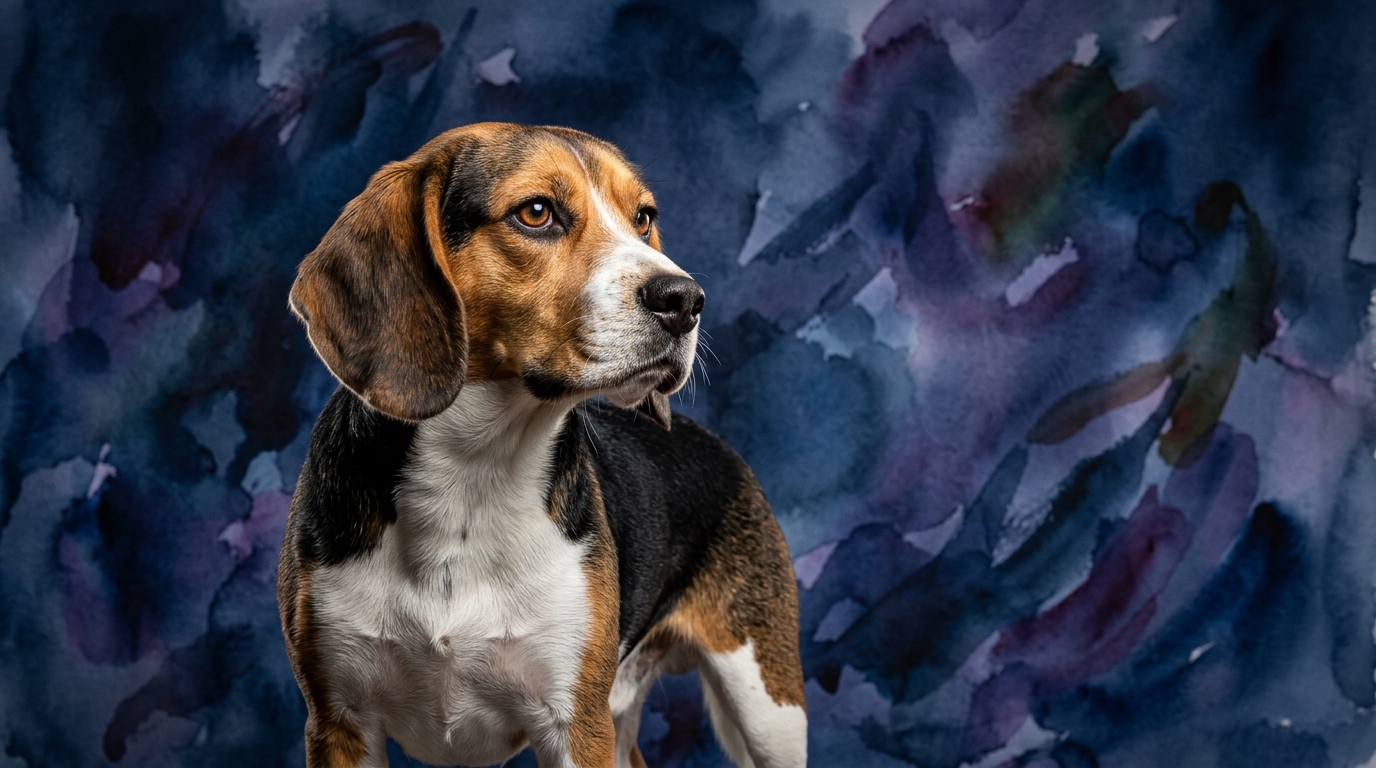
The Cosmic Pet Pet IQ Lab employs a comprehensive five-dimensional framework to assess canine intelligence, moving beyond simple obedience to capture a fuller picture of a breed's cognitive strengths. For the Beagle, a breed Coren-ranked at #72, this framework illuminates a profile deeply rooted in its ancestral purpose. Their Problem Solving is rated 4/5, reflecting their exceptional ability to follow complex scent trails and overcome obstacles in pursuit of a perceived reward, showcasing a persistent, methodical approach to environmental puzzles. However, their Training Speed is 2/5; while capable of learning, their intense focus on scent often overrides human directives, making them less inclined to rapid obedience. Social Intelligence stands at 3/5, indicating an ability to integrate well into a pack or family structure, though their independent, scent-driven nature means they might not always prioritize human social cues above their olfactory pursuits. Instictive Drive is a perfect 5/5, a testament to their unparalleled, unwavering drive to track and bay, a primal urge that defines much of their behavior. Finally, Memory is 4/5, particularly strong for spatial recognition of scent sources and the intricate paths taken to reach them.
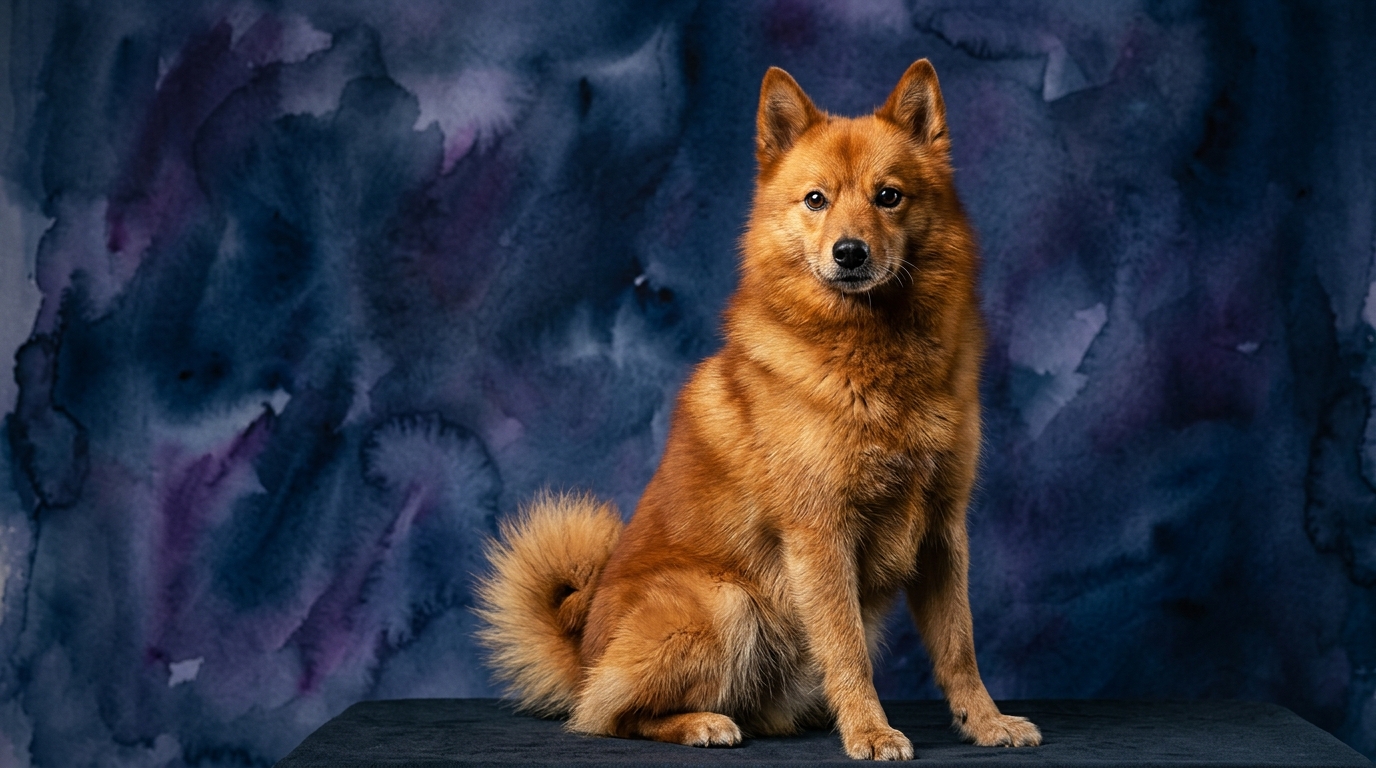
The Finnish Spitz, a Non-Sporting breed not listed on the Coren ranking, presents a different cognitive blueprint, reflecting its heritage as a barking bird dog. Their Problem Solving is 3/5; they can effectively strategize how to locate game and alert hunters with their distinctive bark, but their problem-solving tends to be more direct and less intricate than a scent hound's. Training Speed is 3/5, suggesting a moderate capacity for learning commands, though their independent spirit means they require consistent, engaging methods to maintain focus and motivation. Social Intelligence also scores 3/5; they are loyal and form strong bonds with their families, but can be reserved with strangers and possess a self-reliant demeanor that doesn't always seek constant human direction. Instictive Drive is 3/5, centered primarily on their vocalization for hunting, specifically 'barking the bird,' which is a strong, but more specialized drive compared to the Beagle's all-encompassing scent focus. Their Memory is 3/5, allowing them to remember routines, perceived threats, and rewarding locations, but without the exceptional spatial or associative recall seen in breeds with higher scores in this dimension.
Where the Beagle Excels Cognitively
The Beagle's cognitive strengths are undeniably tied to its extraordinary olfactory capabilities and the problem-solving required to utilize them effectively. With a Problem Solving score of 4/5, they demonstrate a remarkable capacity to navigate intricate environments, decipher complex scent puzzles, and persist until a solution (often a hidden treat or a captivating smell) is found. This isn't brute force; it's a sophisticated application of their sensory input to achieve a goal, showcasing a methodical, almost analytical approach to their world, albeit one driven by scent.
Their Memory, rated 4/5, is particularly adept at recalling the nuances of scent trails and the spatial layout of where specific odors were encountered. A Beagle can remember a scent source from days ago and re-trace its steps, demonstrating a long-term associative memory crucial for their hunting role. This superior recall for sensory information allows them to build a detailed mental map of their environment based on smells, a cognitive advantage that few other breeds can match in its intensity and application. Their perfect 5/5 Instinctive Drive further fuels this, providing the relentless motivation to apply these cognitive skills.
Where the Finnish Spitz Shines Cognitively
The Finnish Spitz's cognitive advantages lie primarily in its specialized hunting strategy and acute environmental awareness. While their Problem Solving is 3/5, they are adept at the specific task of locating game birds and using their distinctive bark to 'point' them out to hunters. This requires a nuanced understanding of their environment, the ability to discern subtle cues, and the strategic application of vocalization as a communication tool. Their intelligence is focused on effective signaling and persistent, independent hunting.
Their cognitive profile, with a 3/5 in Social Intelligence and Instinctive Drive, highlights a self-reliant nature coupled with a strong, but specific, communication drive. They excel at independent decision-making in the field, relying on their own judgment to locate and alert to game rather than constantly seeking human direction. This independence means they possess a cognitive resilience, able to operate effectively without constant human oversight, making them adept at tasks requiring self-sufficiency and focused, auditory communication.
Training Dynamics: Beagle vs. Finnish Spitz
When it comes to ease of training, the Beagle's 2/5 Training Speed presents a notable challenge. Their primary behavioral driver is their overwhelming scent instinct (5/5 Instinctive Drive). A Beagle on a scent trail is notoriously difficult to redirect, as their cognitive focus becomes singular and intense. This means that while they are capable of learning commands (4/5 Problem Solving and Memory), the actual execution of those commands in the face of environmental distractions, particularly compelling odors, is often inconsistent. Training a Beagle requires immense patience, creativity, and a deep understanding of their motivational triggers, often leveraging food rewards to compete with the allure of smells. Their independence, stemming from their long history of working independently in packs, also contributes to their occasional disregard for human directives.
The Finnish Spitz, with a 3/5 Training Speed, is generally more amenable to training than the Beagle, though they are not without their own challenges. Their independence (3/5 Social Intelligence) and strong will mean they respond best to positive reinforcement, engaging methods, and a trainer who understands their need for self-direction. They can become bored or stubborn with repetitive drills. A key behavioral difference is their prolific barking, a central part of their instinctive drive (3/5). While trainable, managing this vocalization requires consistent effort and understanding of its underlying purpose. Unlike the Beagle, whose distraction is internal (scent), the Finnish Spitz's challenges often stem from their independent nature and their outward expression through barking, which can be managed with proper socialization and training focus.
Matching Breeds to Lifestyles: Active vs. Relaxed Owners
For active owners seeking a companion for outdoor adventures, both breeds offer unique benefits, but cater to different types of activity. The Beagle, with its boundless energy and insatiable scent drive, thrives with owners who enjoy long walks, hikes, and engaging in scent work or tracking sports. Their need for mental stimulation through olfactory exploration is paramount; a relaxed owner who cannot provide consistent opportunities for scent-based activities might find a Beagle prone to destructive behaviors or persistent vocalization born of boredom. They are not suited for owners who prefer short, sedate strolls or expect a dog to entertain itself indoors without significant engagement.
The Finnish Spitz also suits active owners, but perhaps those whose activity leans more towards varied outdoor exploration or structured dog sports like agility, rather than solely scent work. Their moderate instinctive drive and problem-solving suggest they enjoy engaging tasks and can be good companions for hiking or jogging. However, they can also adapt to a slightly more relaxed home environment provided their need for consistent mental engagement and opportunities to express their natural vocalizations are met. A relaxed owner who appreciates an alert, vocal companion and is prepared for managing barking, while still providing daily exercise and mental challenges, might find the Finnish Spitz a better fit than the perpetually scent-driven Beagle.
The Verdict
Choose a Beagle if you are an active, patient owner who deeply appreciates a dog's profound connection to scent, enjoys outdoor tracking or scent work, and is prepared for consistent, creative training to manage their independent, olfactory-driven focus.
Opt for a Finnish Spitz if you seek an independent, alert, and vocal companion who thrives on moderate activity, enjoys varied outdoor pursuits, and if you are prepared to manage their natural barking instinct with positive, engaging training methods.
🧠 Find Your Pet's IQ Score
Our Pet IQ Lab assessment covers 25+ tests across 5 cognitive dimensions — personalized to your breed.
Take the Full IQ Test →Frequently Asked Questions
Are Beagles difficult to train due to their intelligence?
Beagles possess significant problem-solving abilities and memory, especially concerning scents. However, their training speed is lower (2/5) because their intense instinctive drive for scent often overrides their focus on human commands, making them challenging for novice trainers without patience and creative, highly motivating methods.
Do Finnish Spitz bark excessively?
Yes, Finnish Spitz have a strong instinctive drive (3/5) to bark, which is central to their traditional hunting role. While they are trainable (3/5 training speed), managing their vocalizations requires consistent effort and understanding their purpose, rather than expecting them to be silent.
Which breed is better for families with children?
Both breeds can be good family dogs with proper socialization. Beagles (3/5 social intelligence) are generally good-natured and tolerant, often enjoying the chaos of a family. Finnish Spitz (3/5 social intelligence) are loyal to their family but can be more reserved with strangers and may have less patience for rough play, requiring supervision.