Side-by-Side Cognitive Profiles
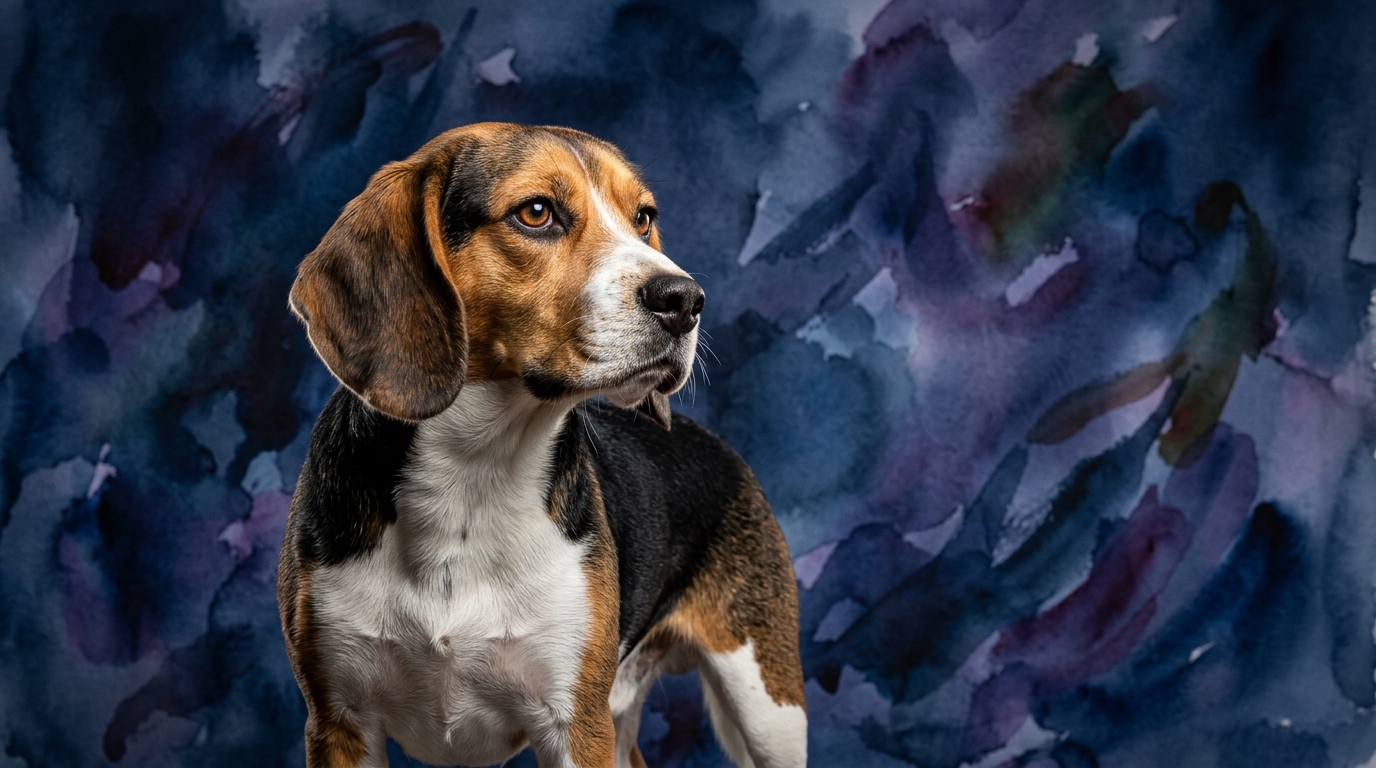
The Beagle, a venerable Hound breed, presents a cognitive profile deeply etched by centuries of scent-driven hunting. Their problem-solving ability, rated 4 out of 5, is often channeled through their nose, making them adept at unraveling complex scent puzzles. Training speed scores 2 out of 5, reflecting an independent streak and a profound focus on olfactory input that can overshadow human directives. Social intelligence sits at 3 out of 5, indicating a generally amiable nature within a pack or family unit. A defining characteristic is their instinctive drive, a perfect 5 out of 5, signifying an unyielding compulsion to follow a scent trail. Their memory, at 4 out of 5, is exceptional for retaining scent information and spatial awareness related to their tracking endeavors.
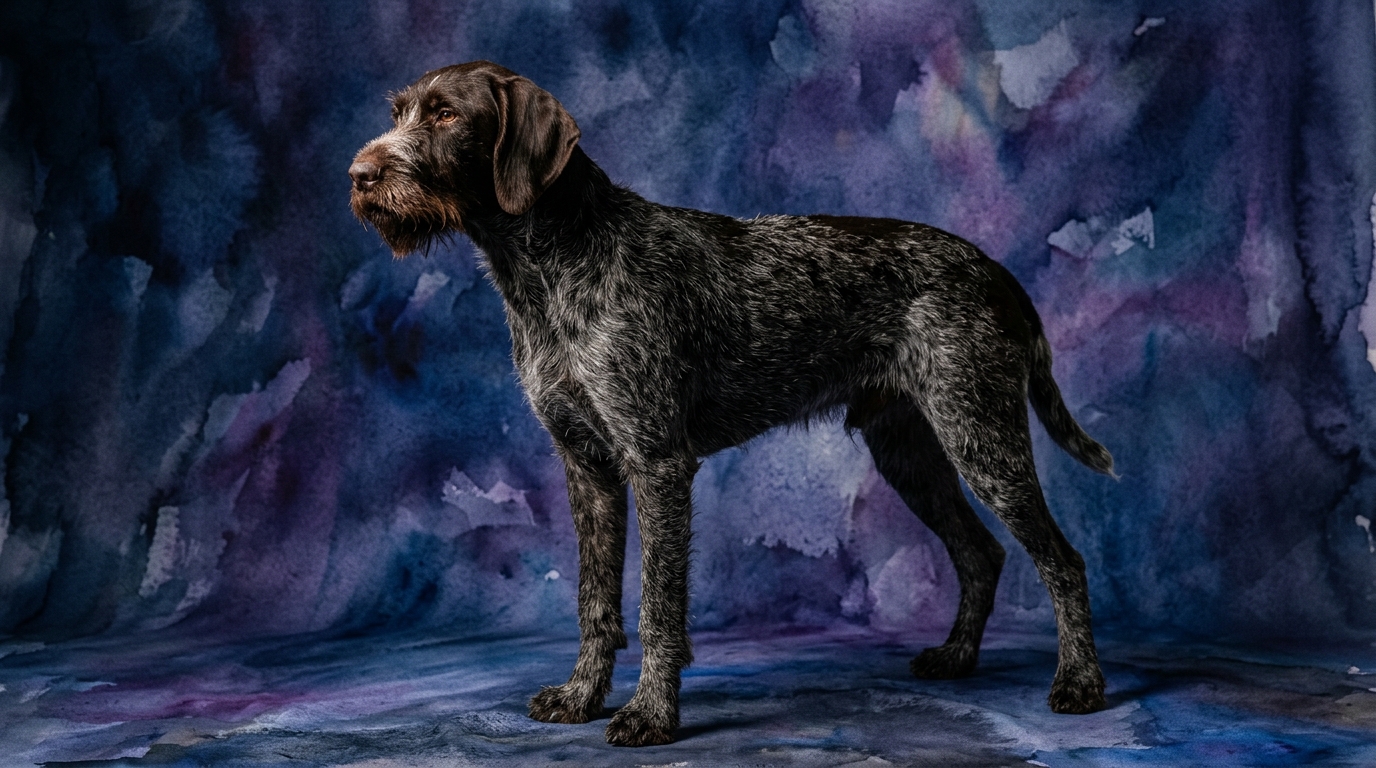
In contrast, the German Wirehaired Pointer (GWP), a Sporting breed, showcases a versatile cognitive toolkit. With a problem-solving score of 4 out of 5, they exhibit adaptability and ingenuity across various tasks. Their training speed is a robust 4 out of 5, indicating a quicker grasp of commands and a cooperative nature. Social intelligence mirrors the Beagle at 3 out of 5, suggesting they are generally congenial but may not possess the same effusive gregariousness as some other breeds. The GWP's instinctive drive is a balanced 3 out of 5, manifesting as a controllable prey drive suitable for diverse hunting roles. Their memory, also 4 out of 5, serves them well in recalling complex instructions and learned behaviors over time.
Where the Beagle's Cognition Excels
The Beagle's cognitive prowess shines brightest in the realm of scent detection and sustained tracking. Their exceptional instinctive drive, rated a perfect 5 out of 5, means they are profoundly motivated by olfactory stimuli, capable of intricate scent discrimination and following complex trails with unwavering focus. This isn't just a physical attribute; it's a cognitive strength that allows them to process and prioritize scent information with remarkable accuracy, often filtering out irrelevant smells to pinpoint a specific target.
Furthermore, their 4 out of 5 memory score, particularly for scent-related data and spatial layouts of their tracking routes, contributes significantly to their success. A Beagle can 'map' an area by scent, remembering where certain odors were detected and using this information to navigate. Their problem-solving ability, while sometimes perceived as stubbornness in obedience, is incredibly effective when applied to unraveling scent-based mysteries, demonstrating an independent cognitive strategy to achieve their primary goal: finding the source of an intriguing smell.
Where the German Wirehaired Pointer's Cognition Excels
The German Wirehaired Pointer truly excels in operational versatility and the rapid acquisition of new skills. With a training speed score of 4 out of 5, they demonstrate a remarkable capacity to grasp and execute commands, often showing a keen desire to work collaboratively with their handler. This cognitive flexibility allows them to transition seamlessly between different tasks—be it pointing, retrieving, or tracking—a testament to their adaptable problem-solving skills, also rated 4 out of 5.
Their balanced instinctive drive (3 out of 5) means that while they possess the inherent motivation for hunting, it is more readily channeled and directed by human instruction compared to the Beagle's singular focus. This allows for a broader application of their cognitive abilities, enabling them to excel in diverse dog sports and working roles that require both independent thought and responsiveness to cues. Their strong memory (4 out of 5) ensures that once a task or command is learned, it is retained effectively, contributing to their reputation as a highly capable and reliable working companion.
Trainability: A Tale of Two Breeds
When it comes to trainability, the Beagle and German Wirehaired Pointer present distinctly different experiences. The Beagle's training speed of 2 out of 5 reflects a significant challenge primarily due to their overwhelming instinctive drive (5/5). A Beagle's nose is their world, and once a compelling scent is detected, their focus on human commands can diminish dramatically. This independence, while a strength in their original hunting role, means that recall and consistent obedience require immense patience, creativity, and high-value rewards to compete with the allure of a scent trail. Training a Beagle often involves finding ways to integrate their natural scenting abilities into the learning process, rather than trying to suppress them.
The German Wirehaired Pointer, with a training speed of 4 out of 5, is generally a much more biddable and responsive student. Their instinctive drive (3/5) is manageable, allowing them to focus on the handler and tasks without constant distraction from environmental stimuli. They typically possess a strong desire to please and learn, making them quicker to pick up new commands and more consistent in their execution. Their problem-solving skills (4/5) also contribute to their trainability, as they can often figure out what is being asked of them more readily, leading to a more fluid and rewarding training experience for both dog and owner.
Matching Canine Minds to Owner Lifestyles
Choosing between a Beagle and a German Wirehaired Pointer often hinges on an owner's lifestyle and expectations for a canine companion. The Beagle, with its profound scent drive and independent problem-solving, is an ideal fit for owners who appreciate a dog with an unwavering dedication to its nose. These owners should be prepared to provide ample opportunities for scent work, long sniff-filled walks, and understand that their Beagle's attention may occasionally be elsewhere. They thrive with patient individuals who can find humor in their scent-driven escapades and prioritize secure environments to prevent them from following a compelling trail too far. Their social intelligence makes them good family dogs, but their drive requires an outlet.
Conversely, the German Wirehaired Pointer is best suited for active owners seeking a versatile, engaged partner for a variety of activities. Their higher training speed and cooperative nature make them excellent candidates for dog sports like agility, obedience, or field trials, as well as hiking and running companions. They require consistent mental stimulation and physical exercise to be content, thriving with owners who can provide structure, challenges, and a 'job' to do. This breed is a rewarding choice for individuals who want a highly responsive, trainable dog that becomes a true partner in their active pursuits.
The Verdict
If you value a dog with unparalleled scenting abilities and an independent spirit, and are prepared for a companion whose nose often dictates their agenda, the Beagle is an endearing choice.
Opt for the German Wirehaired Pointer if you seek a highly trainable, versatile working companion eager to learn and participate in diverse activities, thriving on cooperative engagement.
🧠 Find Your Pet's IQ Score
Our Pet IQ Lab assessment covers 25+ tests across 5 cognitive dimensions — personalized to your breed.
Take the Full IQ Test →Frequently Asked Questions
Are Beagles good at learning tricks?
While not the fastest learners of formal obedience due to their scent focus, Beagles can learn tricks with patience and high-value rewards, especially if the tricks involve scent or food motivation. Their problem-solving skills are often applied to figuring out how to get to interesting smells or treats.
How do German Wirehaired Pointers handle new environments?
German Wirehaired Pointers typically adapt well to new environments, thanks to their balanced problem-solving and social intelligence. Their working dog background means they are often accustomed to varied terrains and situations, though early socialization is still key for confidence and composure.
Which breed is more independent?
The Beagle tends to be more independent, especially when following a scent trail; their powerful instinctive drive can lead them to tune out human commands with remarkable focus. The German Wirehaired Pointer, while capable of independent work, generally exhibits a stronger desire to cooperate with their handler, making them less independent in a collaborative context.