Side-by-Side IQ Profile: Unpacking Cognitive Dimensions
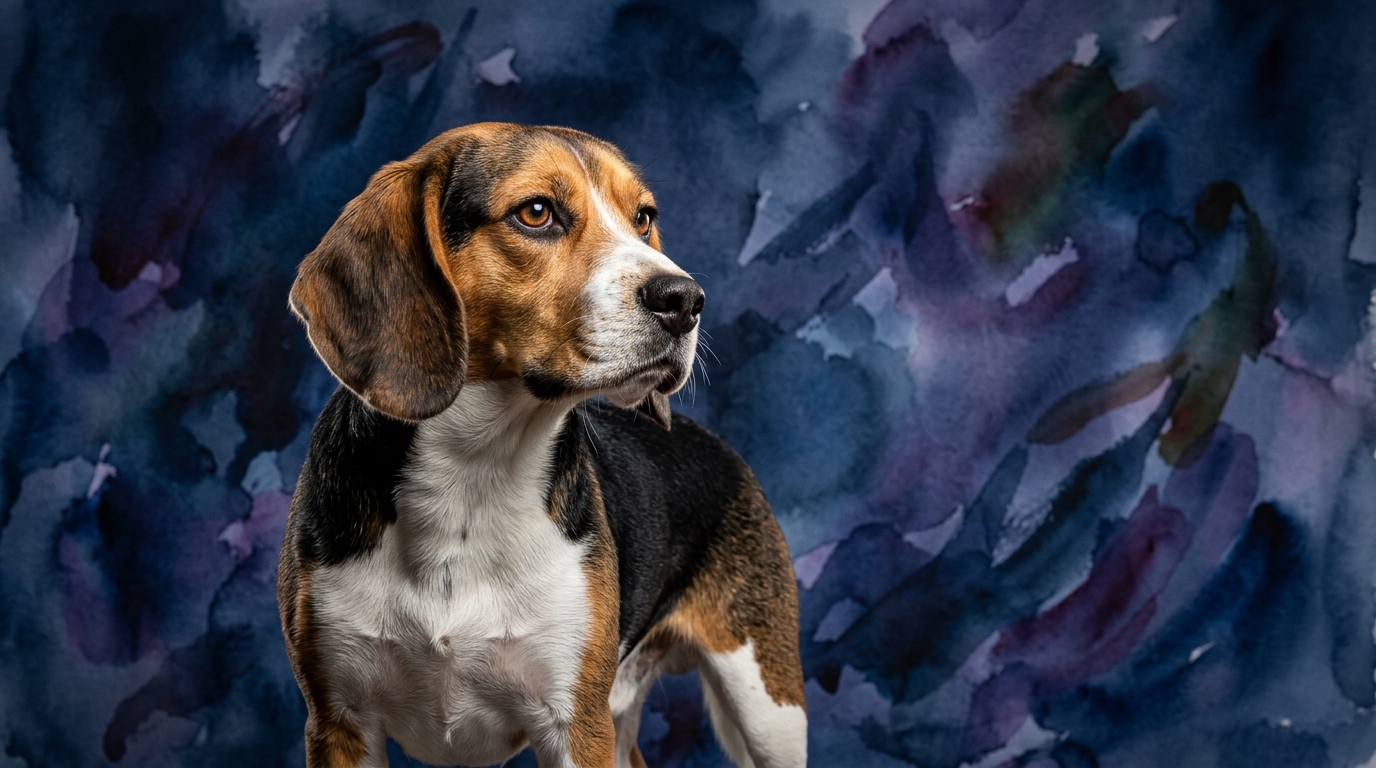
The Cosmic Pet Pet IQ Lab employs five key dimensions to evaluate canine intelligence, offering a nuanced view beyond simplistic labels. For the Beagle, ranked #72 by Coren, its profile shows a Problem Solving score of 4/5, indicating a strong capacity for independent thought and navigating complex situations, often driven by scent. Training Speed is noted at 2/5, suggesting they require patience and consistent methods to grasp new commands. Social Intelligence stands at 3/5, reflecting a moderate ability to interpret human cues and interact within a social structure. Their Instinctive Drive is a formidable 5/5, primarily focused on scent-tracking and pursuit, making their noses powerful motivators. Finally, their Memory is rated 4/5, enabling them to recall complex scent trails and past experiences with remarkable accuracy.
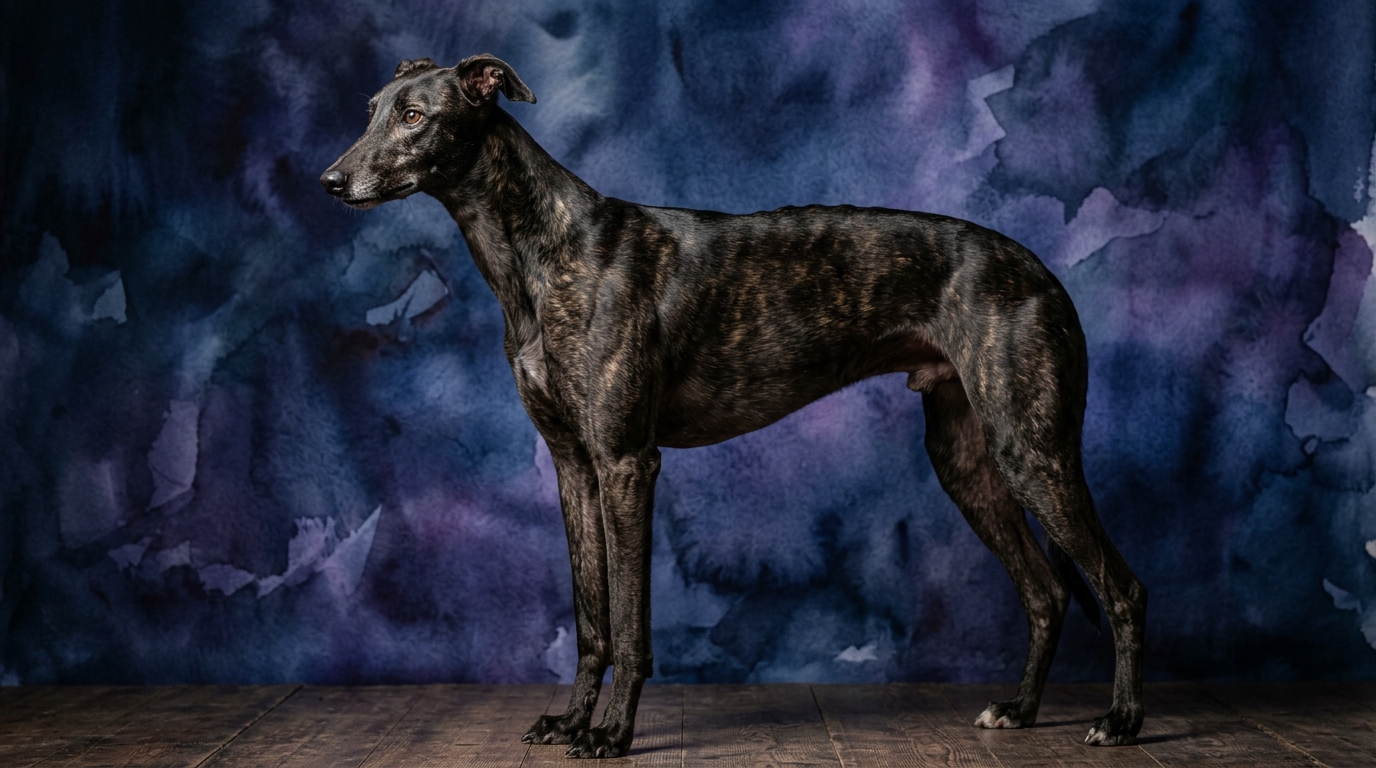
In contrast, the Greyhound, with a Coren rank of #46, presents a different cognitive blueprint. Its Problem Solving score is 3/5, indicating a respectable but perhaps less independent approach to novel challenges compared to the Beagle. Like the Beagle, its Training Speed is 2/5, implying that while capable, they are not rapid learners of obedience commands. Social Intelligence matches the Beagle at 3/5, suggesting a similar aptitude for understanding social dynamics. Their Instinctive Drive is also 5/5, though predominantly expressed as a powerful prey drive for visual pursuit at high speeds, rather than scent-tracking. The Greyhound's Memory is rated 3/5, indicating a solid but not exceptional capacity for recall of events or learned behaviors.
Where the Beagle's Mind Shines Cognitively
The Beagle clearly distinguishes itself in two crucial cognitive areas: problem-solving and memory. With a Problem Solving score of 4/5, Beagles exhibit a superior capacity for independent thought and strategic navigation, particularly when their powerful olfactory senses are engaged. This manifests in their ability to meticulously follow and interpret intricate scent trails, requiring them to make complex decisions about direction, intensity, and age of a scent. They're not just following; they're actively processing environmental data to achieve a goal, often with minimal human guidance.
Their Memory score of 4/5 further reinforces this cognitive advantage. Beagles can retain vast libraries of scent information and spatial memories associated with these trails, allowing them to revisit areas or pick up a scent from where they left off. This robust memory is essential for their work as scent hounds, enabling them to learn and remember the nuances of their environment and past experiences, which is vital for effective tracking and exploration. This combination of strong problem-solving and memory makes them adept at overcoming obstacles that might deter a less cognitively flexible breed.
Where the Greyhound's Mind Holds an Edge
While the individual IQ dimensions show the Beagle ahead in problem-solving and memory, the Greyhound's higher Coren rank of #46 (compared to Beagle's #72) points to a different kind of cognitive strength: working and obedience intelligence. This rank suggests that Greyhounds, despite a similar training speed score, possess a greater aptitude for understanding and reliably executing human commands. This isn't necessarily about raw problem-solving a puzzle, but about their capacity for focused cooperation and responsiveness to a handler's directives.
Their history as sight hounds, bred for high-speed pursuit in coordination with humans, likely fostered a cognitive pathway that prioritizes visual cues and handler communication over independent, scent-driven exploration. While their problem-solving score is 3/5, their intelligence is acutely focused on tasks requiring rapid processing of visual information and immediate reaction, which is a specialized form of cognitive agility. This predisposition for attentive compliance, even if learning new commands takes time, gives them an edge in structured obedience and tasks where human-dog partnership is paramount, allowing them to apply their intelligence effectively in a directed manner.
Training Dynamics: Beagle's Nose vs. Greyhound's Focus
Both Beagles and Greyhounds share a Training Speed score of 2/5, indicating that neither breed is inherently quick to pick up new commands. However, the nature of the training challenge differs significantly due to their primary instinctive drives and cognitive strengths. Training a Beagle often feels like a constant negotiation with their nose. Their 5/5 Instinctive Drive for scent means that once a compelling odor is detected, their focus on human commands can vanish instantly. Their robust problem-solving (4/5) and memory (4/5) are often applied to figuring out how to follow that scent, rather than how to sit on cue.
Effective Beagle training requires immense patience, creativity, and high-value rewards to consistently capture their attention and override their powerful olfactory instincts. Consistency and positive reinforcement are key to making training a rewarding experience that can compete with the allure of a captivating scent. For Greyhounds, while their 5/5 Instinctive Drive is equally strong (focused on visual prey), their higher Coren rank suggests a greater underlying willingness to comply with commands once trained. Their intelligence, while not as independently problem-solving as a Beagle's, is often geared towards understanding human expectations and executing tasks when directed. Training them requires understanding their sensitivity and providing clear, gentle guidance. While they may not learn new tricks rapidly, their calm demeanor indoors and a desire to please can make them more reliable in obedience once the commands are established, provided their prey drive isn't actively engaged by a moving target.
Matching Minds: Active Owners vs. Relaxed Owners
When considering an owner's lifestyle, the Beagle and Greyhound cater to different dynamics. For active owners, particularly those who enjoy outdoor adventures, hiking, or even canine scent work, the Beagle is an ideal companion. Their high instinctive drive and superior problem-solving capabilities demand consistent mental and physical stimulation. A Beagle thrives on exploring new environments, following intriguing scents, and engaging in activities that challenge their intellect and utilize their powerful nose. Owners who are prepared for frequent, engaging walks, puzzle toys, and potentially structured scent games will find a fulfilling partnership with a Beagle.
Conversely, the Greyhound, often described as a '45 mph couch potato,' suits a broader spectrum of owners, including those who prefer a more relaxed home environment, provided their specific exercise needs are met. While their 5/5 instinctive drive necessitates bursts of intense physical activity—such as a good sprint in a securely fenced area—they are remarkably calm and quiet indoors. Owners who appreciate a dog that can transition from exhilarating runs to lounging peacefully on the sofa will find a Greyhound to be an excellent fit. They require an owner who understands their need for short, intense exercise sessions, but also values their serene, low-key presence within the home, making them suitable for both active individuals who can provide those sprints and more relaxed owners who appreciate a calm indoor companion.
The Verdict
Choose a Beagle if you are an active, patient owner who values an independently thinking companion with an exceptional nose, eager to explore the world through scent and solve environmental puzzles.
Opt for a Greyhound if you appreciate a calm, sensitive companion that thrives on short, intense bursts of exercise followed by extensive relaxation, and responds well to focused, gentle guidance in obedience.
🧠 Find Your Pet's IQ Score
Our Pet IQ Lab assessment covers 25+ tests across 5 cognitive dimensions — personalized to your breed.
Take the Full IQ Test →Frequently Asked Questions
Are Beagles difficult to train due to their scent drive?
Yes, Beagles' powerful 5/5 instinctive scent drive often makes them appear challenging to train. While their training speed is 2/5, their independent nature and focus on odors require consistent, patient, and highly rewarding methods to keep their attention on the handler rather than the environment.
Do Greyhounds need a lot of exercise despite being 'couch potatoes'?
Greyhounds require specific exercise, needing short, intense bursts of running in a securely fenced area to satisfy their 5/5 prey drive. While they are incredibly calm and relaxed indoors for much of the day, these high-energy sprints are crucial for their physical and mental well-being.
Which breed is better for first-time dog owners?
Neither breed is exceptionally 'easy' for a first-time owner given their 2/5 training speed and strong instinctive drives. However, a Greyhound's generally calmer indoor demeanor and higher Coren rank (indicating better obedience potential) might be slightly more manageable than a Beagle's persistent, scent-driven independence, provided their unique exercise needs are met.