Side-by-Side Cognitive Profiles
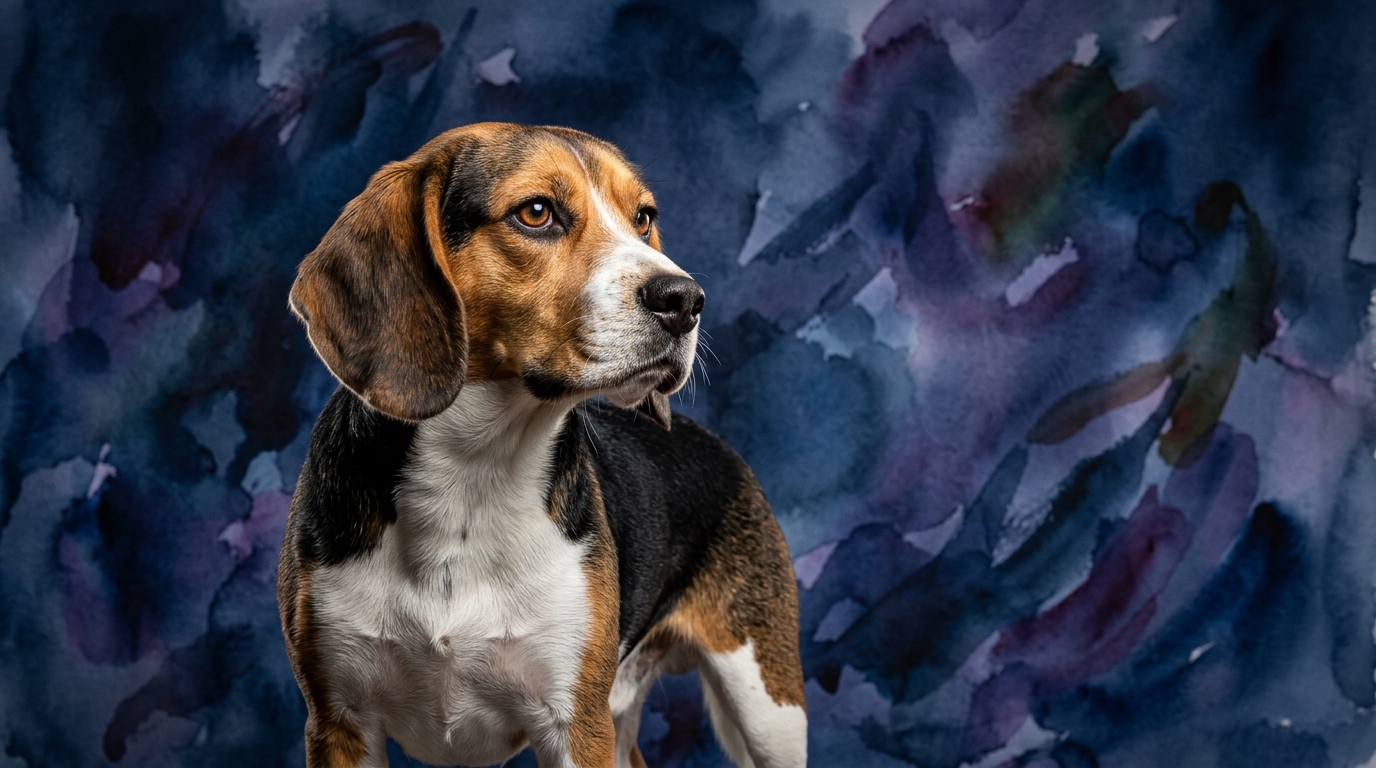
At The Cosmic Pet Pet IQ Lab, we delve into the nuanced cognitive landscapes of our canine companions. For the Beagle, ranked #72 by Coren, their profile paints a picture of intense focus and tenacity. Their Problem Solving is rated 4/5, indicating a strong ability to navigate complex situations, particularly when a compelling scent is involved, often employing persistent trial-and-error. Training Speed scores 2/5, reflecting their independent nature and propensity to prioritize their nose over human commands, making consistent instruction a challenge. Social Intelligence is 3/5; while generally friendly, their deep focus on scent can sometimes override social cues from both humans and other animals. An exceptional Instinctive Drive of 5/5 defines them, manifesting as an unwavering, single-minded determination in pursuing a scent trail. Finally, their Memory is 4/5, allowing for excellent recall of scent patterns, routes, and learned associations crucial for their work.
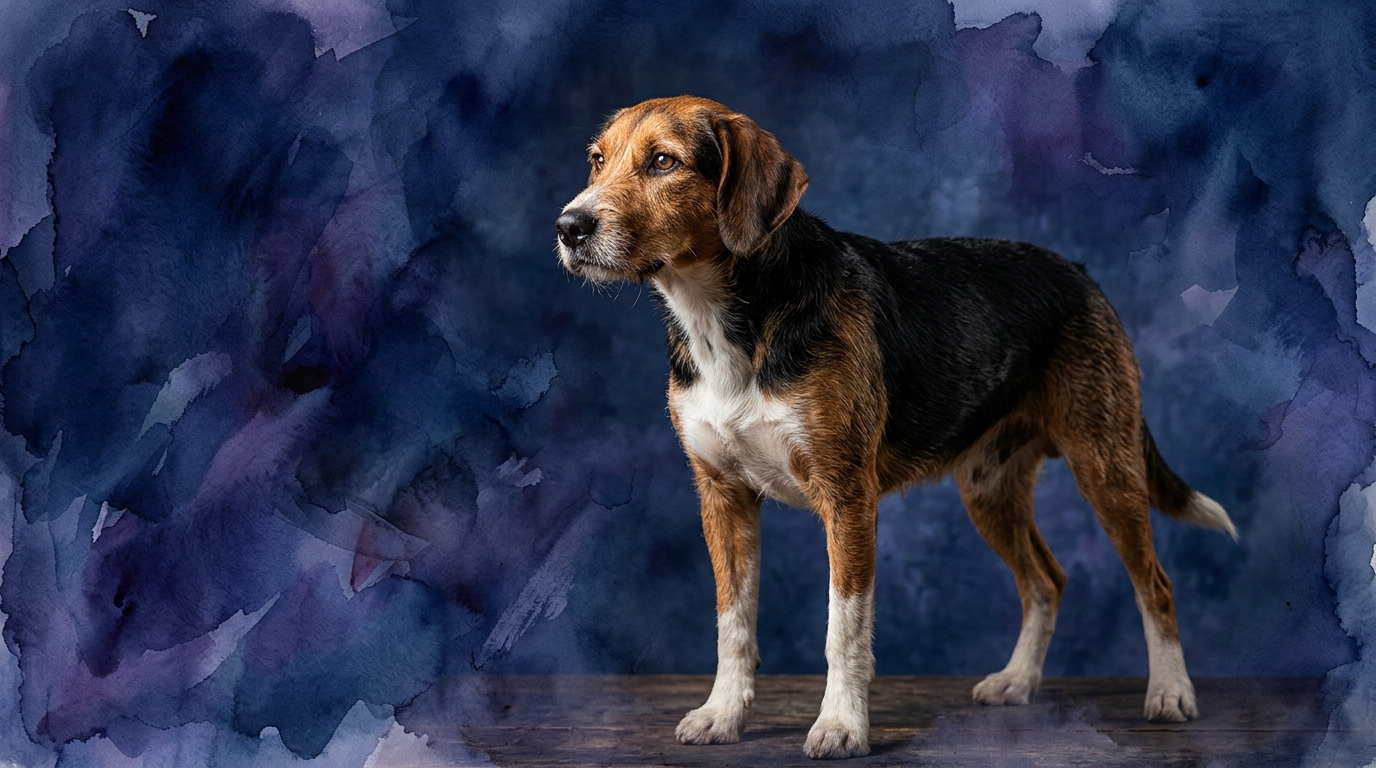
The Harrier, while not Coren-ranked, presents a slightly different cognitive balance. Their Problem Solving is 3/5, showing competence in resolving immediate environmental challenges, especially those involving scent, though perhaps with less intricate strategizing than a Beagle. Training Speed is 3/5, suggesting a more moderate pace for learning new commands and a comparatively greater openness to human direction than their smaller cousin. Social Intelligence also stands at 3/5, indicating a generally agreeable disposition within a pack or family, though like all hounds, external stimuli can divert their attention. Their Instinctive Drive is 3/5, a functional and present drive for scent-based hunting that is robust without being as overwhelmingly intense as the Beagle's. Memory for the Harrier is 3/5, providing reliable recall for routines, familiar environments, and significant sensory input.
Where the Beagle Excels Cognitively
The Beagle’s cognitive architecture truly shines in its specialized areas of Problem Solving and Instinctive Drive. Their 4/5 Problem Solving score isn't merely about finding a hidden treat; it's about the intricate mental processes involved in deciphering a scent puzzle. A Beagle demonstrates an impressive capacity to analyze a scent trail, assess its age and direction, and adapt their strategy when faced with environmental disruptions or false leads. This translates into a dog that can methodically work through a complex search, showcasing remarkable cognitive persistence. Furthermore, their 5/5 Instinctive Drive is a profound cognitive asset for their intended purpose. This isn't just a physical urge; it’s an unparalleled ability to maintain absolute mental focus on a single sensory input – scent – to the exclusion of nearly everything else. This extreme cognitive dedication allows them to filter out myriad distractions, demonstrating a singular-mindedness that few other breeds possess, making them exceptionally effective in sustained tracking and scent detection tasks.
Where the Harrier Excels Cognitively
While the Harrier’s individual scores might not reach the same peaks as the Beagle in every dimension, their cognitive strength lies in a more balanced and adaptable profile, particularly evident in their Training Speed and the relative intensity of their Instinctive Drive. With a 3/5 in Training Speed, the Harrier displays a subtly greater willingness to engage with human instruction compared to the Beagle's 2/5. This suggests a slightly more flexible cognitive framework, where their attention can be more readily directed towards learning new commands and routines. This isn't to say they are effortlessly obedient, but their mental receptiveness to training cues is comparatively higher, potentially making the foundational stages of obedience less challenging. Additionally, their 3/5 Instinctive Drive, while still significant, is less all-consuming than the Beagle's. This moderation allows the Harrier a greater capacity to disengage from an enticing scent trail and re-focus on their human companions, or adapt to non-hunting activities more readily. This cognitive flexibility means they can transition between tasks with greater ease, offering a more versatile mental approach to daily life.
Training Dynamics: Beagle vs. Harrier
When it comes to ease of training, the Harrier generally presents a more tractable experience than the Beagle, a difference rooted in their distinct cognitive profiles. The Beagle's 2/5 Training Speed is a direct consequence of their formidable 5/5 Instinctive Drive. Imagine trying to teach a complex calculus problem to someone whose sole focus is an irresistible aroma wafting from the next room; that's often the Beagle's cognitive state during training. Their brain is wired to prioritize scent over almost all else, meaning that even basic commands require intense, consistent effort and highly rewarding motivators to capture and hold their attention. They are not unintelligent, but their cognitive "priority list" places scent at the very top.
The Harrier, with a 3/5 Training Speed and a 3/5 Instinctive Drive, offers a comparatively more receptive mental landscape. While still possessing a hound's independent spirit, their drive is less overwhelming, creating more windows of opportunity for effective learning. They are more likely to process and respond to commands even when intriguing environmental stimuli are present, without becoming entirely deaf to their handler. This means a Harrier can often achieve a reliable grasp of basic obedience with more consistent effort and less struggle than a Beagle, making the training journey, while still requiring dedication, generally more rewarding for the average owner.
Matching Breeds to Lifestyles: Active vs. Relaxed Owners
Neither the Beagle nor the Harrier are suited for truly relaxed, sedentary owners; both are active hounds requiring substantial engagement. However, their cognitive profiles dictate different types of active ownership. The Beagle, with its potent 5/5 Instinctive Drive and 4/5 Problem Solving, thrives with owners who are not only active but also eager to channel an exceptionally focused, scent-driven mind. They are ideal companions for individuals or families who embrace extensive outdoor exploration, participate in scent work, tracking sports, or design complex puzzle games. A Beagle demands consistent mental and physical stimulation to prevent boredom and behavioral challenges arising from their unchanneled drive. Owners must be prepared for a dog whose nose will often lead the way, potentially requiring robust recall training in secure environments.
The Harrier, with its more balanced 3/5 Instinctive Drive, might appeal to active owners seeking a versatile companion who still enjoys outdoor adventures but perhaps with a slightly less intense, all-consuming focus on scent. They still require ample daily exercise – long walks, hikes, or jogs – and benefit from mental stimulation through training and play. An active owner who enjoys varied outdoor activities, values a dog that can transition between tasks more readily, and is prepared for consistent training, would find the Harrier a suitable match. While still hounds that will follow their noses, the Harrier's cognitive balance allows for a slightly broader range of shared activities beyond pure scent-driven pursuits, making them a fit for an active lifestyle that is perhaps not solely centered around tracking.
The Verdict
Choose the Beagle if you are a dedicated, active owner passionate about channeling an intense, scent-driven mind, prepared for consistent cognitive challenges and tenacious training to manage their profound drive.
Opt for the Harrier if you desire an active, sociable hound with a slightly more balanced drive, offering a comparatively easier training experience while still thriving on outdoor adventures and requiring consistent engagement.
🧠 Find Your Pet's IQ Score
Our Pet IQ Lab assessment covers 25+ tests across 5 cognitive dimensions — personalized to your breed.
Take the Full IQ Test →Frequently Asked Questions
Do Beagles and Harriers get along with other pets?
Both breeds possess a social intelligence of 3/5, indicating they generally get along well with other dogs and can adapt to multi-pet households. Early socialization is crucial to ensure harmonious relationships, particularly with smaller non-canine pets, due to their inherent prey drive which can be strong in both breeds.
Are Beagles or Harriers better for first-time dog owners?
Neither breed is typically recommended for absolute first-time dog owners due to their independent hound nature and strong drives, which require consistent management. However, the Harrier's slightly higher training speed and more moderate instinctive drive might present fewer challenges for a committed novice willing to invest heavily in training and socialization.
How much exercise do these breeds need to stay cognitively stimulated?
Both breeds require significant daily exercise, often 60-90 minutes, including vigorous activity and ample opportunities for scent work to satisfy their innate drive. Cognitive stimulation is equally vital, achieved through puzzle toys, obedience training, and structured scent games to engage their innate problem-solving and memory abilities.