Side-by-Side IQ Profile: Beagle vs. Havanese
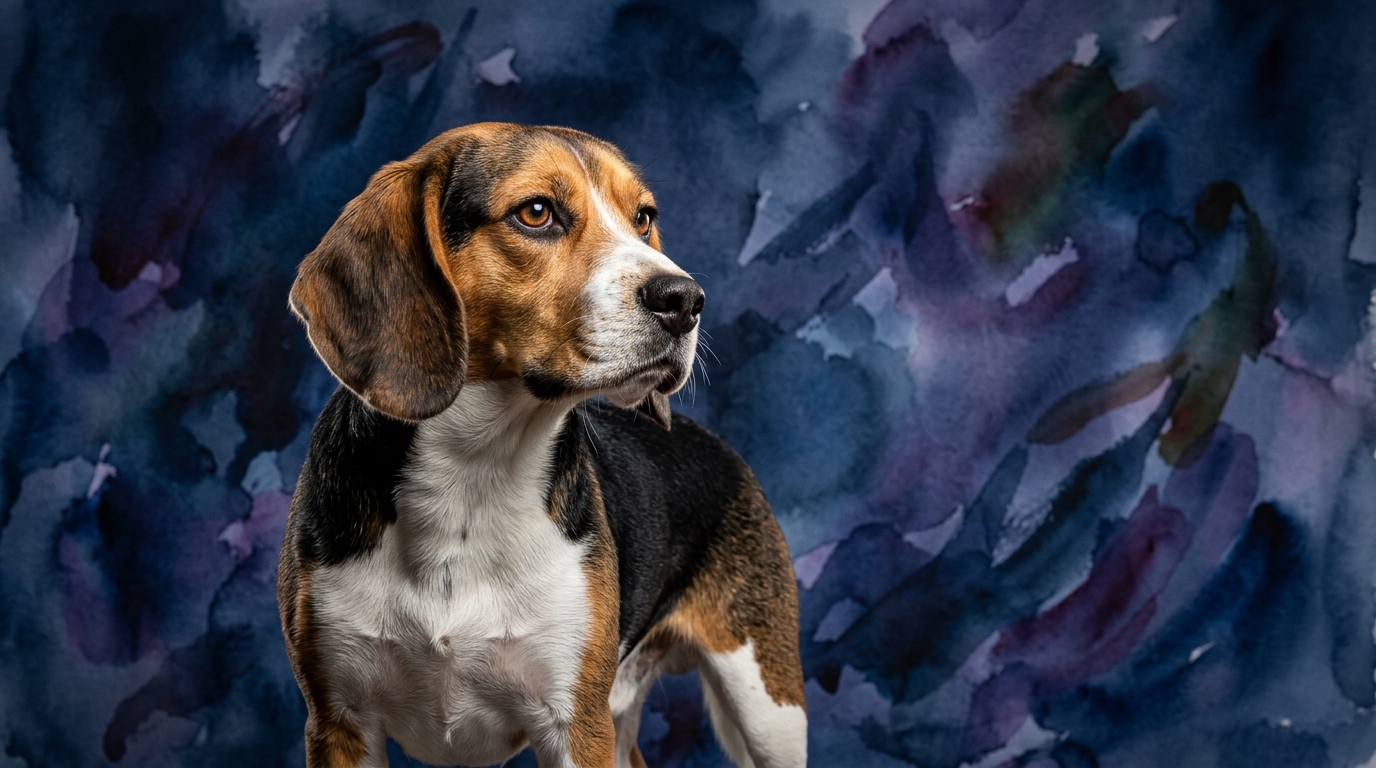
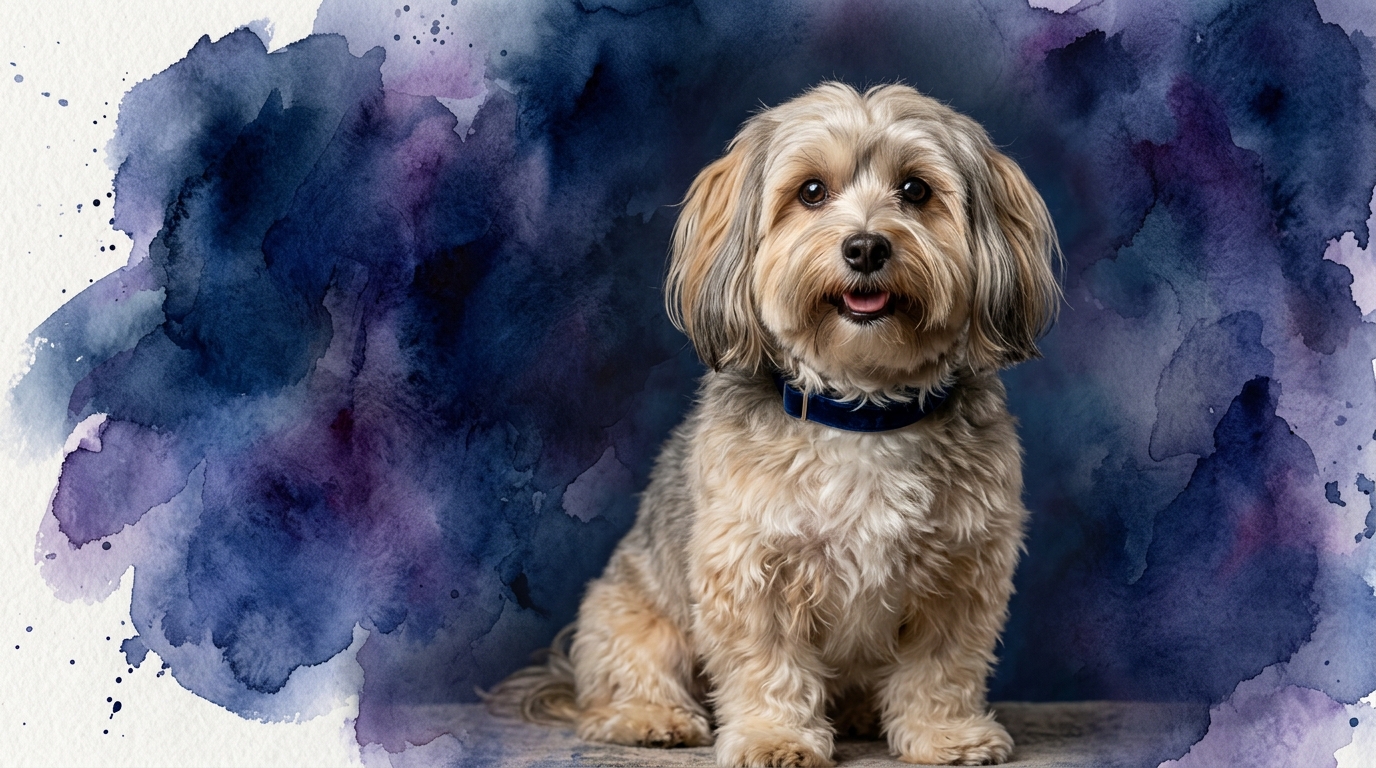
The Cosmic Pet Pet IQ Lab assesses canine intelligence across five key dimensions, offering a nuanced view of a breed's mental makeup. The Beagle, a hound with a rich history of tracking, presents a profile heavily influenced by its olfactory prowess and independent nature, earning a Coren rank of #72. Its cognitive strengths are deeply rooted in its ancient purpose. The Havanese, a charming companion dog, while not Coren-ranked, demonstrates a cognitive profile geared towards interaction and adaptability within a human household.
For the Beagle, Problem Solving is rated at 4/5, indicating a strong capacity to strategize and overcome obstacles, particularly when motivated by scent. Training Speed, however, stands at 2/5, reflecting a tendency for independent thought and a powerful, often distracting, instinctive drive. Social Intelligence is 3/5, suggesting a moderate awareness of human cues, but not necessarily a primary motivator for action. Its Instinctive Drive is a commanding 5/5, highlighting an intense, innate urge to follow scent and pursue. Memory is also robust at 4/5, allowing Beagles to recall complex scent trails and past experiences with remarkable accuracy.
The Havanese presents a contrasting picture. Its Problem Solving ability is rated 3/5, demonstrating a competent but perhaps less independent approach to challenges compared to the Beagle. Training Speed is 3/5, indicating a moderate pace of learning new commands and routines, often influenced by their desire for interaction. A standout feature is their Social Intelligence at 5/5, signifying an exceptional ability to read and respond to human emotions and social cues, making them highly attuned companions. Instinctive Drive is a lower 2/5, meaning their natural urges are less dominant and more easily redirected than a Beagle's. Memory for the Havanese is 3/5, allowing them to retain information adequately for daily interactions and learned behaviors.
Where the Beagle Wins Cognitively
The Beagle's cognitive strengths shine brightest in areas requiring sustained focus, independent thought, and a highly developed sense of smell. With a Problem Solving score of 4/5, Beagles excel at navigating intricate environments or deciphering puzzles that lead to a reward, especially if that reward involves food or a compelling scent. Their ability to strategize how to access a hidden treat, for instance, often involves a methodical process of trial and error, demonstrating a nuanced understanding of spatial relationships and object manipulation.
The unparalleled Instinctive Drive of 5/5 is where the Beagle truly dominates. This isn't just about a strong urge; it's a cognitive specialization. Beagles possess an extraordinary capacity for scent discrimination and tracking, allowing them to follow a faint odor trail for miles, ignoring distractions that would overwhelm other breeds. This drive is supported by their 4/5 Memory, enabling them to recall complex scent patterns and the locations of past finds, making them incredibly effective in scent work, whether for hunting or detection tasks. Their minds are wired for environmental exploration through olfaction, a cognitive domain where few breeds can compete.
Where the Havanese Wins Cognitively
The Havanese's cognitive prowess is centered on its profound ability to connect with and understand human beings. Its Social Intelligence, rated at a perfect 5/5, is a defining characteristic. This isn't merely friendliness; it's a sophisticated capacity to interpret subtle human body language, vocal inflections, and emotional states. A Havanese can often anticipate an owner's needs or mood, adjusting its behavior to offer comfort or solicit play, demonstrating a deep empathetic understanding and a desire to harmonize with its human family.
While its Problem Solving is 3/5, the Havanese often uses its social intelligence to 'solve' problems by engaging its human companions. Instead of independently figuring out a complex puzzle, a Havanese might learn to signal its owner for help, effectively leveraging its social bond to achieve its goals. Its moderate Training Speed of 3/5, combined with its high social intelligence, means it learns best through positive reinforcement that strengthens the human-dog bond, responding enthusiastically to praise and interactive training sessions. Their cognitive architecture prioritizes understanding and participating in the human social world above all else.
Which is Easier to Train and Why
When considering ease of training, the Havanese generally presents a more straightforward experience for the average owner. Its Training Speed is 3/5, which is moderate, but critically, its Social Intelligence is 5/5. This means a Havanese is highly motivated by human interaction, praise, and the desire to please its owner. They are adept at picking up on cues and adapting their behavior to maintain positive social exchanges. Training a Havanese often feels like a cooperative effort, where the dog is actively engaged in understanding and responding to commands because it strengthens its bond with you.
The Beagle, with a Training Speed of 2/5, can be more challenging. While certainly capable of learning, their powerful Instinctive Drive (5/5) often competes directly with their attention to human commands. A Beagle's nose is its primary motivator; once it catches an interesting scent, its cognitive focus shifts entirely to tracking that odor, making it notoriously difficult to recall or redirect. Training a Beagle requires immense patience, consistency, and often, highly motivating food rewards to compete with the allure of the outside world. Their lower social intelligence (3/5) means they are less inherently driven to please humans, making training more about establishing clear boundaries and consistent reinforcement than leveraging a strong desire for companionship-based cooperation.
Which Suits Active Owners vs. Relaxed Owners
The Beagle's cognitive profile and physical needs align perfectly with active owners who appreciate and can channel its boundless energy and keen senses. An owner who enjoys long hikes, scent work, or participating in dog sports like agility or tracking will find a Beagle's 5/5 Instinctive Drive and 4/5 Problem Solving to be a rewarding match. They thrive on mental and physical stimulation that allows them to use their nose and explore. A Beagle requires consistent, vigorous exercise and engagement to prevent boredom and destructive behaviors; a relaxed owner might find their energetic nature overwhelming and their independent pursuit of scents frustrating.
Conversely, the Havanese is an ideal companion for more relaxed owners or those seeking a highly interactive indoor companion. Their lower Instinctive Drive (2/5) and exceptional Social Intelligence (5/5) mean they are content with moderate daily exercise, such as short walks and indoor play, as long as it's accompanied by plenty of human attention. They thrive on being an integral part of family life, preferring to be close to their people rather than embarking on solo expeditions. An owner who values companionship, cuddles, and consistent, gentle interaction will find the Havanese's adaptable and affectionate nature a perfect fit. They are less demanding in terms of strenuous activity but require significant emotional engagement.
The Verdict
Choose a Beagle if you are an active individual or family prepared to engage with a dog's profound instinctive drive, offering ample opportunities for scent work and vigorous outdoor exploration, and you appreciate an independent, problem-solving mind.
Opt for a Havanese if you desire a highly social, adaptable companion who thrives on close human interaction, is content with moderate activity, and will readily integrate into a relaxed, family-oriented lifestyle, valuing emotional connection above all else.
🧠 Find Your Pet's IQ Score
Our Pet IQ Lab assessment covers 25+ tests across 5 cognitive dimensions — personalized to your breed.
Take the Full IQ Test →Frequently Asked Questions
Is a Beagle difficult to train because of its intelligence?
A Beagle's training challenges stem less from a lack of intelligence and more from its powerful, specialized instinctive drive (5/5) and moderate training speed (2/5). Their minds are highly capable of problem-solving (4/5) and memory (4/5), but their primary motivation is often following scents, which can override commands if not managed with consistent, reward-based training.
How does Havanese social intelligence impact their behavior?
The Havanese's exceptional social intelligence (5/5) means they are highly attuned to human emotions and cues, making them eager to please and excellent at forming strong bonds. This cognitive strength contributes to their adaptability, making them generally well-behaved in social settings and very responsive to training methods that emphasize positive reinforcement and connection with their owner.
Which breed is better for first-time dog owners?
For most first-time dog owners, the Havanese is often a more manageable choice due to its high social intelligence (5/5), moderate training speed (3/5), and lower instinctive drive (2/5), which makes them more amenable to training and less prone to independent mischief. Beagles, with their strong scent drive and independent nature, require a more experienced hand and a deeper commitment to specialized training and exercise.