Side-by-Side IQ Profile: Beagle vs. Irish Terrier
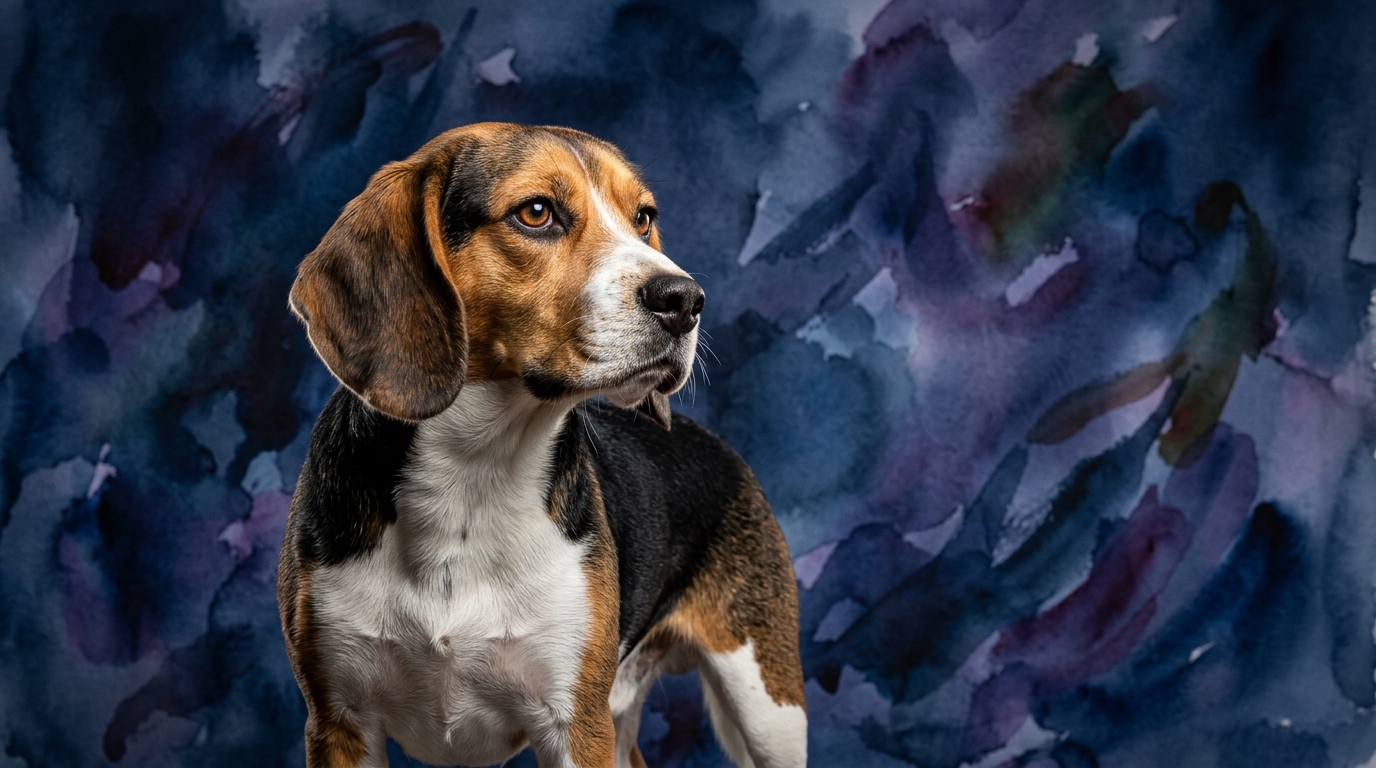
At The Cosmic Pet Pet IQ Lab, we analyze canine cognition across five critical dimensions to provide a nuanced understanding of each breed's mental landscape. For the Beagle, a hound breed, its profile shows a strong aptitude for Problem Solving at 4/5, indicating a robust capacity for independent thought and navigating complex situations, especially when their powerful nose is involved. Their Training Speed registers at 2/5, suggesting that while they can learn, it often requires patience and consistent, highly motivating methods. Social Intelligence stands at 3/5, reflecting a generally amiable nature but with an independent streak. The Beagle's Instinctive Drive is exceptionally high at 5/5, primarily centered around their olfactory capabilities, making them relentless trackers. Finally, their Memory is rated at 4/5, allowing them to recall scent trails and routines with impressive accuracy.
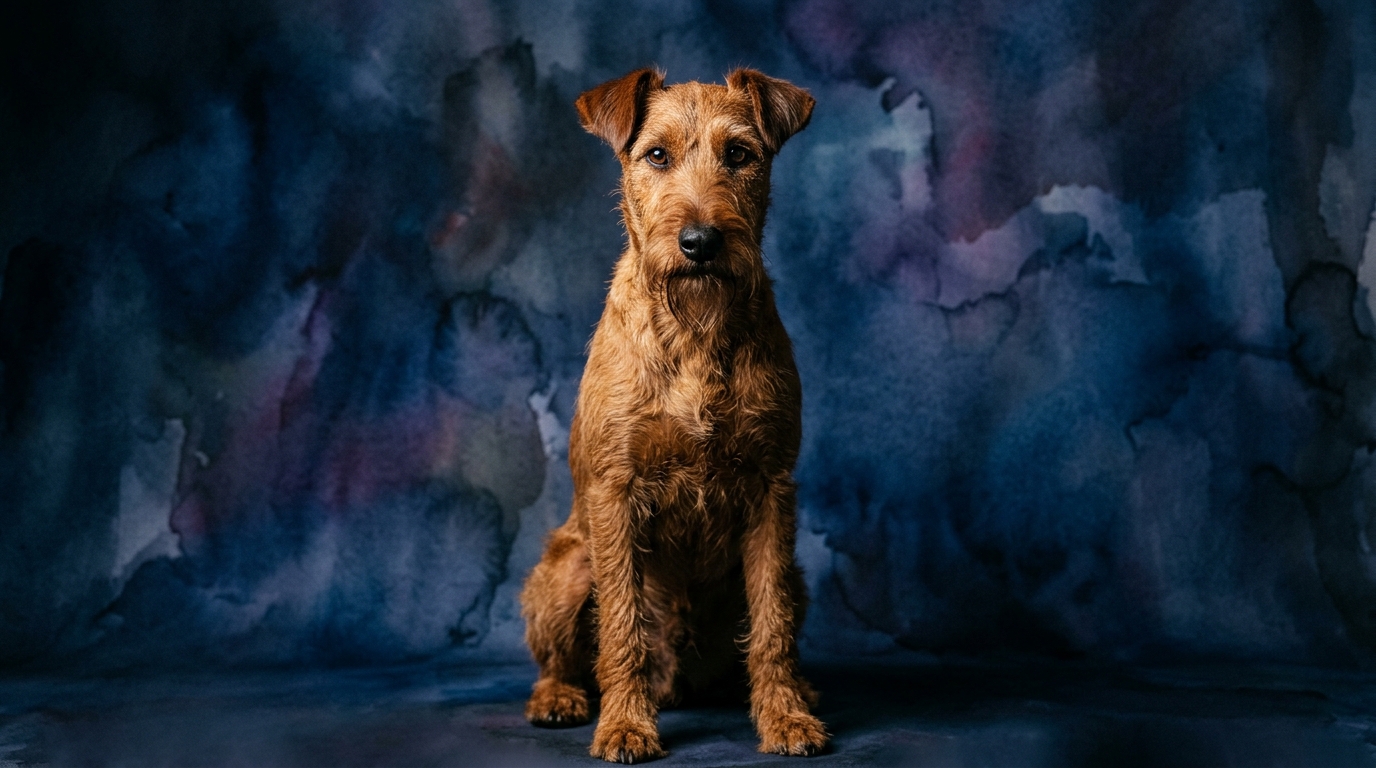
The Irish Terrier, a member of the terrier group, presents a different cognitive blueprint. Its Problem Solving ability is rated at 3/5, demonstrating a moderate capacity to figure out challenges, often through persistent effort rather than intricate strategizing. Their Training Speed is assessed at 3/5, indicating a reasonable pace of learning, though their independent nature can sometimes present a challenge. Social Intelligence mirrors the Beagle at 3/5, showing an ability to connect with their family while often being more reserved with strangers. The Irish Terrier's Instinctive Drive is moderate at 3/5, encompassing a typical terrier prey drive but not to the all-consuming degree seen in specialized scent hounds. Their Memory also sits at 3/5, suggesting they retain learned commands and experiences adequately without the Beagle's specific exceptional recall for sensory details.
Where the Beagle Wins Cognitively
The Beagle's cognitive strengths distinctly shine in areas tied to its ancestral purpose. Its superior Problem Solving score of 4/5, compared to the Irish Terrier's 3/5, is largely fueled by its unparalleled olfactory prowess. Beagles excel at intricate scent puzzles, meticulously following trails and navigating environments to locate a target, a task that demands sustained focus and adaptive strategy. This isn't just about finding; it's about interpreting a complex tapestry of odors and making decisions based on subtle environmental cues.
Furthermore, the Beagle's exceptional Instinctive Drive (5/5) and strong Memory (4/5) work synergistically. While the Irish Terrier possesses a typical terrier drive, the Beagle's drive is a singular, overwhelming force. This means a Beagle will often demonstrate a relentless dedication to a task, especially scent-related ones, far beyond what most other breeds exhibit. Their memory is particularly adept at recalling these complex scent sequences and the routes associated with them, making them highly effective in roles requiring consistent, long-term tracking or pattern recognition related to their primary sense.
Where the Irish Terrier Wins Cognitively
The Irish Terrier showcases its own distinct cognitive advantages, particularly in areas where a balanced temperament and responsiveness are valued. With a Training Speed of 3/5 compared to the Beagle's 2/5, the Irish Terrier generally demonstrates a quicker uptake of new commands and routines. This indicates a greater willingness to engage in structured learning sessions and a more straightforward pathway to establishing desired behaviors, even with its inherent terrier independence. Their moderate problem-solving approach (3/5) is often characterized by determined persistence, which, while not always the most elegant, frequently leads to a successful outcome.
Moreover, the Irish Terrier's moderate Instinctive Drive (3/5) can be a cognitive 'win' for certain owners. While still possessing a prey drive, it is less overwhelming than the Beagle's all-consuming scent drive. This means an Irish Terrier is often more easily redirected from instinctual pursuits and may integrate more seamlessly into a varied family life without their primary drive constantly overriding other considerations. Their balanced Memory (3/5) supports a general retention of family routines and social cues, allowing them to adapt well to a domestic environment without being hyper-focused on a single sensory input.
Which Is Easier to Train and Why?
When considering ease of training, the Irish Terrier generally holds an advantage over the Beagle. The Irish Terrier's Training Speed is rated at 3/5, indicating a moderate responsiveness to instruction. They possess a keen intellect and a desire to please their family members, which, when combined with their natural persistence, allows them to grasp concepts and commands relatively efficiently. While they can exhibit typical terrier independence and a stubborn streak, a skilled trainer can leverage their loyalty and robust nature to achieve consistent results.
In contrast, the Beagle's Training Speed is rated at 2/5, suggesting a more challenging and often slower training process. This is not due to a lack of mental capacity; rather, it's a direct consequence of their overwhelmingly high Instinctive Drive (5/5) and exceptional Problem Solving (4/5) when their nose is engaged. A Beagle's world is dominated by scent, and once they lock onto an interesting odor, their focus becomes singularly directed towards that pursuit, making it incredibly difficult to divert their attention to human-initiated commands. Their independent problem-solving often leads them to prioritize their own olfactory investigations over human directives, requiring immense patience, highly rewarding motivation, and innovative training techniques to keep them engaged and compliant.
Which Suits Active Owners vs. Relaxed Owners?
For active owners, both breeds offer engagement, but with different needs. The Beagle, with its extremely high Instinctive Drive (5/5) and strong Memory (4/5) for trails, thrives with owners who are committed to providing ample opportunities for scent work, long walks, or supervised outdoor exploration. They are not content with short strolls; their minds and bodies demand consistent engagement that taps into their tracking abilities. Owners who enjoy hiking, scent games, or even canine sports like trailing will find the Beagle a tireless and enthusiastic partner.
The Irish Terrier, while also requiring regular exercise due to its terrier heritage, presents a more adaptable energy profile. Its moderate Instinctive Drive (3/5) means that while it enjoys vigorous play and walks, it's often more content to relax indoors after a good session. This makes them suitable for active owners who appreciate daily engagement but might not want a dog whose primary motivation is an all-consuming scent quest. For more relaxed owners, neither breed is truly a 'couch potato,' but the Irish Terrier's capacity for downtime after exercise might make it a slightly more manageable choice than a Beagle perpetually driven by its nose.
The Verdict
Choose the Beagle if you are an active individual or family prepared to engage deeply with a dog's profound scent-driven intelligence, valuing their independent problem-solving and tireless tracking ability above immediate obedience. They thrive with dedicated scent work and consistent outdoor adventures.
Opt for the Irish Terrier if you seek a spirited, loyal companion who learns at a moderate pace and offers a balance of active engagement and relaxed family time, appreciating their tenacious personality and more manageable instinctive drives.
🧠 Find Your Pet's IQ Score
Our Pet IQ Lab assessment covers 25+ tests across 5 cognitive dimensions — personalized to your breed.
Take the Full IQ Test →Frequently Asked Questions
Are Beagles difficult to train due to their intelligence?
Beagles possess a high level of problem-solving ability, particularly when scent is involved, but their training speed is moderate. Their strong instinctive drive to follow scents often makes them appear stubborn or distracted, requiring patient, consistent, and highly motivating training methods.
Do Irish Terriers have a strong prey drive?
Irish Terriers have a moderate instinctive drive, which includes a typical terrier prey drive. While not as overwhelming as a Beagle's scent drive, they may chase small animals, so secure containment and consistent recall training are important.
Which breed is better for a first-time dog owner?
For a first-time dog owner, the Irish Terrier might be slightly more manageable due to its moderate training speed and less overwhelming instinctive drives compared to the Beagle's intense scent focus. Both breeds require commitment, but the Irish Terrier's cognitive profile can be a bit more forgiving.