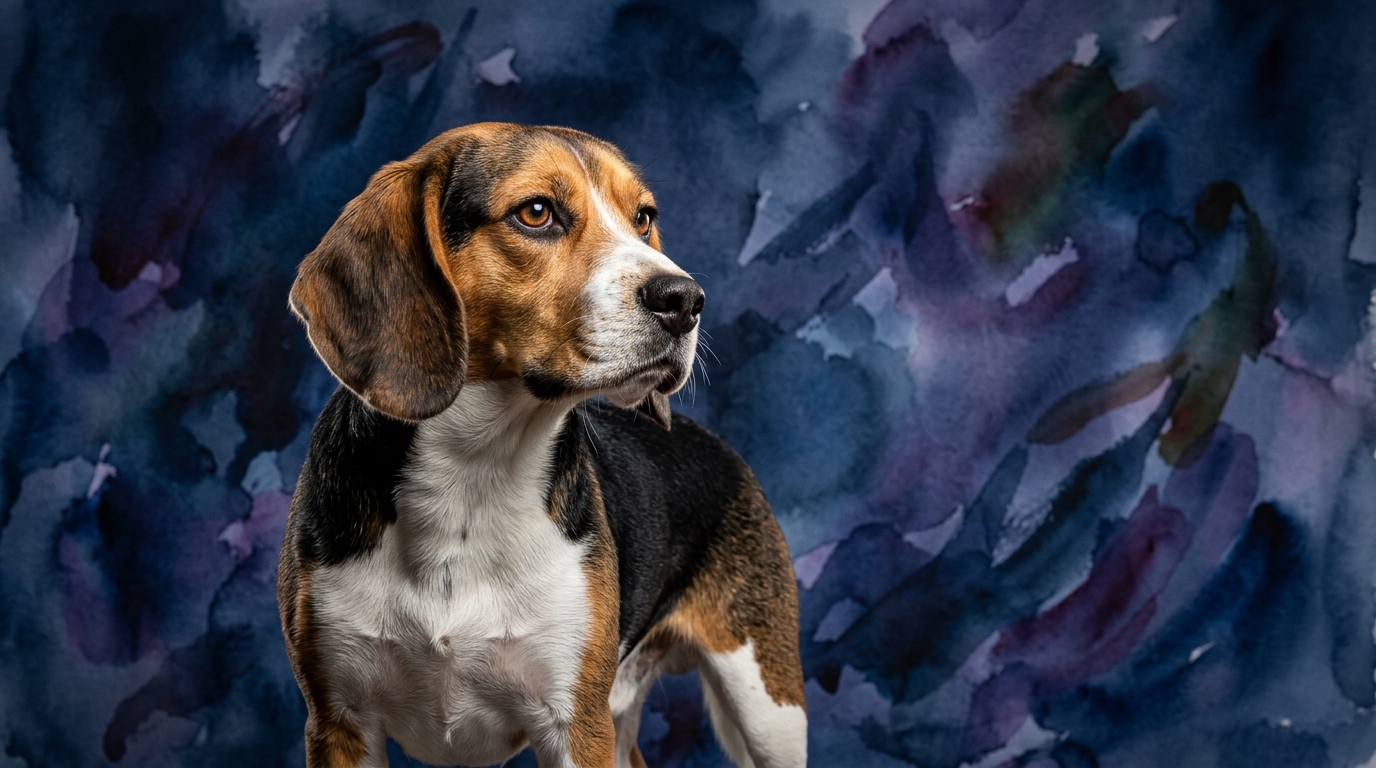
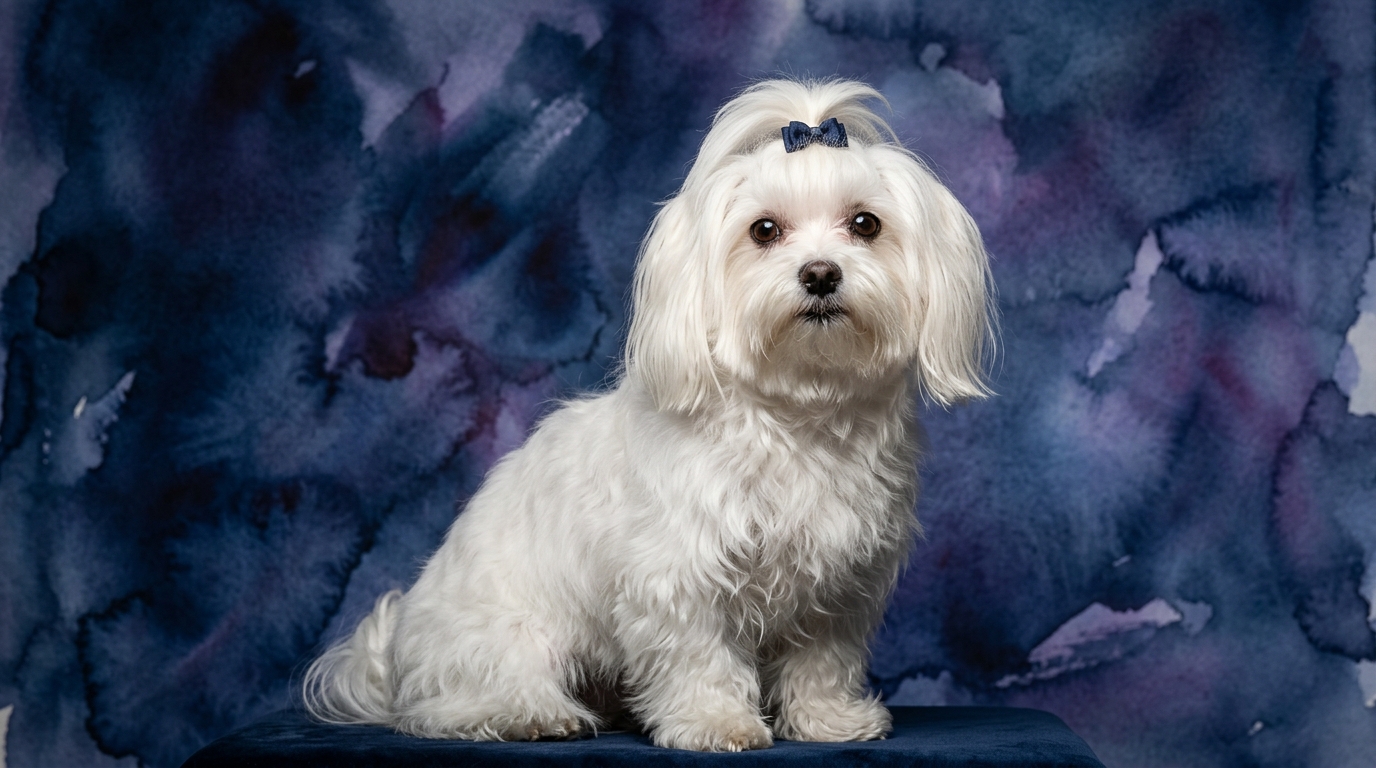
Side-by-Side IQ Profile: Beagle vs. Maltese
**Beagle:** Problem Solving (4/5): The Beagle excels at navigating complex environments and overcoming obstacles when a compelling scent is involved. Their cognitive strength lies in persistence and deduction, meticulously following a trail, even when it's faint or broken, demonstrating a robust ability to work through environmental puzzles. Training Speed (2/5): Beagles present a moderate challenge in training due to their powerful, often overriding, instinctive drive. While capable of learning, their attention can be intensely diverted by interesting smells, requiring patient, consistent, and highly motivating methods to keep them focused on human commands. Social Intelligence (3/5): While generally friendly and good with family, the Beagle's social intelligence is more geared towards pack dynamics and less towards intricate human emotional subtleties. They appreciate companionship but might not be as finely tuned to an owner's fleeting moods as a companion breed. Instinctive Drive (5/5): This is the Beagle's defining cognitive feature; their instinctive drive for scent work is unparalleled. They possess an unwavering determination to follow a smell to its source, a deep-seated behavioral program that dictates much of their interaction with the world. Memory (4/5): Beagles possess an excellent memory, particularly for scent trails and the locations of intriguing smells or previous finds. They can recall complex scent patterns and environmental layouts associated with successful hunts, a crucial trait for a tracking dog.
**Maltese:** Problem Solving (3/5): The Maltese demonstrates a capable level of problem-solving, often applied to social situations or manipulating their environment for comfort or attention. While not driven by complex environmental puzzles in the same way a hound is, they can figure out routines and how to achieve desired outcomes within their domestic sphere. Training Speed (3/5): With a moderate training speed, Maltese dogs can learn commands and routines effectively, especially when training is engaging and positive reinforcement is used. Their desire to please their primary caregiver often contributes to their willingness to cooperate and learn. Social Intelligence (5/5): The Maltese truly shines in social intelligence, exhibiting an exceptional ability to read human emotions, body language, and vocal tones. They are highly attuned to their owners' states, often acting as sensitive barometers of household moods and responding with comfort or play as appropriate. Instinctive Drive (2/5): The instinctive drive in a Maltese is relatively low, primarily focused on companionship and interaction rather than hunting or guarding. Their core motivation is typically human connection and being an integral part of the family unit, with minimal independent drives for external pursuits. Memory (3/5): Maltese dogs have a good memory, particularly for routines, people, and the specifics of their social interactions. They recall who provides comfort, who plays, and the sequence of daily events, reinforcing their strong bond with their human family.
Where the Beagle Wins Cognitively
The Beagle's cognitive strengths are undeniably rooted in their ancestral purpose as scent hounds. They possess a superior capacity for problem-solving tied to sensory input, specifically olfaction. A Beagle can process and follow a complex, multi-layered scent trail that would be utterly invisible to most other breeds, demonstrating an intricate mental map-making ability based purely on smell. Their relentless persistence in deciphering these invisible puzzles, overcoming physical barriers, or navigating diverse terrains solely by nose, showcases a unique form of independent, focused intelligence that few can match. This isn't just about sniffing; it's about interpreting a narrative told in molecules, making deductions, and maintaining concentration despite distractions, a truly specialized cognitive triumph.
Where the Maltese Wins Cognitively
Conversely, the Maltese excels in the intricate domain of social intelligence and emotional attunement. Their cognitive victory lies in their exceptional ability to read and respond to human non-verbal cues, anticipating needs, and communicating their own desires with remarkable clarity. A Maltese can often discern subtle shifts in an owner's mood, offering comfort or initiating play at just the right moment. This isn't merely learned behavior; it's a deep-seated capacity for empathetic understanding and sophisticated social interaction. Their success in navigating the complex landscape of human relationships, often manipulating situations to gain affection or comfort, highlights a form of emotional and relational problem-solving that is profoundly sophisticated and central to their role as companions.
Which is Easier to Train and Why
When it comes to ease of training, the Maltese generally presents a more straightforward experience for owners. Their higher social intelligence and lower instinctive drive mean they are typically more eager to please their human companions and less distracted by external stimuli. A Maltese often views training as a cooperative activity, a way to strengthen their bond and earn praise, making them responsive to positive reinforcement and consistent cues. In contrast, the Beagle's overwhelming instinctive drive for scent and their more independent problem-solving nature make training a significant challenge. While capable of learning, a Beagle's nose will almost always take precedence over a human command when an interesting scent is present, requiring immense patience, high-value rewards, and a deep understanding of their unique motivations to achieve reliable obedience. Their Coren rank of #72 compared to the Maltese's #59 reflects this difference in trainability, with the Maltese demonstrating a moderate training speed (3/5) against the Beagle's more challenging 2/5.
Which Suits Active Owners vs. Relaxed Owners
The choice between these two breeds also hinges significantly on an owner's lifestyle. A Beagle is unequivocally suited for active owners who relish outdoor adventures and are prepared to engage deeply with their dog's powerful instincts. These dogs require substantial daily exercise, preferably involving scent work or long, exploratory walks where their nose can lead. Owners must be vigilant about secure yards and leashed walks, as a Beagle's intense focus on a scent can easily lead them to wander far from home. Their cognitive energy is best spent tracking, exploring, and solving environmental puzzles. Conversely, the Maltese is an ideal match for relaxed owners or those seeking a devoted indoor companion. While they enjoy moderate walks and playtime, their primary needs are met through close human interaction and being an integral part of the domestic routine. Their lower instinctive drive and high social intelligence mean they are content with less strenuous activity, thriving on cuddles, lap time, and engaging in social games within the home.
The Verdict
If you are an owner who appreciates an independent, scent-driven worker, thrives on outdoor adventures, and is prepared to channel powerful instincts into structured activities like scent games or long hikes, the Beagle will be an incredibly rewarding choice.
For those seeking a highly responsive, deeply socially engaged companion who thrives on close interaction, integrates seamlessly into a home environment, and communicates with nuanced emotional intelligence, the Maltese stands out as the ideal partner.
🧠 Find Your Pet's IQ Score
Our Pet IQ Lab assessment covers 25+ tests across 5 cognitive dimensions — personalized to your breed.
Take the Full IQ Test →Frequently Asked Questions
Can a Beagle be trained for agility despite its Coren rank?
Yes, while their training speed (2/5) is moderate, their robust problem-solving (4/5) and memory (4/5) can make them capable agility participants. The key is to make it a game that engages their natural drive, often using scent-related rewards or high-value treats to maintain focus.
Is the Maltese's high social intelligence a form of problem-solving?
Absolutely. Their exceptional ability to interpret human body language, vocal tones, and routines allows them to "solve" social puzzles, anticipating needs or communicating their own desires effectively within the family unit. This demonstrates a sophisticated cognitive skill for navigating complex interpersonal dynamics.
Do these intelligence differences impact their suitability as family pets?
Yes, significantly. A Beagle's independent, scent-focused mind requires consistent management to prevent wandering and can sometimes make them seem less "tuned in" to family activities, while a Maltese's deep social connection makes them exceptionally attuned and responsive to family dynamics, though they might demand more attention and closeness.