The Cosmic Pet Pet IQ Profile: Beagle vs. Miniature Bull Terrier
The Cosmic Pet Pet IQ Lab employs a unique five-dimensional framework to assess canine intelligence, moving beyond singular obedience metrics. This approach allows us to appreciate the specialized cognitive strengths of each breed. Here’s how the Beagle and Miniature Bull Terrier stack up.
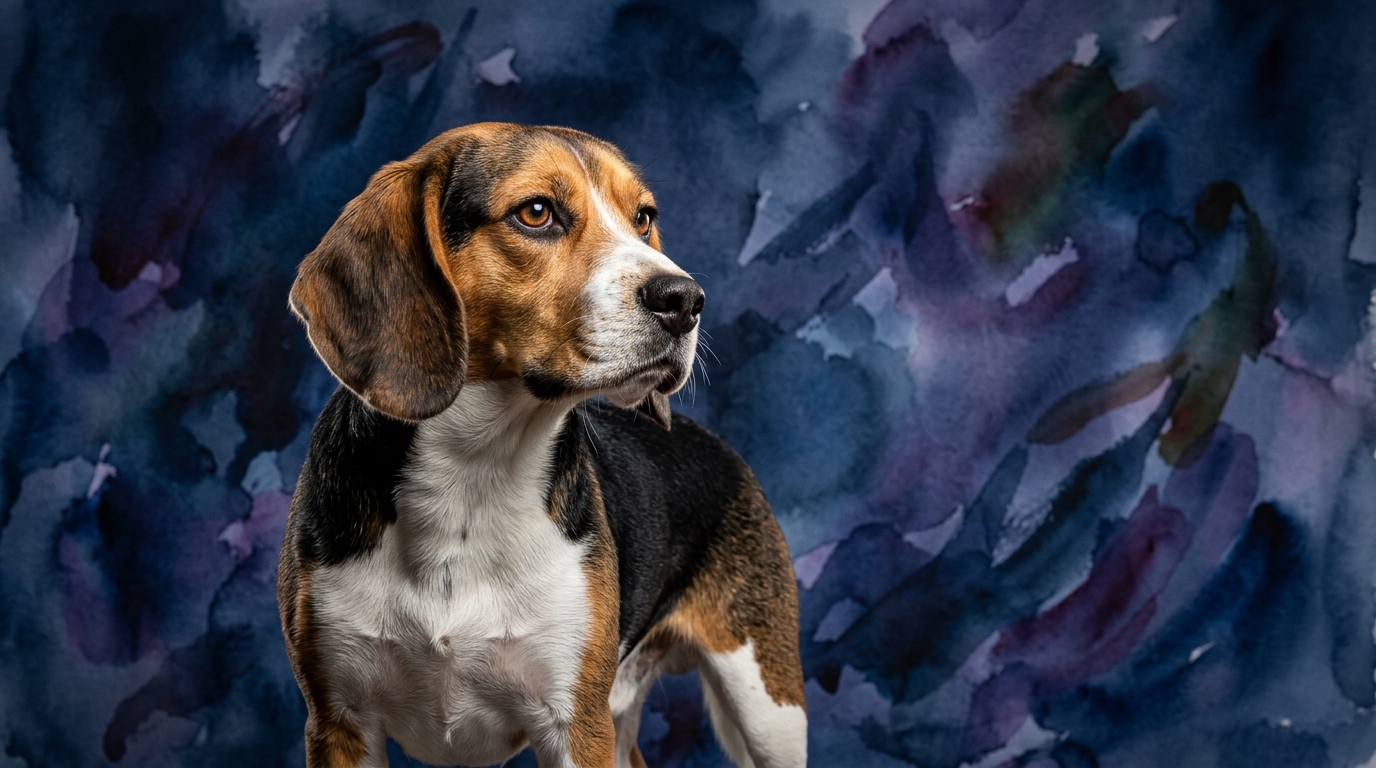
**The Beagle: A Scent-Driven Cognition** The Beagle, categorized as a Hound, holds a Coren rank of #72, placing it in the “average working/obedience intelligence” tier. However, this ranking doesn't fully capture its specialized cognitive brilliance. Its IQ profile reveals: **Problem Solving (4/5)** – The Beagle’s problem-solving acumen is profoundly tied to its nose. These dogs excel at deciphering complex scent trails, locating hidden objects through olfaction, and navigating environments based purely on aromatic cues. Their cognitive process in this domain is highly sophisticated, involving memory and discrimination. **Training Speed (2/5)** – While capable of learning, the Beagle's training speed is often hampered by its overwhelming instinctive drive. Its brain is constantly processing scents, making sustained focus on human-initiated commands a significant challenge, especially in stimulating environments. **Social Intelligence (3/5)** – Beagles are generally amiable and enjoy companionship, displaying a moderate understanding of social cues within their pack, both human and canine. However, when a compelling scent is present, their social engagement can momentarily diminish as their primary drive takes over. **Instinctive Drive (5/5)** – This is the Beagle’s defining cognitive feature. Their instinct to track and follow scent is exceptionally powerful, demonstrating an unwavering focus and persistence that few other breeds possess. This drive is not merely physical; it involves complex cognitive mapping of scent information. **Memory (4/5)** – Beagles possess an impressive memory, particularly for scent patterns, the locations of previous scent sources, and the routes taken during a track. This memory is highly functional, serving to enhance their hunting and tracking capabilities over time.
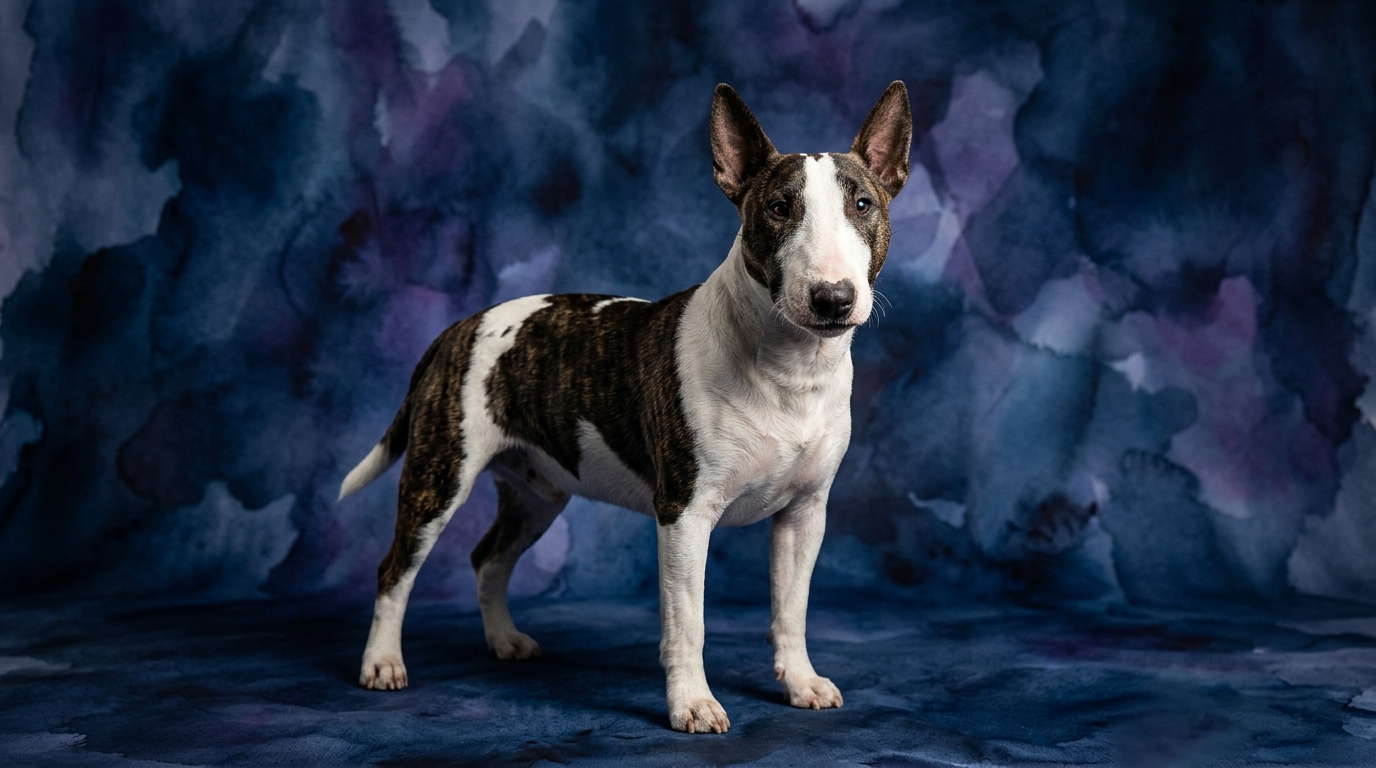
**The Miniature Bull Terrier: A Balanced Terrier Tenacity** The Miniature Bull Terrier, a Terrier breed, is not represented in Coren's ranking, suggesting a less standardized or perhaps more varied response to traditional obedience intelligence tests. Their cognitive profile leans towards a balanced, albeit tenacious, approach. Its IQ profile reveals: **Problem Solving (3/5)** – Miniature Bull Terriers exhibit a moderate capacity for problem-solving. They can figure out how to open gates, access forbidden areas, or manipulate toys to get rewards, often employing persistence and trial-and-error rather than intricate deduction. **Training Speed (3/5)** – With a training speed score of 3/5, Miniature Bull Terriers are capable of learning commands and routines, but they often require engaging, consistent, and patient methods. Their independent terrier spirit means they aren't always eager to please, and can be easily bored by repetition. **Social Intelligence (3/5)** – Minibulls can be very devoted to their families, displaying a clear understanding of household dynamics and emotional states. However, their social interactions with strangers or other dogs can be more nuanced, requiring careful socialization to ensure polite encounters. **Instinctive Drive (3/5)** – Their instinctive drive is moderate, encompassing typical terrier traits like digging, chasing small prey, and a certain feistiness. While present, this drive is generally more manageable than the Beagle's singular focus and can be redirected with appropriate training. **Memory (3/5)** – Miniature Bull Terriers possess a solid memory for routines, learned commands, and the layout of their environment. They can recall past experiences and adapt their behavior accordingly, though some commands might require occasional refreshers to maintain fluency.
Where the Beagle's Cognition Excels
The Beagle's cognitive strengths are undeniably rooted in its olfactory prowess. Its 4/5 problem-solving ability shines brightest when presented with scent-based challenges, allowing it to navigate complex odor landscapes with remarkable precision and focus. This specialized intelligence allows them to differentiate minute scent variations and follow trails that are imperceptible to most other creatures, making them exceptional at tasks like tracking or detection work. Furthermore, their 4/5 memory is particularly robust for retaining spatial information linked to scent, enabling them to recall specific locations where interesting odors were found or to retrace intricate paths, a skill crucial for their ancestral role. The Beagle's 5/5 instinctive drive is not just about physical pursuit, but also a cognitive commitment, demonstrating an unparalleled ability to filter out distractions and maintain singular focus on a scent, a testament to their specialized mental architecture.
Where the Miniature Bull Terrier's Cognition Excels
The Miniature Bull Terrier's cognitive advantages stem from its more generalized, tenacious approach to problem-solving and training. While its problem-solving is rated 3/5 compared to the Beagle's 4/5, the Minibull's capacity is less specialized. It can apply its cognitive effort to a wider array of non-scent related challenges, often using persistence and a trial-and-error strategy to achieve goals like opening cabinets or figuring out puzzle toys. This adaptability means they aren't singularly dependent on one sensory input for cognitive engagement. Their 3/5 training speed, though moderate, is a distinct advantage over the Beagle's 2/5, indicating a greater ease in learning and retaining obedience commands when motivated. This suggests a cognitive capacity for sustained attention on human instruction that is less frequently overridden by an overpowering, singular instinct, allowing for more consistent progress in structured learning environments.
Training Dynamics: Beagle vs. Miniature Bull Terrier
Based on their profiles, the Miniature Bull Terrier is generally easier to train than the Beagle for traditional obedience and recall. The Beagle's significant 5/5 instinctive drive, particularly its relentless pursuit of scent, poses a substantial cognitive hurdle in training. Once a compelling odor is detected, the Beagle's brain dedicates immense processing power to tracking it, often rendering human commands secondary. This translates to their 2/5 training speed, requiring exceptional patience and creativity from trainers to maintain focus. In contrast, the Miniature Bull Terrier's 3/5 training speed and more moderate 3/5 instinctive drive mean they are less prone to being entirely consumed by a singular sensory input. While they possess terrier stubbornness, their cognitive attention is more available for human interaction and instruction, allowing for more consistent progress in learning and responding to commands, especially when training is made fun and engaging.
Lifestyle Match: Active Engagement vs. Scent Exploration
The choice between these breeds largely depends on the *type* of activity and engagement an owner seeks. A Beagle is better suited for active owners who are prepared to engage deeply with its profound scent-driven cognition. This means providing ample opportunities for tracking, nose work games, and long walks where sniffing is encouraged, rather than solely focusing on physical exertion. Owners must understand that a Beagle's mental stimulation is intrinsically linked to its olfactory world, and failure to provide outlets for its 5/5 instinctive drive can lead to challenging behaviors. Conversely, a Miniature Bull Terrier thrives with owners who are actively engaged and consistent, though perhaps not solely focused on scent. Their moderate problem-solving and social intelligence mean they enjoy interactive play, structured training sessions, and companionship. While they need regular exercise, their cognitive needs lean towards varied mental challenges and consistent human interaction rather than independent, scent-driven exploration, making them suitable for owners who enjoy a more direct, interactive relationship with their dog. Neither breed is ideal for a truly “relaxed” owner who seeks a low-engagement companion, as both require significant mental and physical outlets to thrive.
The Verdict
Choose a Beagle if you are an owner fascinated by the intricate world of scent, prepared to channel an unparalleled instinctive drive into productive activities like tracking or nose work, and are ready for an independent, vocal companion.
Choose a Miniature Bull Terrier if you seek a devoted, playful, and moderately trainable companion who thrives on consistent human interaction and varied mental engagement, appreciating a more generalized cognitive approach to life.
🧠 Find Your Pet's IQ Score
Our Pet IQ Lab assessment covers 25+ tests across 5 cognitive dimensions — personalized to your breed.
Take the Full IQ Test →Frequently Asked Questions
How does a Beagle's Coren ranking influence its daily behavior?
A Beagle's Coren rank of #72, placing it in the "average working/obedience intelligence" category, primarily reflects its general responsiveness to human-initiated obedience commands. In daily life, this means Beagles may require more repetition and patience to learn and consistently execute commands, especially when their powerful scent drive is activated, leading to a perception of stubbornness or distraction.
Is the Miniature Bull Terrier's "Not Coren-ranked" status an indicator of lower intelligence?
No, "Not Coren-ranked" does not signify lower intelligence for the Miniature Bull Terrier, but rather that it wasn't included or didn't fit the specific criteria of Coren's study, which focused on obedience intelligence. Their balanced IQ profile across problem-solving, training speed, social intelligence, instinctive drive, and memory indicates a functional and adaptable cognitive capacity, just not one that is easily categorized by traditional obedience metrics.
What are the best types of mental stimulation for each breed given their IQ profiles?
For Beagles, mental stimulation should heavily involve scent work, such as snuffle mats, scent detection games, or formal tracking exercises, to satisfy their 5/5 instinctive drive and 4/5 problem-solving. Miniature Bull Terriers benefit from varied puzzle toys, interactive play sessions, and consistent trick training that engages their 3/5 problem-solving and 3/5 training speed, keeping their balanced cognitive abilities challenged and preventing boredom.