Unpacking Canine Minds: A Side-by-Side IQ Profile
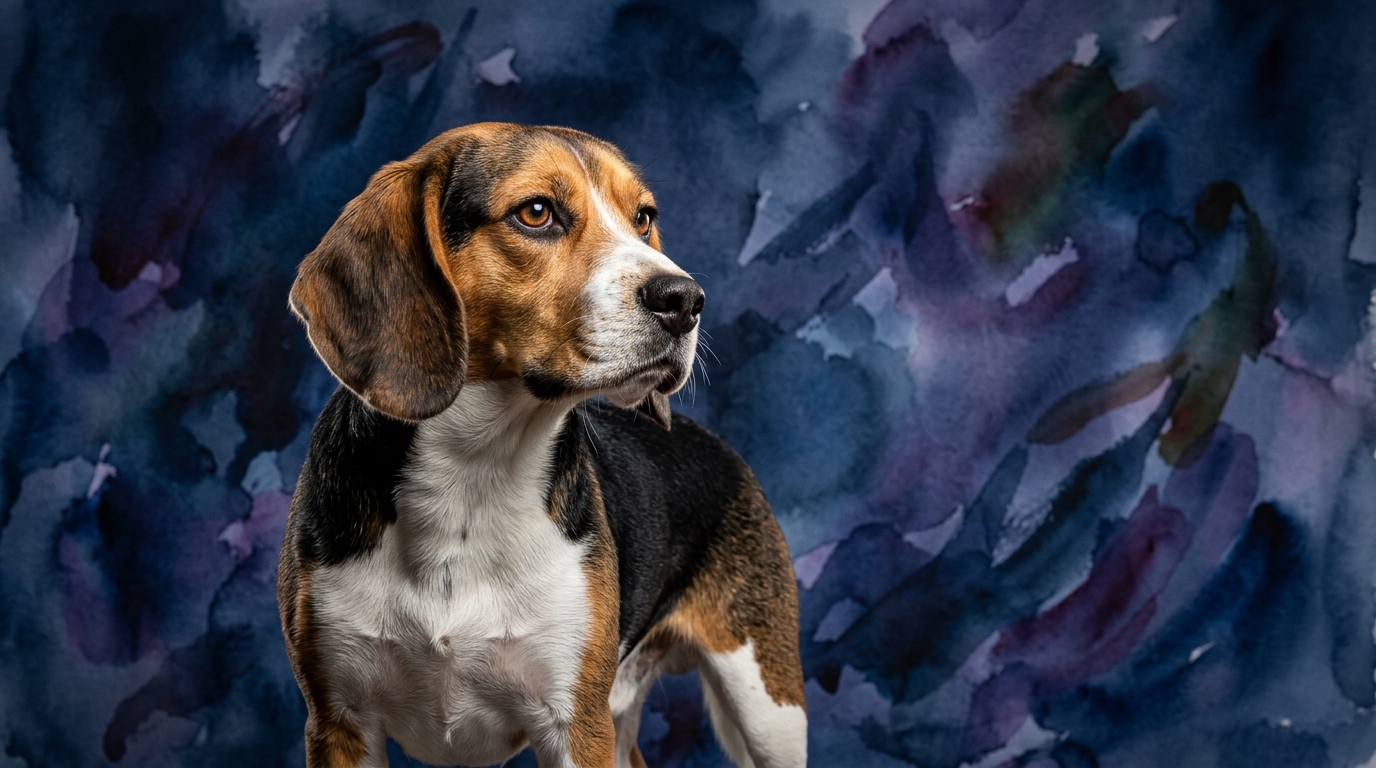
At The Cosmic Pet Pet IQ Lab, we delve beyond anecdotal observations to provide a structured understanding of canine cognitive abilities. For the Beagle, a breed deeply embedded in the Coren ranking system at #72, their intelligence profile paints a clear picture. They exhibit impressive Problem Solving skills rated at 4/5, often demonstrating ingenious methods to achieve scent-related goals. Their Training Speed is moderately low at 2/5, reflecting a strong independent streak when a compelling scent presents itself. Social Intelligence stands at a balanced 3/5, indicating an ability to integrate into family and pack dynamics, though not always prioritizing human commands over their primary drive. A commanding 5/5 in Instinctive Drive highlights their unparalleled olfactory prowess and relentless pursuit of a trail, while their Memory, at 4/5, is excellent for retaining complex scent patterns and environmental layouts linked to those smells.
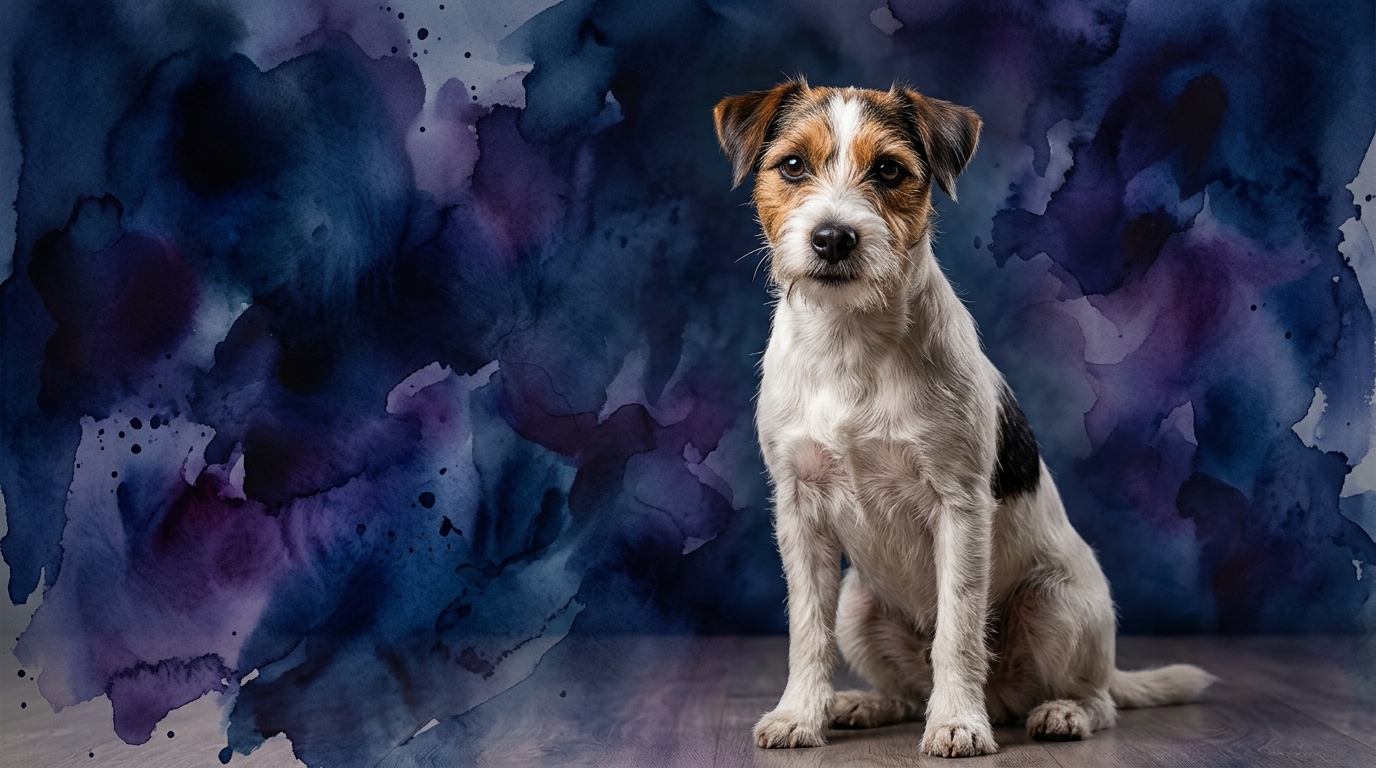
The Parson Russell Terrier, though not formally ranked by Coren, presents a different cognitive blueprint. Their Problem Solving ability is rated 3/5, showcasing resourcefulness, particularly in tasks involving prey drive or navigating confined spaces, though perhaps with less patience than a Beagle. Training Speed is a moderate 3/5; they can learn quickly when motivated, but their independent nature and high prey drive often make consistency a challenge. Social Intelligence is also 3/5; they can be amiable but often possess a strong, assertive personality, requiring careful socialization. Instinctive Drive is 3/5, reflecting a robust prey drive encompassing digging, chasing, and boldness, but perhaps less specialized than a Beagle’s scent drive. Their Memory, at 3/5, is solid for routines, learned tricks, and locations of perceived 'pests' or interesting digging spots.
Where the Beagle's Cognition Shines Brightest
The Beagle truly excels in the realm of olfactory intelligence, a cognitive domain where few breeds can compete. Their Problem Solving score of 4/5, superior to the Parson Russell Terrier's 3/5, is largely fueled by this specialized sensory input. They demonstrate exceptional cognitive persistence in unraveling complex scent puzzles, whether it's tracking a nuanced trail or locating a hidden treat. This isn't just about following a nose; it's about processing vast amounts of environmental data through scent, forming mental maps, and strategizing the most efficient path to a fragrant goal. Their Instinctive Drive, rated a perfect 5/5 against the Parson Russell's 3/5, is the engine of this cognitive superpower. It's a relentless, almost meditative focus on scent that allows them to maintain concentration on a single objective for extended periods, a form of deep cognitive engagement that is breathtaking to observe.
Furthermore, the Beagle's Memory, at 4/5 compared to the Parson Russell's 3/5, is remarkably adept at retaining intricate scent pathways and associated environmental cues. This isn't merely rote memorization but a sophisticated recall of sensory experiences, enabling them to retrace steps or anticipate where a scent might lead next. This superior memory for olfactory information is crucial for their working purpose and translates into a dog who remembers where the best sniffing spots are or the routine path of a squirrel, adding a rich, sensory layer to their understanding of the world that outpaces the more generalized memory of a Terrier.
The Parson Russell Terrier's Cognitive Edge
While the Beagle dominates in scent-based cognition, the Parson Russell Terrier carves out its own distinct cognitive strengths, particularly in adaptability and quick, dynamic problem-solving within varied physical environments. Their Problem Solving score of 3/5, while numerically lower, often manifests as a more agile and reactive form of intelligence. They are quick to assess and overcome physical obstacles, whether it's navigating an agility course or figuring out how to access a perceived 'prey' item. This quick-thinking, hands-on approach to problem-solving differs from the Beagle's more deliberative, scent-focused strategy.
The Parson Russell Terrier's Training Speed, at 3/5, surpasses the Beagle's 2/5, indicating a slightly greater propensity for acquiring new commands and performing complex sequences, especially when highly motivated. While both breeds can be independent, the Parson Russell's drive, though rated 3/5, is often more versatile. Their robust prey drive can be channeled into a broader array of activities beyond pure tracking, such as earthdog trials or agility, where their quick reflexes and determined spirit are assets. This versatility allows them to engage with and learn from a wider range of cognitive tasks, often demonstrating a more direct and assertive engagement with their trainers and environment than their scent-hound counterparts.
Navigating the Training Terrain: Which is Easier?
When it comes to ease of training, the Parson Russell Terrier, with a Training Speed of 3/5, generally presents a slightly less uphill battle than the Beagle, rated at 2/5. Beagles, despite their problem-solving acumen, are notoriously challenging to train for consistent obedience. Their Coren rank of #72 is a testament to this; their powerful 5/5 Instinctive Drive for scent is an almost irresistible force. A Beagle on a scent trail is a Beagle deaf to commands, prioritizing the intricate world of smells over human directives. Successful training requires immense patience, extremely high-value rewards, and often specialized techniques to compete with their primary cognitive focus. Recall, in particular, can be a lifelong endeavor against the siren call of a compelling aroma, requiring constant vigilance and robust management strategies.
Parson Russell Terriers, while also possessing a strong independent streak and a potent prey drive, tend to be more receptive to varied forms of motivation and can pick up new commands with greater alacrity. Their 3/5 training speed reflects a capacity for quicker learning, particularly in activities that engage their physical prowess and mental sharpness, such as agility or trick training. However, their tenacity and self-assured nature mean they will consistently test boundaries, demanding an owner who is firm, consistent, and creative in their training approaches. While not without their challenges, their engagement in direct interaction often makes them feel more 'trainable' in a conventional sense compared to the scent-immersed Beagle.
Matching Canine Cognition to Owner Lifestyle
Neither the Beagle nor the Parson Russell Terrier is a suitable choice for a truly 'relaxed' owner in the sense of a low-energy, low-engagement companion. Both are working breeds whose cognitive profiles demand consistent mental and physical outlets. However, their specific needs diverge significantly. The Beagle, with its profound 5/5 Instinctive Drive for scent, thrives with owners who understand and embrace their olfactory world. They need consistent opportunities for 'sniffy walks,' scent games, and perhaps even formal tracking activities. An owner who enjoys moderate, consistent outdoor exploration and can appreciate a dog deeply immersed in its sensory environment would find a Beagle a fulfilling companion. Their physical needs are moderate, but their mental need for scent work is paramount; a 'relaxed' owner might struggle with their tendency to follow their nose to distant horizons or vocalize when bored.
The Parson Russell Terrier, conversely, is an ideal match for highly active owners who seek a bold, agile, and mentally sharp partner for dynamic activities. Their 3/5 Instinctive Drive, while lower than the Beagle's, translates into a boundless energy and keen prey drive that requires significant channeling. They excel in activities like agility, earthdog trials, or long, varied hikes that offer opportunities for exploration and engagement. An owner who can provide consistent, high-intensity physical exercise combined with stimulating cognitive challenges will find a Parson Russell Terrier an invigorating companion. A truly 'relaxed' owner would quickly find their home rearranged by a bored terrier, whose problem-solving skills might be applied to counter-surfing or digging up the garden.
The Verdict
Choose a Beagle if you are captivated by the profound world of scent and are prepared to engage with a dog whose primary cognitive function is olfactory exploration, and you value a generally amiable companion who will enrich your life with their unique perspective on the world.
Choose a Parson Russell Terrier if you seek a bold, agile, and tenacious companion for dynamic activities, who thrives on mental and physical challenges, and you appreciate a dog with a strong, independent personality that will keep you on your toes.
🧠 Find Your Pet's IQ Score
Our Pet IQ Lab assessment covers 25+ tests across 5 cognitive dimensions — personalized to your breed.
Take the Full IQ Test →Frequently Asked Questions
Are Beagles stubborn during training?
Beagles often appear stubborn due to their powerful 5/5 instinctive scent drive. When a compelling smell is present, their cognitive focus shifts entirely to that aroma, making them less responsive to human commands and appearing disobedient rather than truly defiant.
Can Parson Russell Terriers live in apartments?
A Parson Russell Terrier can potentially live in an apartment, but only if their owners are committed to providing significant daily physical and mental stimulation outside the home. Their high energy and instinctive drive necessitate extensive exercise and cognitive engagement to prevent destructive behaviors.
Which breed is better for first-time dog owners?
Neither breed is typically recommended for inexperienced first-time dog owners without a strong commitment to learning about their specific needs. Both require significant training, socialization, and management of their strong working drives, which can be overwhelming for a novice.