Side-by-Side Cognitive Profiles
Our Cosmic Pet IQ Lab framework evaluates five key dimensions of canine intelligence, offering a granular view of each breed's cognitive strengths. Understanding these profiles moves beyond general perceptions, revealing the specific mechanisms of their thought and behavior.
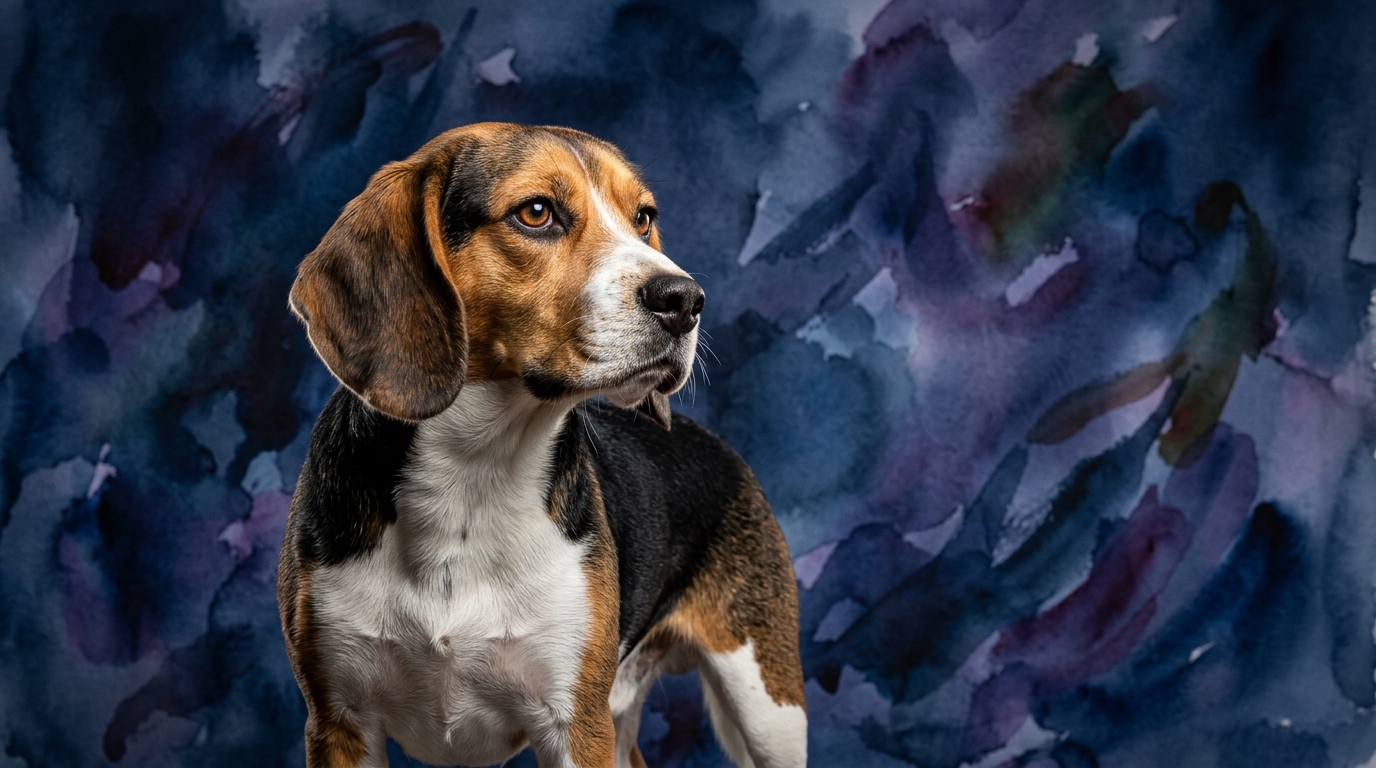
The Beagle, a member of the Hound group, holds a Coren rank of #72, indicating a specific type of working intelligence. Their Problem Solving is rated 4/5, demonstrating a formidable capacity for navigating complex olfactory challenges and finding solutions through scent work. Training Speed, however, registers at 2/5, reflecting their independent nature and strong focus on their nose rather than human directives. Social Intelligence is 3/5, typical of a pack animal that thrives in group dynamics but might not prioritize human-centric communication above all else. Instinctive Drive is a commanding 5/5, dominated by their unparalleled scenting ability and pursuit instincts. Finally, their Memory is 4/5, particularly adept at recalling scent trails and environmental details.
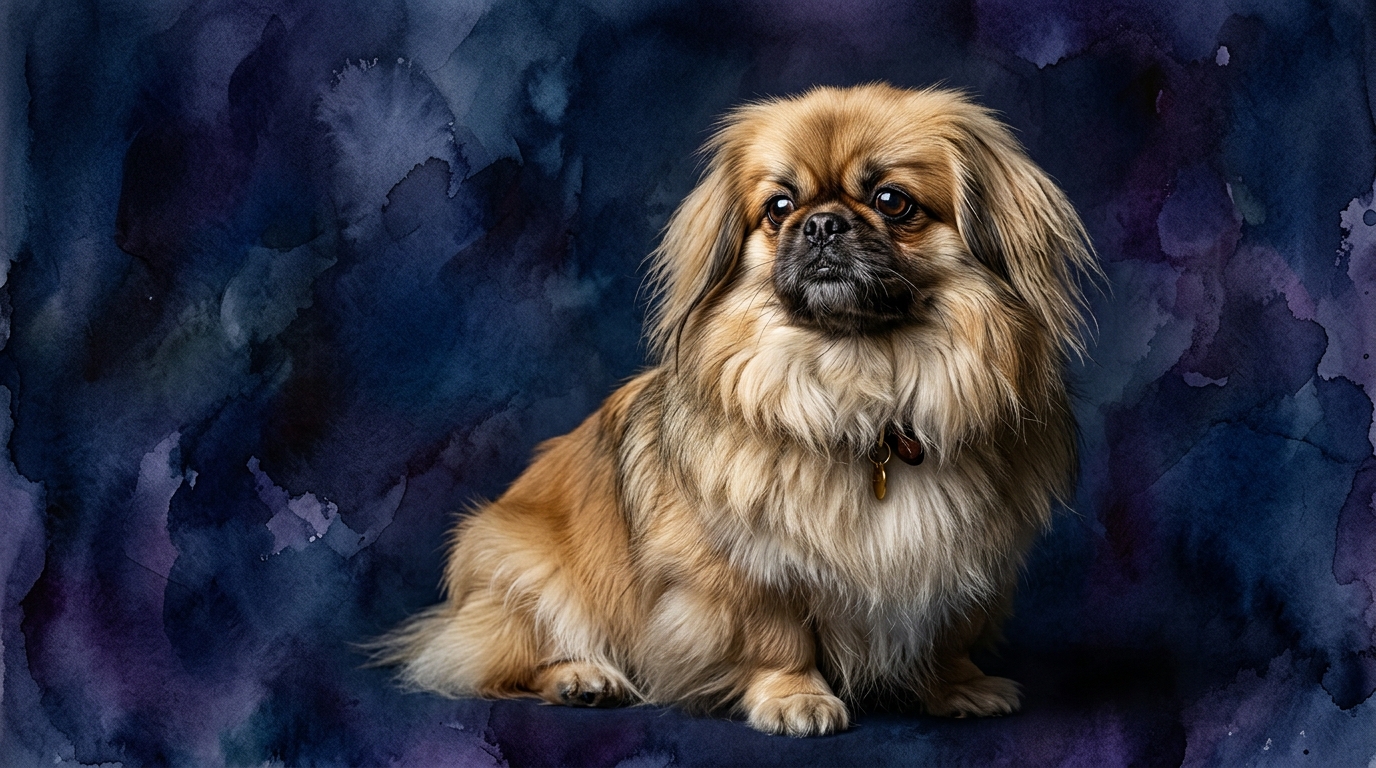
In contrast, the Pekingese, a Toy breed, is ranked #77 by Coren, placing them slightly lower in general working intelligence but highlighting a different set of cognitive strengths. Their Problem Solving score is 3/5, showing an ability to learn routines and manipulate situations within their domestic environment, though not necessarily for complex abstract tasks. Training Speed is 3/5, indicating a moderate capacity for learning commands, often influenced by their independent streak and preference for comfort. Social Intelligence also stands at 3/5, reflecting a deep, often exclusive, bond with their chosen human companions, rather than a broad social aptitude. Instinctive Drive is 3/5, focused less on prey or scent and more on companionship and guarding their immediate space. Their Memory is 3/5, sufficient for remembering people, places, and established household routines.
Where the Beagle's Cognition Excels
The Beagle's cognitive prowess shines brightest in environments demanding persistent sensory processing and navigation. Their 4/5 problem-solving score is intrinsically linked to their 5/5 instinctive drive for scent work. This means a Beagle doesn't just follow a scent; they actively process and interpret complex olfactory information to track, discriminate, and locate, often overcoming obstacles with determination. For instance, a Beagle can learn to differentiate specific odors in a lineup, a task requiring significant cognitive effort and memory recall, making them adept at detection work or intricate scent games.
Their 4/5 memory is exceptional for recalling intricate scent patterns and geographical layouts associated with those scents. They can remember where a particular smell was last encountered, or the specific path taken during a successful hunt, allowing them to retrace steps or anticipate future scent trajectories. This isn't just rote memorization; it's an active mapping of their world through olfaction, a testament to their specialized intelligence.
Where the Pekingese's Cognition Excels
The Pekingese, while not designed for field work, possesses a nuanced cognitive toolkit optimized for companionship and observation. Their 3/5 problem-solving manifests in a different way: figuring out how to achieve comfort, gain attention, or subtly influence household dynamics. This might involve strategically placing themselves for maximum sun exposure, or vocalizing effectively to communicate desires, demonstrating practical intelligence within their domestic domain.
Their 3/5 social intelligence, though not broadly applied, is potent within their inner circle. They often exhibit a perceptive understanding of their primary human's moods and routines, adapting their behavior accordingly. While a Beagle might be distracted by an intriguing scent, a Pekingese is more likely to notice a subtle shift in human body language, indicating a capacity for close-range social reading and emotional attunement. Their moderate training speed and memory, when focused on their human, allow them to learn complex routines that benefit their comfort and bond, like elaborate greeting rituals or specific bedtime cues.
Trainability: A Tale of Two Motivations
When it comes to trainability, the Beagle and Pekingese present distinct challenges and rewards, largely due to their differing instinctive drives and attention spans. The Beagle’s 2/5 training speed is a direct consequence of their all-consuming 5/5 instinctive drive. A Beagle learning 'sit' in a park might quickly lose focus if a compelling scent wafts by; their brain is hardwired to prioritize olfactory input above human commands. Training a Beagle requires immense patience, consistency, and creative use of high-value rewards (often food or scent-based games) to compete with their natural inclinations. They are not unwilling to learn, but their attention is a precious commodity that must be earned and maintained against powerful distractions. Real behavioral differences include their tendency to 'tune out' when on a scent trail, making recall a significant training hurdle.
The Pekingese, with a 3/5 training speed, offers a more moderate experience. They are less prone to being overwhelmed by external sensory input than a Beagle, making it easier to hold their attention in a controlled environment. However, their independent spirit and innate sense of dignity mean they often learn on their own terms. While they can pick up commands and routines, their motivation might stem more from a desire for comfort, routine, or a specific interaction with their human, rather than a strong drive to please. Training a Pekingese benefits from positive reinforcement, short sessions, and understanding that they may comply when it suits them. Their behavioral differences include a propensity for stubbornness if they perceive a command as unnecessary or inconvenient, requiring a nuanced approach to motivation that respects their self-assured nature.
Matching Canine Cognition to Lifestyles
The cognitive profiles of the Beagle and Pekingese naturally align with very different owner lifestyles. For active owners who enjoy outdoor adventures, long walks, or participate in canine sports like scent work or agility, the Beagle is often a more suitable partner. Their high instinctive drive and problem-solving skills thrive when given outlets for their energy and keen nose. An owner who understands and respects a Beagle's need to explore and follow scents, and who is prepared for the dedication required in training, will find a rewarding companion. They need consistent mental stimulation that engages their olfactory intelligence, preventing boredom and potential destructive behaviors.
Conversely, for relaxed owners seeking a devoted, less physically demanding companion, the Pekingese often fits seamlessly into a quieter home. Their moderate instinctive drive and focus on their immediate environment mean they are content with shorter strolls and indoor play. Owners who appreciate a dog with a strong personality, a perceptive understanding of household dynamics, and a deep, exclusive bond will find the Pekingese a fulfilling companion. They thrive on companionship and structured routines, offering a calm, watchful presence without the intense physical demands of a working hound. Their cognitive strengths are best appreciated in a home where their subtle communications and desire for comfort are understood and met.
The Verdict
Choose a Beagle if you are an active, patient owner eager to engage a dog's formidable scenting abilities and provide consistent mental stimulation for a determined companion.
Opt for a Pekingese if you seek a calm, devoted companion who thrives in a relaxed indoor environment and appreciate a dog with a unique, perceptive personality and moderate exercise needs.
🧠 Find Your Pet's IQ Score
Our Pet IQ Lab assessment covers 25+ tests across 5 cognitive dimensions — personalized to your breed.
Take the Full IQ Test →Frequently Asked Questions
Is a Beagle difficult to live with due to its high instinctive drive?
A Beagle's high instinctive drive means they require consistent outlets for their scenting and exploring behaviors. Without proper mental and physical engagement, they can become bored and exhibit behaviors like excessive barking or destructive chewing, but with appropriate activities, they are engaging companions.
Do Pekingese dogs have a strong independent streak?
Yes, Pekingese often possess a notable independent streak, which contributes to their unique charm and self-assured demeanor. This independence means they may choose to follow commands when it suits them, requiring patient and positive reinforcement training methods.
Which breed is better for a first-time dog owner?
For a first-time dog owner, the Pekingese might be a more manageable choice due to their lower exercise requirements and more contained instinctive drives. A Beagle's strong independent nature and intense need for scent work can be challenging for someone new to dog ownership, demanding significant dedication to training and management.