Side-by-Side IQ Profile: Beagle vs. Pug
Our Cosmic Pet Pet IQ Lab employs a multi-faceted approach to assess canine intelligence, moving beyond simple obedience metrics to capture the full spectrum of a breed's cognitive strengths. Here, we present a detailed breakdown of the Beagle and the Pug across five key dimensions, alongside their Coren rankings, which primarily reflect working and obedience intelligence.
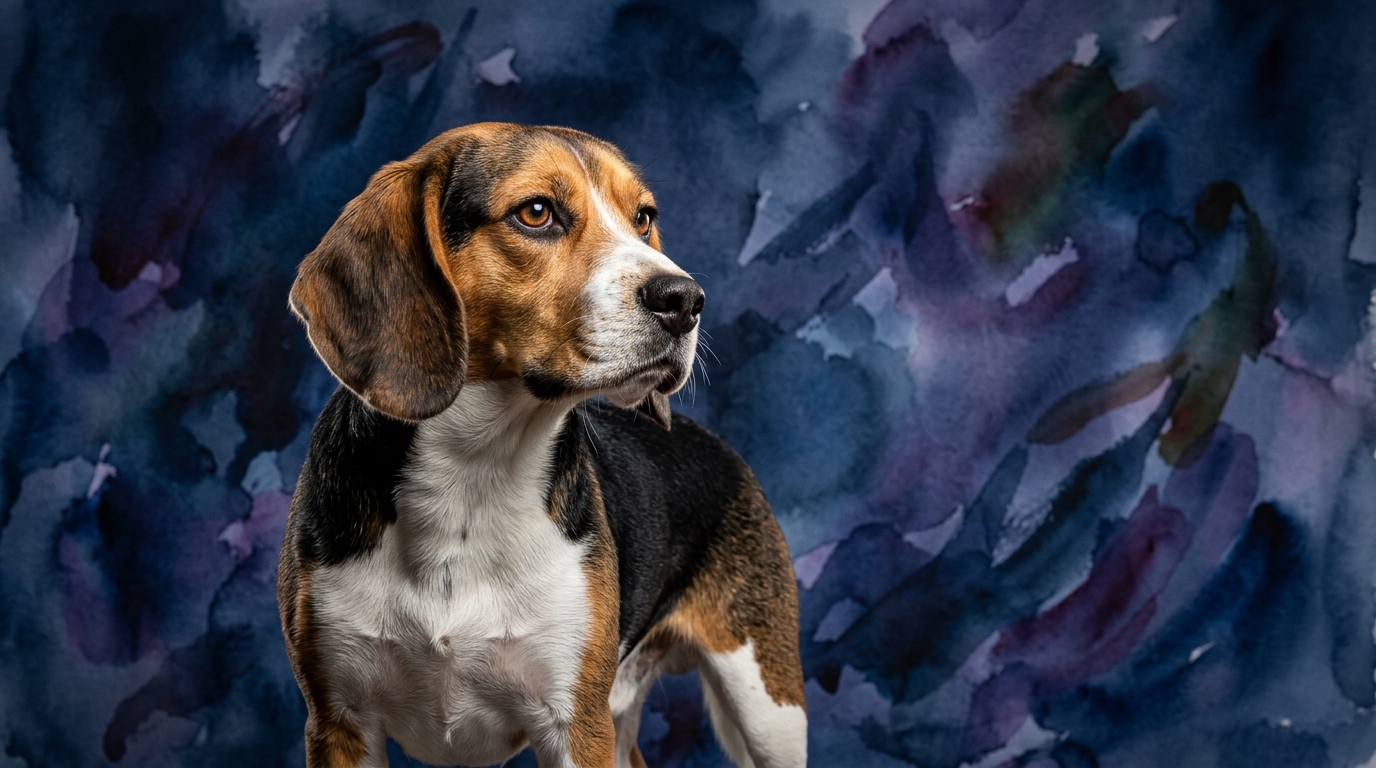
The Beagle, a member of the Hound group, ranks #72 on the Coren scale. Their IQ profile shows a formidable Problem Solving score of 4/5, indicative of their capacity to unravel complex environmental puzzles, particularly those involving scent. Training Speed is rated 2/5, suggesting they grasp new commands at a moderate pace, often requiring consistent, patient repetition. Social Intelligence stands at 3/5, meaning they are generally adaptable but not always focused solely on human interaction. Their Instinctive Drive is a commanding 5/5, reflecting their powerful genetic predisposition for tracking and hunting. Finally, their Memory is strong at 4/5, crucial for recalling scent trails and learned patterns.
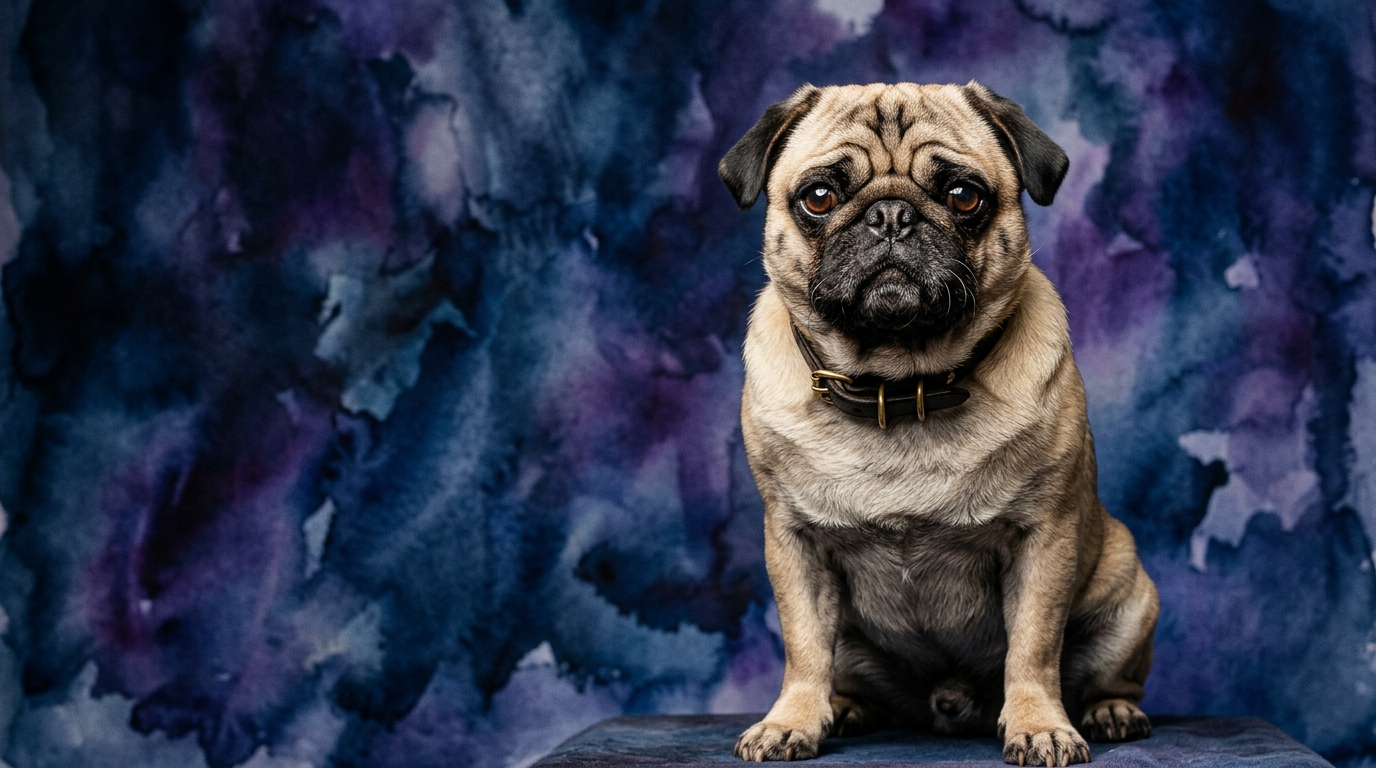
In contrast, the Pug, a charming Toy breed, holds a higher Coren rank at #57. Their IQ scores paint a different picture: Problem Solving is 2/5, indicating less aptitude for independent, complex cognitive tasks. Training Speed mirrors the Beagle at 2/5, suggesting similar challenges in rapid command acquisition. However, their Social Intelligence is an outstanding 5/5, highlighting their profound ability to understand and connect with human emotions and behaviors. Instinctive Drive is low at 2/5, as their historical role was companionship rather than work. Their Memory is a respectable 3/5, allowing them to recall routines and social cues effectively.
Where the Beagle Excels Cognitively
The Beagle's cognitive prowess is deeply intertwined with its heritage as a scent hound, manifesting most clearly in its Problem Solving and Instinctive Drive scores. A 4/5 in Problem Solving signifies an impressive ability to navigate intricate environments, such as following a winding scent trail through varied terrain, overcoming obstacles, and discerning faint odors from a cacophony of smells. This isn't abstract puzzle-solving, but rather a practical, sensory-driven intelligence crucial for their original purpose.
Their 5/5 Instinctive Drive is the engine behind this, compelling them to engage with their world through their nose. This powerful drive, combined with a 4/5 Memory, allows Beagles to retain vast libraries of scent information and recall specific trails, even after significant time has passed. They excel at tasks requiring persistence, sequential information processing (like tracking a path), and independent decision-making when following a captivating aroma. While they might appear distracted by a scent, this focus is actually a sophisticated demonstration of their specialized cognitive strengths.
Where the Pug Shines Cognitively
The Pug's cognitive strengths lie squarely in the realm of social interaction, earning a perfect 5/5 in Social Intelligence. This isn't merely about being friendly; it reflects a sophisticated capacity to read human body language, vocal tones, and emotional states, often anticipating their owner's needs or moods. A Pug might not solve a complex physical puzzle, but they are exceptionally adept at understanding the social dynamics of a household and integrating themselves seamlessly into family life.
Their moderate 3/5 Memory, while not as high as a Beagle's, is perfectly suited to remembering daily routines, the preferences of family members, and which behaviors elicit positive attention. Unlike the Beagle's drive for independent exploration, the Pug's lower 2/5 Instinctive Drive means they are less compelled by external stimuli and more attuned to the social environment. This makes them highly responsive to human-centric cues, allowing them to adapt their behavior to maintain harmony and affection within their human pack, a unique form of situational problem-solving based on social feedback.
Training Dynamics: Beagle vs. Pug
Despite both breeds scoring 2/5 in Training Speed, the underlying reasons for this moderate pace differ significantly, rooted in their distinct cognitive profiles and motivations. A Beagle's challenge in training often stems from its overwhelming 5/5 Instinctive Drive. When a compelling scent is present, their focus on human commands can evaporate, as their genetic programming to track takes precedence. Training a Beagle requires immense patience, very high-value rewards, and an understanding that you are competing with a deeply ingrained biological imperative. While they are capable of learning complex sequences, particularly those involving scent work, their independent nature means they often decide for themselves if a command is worth interrupting their current 'mission.'
Pugs, on the other hand, might also learn at a moderate pace, but their primary 'distraction' isn't a scent trail but rather a general disinterest in repetitive, unengaging tasks. Their 5/5 Social Intelligence means they are highly attuned to human feedback and desire to please, but this motivation needs to be consistently reinforced with positive attention, praise, and treats. Pugs can exhibit a charming stubbornness; if a task isn't immediately rewarding or if they perceive it as tedious, they may 'check out.' Successful Pug training leverages their desire for companionship, making sessions fun, short, and positive, ensuring they always feel connected to their human partner.
Which Suits Active Owners vs. Relaxed Owners
The choice between a Beagle and a Pug largely depends on an owner's lifestyle and what they seek in a canine companion. For active owners who enjoy outdoor adventures, hiking, or participate in canine sports like scent work and tracking, a Beagle is an ideal match. Their robust physical endurance, combined with their 5/5 Instinctive Drive and 4/5 Problem Solving, means they thrive on activities that engage both their body and their incredibly sensitive nose. An owner who can provide consistent opportunities for exploration and mental stimulation related to scent will find a Beagle to be a fulfilling and energetic partner, even if their independent streak requires a firm, patient hand.
Conversely, the Pug is perfectly suited for more relaxed owners who prioritize companionship, indoor activities, and a strong emotional bond. Their moderate exercise requirements and lower 2/5 Instinctive Drive mean they are content with shorter walks and plenty of couch time. The Pug's exceptional 5/5 Social Intelligence makes them incredibly attuned to their human family, thriving on attention, cuddles, and being an integral part of daily household life. Owners who appreciate a dog that is always by their side, offering comfort and comic relief, will find the Pug's endearing personality and social acuity to be an unparalleled joy.
The Verdict
Opt for a Beagle if you're an active owner seeking a keen-nosed companion for adventures, scent work, and who appreciates an independent spirit with impressive problem-solving abilities in their domain.
Select a Pug if your lifestyle leans towards relaxed companionship, valuing a highly social, attentive canine partner who thrives on interaction and brings joy through their endearing personality.
🧠 Find Your Pet's IQ Score
Our Pet IQ Lab assessment covers 25+ tests across 5 cognitive dimensions — personalized to your breed.
Take the Full IQ Test →Frequently Asked Questions
Which breed is better for first-time dog owners?
Neither breed is inherently 'easy' for a first-timer, but the Pug often presents fewer physical demands and its high social intelligence can make it more forgiving in adapting to a new owner's routine. Beagles require more specific management for their powerful scent drive and independent nature, which can be challenging for novices.
Do Beagles really follow their nose everywhere?
Yes, a Beagle's 5/5 Instinctive Drive means their world is primarily interpreted through scent. Once they lock onto an interesting smell, their focus becomes singularly dedicated to following it, often to the exclusion of other stimuli, necessitating secure containment and consistent leash training.
How do Pugs show their social intelligence?
Pugs demonstrate their 5/5 social intelligence by observing and reacting to human moods, offering comfort when you're sad, or engaging playfully when you're happy. They learn household routines quickly, understand subtle cues, and are masters at eliciting affection and attention through their expressive faces and endearing antics.