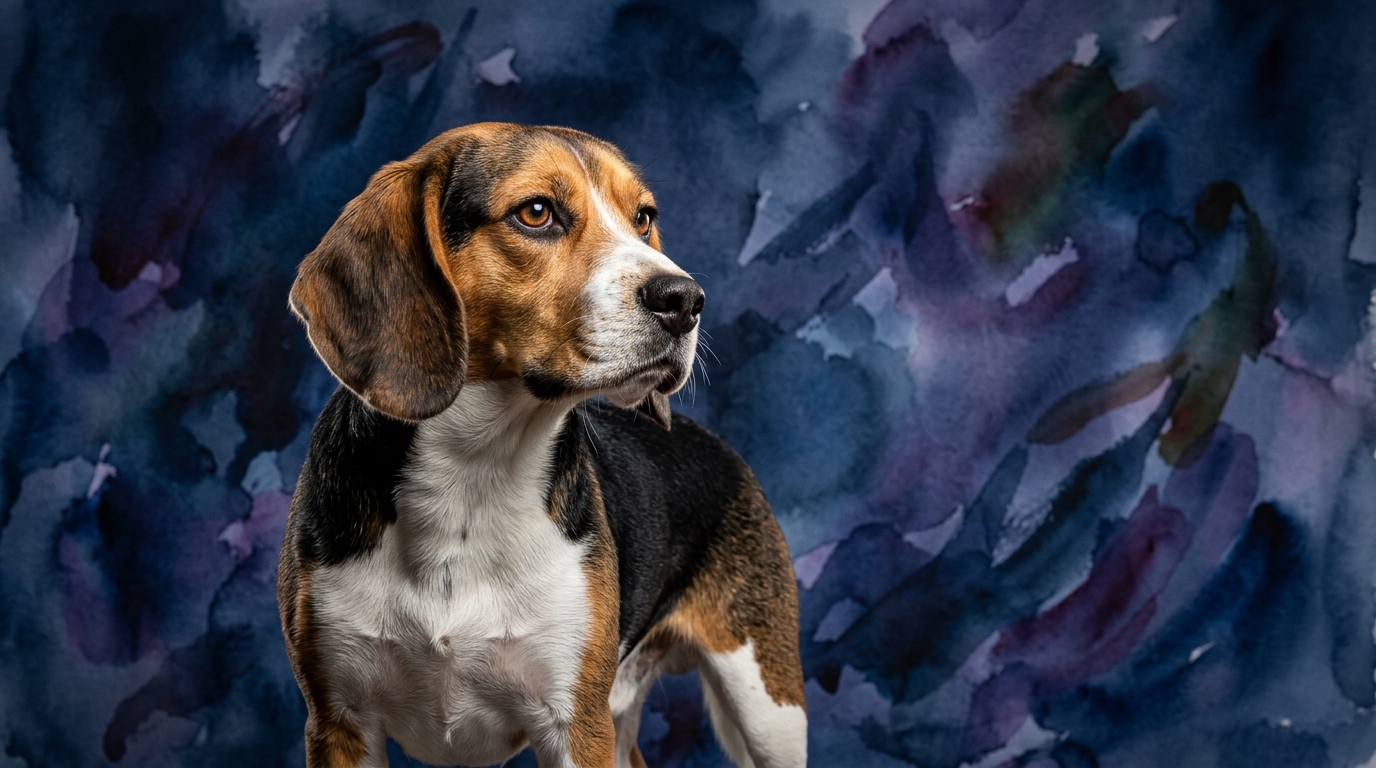
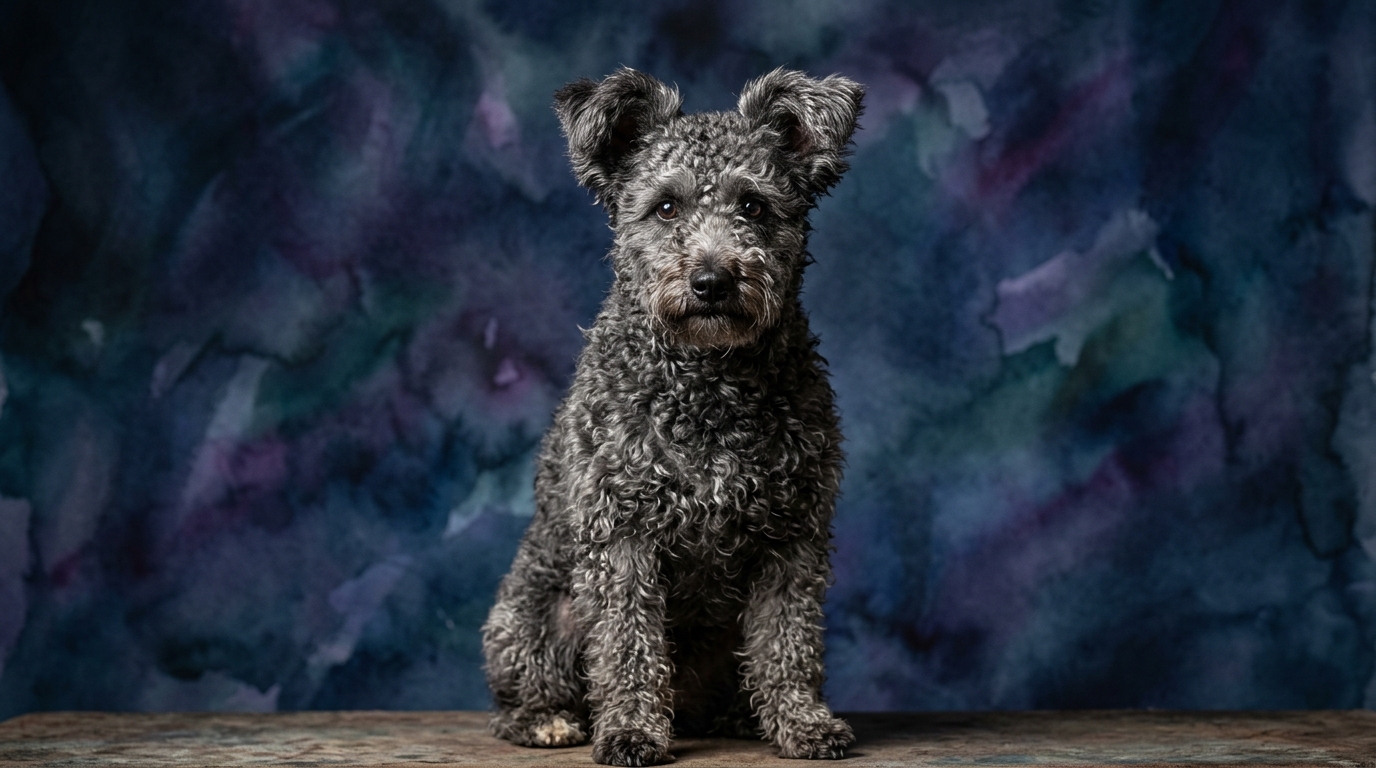
Side-by-Side IQ Profile: Beagle vs. Pumi
**Problem Solving:** The Beagle earns a 4/5 in this dimension, indicating a strong capacity for navigating complex challenges, particularly those involving scent trails and environmental exploration. Their cognitive process often involves intricate deductions based on olfactory information, allowing them to unravel puzzles that might baffle breeds without such specialized sensory input. In contrast, the Pumi scores a 3/5, demonstrating a competent but perhaps less intricate approach to problem-solving. Pumik typically excel at practical, task-oriented problem-solving, such as maneuvering livestock or figuring out how to access a desired object through direct manipulation, rather than abstract or deeply analytical thought.
**Training Speed:** Here, the Beagle registers a 2/5, suggesting a slower acquisition rate for new commands and behaviors, often influenced by their powerful independent drive. Their focus can be easily diverted by compelling scents, making consistent, repetitive training crucial but sometimes challenging. The Pumi, with a 3/5, shows a moderate training speed, indicating they can learn new tasks with reasonable efficiency and fewer repetitions than a Beagle might require. Their inherent desire to work alongside their handler often contributes to a more receptive learning attitude.
**Social Intelligence:** Both breeds share a 3/5 in social intelligence, meaning they possess a solid understanding of canine and human social cues, enabling them to integrate well into family structures and interact appropriately with others. Beagles typically display their social acumen through their pack-oriented nature and ability to communicate within a group dynamic, while Pumik exhibit theirs through their close bond with their family and their protective, yet discerning, interactions with strangers.
**Instinctive Drive:** The Beagle's score of 5/5 in instinctive drive is a testament to their profound, ingrained impulse to hunt by scent. This powerful, intrinsic motivation dictates much of their behavior, from nose-to-the-ground exploration to persistent pursuit of intriguing odors. The Pumi, with a 3/5, displays a moderate instinctive drive, primarily focused on herding behaviors like gathering, directing, and protecting. While present, this drive is generally more manageable and less singularly dominant than the Beagle's scenting obsession.
**Memory:** Beagles achieve a 4/5 in memory, indicating a robust ability to recall past experiences, learned routes, and, crucially, scent profiles. This strong recall supports their tracking abilities, allowing them to remember complex paths and the location of specific odors. The Pumi scores a 3/5, suggesting a functional memory that serves their daily tasks and learned routines effectively. They remember commands and established boundaries, but perhaps without the intricate detail or long-term retention for highly specific sensory information seen in the Beagle.
Where the Beagle Wins Cognitively
The Beagle's cognitive strengths shine brightest in areas deeply intertwined with their ancestral purpose. Their exceptional Problem Solving score of 4/5, coupled with a perfect 5/5 in Instinctive Drive and a strong 4/5 in Memory, positions them as unparalleled masters of olfactory deduction. A Beagle can unravel an intricate scent puzzle, following faint trails over varied terrain, demonstrating a sophisticated form of environmental problem-solving that few other breeds can match. This isn't merely instinct; it's a dynamic cognitive process involving hypothesis testing, pattern recognition, and persistent focus on a singular sensory input. They excel at retaining complex scent maps and recalling specific odor signatures over time, making them formidable in tasks requiring sustained, independent investigation. Their memory for scent details, such as the exact route a rabbit took yesterday, is a testament to a specialized cognitive architecture designed for tracking.
Where the Pumi Wins Cognitively
The Pumi’s cognitive advantages lie in their balanced and adaptable intelligence, a hallmark of their herding heritage. While their individual scores might not reach the peaks of the Beagle in specific dimensions, their combination of a 3/5 in Problem Solving, 3/5 in Training Speed, and 3/5 in Instinctive Drive creates a versatile and responsive cognitive profile. Pumik excel at tasks requiring quick assessments and adjustments in dynamic environments. Their problem-solving often involves understanding spatial relationships and anticipating movements, crucial for managing livestock. This breed demonstrates a strong ability to learn and adapt to new situations or commands with reasonable speed, indicating a flexible learning style. Unlike the Beagle's singular focus, the Pumi's cognitive strengths are distributed, allowing them to switch between tasks, respond to handler cues, and make independent decisions within a broader context, showcasing a practical, engaged form of working intelligence.
Which is Easier to Train and Why
When it comes to ease of training, the Pumi generally presents a more straightforward experience for the average owner. The Pumi’s moderate Training Speed (3/5) and balanced Instinctive Drive (3/5) mean they are often more receptive to instruction and less prone to intense, singular distractions. Their herding background fosters a desire to work collaboratively with a handler, making them attentive students who aim to please. They learn new commands at a steady pace and are typically more engaged during training sessions. In contrast, the Beagle’s lower Training Speed (2/5) is significantly impacted by their overwhelming Instinctive Drive (5/5). While they possess excellent Memory (4/5), their powerful nose can override any command or desire to comply if an enticing scent presents itself. A Beagle might understand a command perfectly, but the pull of a compelling odor can make executing that command incredibly challenging in a real-world scenario. This requires immense patience, consistency, and creative methods from the owner to compete with their natural predilection for scent work, often making them perceive as "stubborn" when they are simply following their most profound cognitive impulse.
Which Suits Active Owners vs. Relaxed Owners
For active owners seeking a dynamic and engaged companion, the Pumi is often the more fitting choice. Their moderate instinctive drive, coupled with a balanced cognitive profile, means they thrive on varied activities that challenge both their bodies and minds. Pumik enjoy dog sports like agility, obedience, and herding trials, and are typically eager participants in hiking, jogging, or active play. They require consistent mental stimulation and physical exercise to prevent boredom and channel their energy productively, making them excellent partners for owners who lead an active, involved lifestyle and can provide structured engagement. Conversely, while Beagles certainly require activity, their specific needs align differently. Owners who appreciate a dog with an independent spirit and a deep passion for exploration, particularly scent-based, will find the Beagle rewarding. Their exercise often involves long, meandering walks where they can follow their nose, or participation in scent work games. For owners who enjoy a more relaxed home environment but are committed to providing dedicated, often independent, scent-driven excursions, the Beagle fits well. They are not typically suited for highly competitive, precision-based dog sports in the same way a Pumi might be, preferring to follow their own cognitive agenda when outside.
The Verdict
Opt for a Beagle if you are captivated by a dog with an unparalleled olfactory intelligence, a tenacious problem-solver on scent trails, and are prepared to manage a powerful, independent drive for exploration. They are ideal for owners who appreciate a dog's distinct cognitive specialization and can provide outlets for their extraordinary nose.
Select a Pumi if you desire a versatile, agile, and highly engaged companion that thrives on collaborative activities and offers a balanced, adaptable cognitive profile. They are best suited for active owners seeking a dog that is receptive to training and enjoys participating in a wide array of mental and physical challenges.
🧠 Find Your Pet's IQ Score
Our Pet IQ Lab assessment covers 25+ tests across 5 cognitive dimensions — personalized to your breed.
Take the Full IQ Test →Frequently Asked Questions
Are Beagles difficult to train due to their intelligence?
Beagles aren't "difficult" due to lack of intelligence, but rather their powerful instinctive drive for scent often overpowers other motivations, making consistent obedience training challenging. Their problem-solving and memory are strong, but directed towards their primary drive, requiring patient and creative training methods.
Can a Pumi live in an apartment?
A Pumi can adapt to apartment living if their significant exercise and mental stimulation needs are consistently met. Their moderate instinctive drive means they need daily vigorous activity, structured play, and training sessions to prevent boredom and destructive behaviors in a smaller space.
Which breed is better for a first-time dog owner?
The Pumi might be a slightly more manageable choice for a first-time owner due to their more balanced training speed and less overwhelming instinctive drives compared to the Beagle's profound scent focus. However, both breeds require dedicated commitment to training, socialization, and exercise.