Side-by-Side Cognitive Profiles
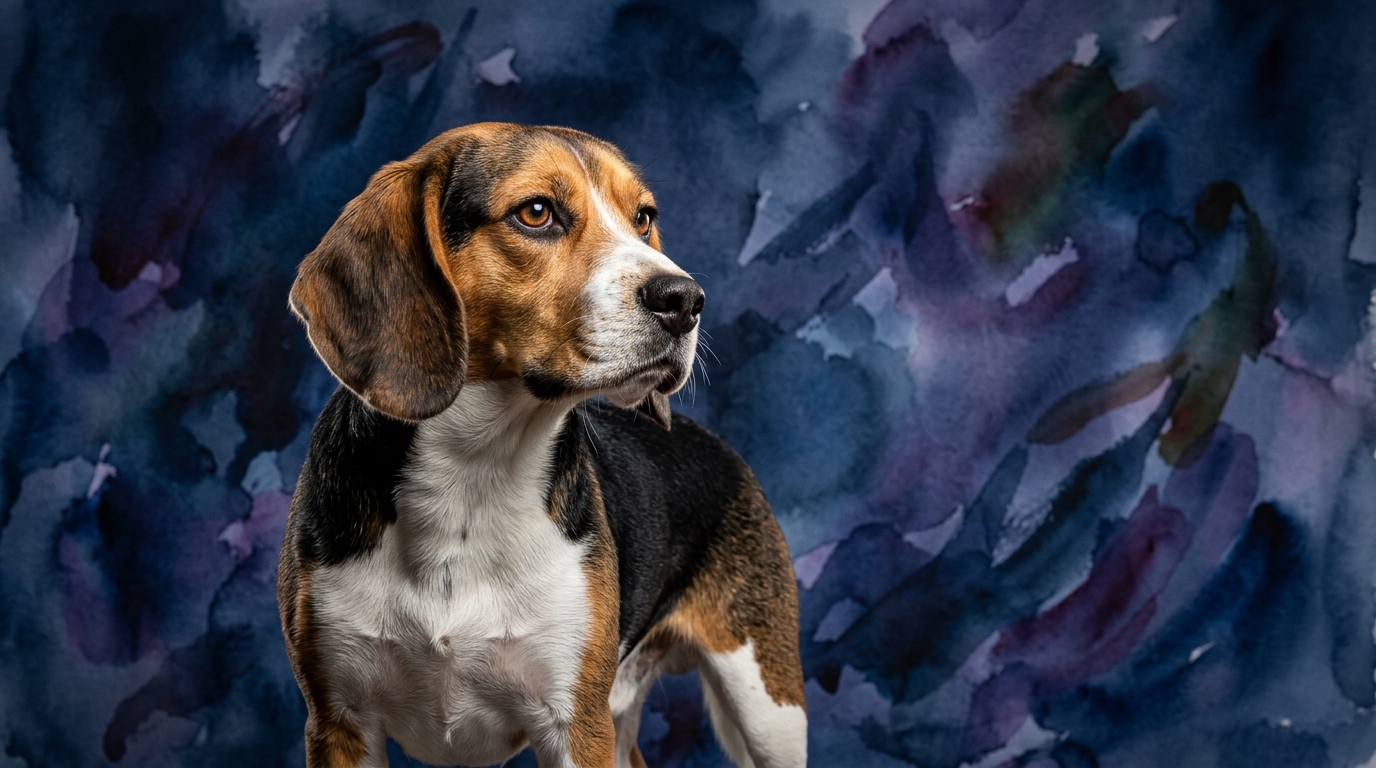
The Beagle, a member of the Hound group, presents a distinctive cognitive profile shaped by centuries of scent work. Our IQ metrics show a strong Problem Solving ability at 4/5, indicating cleverness in navigating challenges, particularly those related to scent or food acquisition. However, their Training Speed is rated 2/5, suggesting a slower uptake of commands due to easily diverted attention. Social Intelligence stands at 3/5, reflecting an average capacity for reading human cues and interacting with their environment. A defining characteristic is their Instinctive Drive, a powerful 5/5, which signifies an overwhelming focus on following scent trails. Their Memory is also robust at 4/5, enabling them to recall complex scent paths and routines. Notably, the Beagle's Coren ranking at #72 out of 79 breeds further illustrates their lower position in terms of obedience and working intelligence, often a direct consequence of their potent scent drive.
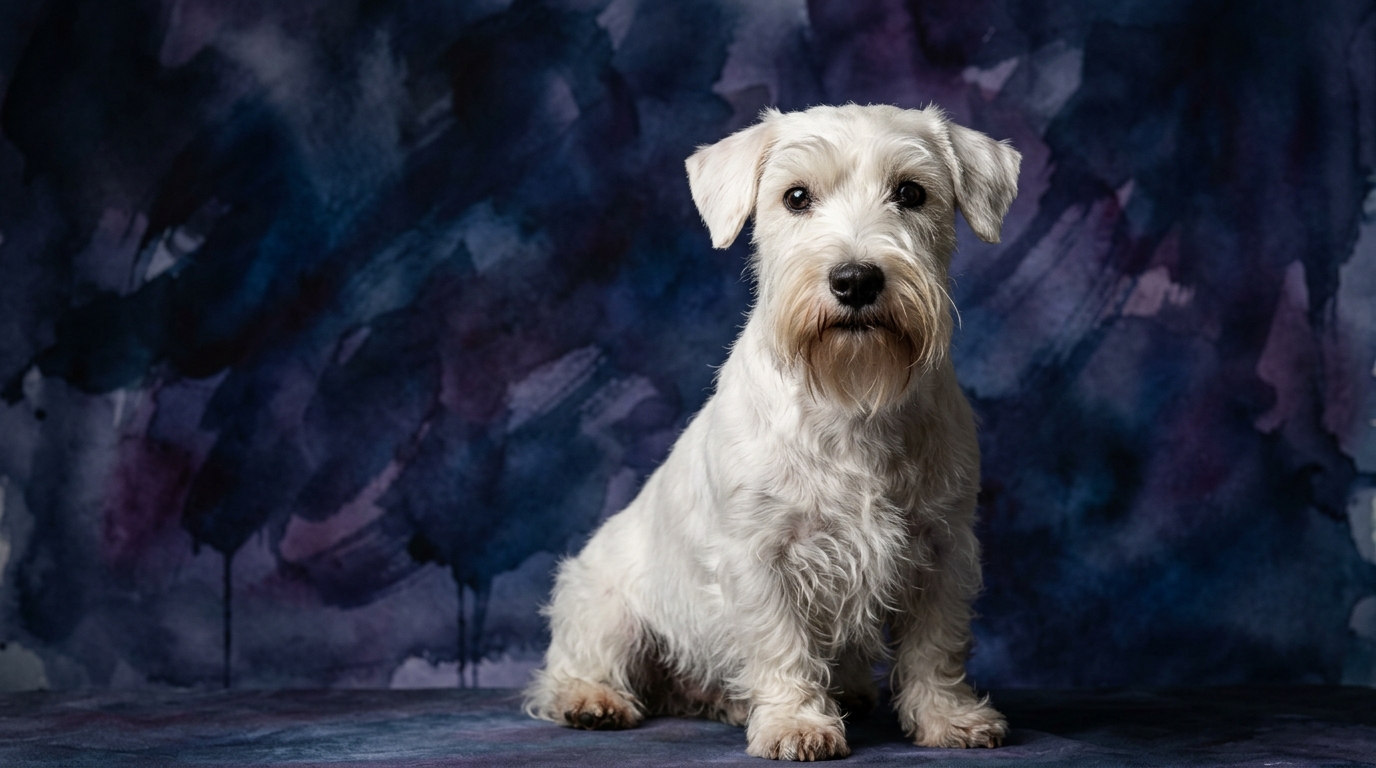
In contrast, the Sealyham Terrier, a member of the Terrier group, offers a more balanced cognitive picture, though they are not represented in the Coren ranking system. Their Problem Solving score is 3/5, indicating a competent but perhaps less innovative approach compared to the Beagle. Training Speed is rated 3/5, suggesting an average responsiveness to instruction, making them generally more amenable to learning basic commands. Social Intelligence matches the Beagle at 3/5, signifying a similar capacity for social engagement. Their Instinctive Drive is a moderate 3/5, presenting a typical terrier prey drive for digging and chasing, but not to the all-consuming extent of the Beagle's scent focus. Finally, their Memory is also a consistent 3/5, allowing them to adequately retain commands and daily routines. The Sealyham's consistent scores across the board point to a more predictable and perhaps adaptable cognitive temperament for a household companion.
Where the Beagle's Mind Excels
The Beagle's cognitive strengths are deeply rooted in their heritage as scent hounds. Their superior Problem Solving ability (4/5) manifests in their adeptness at devising strategies to access desired stimuli, particularly those involving scent or food. This isn't abstract logic, but a practical, goal-oriented cleverness – whether it's figuring out how to open a cupboard for treats or navigating a complex environment to locate a compelling odor. They can be incredibly resourceful when motivated by their nose, often surprising owners with their ingenuity in overcoming obstacles.
Complementing their problem-solving prowess is their robust Memory (4/5). A Beagle can recall intricate scent paths from previous outings, remember specific locations where interesting smells were found, or anticipate routine events associated with food or walks. This strong recall allows them to build detailed mental maps of their environment based on olfactory information, making them remarkably effective at their original purpose of tracking. This memory, however, can also mean they remember where a forgotten snack was left or a gate was left ajar.
Where the Sealyham Terrier's Cognition Shines
While the Sealyham Terrier may not boast the extreme cognitive peaks of the Beagle in specific areas, their consistent scores often translate into practical advantages for owners. Their Training Speed of 3/5, a point higher than the Beagle's, indicates they are generally more receptive to instruction. This means they are less likely to be completely derailed by external stimuli during training sessions, allowing for more consistent and effective learning of commands and household rules. Their willingness to engage with a handler, even if not immediate, is a significant cognitive win in a domestic setting.
A key cognitive strength for the Sealyham lies in their balanced Instinctive Drive (3/5). Unlike the Beagle's all-consuming scent focus, the Sealyham's moderate prey drive, while present, is typically more manageable and amenable to redirection. This balance means their natural instincts, such as digging or chasing small critters, are less likely to override all other cognitive functions. This makes them more adaptable to a variety of tasks and environments, and less prone to becoming single-minded to the exclusion of human interaction or commands. Their overall cognitive consistency across all metrics (all 3/5) points to a predictable and stable temperament, which can be a distinct advantage for owners seeking a steady companion.
Trainability: Beagle vs. Sealyham Terrier
When considering trainability, the Sealyham Terrier generally presents an easier path for most owners. Their Training Speed of 3/5 and a more moderate Instinctive Drive of 3/5 mean they are typically more focused on their handler during training sessions. While they possess a terrier's characteristic independent streak, it is often more manageable than a Beagle's profound preoccupation with scent. Sealyhams are generally more attentive to human instruction, making them more receptive to learning commands and establishing routines. Their desire to engage with their human companions, combined with a less overwhelming internal drive, facilitates a smoother training experience for basic obedience and house manners.
The Beagle, on the other hand, presents a more significant training challenge due to their lower Training Speed (2/5) and an overwhelming Instinctive Drive (5/5). A Beagle's nose dictates their world; once a compelling scent is detected, their ability to process human commands diminishes significantly. This single-minded focus makes recall incredibly difficult in distracting environments and requires immense patience, creativity, and high-value rewards to maintain even fleeting attention. Their Coren ranking of #72 further supports the observation that Beagles often perform lower in standardized obedience tests, not due to a lack of problem-solving capacity, but because their primary cognitive function is so powerfully directed towards scent, making human-centric tasks secondary in their perception. Training a Beagle demands an owner who understands and respects this profound olfactory drive, channeling it rather than fighting against it.
Matching Canine Cognition to Owner Lifestyle
The Beagle's cognitive profile makes them an ideal companion for active owners who are enthusiastic about outdoor adventures and prepared to engage their dog's powerful scent drive. Their high instinctive drive means they need significant mental and physical engagement related to their nose, such as scent work, long hikes, or tracking games. A relaxed owner who cannot provide consistent outlets for this profound drive will likely find themselves with a bored, potentially destructive, or vocal Beagle. They are not content with just a quick walk around the block; their minds crave the rich tapestry of smells the world offers, and their bodies are built to follow them.
The Sealyham Terrier, with its more balanced cognitive attributes, can suit a broader range of owners, including those who are moderately active. They enjoy daily walks, playtime, and mental challenges like puzzle toys, but their overall energy and drive are more contained than a Beagle's. While they still require regular activity to prevent boredom and potential digging, a Sealyham might be more content with indoor activities, a well-fenced yard, or shorter, more focused outdoor excursions. Owners seeking a devoted companion who is engaged but not constantly driven by an overwhelming instinct will find the Sealyham's cognitive and physical needs align well with a more conventional family lifestyle, balancing activity with periods of calm companionship.
The Verdict: When to Choose Each Breed
The Verdict
Choose the Beagle if you are an experienced, active owner ready to channel a profound scent drive into engaging activities and appreciate a clever, independent problem-solver who thrives on olfactory exploration.
Choose the Sealyham Terrier if you seek a consistent, moderately trainable companion with a balanced cognitive profile and a manageable drive, offering a devoted and adaptable presence in your home.
🧠 Find Your Pet's IQ Score
Our Pet IQ Lab assessment covers 25+ tests across 5 cognitive dimensions — personalized to your breed.
Take the Full IQ Test →Frequently Asked Questions
Are Beagles difficult to train due to their intelligence?
Beagles possess strong problem-solving skills and memory, but their profound instinctive drive for scent often makes them appear less trainable in obedience. Their challenge isn't a lack of cognitive ability, but rather a strong internal motivation that frequently overrides human commands.
Do Sealyham Terriers require a lot of mental stimulation?
Yes, Sealyham Terriers benefit from regular mental stimulation to prevent boredom and destructive behaviors. While their drive is moderate, they are intelligent and enjoy puzzle toys, training sessions, and interactive play that engages their problem-solving abilities.
Which breed is generally better with children?
Both breeds can be excellent with children, depending on early socialization and individual temperament. Beagles are often known for their gentle nature, while Sealyhams are sturdy and playful. Always supervise interactions and teach children how to respectfully interact with any dog.