Side-by-Side Cognitive Profile: Beagle vs. Skye Terrier
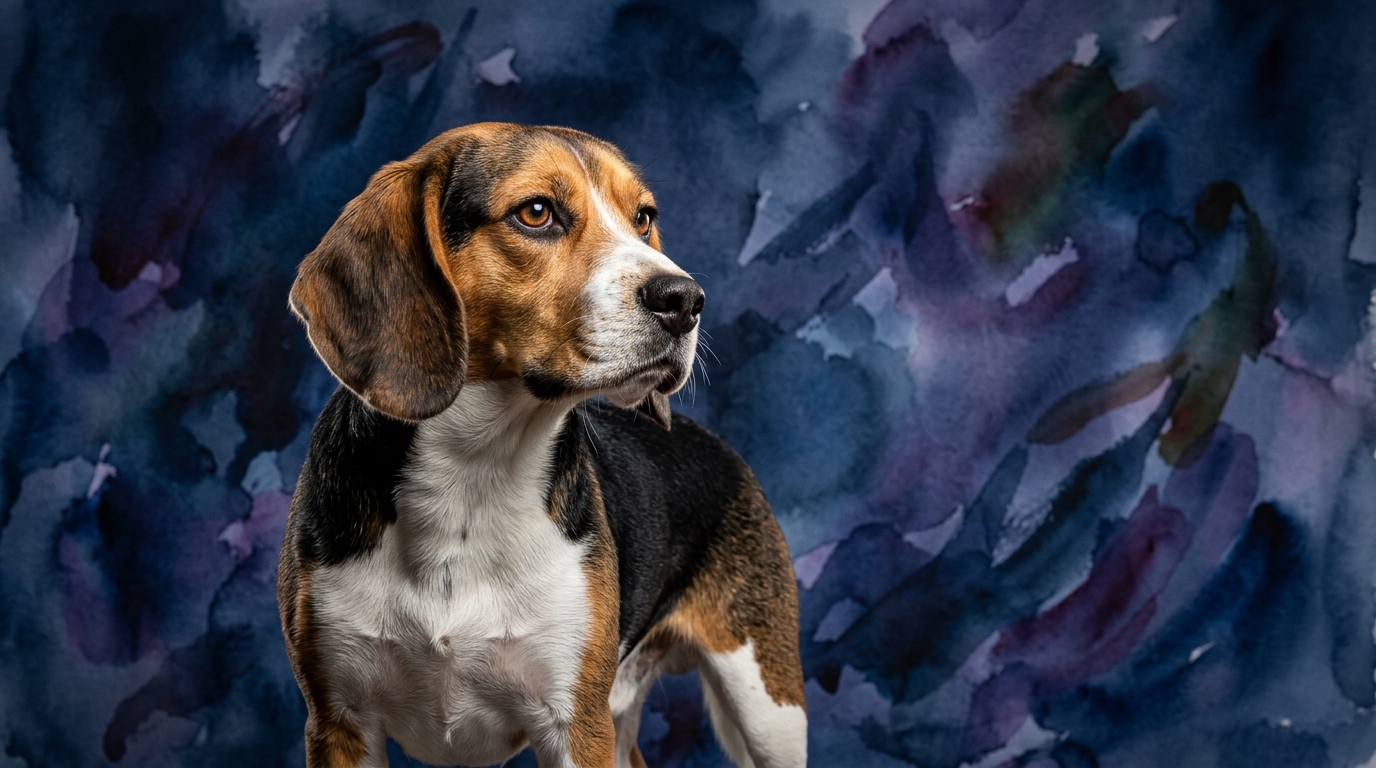
At The Cosmic Pet Pet IQ Lab, we analyze canine cognition across five key dimensions to provide a nuanced understanding of each breed's mental landscape. For the Beagle, a scenthound with a Coren rank of #72, its profile reveals a remarkable sensory intelligence. Its Problem Solving is rated at 4/5, indicating a robust capacity for navigating complex situations, often employing its keen senses to decipher its environment. This translates into a dog adept at figuring out how to access enticing smells or overcome physical barriers to reach a goal. Training Speed for the Beagle stands at 2/5; while capable of learning, its primary motivator is often its nose, making it less inclined to focus on human-directed tasks. Its independent nature and strong scent drive can make traditional obedience a slower process, requiring patient and consistent methods. Social Intelligence is 3/5, meaning Beagles generally possess a moderate understanding of social cues, capable of forming strong bonds with their human families and often enjoying the company of other dogs, though they might prioritize their olfactory pursuits over immediate social interaction. Its Instinctive Drive is a powerful 5/5, defining the breed's character with an unparalleled hunting instinct, particularly its scent drive, compelling them to follow a captivating trail relentlessly. Finally, Memory is 4/5, demonstrating a strong recall, especially for locations associated with interesting smells or past experiences, which can be both an asset and a challenge for owners managing their environment.
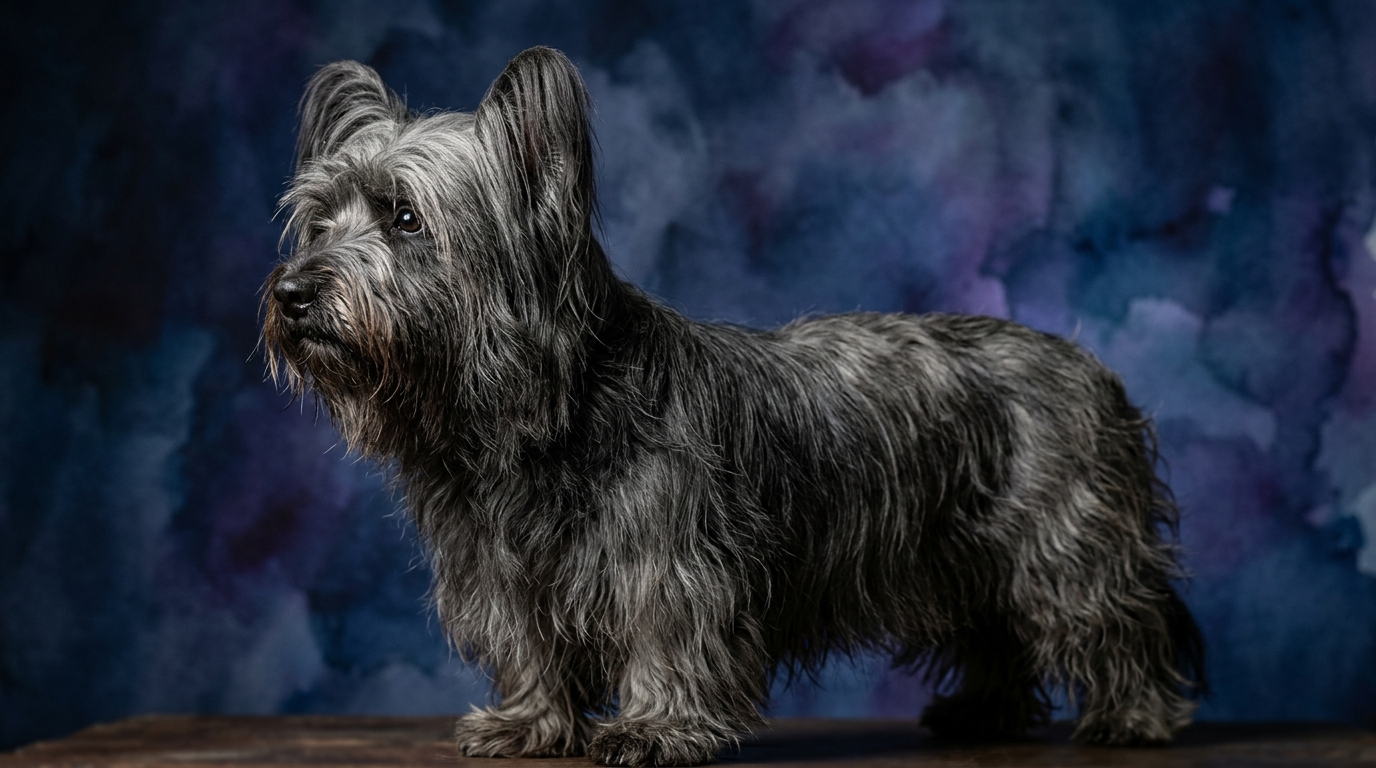
The Skye Terrier, a dignified terrier breed not Coren-ranked, presents a different cognitive blueprint. Its Problem Solving is 3/5, showing a moderate ability to solve problems, often relying on persistence and a terrier's inherent tenacity to achieve objectives, perhaps with less strategic finesse than a Beagle. Training Speed is rated 3/5; Skye Terriers exhibit a moderate pace for learning new commands, and while they possess an independent streak, their desire to please their chosen human, combined with their capacity for focus, makes them generally more responsive to training than the Beagle. Social Intelligence, like the Beagle, is 3/5, indicating a moderate level of social understanding; they bond deeply with their inner circle, understanding family dynamics and human emotions, though often reserved with strangers. Instinctive Drive is 3/5, typical of a terrier bred for hunting small vermin; they have a natural inclination to chase and dig, but this drive is generally more manageable and less all-consuming than the Beagle's scent-driven focus. Memory is also 3/5, meaning Skye Terriers possess a moderate recall for learned commands, routines, and the layout of their familiar environment, retaining information well, but perhaps not with the intense sensory linkage seen in a Beagle.
Where the Beagle Wins Cognitively
The Beagle demonstrates distinct cognitive strengths that set it apart. Its superior Problem Solving (4/5 compared to the Skye Terrier's 3/5) means it possesses a higher aptitude for figuring out complex situations. This translates to an animal that can more readily learn intricate sequences or adapt to novel environmental challenges. For instance, a Beagle might quickly understand how to manipulate a puzzle toy to retrieve a treat, or cunningly navigate a series of gates to reach a desired area, whereas a Skye Terrier might require more trial-and-error.
Furthermore, the Beagle's exceptional Instinctive Drive (5/5 vs. Skye Terrier's 3/5), while challenging for owners, represents a cognitive triumph in its specialized field. This breed's unparalleled olfactory prowess allows it to process and follow scent trails with an intensity and precision unmatched by many. This isn't just a physical act; it's a sophisticated cognitive processing of complex environmental data, demonstrating a highly evolved sensory intelligence that enables them to "read" the world through smell in an incredibly detailed way.
Finally, the Beagle's stronger Memory (4/5 vs. 3/5) provides an advantage, particularly for spatial information and scent associations. This means they can retain learned behaviors and environmental layouts with greater fidelity. This can be beneficial in scenarios where consistent routines or recall of specific locations are important, though it also means they remember past opportunities for mischief with considerable accuracy.
Where the Skye Terrier Wins Cognitively
Despite generally lower scores in some areas, the Skye Terrier presents cognitive advantages that cater to different owner preferences. A key win is its more responsive Training Speed (3/5 vs. the Beagle's 2/5). While still possessing a terrier's independent streak, their moderate training speed indicates a greater willingness to focus on human-led tasks and a quicker grasp of new commands compared to the Beagle. This means a Skye Terrier is generally more amenable to structured lessons and might achieve proficiency in basic obedience more rapidly, making the training process smoother and less protracted.
The Skye Terrier's more balanced Instinctive Drive (3/5 vs. the Beagle's 5/5) can also be considered a cognitive "win" for owners seeking a less intensely focused companion. Their drive for chasing or digging is present but less overwhelming, allowing them to disengage from environmental stimuli more readily and reintegrate into human-centered activities. This balance means their natural inclinations are less likely to override learned behaviors or owner commands, leading to a more harmonious and predictable household environment.
Moreover, the Skye Terrier shares a comparable Social Intelligence (3/5) with the Beagle. However, combined with its slightly lower problem-solving score, this means they are less likely to combine their social awareness with cunning plans for independent action or mischief. This makes their social interactions generally more predictable and less prone to outsmarting their human counterparts, offering a more straightforward and less demanding social dynamic for owners.
Which is Easier to Train and Why
The Skye Terrier is generally easier to train than the Beagle. This difference stems directly from their respective 'Training Speed' ratings, with the Skye at 3/5 and the Beagle at 2/5. Beagles, as scenthounds, are profoundly driven by their noses and their instinctive desire to follow a trail; this powerful internal motivation often overrides their attention to human commands. Their independent nature, honed over generations of working autonomously, means they require immense patience and creativity to keep them engaged in training sessions. For instance, a Beagle might ignore a 'come' command if a compelling scent is present, whereas a Skye Terrier, while still possessing a terrier's will, is more inclined to view training as a cooperative endeavor with their person. Skye Terriers tend to be more focused on their human during training and less distracted by external stimuli, making the process of teaching cues and establishing routines more straightforward and less of a constant battle against deeply ingrained instincts.
Which Suits Active Owners vs. Relaxed Owners
The Beagle, with its high 'Instinctive Drive' (5/5) and strong 'Problem Solving' (4/5), is better suited for active owners who relish engaging with a dog's inherent curiosity and energy. These dogs thrive on activities that stimulate their powerful nose and mind, such as scent work, long hikes, or interactive puzzle games that challenge their intellect. An owner who can consistently channel the Beagle's relentless drive into productive outlets will find a rewarding and endlessly engaging companion. Conversely, the Skye Terrier, with its more moderate 'Instinctive Drive' (3/5) and 'Problem Solving' (3/5), aligns well with more relaxed owners who appreciate a dog with periods of activity but is also content to be a calm companion. While they still require regular walks and mental engagement to prevent boredom, their needs are less intense and all-consuming than a Beagle's. They are often content with a comfortable spot near their family after a moderate stroll, making them a good fit for those who enjoy a quieter, yet still engaged, canine presence.
The Verdict
Choose a Beagle if you are an active individual or family prepared to consistently engage a dog's powerful scent drive and advanced problem-solving skills through structured activities and extensive outdoor exploration. They are ideal for those who appreciate a dog with an independent spirit and enjoy the challenge of channeling its natural instincts.
Opt for a Skye Terrier if you prefer a companion with a more balanced energy level and a greater willingness to engage in human-directed training, provided you can offer consistent, positive reinforcement and appreciate their loyal, sometimes reserved, nature. They are well-suited for owners seeking a devoted family member who enjoys moderate activity and mental engagement without the intense, singular focus of a scenthound.
🧠 Find Your Pet's IQ Score
Our Pet IQ Lab assessment covers 25+ tests across 5 cognitive dimensions — personalized to your breed.
Take the Full IQ Test →Frequently Asked Questions
Are Beagles difficult to train?
Beagles present a moderate challenge in training due to their strong instinctive drive and independent nature. Their powerful sense of smell often distracts them from human commands, requiring consistent, patient, and highly motivating training methods to achieve good obedience.
Do Skye Terriers need a lot of exercise?
Skye Terriers require regular, moderate exercise to stay healthy and mentally stimulated, but their needs are not as intense as some other breeds. Daily walks and opportunities for play are usually sufficient, making them suitable for owners who enjoy activity but don't need an extremely high-energy companion.
Which breed is better with children?
Both breeds can be good with children when properly socialized, but their approaches differ. Beagles are often boisterous and playful, while Skye Terriers tend to be more reserved and may prefer calmer interactions, making supervision important for both to ensure harmonious relationships.