A Side-by-Side Look at Canine Cognition
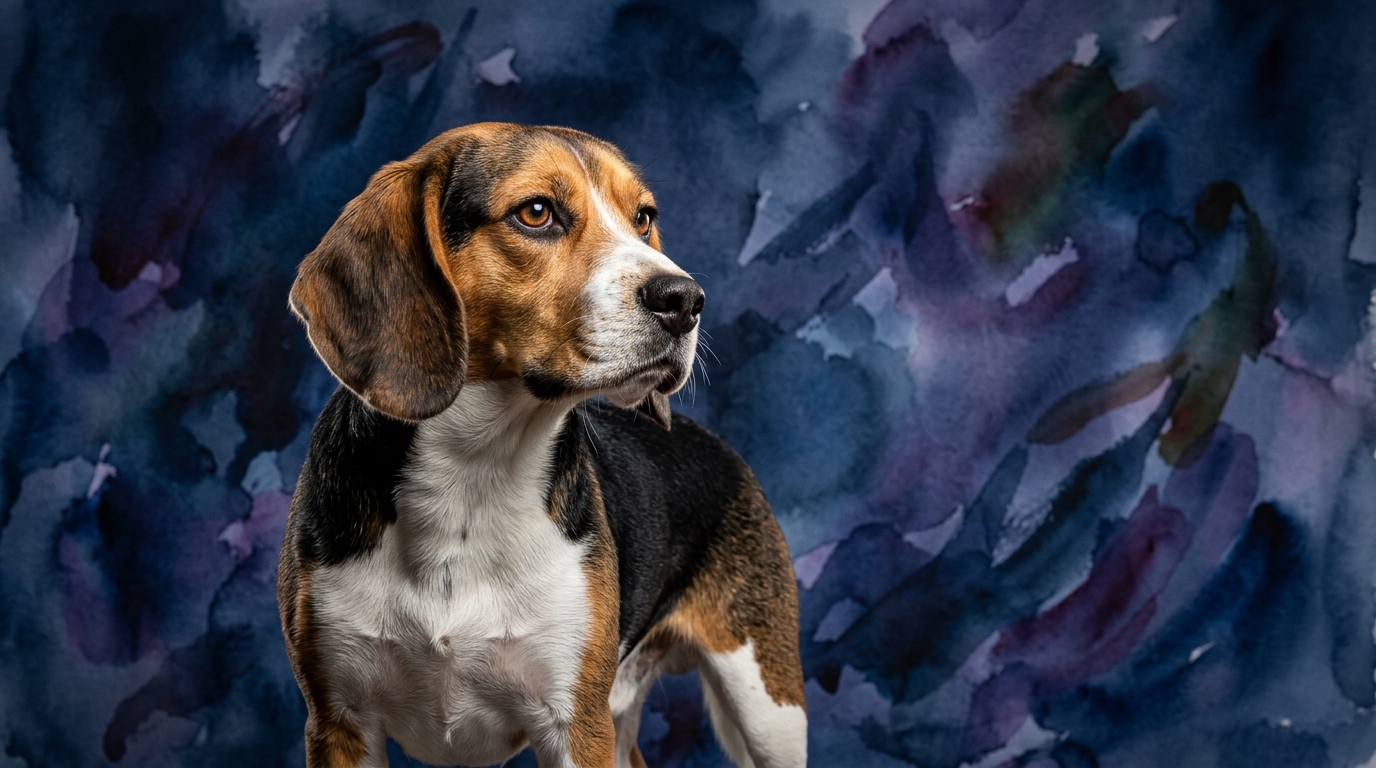
The Beagle's Cognitive Canvas: Ranked #72 by Coren, the Beagle sits in the 'average working/obedience intelligence' category, suggesting they learn new commands with moderate repetition. Their Problem Solving (4/5) is exceptional for environmental puzzles, driven by their powerful nose to track scents and navigate complex paths. Training Speed (2/5) is challenged by their independent streak and scent focus, making rapid command acquisition difficult. Social Intelligence (3/5) shows them as generally amiable, thriving in family environments and integrating well with other dogs. Their Instinctive Drive (5/5) is paramount, fueling a relentless pursuit of odors with unwavering focus. Memory (4/5) is robust, especially for locations, routines, and intricate scent trails, crucial for their tracking prowess.
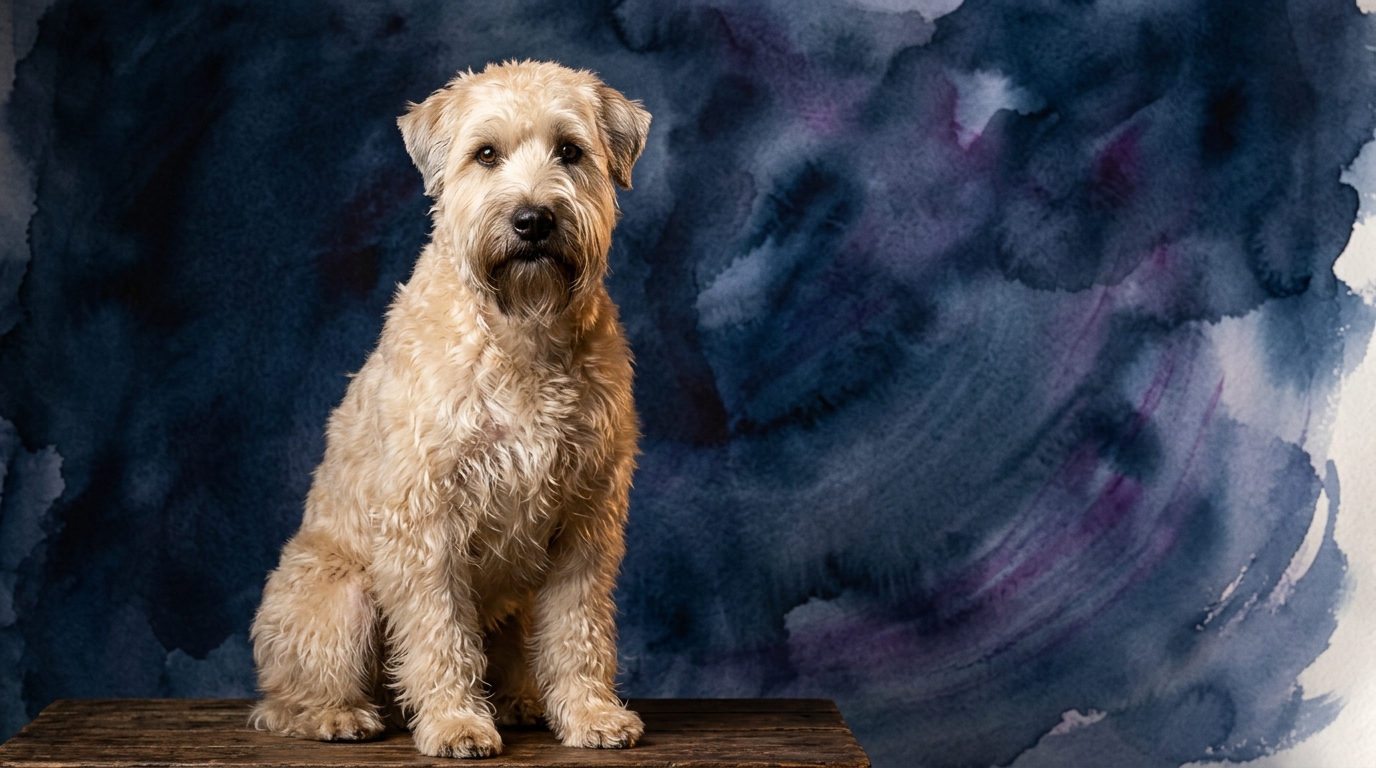
Soft Coated Wheaten Terrier's Cognitive Profile: Not Coren-ranked, the Wheaten Terrier approaches problems with characteristic terrier tenacity. Their Problem Solving (3/5) is resourceful, finding practical ways to achieve goals within their environment. Training Speed (3/5) is moderate; they are willing to learn and pick up commands, though a stubborn streak requires consistent, engaging methods. Social Intelligence (3/5) highlights their affectionate, interactive nature, known for their enthusiastic 'wheaten greetin'' and enjoyment of family activities. Instinctive Drive (3/5) is a moderate terrier prey drive, enjoying chasing and digging, which requires appropriate outlets. Memory (3/5) is functional, recalling learned commands, routines, and familiar people and places, serving their practical, family-oriented lifestyle.
Where the Beagle's Brain Excels
The Beagle's cognitive strengths are undeniably rooted in their ancestral purpose: scent work. Their Instinctive Drive (5/5) is unparalleled, making them masters of olfactory problem-solving. While their Problem Solving (4/5) isn't about abstract thought, it's profoundly practical in navigating complex scent puzzles, demonstrating an impressive ability to follow and interpret intricate odor trails. This persistence, combined with a Memory (4/5) that vividly retains scent patterns and environmental layouts, allows them to retrace steps or remember where a particular scent was last detected. This combination makes them exceptional at tasks requiring sustained focus on sensory input over long durations, a cognitive feat few breeds can match. Their intelligence is a testament to specialized evolution, honed for detection and tracking.
The Soft Coated Wheaten Terrier's Cognitive Edge
The Soft Coated Wheaten Terrier, while not a specialist like the Beagle, offers a more balanced cognitive profile that makes them adaptable. Their Training Speed (3/5) surpasses the Beagle's, indicating a greater responsiveness to human direction and a quicker grasp of new commands when motivated. This, combined with their Social Intelligence (3/5), which supports their 'wheaten greetin'' and desire for interaction, means they are often more attuned to human cues and a desire to please within a structured training environment. Their Problem Solving (3/5) is characterized by terrier tenacity and resourcefulness, allowing them to figure out practical solutions in a home environment with less single-minded focus than a Beagle, making them versatile companions. Their cognitive strengths lie in their ability to integrate into family life with relative ease, learning and adapting to a variety of situations.
Decoding Trainability: Beagle vs. Wheaten Terrier
When assessing trainability, the Beagle (Training Speed 2/5) presents a distinct challenge due to their overwhelming Instinctive Drive (5/5). A Beagle's nose is often their primary decision-maker; once a compelling scent is detected, human commands frequently become secondary. This means training requires immense patience, creativity, and high-value rewards to compete with the allure of a scent trail. While they possess good Memory (4/5) for commands, their compliance is often situational, dependent on environmental distractions.
In contrast, the Soft Coated Wheaten Terrier (Training Speed 3/5) generally exhibits a more cooperative spirit. Their Instinctive Drive (3/5) is present but less overpowering, allowing them to remain more engaged with their handler. Wheatens respond well to positive reinforcement and consistency, showing a moderate ability to learn and retain commands. Their Social Intelligence (3/5) also plays a role, as they often enjoy the interaction and attention that comes with training. While they can have a terrier's independent streak, it's typically more manageable than a Beagle's scent-driven focus, making them comparatively easier to guide through standard obedience.
Matching Paws to Lifestyles: Active vs. Relaxed Owners
For active owners, the Beagle thrives when their activity caters to their profound Instinctive Drive (5/5). They are not dogs content with short leashed walks; they excel in scent-based activities like tracking, nose work, or long hikes in securely fenced areas where their powerful nose can lead. Owners who enjoy exploring nature or participating in canine scent sports will find the Beagle's energy and cognitive needs well-met, engaging their impressive olfactory Problem Solving (4/5).
The Soft Coated Wheaten Terrier also suits active owners, but their needs are more generalized. Their moderate Instinctive Drive (3/5) means they enjoy regular exercise such as brisk walks, runs, or engaging play. They are agile and can excel in dog sports like agility, appealing to their all-around athleticism and Problem Solving (3/5) skills. Their Social Intelligence (3/5) means they thrive on interactive play and being part of family adventures, making them versatile companions for various activities.
For relaxed owners, neither breed is a 'couch potato.' A Wheaten might be slightly more adaptable to a less intense daily routine, provided consistent mental and physical stimulation. However, a Beagle's strong scent drive, if not properly channeled, can lead to destructive behaviors or persistent escape attempts, requiring even relaxed owners to be prepared to manage this instinct effectively.
The Verdict
Opt for a Beagle if you are captivated by a dog whose world is defined by scent, are committed to providing outlets for their powerful instinctive drive through scent work or extensive, secure outdoor exploration, and appreciate a persistent, independent problem-solver.
Select a Soft Coated Wheaten Terrier if you seek an enthusiastic, adaptable companion who thrives on social interaction, responds well to consistent training, and offers a balanced blend of playful energy and affectionate companionship for a variety of family activities.
🧠 Find Your Pet's IQ Score
Our Pet IQ Lab assessment covers 25+ tests across 5 cognitive dimensions — personalized to your breed.
Take the Full IQ Test →Frequently Asked Questions
Do Beagles make good family pets despite their independent nature?
Yes, Beagles are generally cheerful and good-natured, making them wonderful family pets. Their independent streak primarily manifests when they are on a scent trail, but indoors they are typically affectionate and enjoy being part of family activities. Consistent training and early socialization help them integrate well.
Are Soft Coated Wheaten Terriers prone to excessive barking?
Soft Coated Wheaten Terriers can be vocal, often using barking to alert their owners or express excitement, especially with their characteristic 'wheaten greetin''. While not necessarily excessive, their communication style requires consistent training from a young age to manage and redirect their vocal tendencies appropriately.
How much exercise does each breed need to stay cognitively stimulated?
Beagles require significant mental and physical exercise, ideally including daily scent work or long, engaging walks where they can follow trails, totaling at least 60-90 minutes. Soft Coated Wheaten Terriers also need daily activity, typically 45-60 minutes of vigorous play or walks, combined with interactive games to satisfy their problem-solving and social needs.