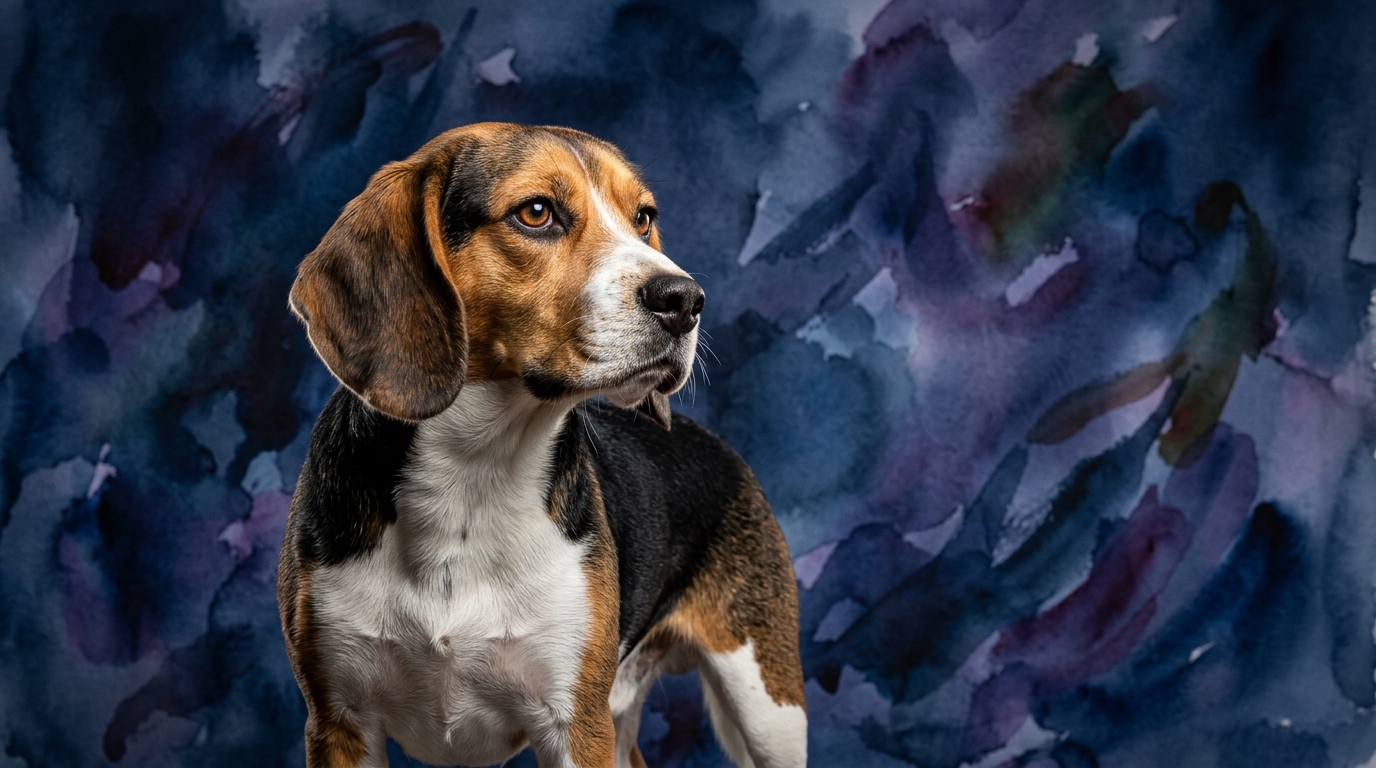
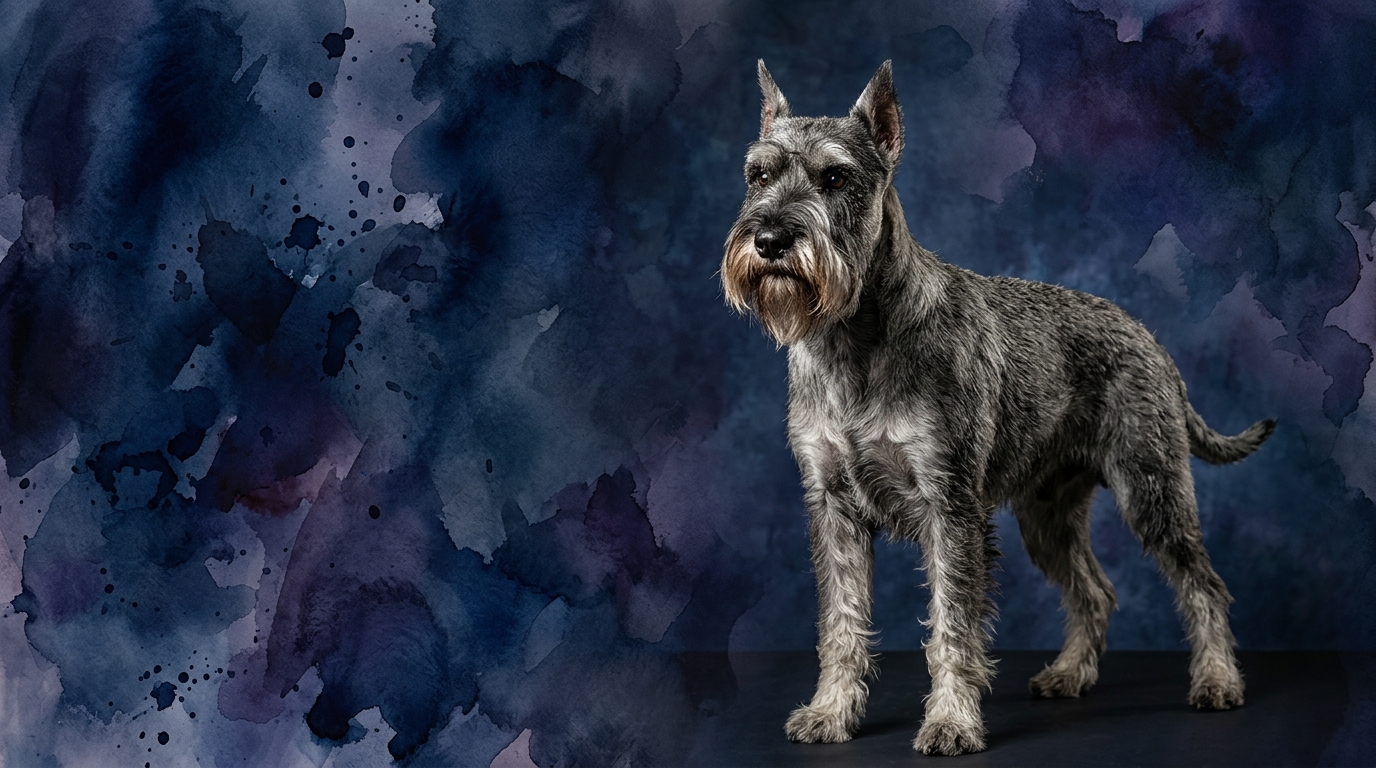
Side-by-Side Cognitive Profiles: Beagle vs. Standard Schnauzer
When we examine the cognitive architecture of the Beagle and the Standard Schnauzer, distinct strengths emerge, painting a picture far more nuanced than a simple 'smartest' declaration. The Beagle, ranked 72nd on the Coren scale, showcases a particular kind of genius. Its Problem Solving score of 4/5 indicates a capable mind, often brilliantly applied to tasks involving its primary sense, scent. This breed's Training Speed, however, sits at 2/5, reflecting an independence that prioritizes instinct over immediate human directives. Social Intelligence at 3/5 suggests a generally agreeable nature, while an outstanding Instinctive Drive of 5/5 underscores its unwavering commitment to tracking. Memory, at 4/5, is particularly robust for retaining complex scent patterns and environmental cues.
The Standard Schnauzer, with its higher Coren ranking of 22, presents a different cognitive blueprint. Its Problem Solving ability also scores 4/5, but this intelligence is often expressed through versatile, adaptive thinking, suitable for a range of working tasks. A Training Speed of 4/5 highlights its eagerness to learn and respond to commands, making it a more readily pliable student. Social Intelligence, at 3/5, mirrors the Beagle's general sociability, though Schnauzers can exhibit a more reserved protective streak. Its Instinctive Drive of 3/5 is moderate, focusing on guardianship and task execution rather than singular sensory pursuits. Memory, like the Beagle's, is strong at 4/5, allowing for excellent retention of complex routines and learned behaviors.
Where the Beagle's Mind Shines Brightest
The Beagle's cognitive prowess truly excels in domains where its exceptional sense of smell is paramount. With an Instinctive Drive score of 5/5, no other breed in this comparison can match its relentless dedication to following a scent trail. This isn't merely about sniffing; it involves complex problem-solving tailored to olfactory information, deciphering intricate scent puzzles in the environment. A Beagle’s memory, rated 4/5, is particularly adept at recalling the nuances of a specific scent, where it last detected a particular odor, or the most efficient path through a previously explored scent-scape. This specialized form of problem-solving and memory allows Beagles to excel in activities like scent work, tracking, and even some detection tasks, demonstrating a profound, single-minded focus that can be challenging to redirect but incredibly effective within its niche.
While its general training speed might be lower, a Beagle's cognitive strength lies in its ability to independently process and react to environmental stimuli, primarily through its nose. This isn't disobedience as much as it is an unshakeable commitment to its genetic imperative. For owners who understand and harness this drive, the Beagle demonstrates an unparalleled capacity for sustained, self-directed exploration and discovery, often navigating complex outdoor environments with an almost preternatural understanding derived from scent.
The Standard Schnauzer's Cognitive Strengths
The Standard Schnauzer's cognitive strengths lean towards a more generalized and adaptable intelligence, making it a highly versatile companion. Its Training Speed of 4/5 is a significant advantage, indicating a breed that processes commands quickly and is eager to engage in structured learning. This responsiveness allows Schnauzers to master a wide array of commands and complex routines, making them adept at obedience, agility, and various dog sports. Their Problem Solving score of 4/5 manifests in their ability to assess novel situations and devise solutions that aren't solely reliant on a singular sensory input, unlike the Beagle.
The Schnauzer's moderate Instinctive Drive (3/5) means their natural inclinations, such as guarding or herding, are more readily integrated into training protocols rather than overriding them. This allows their strong memory (4/5) to be applied more broadly to human-directed tasks and expectations. Owners often find Standard Schnauzers to be thoughtful observers, capable of understanding routines and anticipating events, making them excellent partners for intricate tasks or as watchful family guardians where a balanced, responsive intellect is valued above all.
Ease of Training: Beagle vs. Standard Schnauzer
When it comes to ease of training, the Standard Schnauzer generally presents a more straightforward path for most owners. Their Training Speed of 4/5 signifies a breed that is typically responsive and keen to work alongside their human companions. Standard Schnauzers often exhibit a desire to please and a focus on their handler, making them receptive to positive reinforcement and consistent instruction. Their Instinctive Drive, while present, is moderate enough (3/5) that it doesn't typically overshadow their willingness to comply with commands. This means a Schnauzer is less likely to be 'deaf' to a recall command if they've spotted a squirrel, compared to a Beagle.
The Beagle, with a Training Speed of 2/5 and an Instinctive Drive of 5/5, presents a different training challenge. Their profound drive to follow scent often means that once a compelling odor is detected, their focus on their handler can diminish dramatically. This isn't a lack of intelligence, but rather a powerful, innate behavioral difference that prioritizes olfactory exploration above all else. Training a Beagle requires immense patience, creativity, and a deep understanding of their scent-driven nature, often necessitating specialized training methods to capture and maintain their attention against the backdrop of an irresistible scent world. While they can learn, their independent, scent-focused problem-solving often means they'll choose to solve a 'scent puzzle' rather than execute a 'sit' command if the two conflict.
Matching Breeds to Lifestyles: Active vs. Relaxed Owners
For owners seeking a more relaxed pace, the Beagle might initially seem like a suitable choice due to their generally placid indoor demeanor, but this can be deceptive. While they enjoy lounging, their powerful Instinctive Drive (5/5) demands significant outlets for their scenting abilities. A Beagle requires daily, engaging 'nose work' activities or long, exploratory walks where they can follow scents. Without these outlets, their pent-up energy and drive can lead to destructive behaviors or persistent vocalizations. Therefore, even a 'relaxed' owner must be prepared for consistent, stimulating outdoor adventures focused on scent, making them better suited for owners who are active in a specific, exploratory way.
The Standard Schnauzer, conversely, is better suited for truly active owners who enjoy a variety of physical and mental challenges. Their moderate Instinctive Drive (3/5) and high Training Speed (4/5) mean they thrive on structured activities like obedience training, agility, hiking, and interactive play. They need consistent engagement and a 'job' to do, whether it's guarding the home or mastering new tricks. A Standard Schnauzer will become bored and potentially destructive if left to their own devices without sufficient physical and mental stimulation. Their robust nature and protective instincts mean they need an owner who can consistently provide leadership and engaging activities, making them a superb match for owners who integrate their dog into a dynamic, structured lifestyle.
The Verdict
Choose the Beagle if you are fascinated by the world of scent, are prepared to channel a powerful, independent drive into engaging nose-work activities, and appreciate a dog with a singular focus on olfactory exploration.
Opt for the Standard Schnauzer if you desire a highly trainable, versatile companion eager to engage in a variety of activities, and you can provide consistent mental and physical challenges for a watchful, adaptable working dog.
🧠 Find Your Pet's IQ Score
Our Pet IQ Lab assessment covers 25+ tests across 5 cognitive dimensions — personalized to your breed.
Take the Full IQ Test →Frequently Asked Questions
Are Beagles difficult to train because of their intelligence?
Beagles are not difficult to train due to a lack of intelligence; rather, their training presents unique challenges because their profound instinctive drive for scent often overrides human commands. Their problem-solving is highly specialized towards olfactory tasks, requiring owners to adapt training methods to work with, rather than against, this powerful natural inclination.
Do Standard Schnauzers require a lot of mental stimulation?
Yes, Standard Schnauzers require significant mental stimulation due to their adaptable problem-solving skills and eagerness to learn. They thrive on having 'jobs' to do, whether through advanced obedience, dog sports, or interactive puzzle toys, which helps prevent boredom and channel their energy constructively.
Which breed is better for a first-time dog owner?
For a first-time dog owner, the Standard Schnauzer might be a more manageable choice due to its higher training speed and more generalized responsiveness to commands. While still requiring commitment, their eagerness to learn and moderate instinctive drives can make the training process more rewarding for a novice compared to the independent, scent-driven Beagle.