
Side-by-Side IQ Profile
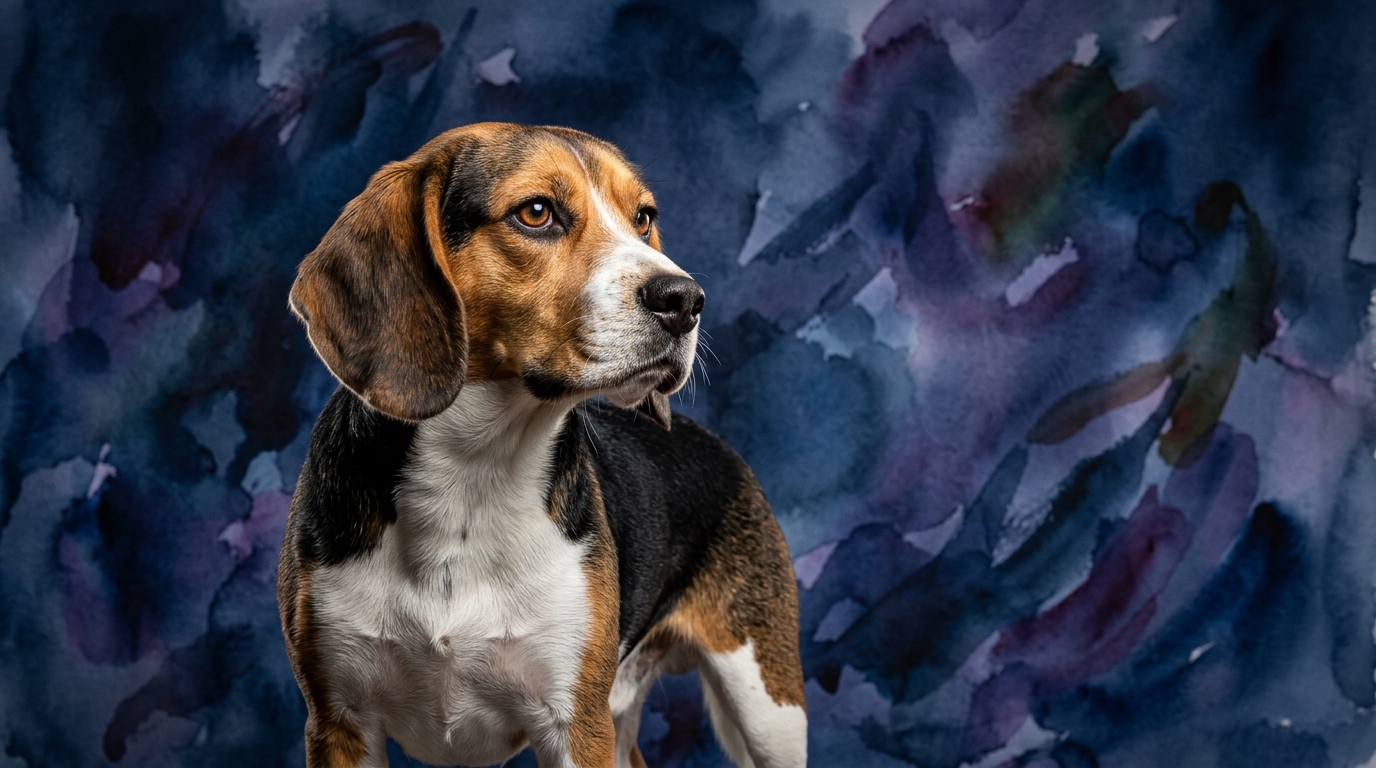
The Cosmic Pet Pet IQ Lab provides a unique lens through which to compare the cognitive strengths of different breeds, and for the Beagle and Sussex Spaniel, the data reveals distinct profiles. The Beagle, a hound with a Coren rank of #72, demonstrates a Problem Solving score of 4/5, indicating a strong capacity for navigating complex scent trails and overcoming obstacles to reach a desired odor source. This isn't abstract reasoning, but rather highly specialized, practical problem-solving. However, their Training Speed is rated at 2/5, reflecting their often independent and scent-driven nature, which can make them less immediately responsive to human commands. Their Social Intelligence stands at 3/5, suggesting they are generally affable but often prioritize their olfactory world. Crucially, their Instinctive Drive is a powerful 5/5, signifying an almost unparalleled urge to track and follow scents, a trait deeply embedded in their heritage. Finally, their Memory scores 4/5, particularly strong for recalling intricate scent patterns and past experiences.
In contrast, the Sussex Spaniel, a sporting dog with a Coren rank of #62, presents a more balanced cognitive spread. Its Problem Solving score is 3/5, indicating a solid ability to handle practical challenges, often related to flushing or retrieving game, but perhaps without the Beagle's hyper-focus on intricate scent puzzles. Their Training Speed is 3/5, a moderate pace that suggests a greater willingness and capacity to learn human-directed tasks compared to the Beagle. Like the Beagle, their Social Intelligence is 3/5, showing a good connection with family, though they can be reserved with strangers. Their Instinctive Drive is 3/5, a robust drive for their retrieving and flushing duties, but less overwhelming than the Beagle's. Finally, their Memory is 3/5, reliable for learned routines and retrieving locations. These scores highlight the Sussex Spaniel's general working intelligence, often making them more pliable in a domestic setting.
Where the Beagle Wins Cognitively
The Beagle's true cognitive prowess shines in its specialized domain: olfaction and persistent pursuit, areas where it fundamentally outperforms the Sussex Spaniel. Its Problem Solving score of 4/5 is a testament to an unparalleled ability to decipher intricate scent trails, navigating complex environments and overcoming obstacles to pinpoint a source with unwavering determination. This isn't about solving abstract puzzles, but rather an exceptional mastery of real-world, scent-based challenges that demand focus and deduction. Their Instinctive Drive, a perfect 5/5, fuels this cognitive strength, granting them the relentless persistence required to follow a trail for miles, overriding distractions that would deter most other breeds. This drive is a core part of their being, making them tireless workers in their original hunting role. Furthermore, their Memory, rated at 4/5, is particularly impressive concerning scent. Beagles can recall specific scent signatures and complex routes, allowing them to pick up old trails or differentiate between countless individual odors with precision. This specialized memory is a cornerstone of their success as scent hounds, making them exceptionally adept at tasks requiring sustained olfactory focus and recall.
Where the Sussex Spaniel Wins Cognitively
While the Beagle excels in its specialized scent work, the Sussex Spaniel exhibits a more balanced and generally amenable cognitive profile, particularly evident in its Training Speed score of 3/5, which surpasses the Beagle's 2/5. This indicates a relatively quicker grasp of commands and a greater willingness to engage in structured learning sessions. Their higher Coren rank of #62, compared to the Beagle's #72, further suggests a general advantage in working and obedience intelligence, meaning they tend to understand new instructions with fewer repetitions and a more consistent application of learned behaviors. The Sussex Spaniel's cognitive strengths lie in their adaptability to human directives and their capacity to integrate various tasks into a cohesive routine without the overwhelming pull of a single, all-consuming instinct. Their Instinctive Drive of 3/5, while robust for flushing game, is not as singularly focused as the Beagle's, allowing for a more accessible and sustained focus on their human companion during training. This makes them often more responsive to conventional methods, fostering a cooperative partnership in learning.
Which is Easier to Train and Why
Based on their cognitive profiles, the Sussex Spaniel is generally easier to train than the Beagle for the average owner seeking a companion readily responsive to commands. The Sussex Spaniel's Training Speed of 3/5 indicates a moderate pace in learning new commands, often coupled with a more pronounced desire to please their handler. They are typically more biddable and responsive, making them receptive to positive reinforcement and consistent instruction. Their Instinctive Drive of 3/5, while present for their sporting tasks, is not as singularly overwhelming as the Beagle's. This means a Sussex Spaniel is less likely to become completely engrossed in a scent trail, allowing them to maintain focus on their human during training sessions. In contrast, the Beagle's Training Speed of 2/5 highlights a more challenging learning curve. Their exceptional Instinctive Drive of 5/5 means that once a compelling scent is detected, their natural inclination is to follow it, often to the exclusion of all else. This strong, inherent motivation makes it difficult to redirect their attention to human commands, requiring immense patience, highly rewarding treats, and creative, engaging training methods to compete with the allure of a captivating odor. Therefore, while both breeds possess cognitive abilities, the Sussex Spaniel typically offers a smoother, less challenging training experience for the average owner who prioritizes obedience.
Which Suits Active Owners vs Relaxed Owners
When considering owner lifestyles, the Beagle distinctly favors active owners who appreciate and can effectively manage a dog with powerful, specialized instincts. Their 5/5 Instinctive Drive translates into a boundless need for mental and physical stimulation, particularly involving scent work. Owners must be prepared for long, engaging walks where the Beagle is allowed ample opportunity to explore scents, or provide structured activities like scent games, tracking, or even competitive nose work. A more relaxed owner who prefers short, uneventful strolls might find a Beagle's relentless curiosity and tendency to follow its nose overwhelming, potentially leading to frustration or escape attempts as the Beagle seeks its own stimulation. Their high problem-solving ability in scent contexts means they'll find ways to get to interesting odors, even if it means digging or escaping a yard. The Sussex Spaniel, with its more moderate 3/5 Instinctive Drive, offers a more adaptable companionship, suitable for owners who enjoy activity but perhaps not to the same intense, single-minded degree as a Beagle owner. They appreciate regular walks and engaging playtime, and their slightly higher training speed makes them more amenable to learning structured activities like fetch or obedience that can fulfill their physical and mental needs. While certainly not a sedentary breed, a Sussex Spaniel can transition more gracefully between periods of activity and relaxation, making them a better fit for owners seeking a balance between an active outdoor life and a calm, cooperative home presence, without the same level of specialized management required for a highly driven scent hound.
The Verdict
Choose a Beagle if you are an active, patient owner passionate about scent work and prepared to manage a dog driven by an unparalleled olfactory instinct, valuing their independent problem-solving skills.
Opt for a Sussex Spaniel if you desire a biddable companion for varied activities, valuing their moderate training speed and balanced drive for a cooperative, adaptable family member.
🧠 Find Your Pet's IQ Score
Our Pet IQ Lab assessment covers 25+ tests across 5 cognitive dimensions — personalized to your breed.
Take the Full IQ Test →Frequently Asked Questions
Are Beagles difficult to train?
Beagles can be challenging to train due to their powerful 5/5 Instinctive Drive, which often prioritizes scent trails over human commands. Their 2/5 Training Speed means they require significant patience, consistency, and creative, high-value rewards to maintain focus and achieve reliable obedience.
Do Sussex Spaniels need a lot of exercise?
Sussex Spaniels have a moderate 3/5 Instinctive Drive and require regular, engaging exercise to stay healthy and content. Daily walks, playtime, and opportunities for retrieving or exploring will satisfy their needs without the relentless intensity of a dedicated scent hound.
Which breed is better with children?
Both breeds have a Social Intelligence of 3/5, indicating they can be good with children when properly socialized and supervised. Beagles are generally amiable but can be boisterous, while Sussex Spaniels are often calmer but may prefer slightly older, more respectful children.