Side-by-Side Cognitive Profiles
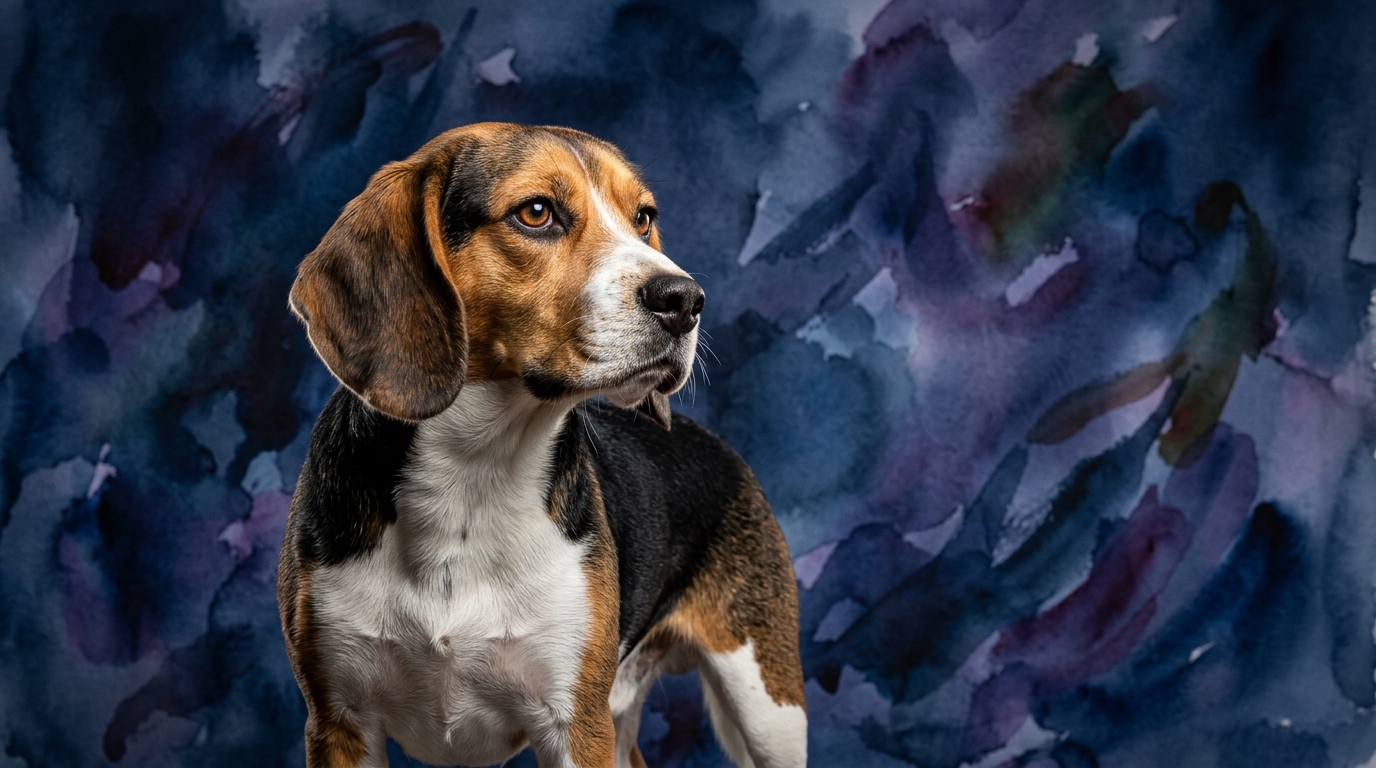
The Cosmic Pet Pet IQ Lab categorizes canine intelligence across five key dimensions, offering a nuanced view beyond simple obedience. For the Beagle, a hound breed, their profile reflects a life historically dedicated to tracking game. Their Problem Solving is rated 4/5, specifically for intricate scent puzzles and persistent trail following, demonstrating remarkable sequential processing within their olfactory world. Training Speed, at 2/5, highlights their independent nature; once a Beagle locks onto a scent, external commands often become secondary. Social Intelligence, at 3/5, speaks to their amiable pack dynamics and responsiveness within familiar groups. Their Instinctive Drive is a profound 5/5, dictating much of their behavior through an unwavering desire to track. Lastly, their Memory, at 4/5, is particularly strong for spatial information related to scent trails and locations where interesting smells were found, aiding in complex navigation.
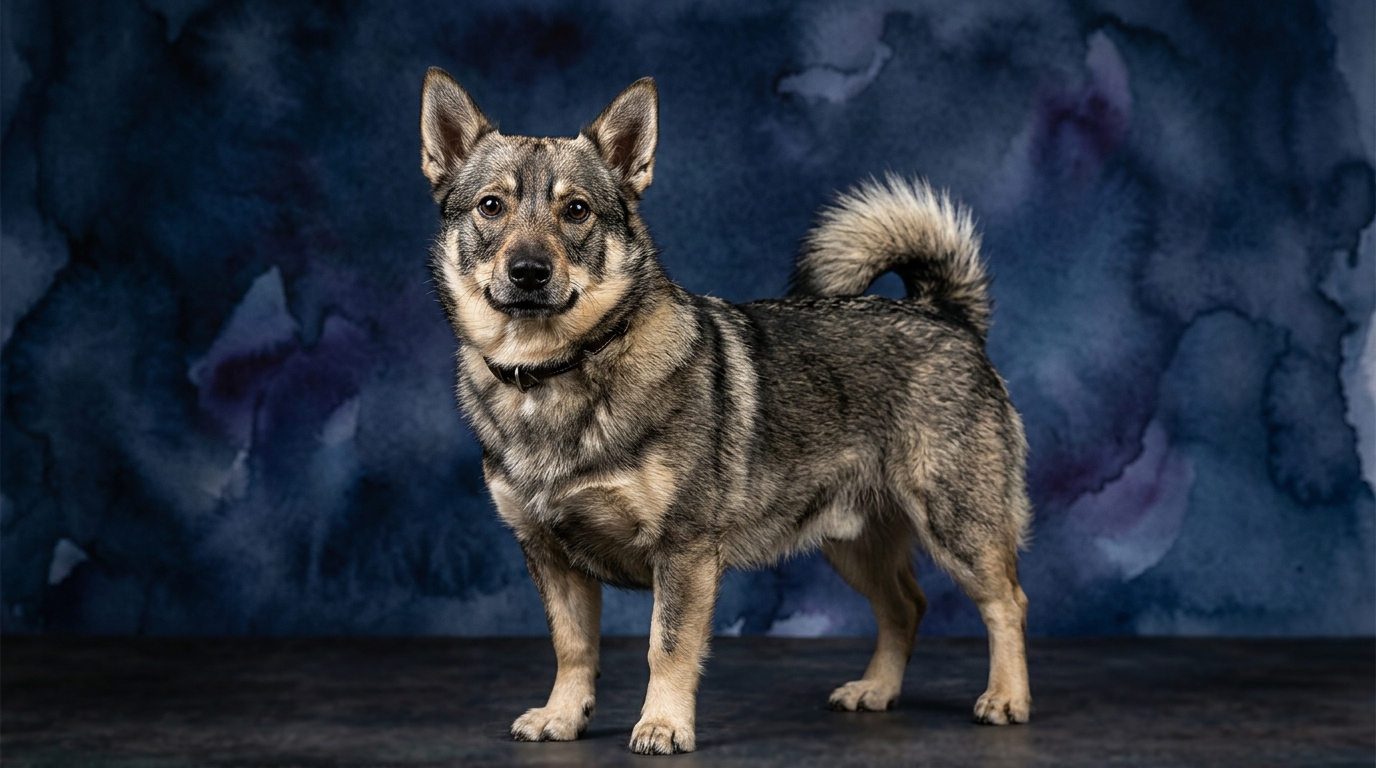
In contrast, the Swedish Vallhund, a herding breed, presents a more balanced cognitive spread, indicative of a versatile farm dog. Their Problem Solving is 3/5, reflecting practical skills in tasks like managing livestock or navigating their environment, showing an adaptable approach to challenges. Training Speed is 3/5, suggesting a generally biddable and cooperative nature, keen to learn and respond to positive reinforcement. Social Intelligence, also 3/5, shows they are alert and observant, picking up on human emotions and intentions with reasonable accuracy for close partnership. Their Instinctive Drive is a moderate 3/5, manifesting as a desire to gather and manage, but being more controllable than the Beagle's singular focus. Finally, their Memory, at 3/5, supports their role as an all-around farm dog, allowing them to recall commands, routines, and territorial layouts effectively.
Where the Beagle Excels Cognitively
The Beagle's cognitive strengths are undeniably rooted in their specialized olfactory processing and the unwavering persistence that accompanies it. Their Problem Solving score of 4/5 is almost exclusively dedicated to unraveling complex scent trails, a skill that demands high-level analytical processing within their sensory domain. Unlike breeds that might solve puzzles by manipulating objects, Beagles solve them by meticulously deconstructing a tapestry of odors, demonstrating a unique form of sequential logic and deduction tailored to their nose. This singular focus, coupled with their 5/5 Instinctive Drive, means they possess an unparalleled ability to concentrate on a task, blocking out distractions when engaged in scent work. Furthermore, their 4/5 Memory shines brightest in recalling spatial maps of scent, enabling them to retrace elaborate paths and remember where specific odors were encountered, a crucial asset for a tracking dog. This combination makes them exceptional at tasks requiring sustained, independent, and precise olfactory investigation.
Where the Swedish Vallhund Shines Cognitively
The Swedish Vallhund’s cognitive advantages lie in their balanced and adaptable intellect, particularly evident in their Training Speed (3/5) and more generalist Problem Solving (3/5). While not reaching the extreme specialization of the Beagle, the Vallhund demonstrates a greater eagerness to engage with human instruction and a willingness to perform a variety of tasks. Their herding background requires them to be attentive to handler cues, quick to respond, and capable of adjusting their behavior based on changing circumstances, reflecting a practical, responsive intelligence. This balanced cognitive profile makes them adept at learning diverse skills, from agility to obedience, often with less resistance than a scent-driven breed. Their moderate Instinctive Drive (3/5) also contributes to this adaptability, as their natural urges are more easily channeled into structured activities, making them a versatile partner in many cognitive challenges beyond their original herding role.
Training: Beagle's Independence vs. Vallhund's Biddability
When it comes to training, the core behavioral differences between these two breeds become strikingly apparent, directly correlating with their Training Speed scores. The Beagle, with a 2/5 Training Speed, often presents a significant challenge due to their profound independence and powerful instinctive drive. Once a Beagle's nose is engaged, their world shrinks to the scent, making them notoriously difficult to recall or refocus. This isn't a lack of capacity to learn, but rather a prioritization of their innate tracking instinct over human commands. Training a Beagle demands immense patience, high-value rewards, and a deep understanding of their scent-driven motivation to make yourself more interesting than the ground. Conversely, the Swedish Vallhund, scoring 3/5 in Training Speed, generally proves to be a more cooperative student. As a herding breed, they are accustomed to working in close partnership with humans, responding to directives to manage livestock. This inherent biddability means they are typically more attentive to their handler, quicker to grasp new commands, and less prone to being entirely consumed by environmental stimuli. Their natural inclination to please and work collaboratively makes them generally easier to motivate and guide through training sessions, translating into faster acquisition of complex behaviors.
Owners: Active Explorers vs. Versatile Companions
The ideal owner for a Beagle often embraces a lifestyle that accommodates their profound instinctive drive and independent spirit. These dogs thrive with owners who appreciate and can channel their relentless desire to follow scents, perhaps engaging in scent work, tracking, or long, exploratory walks where their nose can lead. While active, the Beagle’s activity often centers around their olfactory pursuits, requiring patient supervision to prevent them from wandering off on a captivating trail. They suit owners who understand that "relaxed" for a Beagle might involve hours of sniffing in a secure yard, rather than simply lounging. In contrast, the Swedish Vallhund appeals to owners seeking a versatile, engaged companion for a broader spectrum of activities. Their moderate energy and balanced cognitive profile make them excellent partners for active pursuits like agility, obedience, or even hiking, where their biddability and desire to work alongside their human shine. They are less consumed by a single drive and more inclined to participate in varied family activities, making them suitable for owners who enjoy integrating their dog into diverse daily routines and who appreciate a responsive, adaptable canine presence.
The Verdict
Choose a Beagle if you are captivated by a dog's profound olfactory capabilities, possess the patience for independent, scent-driven training, and appreciate a companion whose world is largely interpreted through their incredible nose. They are ideal for those ready to embrace and manage a truly instinct-driven canine.
Opt for a Swedish Vallhund if you seek a versatile, biddable dog for a variety of activities, value a balanced cognitive profile for easier training across disciplines, and desire a cooperative partner keen to engage with you in diverse daily adventures.
🧠 Find Your Pet's IQ Score
Our Pet IQ Lab assessment covers 25+ tests across 5 cognitive dimensions — personalized to your breed.
Take the Full IQ Test →Frequently Asked Questions
Can a Beagle be trained for tasks beyond scent work?
Absolutely, Beagles can learn many commands and tricks, but their training requires significant dedication and high-value rewards to overcome their powerful scent distraction. Their independent nature means consistency is crucial, and owners should manage expectations regarding immediate obedience when a captivating scent is present.
Are Swedish Vallhunds good family dogs despite their herding instincts?
Yes, Swedish Vallhunds are generally excellent family dogs; their herding instinct is typically manageable and can be channeled into play or structured activities. They are often good with children, though early socialization and training are important to ensure they learn appropriate interactions and don't "herd" family members.
Do Beagles or Swedish Vallhunds require more mental stimulation?
Both breeds require mental stimulation, but in different forms. Beagles need outlets for their intense scent drive, such as scent games or tracking. Vallhunds thrive on varied mental challenges like obedience, puzzles, and learning new tricks, benefiting from diverse engagement rather than a singular focus.