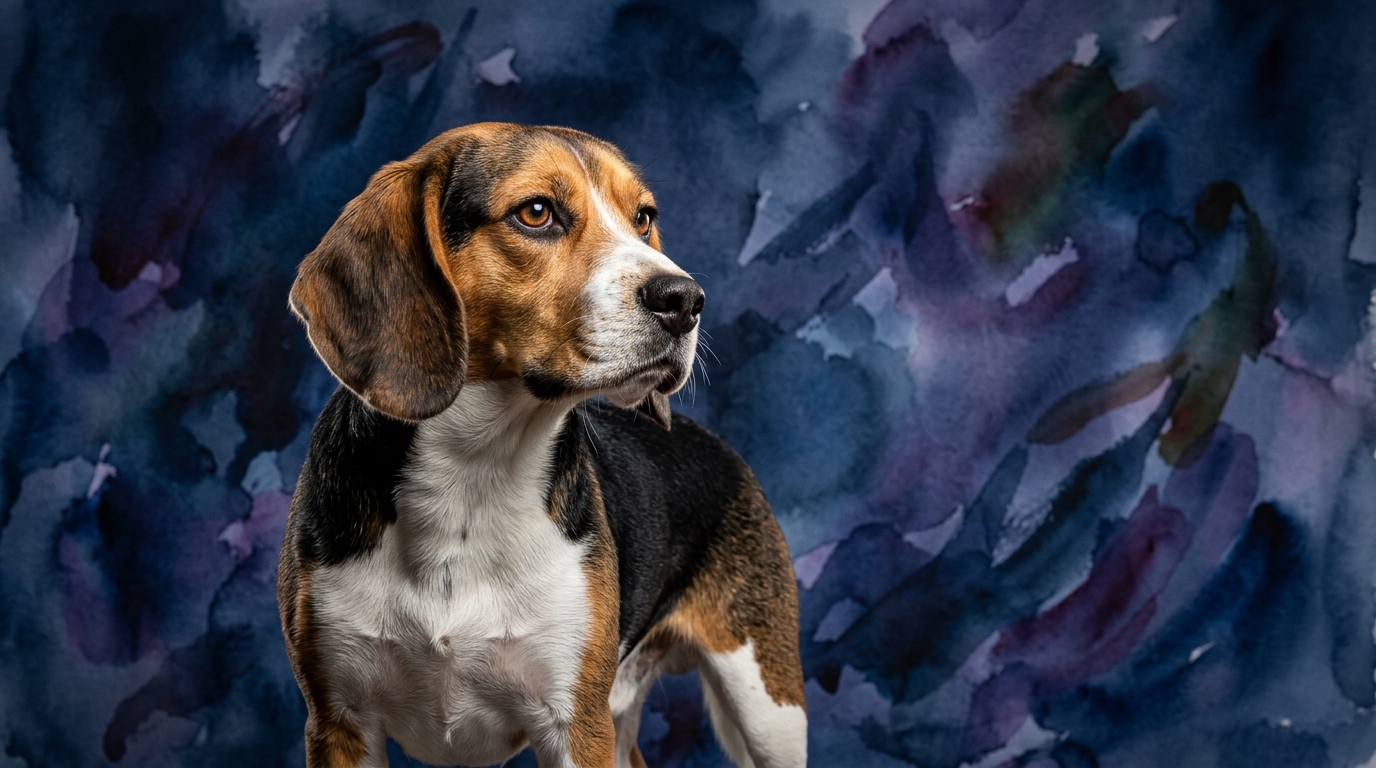
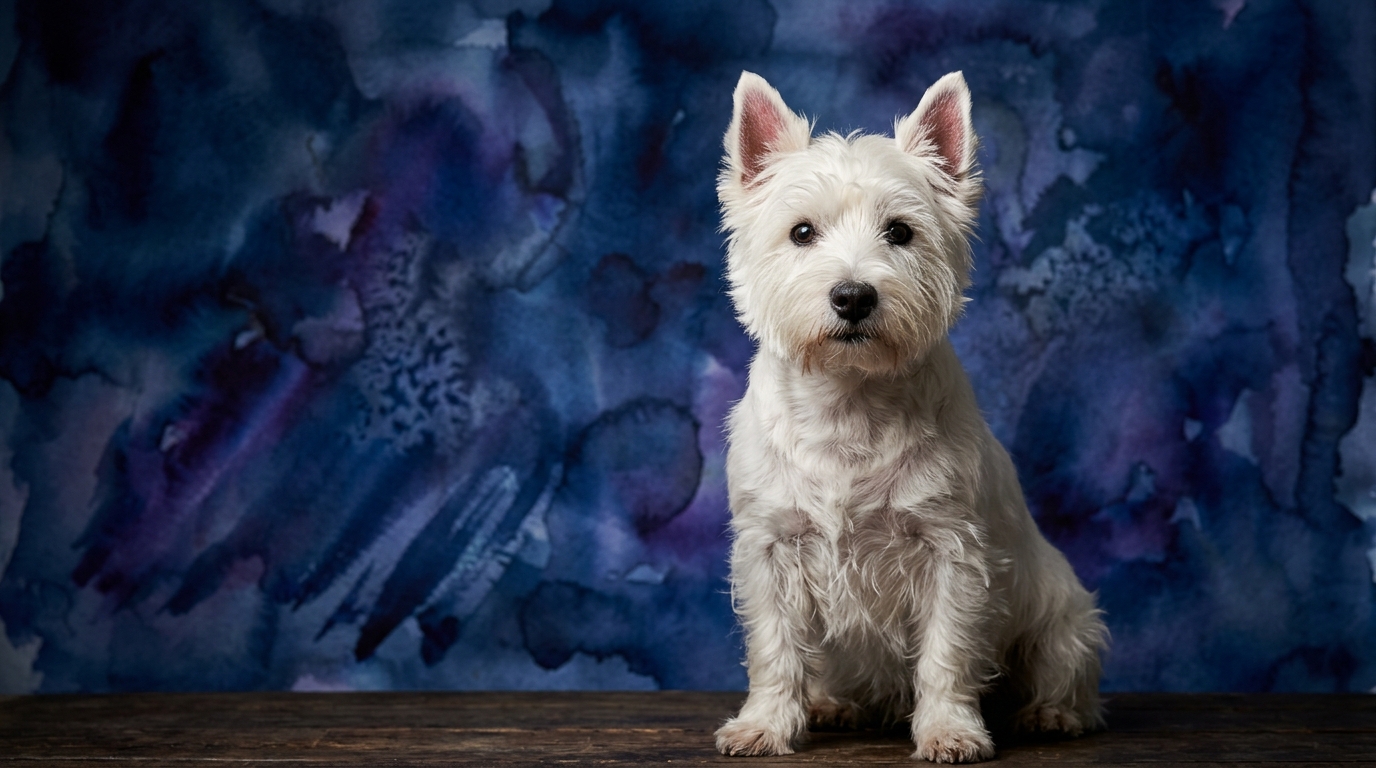
Side-by-Side Cognitive Profiles: Beagle vs. Westie
The Cosmic Pet Pet IQ Lab employs a multi-faceted approach to assessing canine intelligence, moving beyond simple obedience to explore five key cognitive dimensions. For the Beagle, a Coren rank of #72 places them in the average working/obedience intelligence category. Their Problem Solving ability is rated 4/5, indicating a strong capacity for independent thought when faced with novel situations. Training Speed, however, is 2/5, suggesting they may require more repetition and patience. Social Intelligence sits at 3/5, reflecting a moderate understanding of human cues and pack dynamics. A standout feature is their Instinctive Drive at 5/5, a testament to their powerful scenting heritage, while Memory is strong at 4/5, allowing them to recall locations and experiences effectively.
In contrast, the West Highland White Terrier, often called a Westie, boasts a higher Coren rank of #47, placing them in the above-average working/obedience intelligence group. Their Problem Solving score is 3/5, showing a practical approach but perhaps less abstract ingenuity than the Beagle. Their Training Speed is 3/5, indicating a more moderate pace for learning new commands. Social Intelligence matches the Beagle at 3/5, suggesting similar capabilities in reading and responding to their human companions. The Westie's Instinctive Drive is 3/5, present but less overwhelming than the Beagle's, reflecting their historical role as vermin hunters. Like the Beagle, their Memory is also a solid 4/5, enabling them to retain learned behaviors and spatial information.
Where the Beagle's Mind Shines Cognitively
The Beagle truly excels in areas requiring independent thought and an unwavering commitment to their senses. Their superior Problem Solving score of 4/5 means they are adept at figuring things out on their own, whether it's navigating a complex scent trail or discovering how to access a forbidden treat. This isn't about following directions, but about intrinsic curiosity and persistence in achieving a self-determined goal. Their profound Instinctive Drive, rated 5/5, is the core of their cognitive strength, driving their incredible scent discrimination and tracking abilities. This powerful instinct isn't just a physical trait; it represents a profound cognitive processing capability, allowing them to interpret a world of invisible olfactory information with unparalleled detail and focus. This makes them formidable partners in scent work or any activity leveraging their natural seeking behaviors, demonstrating a specialized intelligence that few breeds can match.
Where the West Highland White Terrier's Mind Excels
The West Highland White Terrier demonstrates a practical and adaptable cognitive style, particularly evident in their Coren rank of #47, which places them significantly higher than the Beagle in terms of obedience and working intelligence. While their Problem Solving is rated 3/5, this score reflects a focused, goal-oriented approach, often geared towards tasks rather than expansive exploration. Their Training Speed, at 3/5, surpasses the Beagle's, suggesting a quicker grasp of new commands and a greater readiness to engage in structured learning activities. This moderate pace for learning, combined with their strong memory, makes them receptive to consistent instruction. The Westie's cognitive strengths lie in their tenacity and ability to apply learned solutions to recurring challenges, a legacy of their terrier heritage where persistent effort was key to success in hunting small game. They are less distracted by overwhelming sensory input, allowing for more directed attention during training and daily interactions.
Training Dynamics: Which Breed Learns Faster?
When it comes to formal training, the West Highland White Terrier generally presents a more straightforward path. With a Training Speed of 3/5, they tend to pick up new commands and routines more readily than the Beagle, whose Training Speed is 2/5. The Westie's moderate instinctive drive (3/5) allows them to maintain focus on their handler and the task at hand without being constantly pulled away by environmental stimuli. Their terrier determination, while sometimes manifesting as stubbornness, can also be channeled into persistent effort during training sessions, especially with positive reinforcement. They are often eager to please when they understand the desired outcome.
The Beagle's lower Training Speed (2/5) is intrinsically linked to their overwhelming Instinctive Drive (5/5). While they possess a keen intelligence for problem-solving and excellent memory, their world is primarily interpreted through scent. A compelling odor can instantly override any command or learned behavior, making consistent focus during training a significant challenge. Owners often describe Beagles as 'selectively deaf' when on a scent trail. Training a Beagle requires immense patience, creativity, and a deep understanding of their motivations, often needing to make training feel like a game that outcompetes the allure of a captivating smell.
Lifestyle Match: Active vs. Relaxed Owners
For owners seeking a more relaxed, yet still engaged companion, the West Highland White Terrier might be the more suitable choice. While they certainly need regular exercise and mental stimulation to prevent boredom, their energy levels are generally manageable for owners who enjoy daily walks, playtime in the yard, and indoor enrichment. Their moderate instinctive drive means they are less likely to disappear on a scent quest, making off-leash activities in secure areas more feasible. Westies thrive on companionship and structured interactions, fitting well into households that appreciate a sturdy, loyal, and generally less demanding presence.
Conversely, the Beagle is an ideal match for active owners who relish outdoor adventures and are prepared to engage with a dog driven by an extraordinary sense of smell. Their high instinctive drive means they require ample opportunities to explore and utilize their nose, whether through scent games, long walks with plenty of sniffing time, or even advanced tracking sports. A Beagle without sufficient mental and physical outlets can become bored and destructive. They thrive in environments where their innate hound behaviors are not just tolerated but celebrated and directed, making them perfect for those who enjoy an energetic, curious, and often boisterous companion who loves to follow their nose wherever it leads.
The Verdict: Choosing Your Canine Companion
The Verdict
Choose a Beagle if you are an active, patient owner who appreciates an independent thinker with an unparalleled sense of smell, ready to engage in scent work and manage a strong prey drive. They thrive with owners who understand their hound nature and provide ample opportunities for exploration.
Opt for a West Highland White Terrier if you prefer a more biddable companion with a practical intelligence, suitable for consistent training and moderate daily activity. They are a good fit for owners seeking a loyal, spirited terrier who enjoys structured play and companionship without overwhelming instinctive urges.
🧠 Find Your Pet's IQ Score
Our Pet IQ Lab assessment covers 25+ tests across 5 cognitive dimensions — personalized to your breed.
Take the Full IQ Test →Frequently Asked Questions
Do Beagles get bored easily if not mentally stimulated?
Yes, Beagles, with their high problem-solving ability and intense instinctive drive, require significant mental stimulation to prevent boredom. Without outlets for their intelligence and nose, they can become restless and may engage in destructive behaviors like excessive barking or chewing. Regular scent games, puzzle toys, and varied walking routes are crucial for their well-being.
Are West Highland White Terriers good at learning tricks?
West Highland White Terriers, with their 3/5 training speed and good memory, are generally quite capable of learning tricks and obedience commands. Their tenacity and desire for engagement, though sometimes coupled with a stubborn streak, mean they respond well to consistent, positive reinforcement training. Short, fun sessions often yield the best results for these clever terriers.
Which breed is more independent in their problem-solving?
The Beagle, with a Problem Solving score of 4/5, demonstrates a greater capacity for independent thought and figuring things out on their own compared to the West Highland White Terrier's 3/5. This means Beagles are more likely to devise their own solutions to challenges, often driven by their powerful scent instinct, whereas Westies tend to be more task-oriented and may rely on learned solutions.