The Cosmic Pet Pet IQ Lab: Side-by-Side Cognitive Profiles
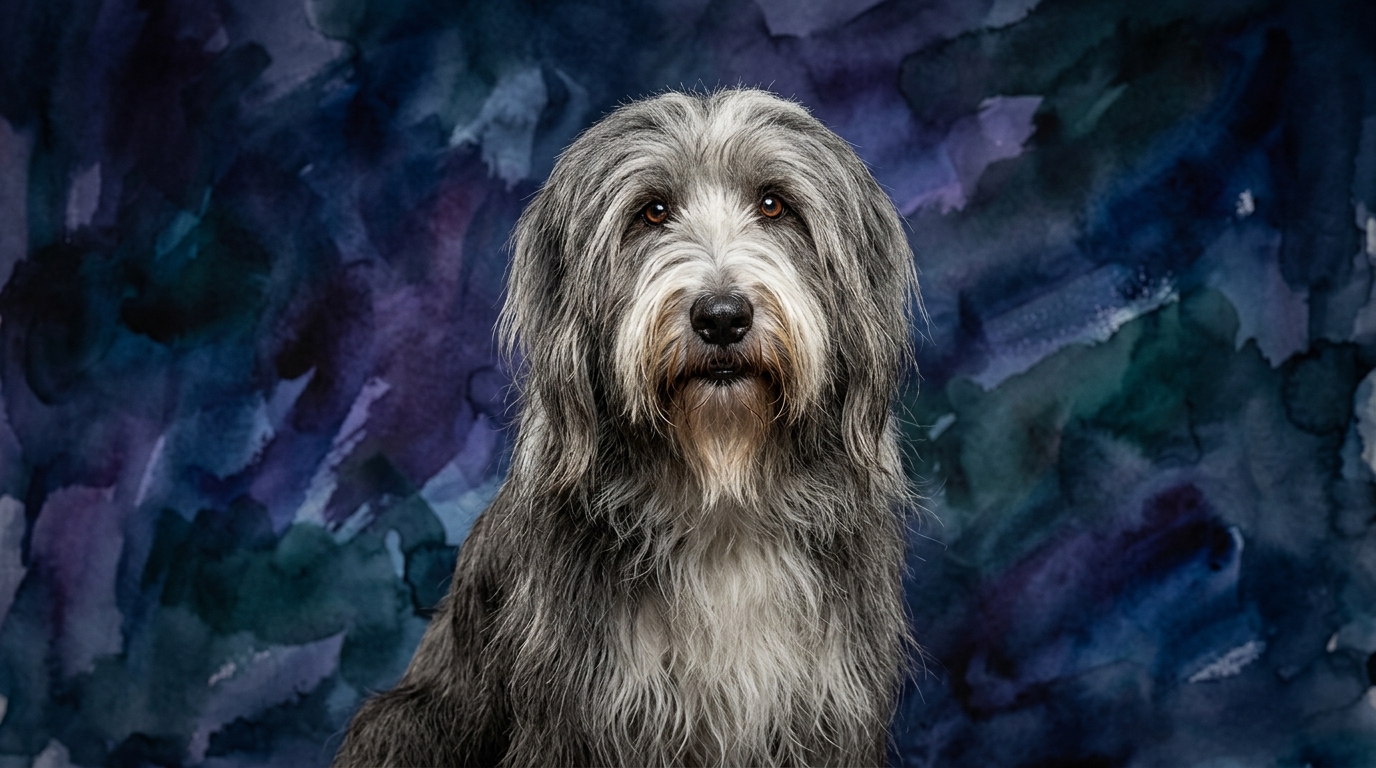
The Cosmic Pet Pet IQ Lab evaluates canine intelligence across five critical dimensions, providing a nuanced understanding beyond simple obedience. For the Bearded Collie, a distinguished Herding breed, its profile shows robust cognitive abilities. It scores 4/5 in Problem Solving, indicating an aptitude for navigating complex situations and devising solutions independently. Its Training Speed also stands at 4/5, suggesting a quick grasp of new commands and routines. Social Intelligence is rated 3/5, reflecting a balanced capacity for interaction and understanding social cues. Its Instinctive Drive is 3/5, manifesting as a purposeful inclination towards its breed’s historical tasks, even if not always herding livestock. Finally, its Memory is a strong 4/5, underscoring its ability to retain learned behaviors and information over time.
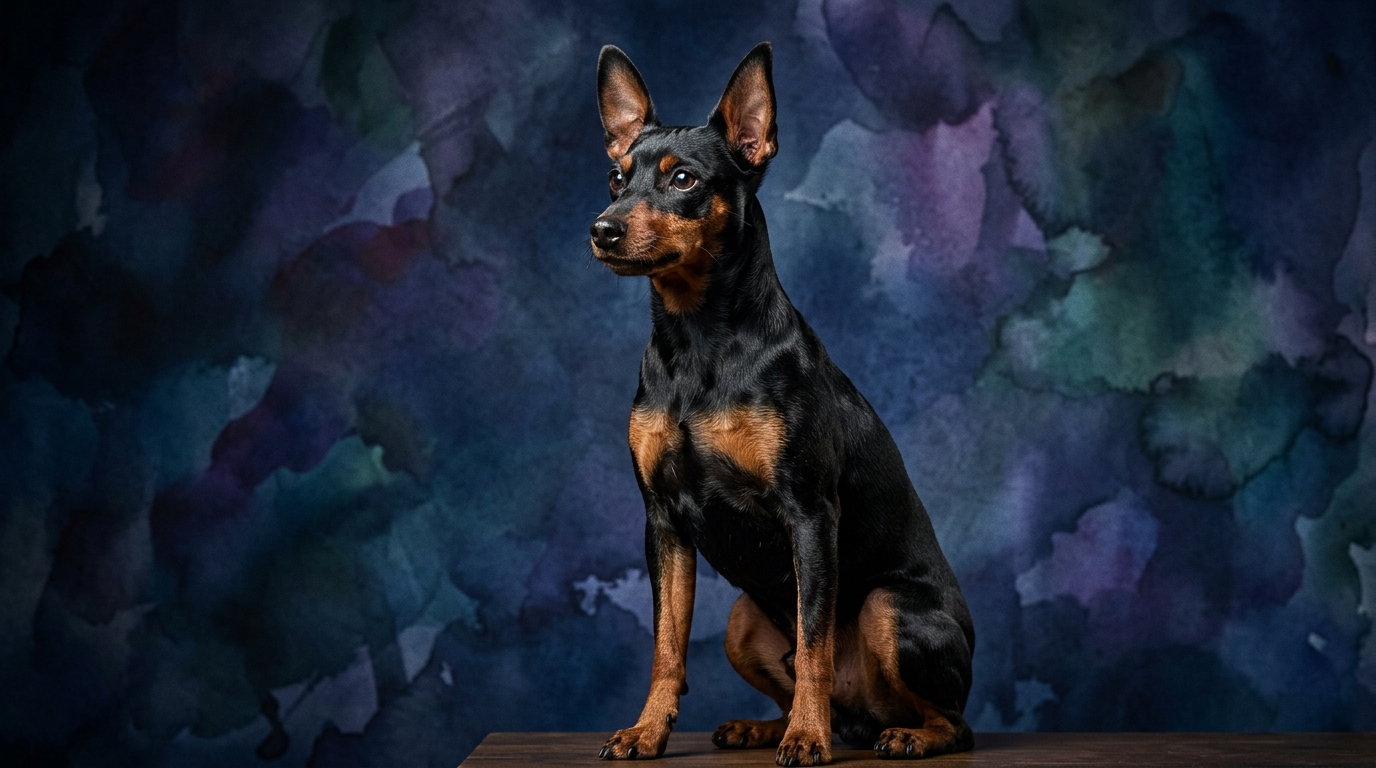
In contrast, the Miniature Pinscher, a spirited Toy breed, presents a different cognitive blueprint. It achieves a 3/5 in Problem Solving, demonstrating competence in navigating challenges, though perhaps with less spontaneous innovation than its Herding counterpart. Its Training Speed is also 3/5, meaning it is certainly trainable, but may require more consistent repetition to solidify new behaviors. Social Intelligence matches the Bearded Collie at 3/5, indicating a capacity for forming strong bonds and interpreting human and canine interactions. Its Instinctive Drive is also 3/5, often expressed as a bold, watchful nature and a propensity for chasing small prey. The Miniature Pinscher's Memory score is 3/5, showing a functional ability to recall information, though perhaps not with the same depth or longevity as a breed bred for intricate, multi-stage tasks.
Where the Bearded Collie Excels Cognitively
The Bearded Collie’s cognitive strengths are particularly evident in its superior Problem Solving and Memory, both rated at 4/5, along with its equally impressive Training Speed. These attributes are deeply rooted in its heritage as a Herding dog, where independent decision-making and rapid learning were crucial for managing livestock across varied terrains. A Bearded Collie’s 4/5 in Problem Solving means it isn't just following orders; it can assess dynamic situations, such as a stray lamb or a shifting flock, and devise an effective response without constant human intervention. This cognitive flexibility makes them adept at complex dog sports like agility or obedience, where they must interpret courses and execute sequences accurately and quickly.
Furthermore, their 4/5 Memory score translates into an enduring capacity for learning and retaining a vast repertoire of commands and routines. This cognitive advantage means that once a Bearded Collie masters a task, it is likely to remember it, even after a period of inactivity. Coupled with their 4/5 Training Speed, this breed processes new information efficiently, often requiring fewer repetitions to cement a behavior compared to many other breeds. Their Coren rank of #34 further validates their standing among breeds recognized for their working intelligence, showcasing a strong capacity for understanding and executing commands, and demonstrating a remarkable ability to learn and adapt to new situations with purpose and recall.
Cognitive Strengths of the Miniature Pinscher
While the Miniature Pinscher’s cognitive scores are generally a point lower than the Bearded Collie’s in several categories, its 3/5 ratings across Problem Solving, Training Speed, Social Intelligence, Instinctive Drive, and Memory are not indicative of a lack of functional intellect, but rather a different prioritization of cognitive resources. The Miniature Pinscher’s cognitive profile excels in areas that align with its historical role as a companion and vermin hunter: vigilance, boldness, and a self-assured independence. Their 3/5 in Problem Solving, for instance, means they are perfectly capable of figuring out how to get to a dropped treat or navigate a familiar environment, albeit perhaps with less strategic depth than a Herding dog.
The Miniature Pinscher’s 3/5 Instinctive Drive is a significant cognitive strength for its purpose; it translates into a keen awareness of its surroundings and a readiness to act as a pint-sized protector. This drive is often expressed as a strong prey drive and a vigilant nature, making them excellent watchdogs who are quick to alert their owners to anything unusual. Their cognitive energy is channeled into observation and quick reactive responses rather than complex, cooperative tasks. This cognitive independence, while sometimes perceived as stubbornness in training, means they are less prone to separation anxiety and can be content with their own company for periods, relying on their own wits to entertain themselves or patrol their territory.
Ease of Training: Bearded Collie vs. Miniature Pinscher
When it comes to ease of training, the Bearded Collie clearly holds an advantage due to its 4/5 Training Speed and 4/5 Problem Solving scores. This breed is inherently eager to please and possesses a strong cognitive capacity for understanding and executing complex commands. Their Herding background instilled a desire for cooperative work and a responsiveness to human direction. Trainers often find Bearded Collies pick up new tricks and obedience routines with remarkable speed, making them a rewarding experience for those who enjoy structured training sessions and advanced canine activities. Their excellent memory ensures that once a behavior is learned, it tends to stick, reducing the need for constant re-teaching.
The Miniature Pinscher, with its 3/5 scores in both Training Speed and Problem Solving, presents a different training dynamic. While certainly trainable, they typically require more patience, consistency, and engaging methods to maintain their focus. Their independent streak, a cognitive trait that served them well as ratters and vigilant companions, can sometimes be interpreted as stubbornness during training. They may not possess the same innate desire to work cooperatively on complex tasks as a Herding breed, meaning owners need to make training fun, short, and highly rewarding. Real behavioral differences include the Min Pin's tendency to test boundaries and their strong prey drive making recall a significant challenge without dedicated effort, whereas a Bearded Collie is generally more attuned to human cues and less distracted by environmental stimuli during training.
Matching Cognitive Profiles to Owner Lifestyles
The cognitive profiles of these two breeds offer clear guidance for prospective owners, aligning with distinct lifestyle preferences. The Bearded Collie, with its 4/5 Problem Solving, 4/5 Training Speed, and 4/5 Memory, is an ideal match for active owners who relish mental engagement and physical activity. These dogs thrive on learning new skills, participating in dog sports like agility, obedience, or herding trials, and solving puzzles. Their cognitive needs are substantial; without sufficient mental stimulation, a Bearded Collie might invent its own 'problems' to solve, potentially leading to undesirable behaviors. Owners who enjoy long walks, interactive play, and consistent training will find a highly rewarding partnership with this cognitively robust breed.
Conversely, the Miniature Pinscher, with its consistent 3/5 scores across all cognitive dimensions, is well-suited for owners who appreciate a spirited companion without the intense demands for complex working tasks. While energetic for their size, their cognitive needs are less about intricate problem-solving or extensive training repertoires and more about consistent routine, clear boundaries, and opportunities for their instinctive drive to manifest in appropriate ways, such as supervised chasing of toys or patrolling the yard. They thrive with owners who provide regular, moderate exercise and enjoy a confident, independent companion. They are suitable for those who want a dog that can alert them to visitors and engage in playful antics, but may not be seeking a partner for advanced competitive dog sports.
The Verdict
Choose a Bearded Collie if you are an active owner seeking a highly trainable, problem-solving companion eager for mental challenges and cooperative work, valuing a dog with excellent memory and learning speed.
Opt for a Miniature Pinscher if you desire a confident, vigilant, and independent companion that is trainable with patience, offering spirited companionship and moderate activity without the intense cognitive demands of a working breed.
🧠 Find Your Pet's IQ Score
Our Pet IQ Lab assessment covers 25+ tests across 5 cognitive dimensions — personalized to your breed.
Take the Full IQ Test →Frequently Asked Questions
Do Bearded Collies require a lot of mental stimulation?
Yes, Bearded Collies, with their 4/5 Problem Solving and Memory, thrive on mental engagement. They require consistent training, puzzle toys, and opportunities to learn new tasks to prevent boredom and channel their cognitive energy constructively.
Are Miniature Pinschers difficult to train due to their independence?
Miniature Pinschers are trainable, but their 3/5 Training Speed and independent nature mean they require more patience and consistency than some other breeds. Short, positive, reward-based training sessions are most effective to keep them engaged and overcome their spirited self-reliance.
Which breed is better for a first-time dog owner?
Neither breed is typically recommended for an absolute first-time owner without prior research and commitment, but the Miniature Pinscher might be slightly more manageable if the owner is prepared for their independent streak and consistent training needs, whereas the Bearded Collie's higher cognitive demands and energy require a more experienced handler.