Side-by-Side IQ Profile: Standard Poodle vs. Miniature Pinscher
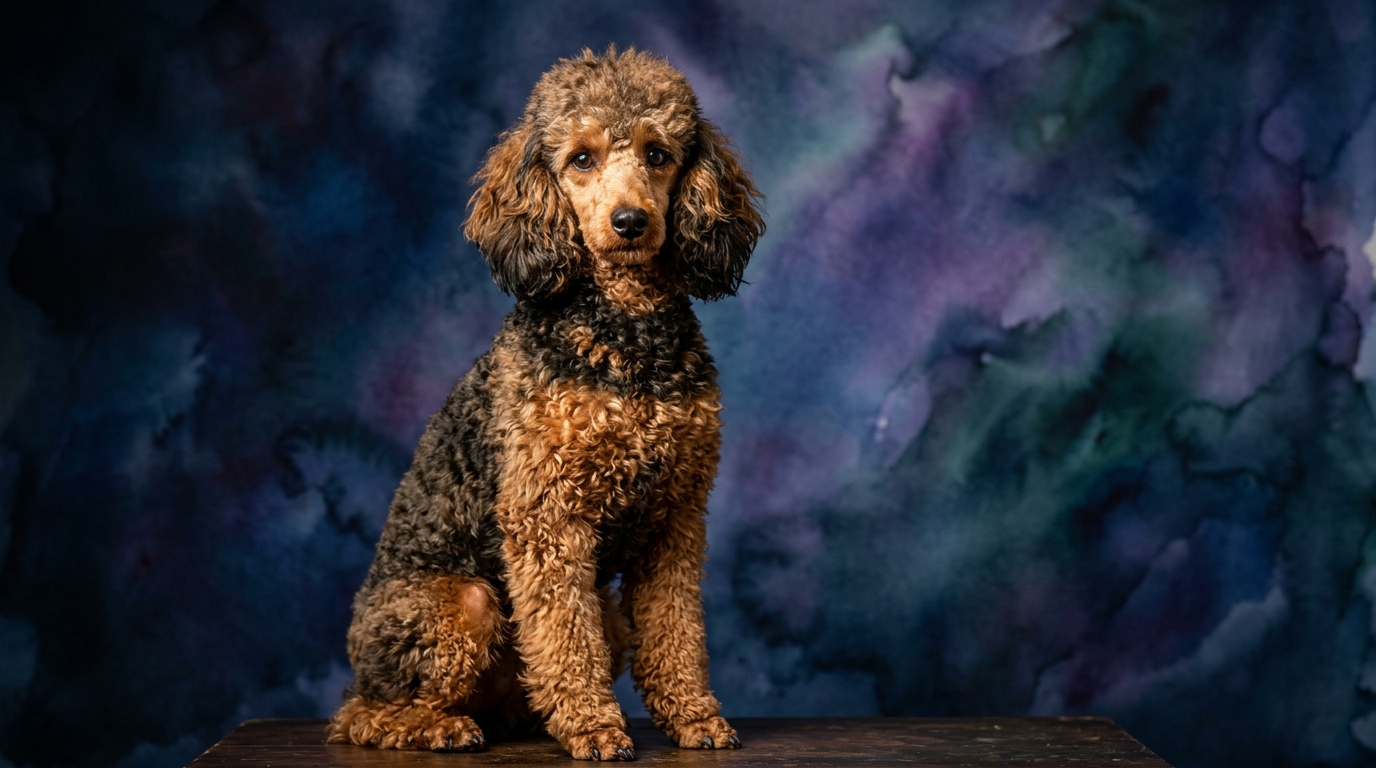
At The Cosmic Pet Pet IQ Lab, we analyze canine cognition across five critical dimensions. The Standard Poodle, a distinguished member of the Non-Sporting group, showcases an exceptional cognitive makeup that places it at Coren rank #2, a testament to its profound mental capabilities. Its Problem Solving score is a perfect 5 out of 5, indicating a remarkable capacity to navigate complex scenarios, understand cause-and-effect, and devise novel solutions. Training Speed also hits a maximal 5 out of 5, meaning Standard Poodles grasp new commands and routines with astonishing rapidity, often requiring minimal repetition. Social Intelligence, their ability to interpret human cues, emotions, and intentions, is equally impressive at 5 out of 5, fostering deep, intuitive bonds with their human companions. Their Instinctive Drive, while robust, registers at 4 out of 5, suggesting a strong inherent urge for activity and purpose, often directed towards retrieving or performing. Finally, a Memory score of 5 out of 5 ensures they retain vast repertoires of learned behaviors and experiences over extended periods, making them highly reliable companions.
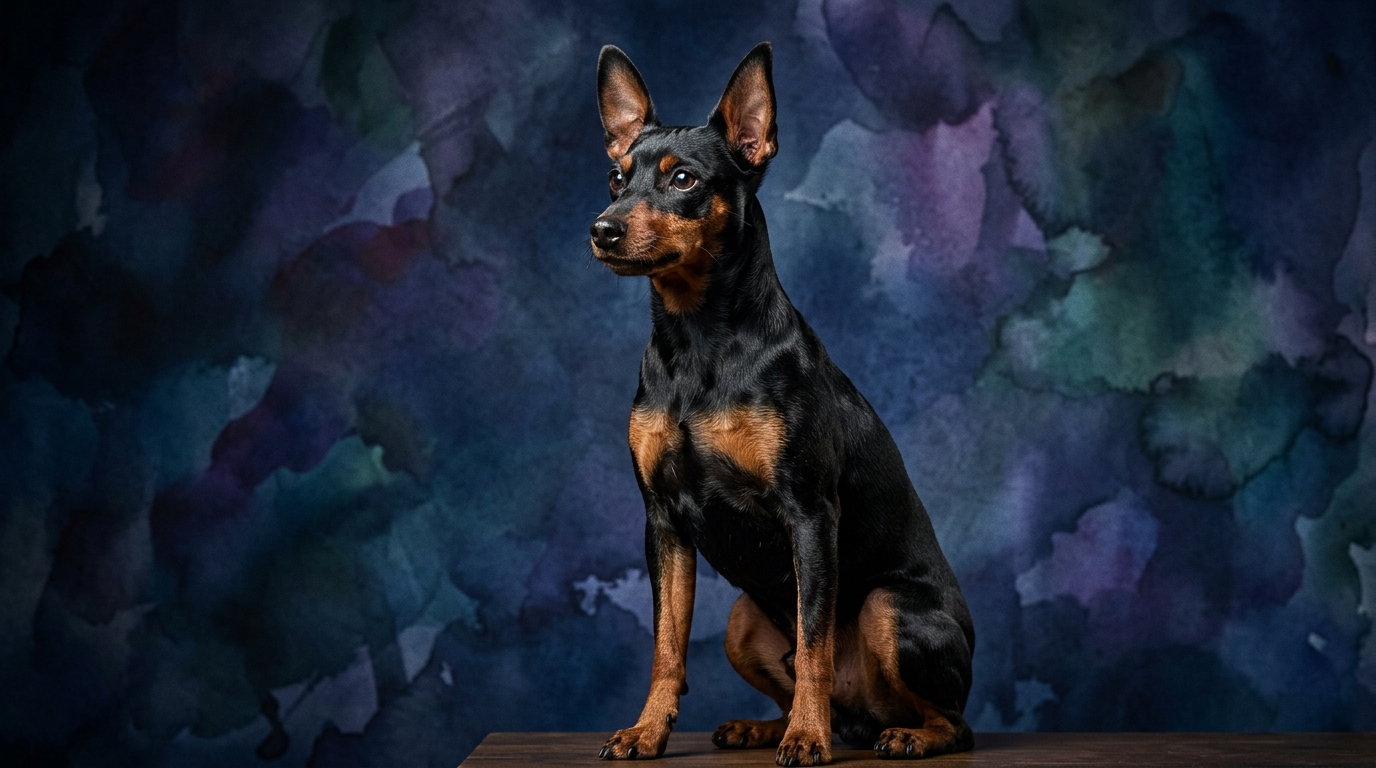
In contrast, the Miniature Pinscher, a lively member of the Toy group, presents a different cognitive blueprint, reflecting its distinct heritage and purpose. While not Coren-ranked, our IQ assessment provides a clear picture of its intellectual characteristics. The Miniature Pinscher scores 3 out of 5 in Problem Solving, indicating a practical aptitude for navigating their immediate environment and solving concrete, often self-serving, challenges, such as finding hidden treats or patrolling their territory. Their Training Speed is 3 out of 5, meaning they are capable of learning, but typically require more consistent repetition and patience to master new commands compared to breeds with higher scores. Social Intelligence also stands at 3 out of 5, suggesting they understand human interactions to a functional degree but may prioritize their own inclinations over constant human directives. An Instinctive Drive of 3 out of 5 points to a moderate inherent urge for activity, often expressed through energetic bursts, chasing, or vigilant observation. Lastly, their Memory score of 3 out of 5 means they can recall learned behaviors, especially those reinforced consistently, but may not retain as extensive or intricate a mental library as breeds with higher scores.
Where the Standard Poodle Excels Cognitively
The Standard Poodle's cognitive strengths are evident across almost all evaluated dimensions. Its 5/5 Problem Solving means it can independently assess novel situations and formulate effective responses, whether it’s figuring out how to open a complex puzzle toy or navigating an unfamiliar obstacle course. This isn't just about following instructions; it's about genuine cognitive flexibility and strategic thinking. Coupled with a 5/5 Training Speed, Standard Poodles are not only quick to learn but also excel at understanding multi-step commands and intricate sequences, making them prime candidates for advanced obedience, agility, and even service work where complex decision-making is paramount. Their superior 5/5 Social Intelligence allows them to pick up on subtle changes in human tone, body language, and mood, enabling them to anticipate needs and respond with remarkable empathy and appropriateness. This deep understanding of human communication fosters an exceptionally cooperative and responsive partnership. Furthermore, their 5/5 Memory ensures that once a behavior or concept is learned, it is deeply ingrained, allowing for reliable performance even after long breaks. This comprehensive cognitive package makes the Standard Poodle adept at adapting to diverse environments and mastering a vast array of tasks, from competitive sports to theatrical performances.
Where the Miniature Pinscher Shines Cognitively
While the Miniature Pinscher's cognitive scores are generally lower than the Standard Poodle's, their specific blend of traits contributes to their unique charm and effectiveness in certain roles. Their 3/5 Problem Solving, for instance, translates into a focused, practical intelligence often centered on self-preservation and resource acquisition, such as cleverly finding ways to reach coveted items or outmaneuvering perceived threats. This isn't about solving abstract puzzles, but about efficient, decisive action in their immediate environment, a trait vital for their historical role as ratters. Their 3/5 Social Intelligence, while not as highly attuned as a Poodle's, fosters a degree of independence and self-assurance. They are less reliant on constant human direction, often making their own assessments and decisions, which can be appealing to owners who appreciate a dog with a strong, individualistic personality. This self-reliance means they might be less prone to overt clinginess or separation distress in some contexts, as they are capable of entertaining themselves or asserting their presence without constant human interaction. The Miniature Pinscher's 3/5 Instinctive Drive is sufficient to fuel their energetic bursts and vigilant nature, making them excellent, alert watchdogs without necessarily demanding the intense, structured 'work' outlets that a higher-drive breed might require. Their cognitive profile, therefore, equips them to be spirited, self-possessed companions who excel at independent observation and focused, purposeful action within their perceived domain.
Training Ease: A Tale of Two Temperaments
When it comes to training, the differences between these two breeds are pronounced, stemming directly from their cognitive profiles. The Standard Poodle, with its 5/5 Training Speed, 5/5 Problem Solving, 5/5 Social Intelligence, and 5/5 Memory, is unequivocally easier to train for a wide array of tasks. They demonstrate a strong eagerness to please and a profound ability to understand human intentions, meaning they pick up new commands with remarkable speed and minimal repetition. Their high social intelligence allows them to interpret subtle cues from their trainer, leading to fluid and responsive learning sessions. They thrive on mental engagement and cooperative work, often seeking out opportunities to learn and interact. This translates into a dog that not only learns quickly but also retains complex sequences and advanced behaviors, making them ideal partners for competitive obedience, service work, or intricate trick training. Their relatively high instinctive drive (4/5) can be readily channeled into productive, structured activities, further enhancing their trainability and focus on tasks presented by their human.
The Miniature Pinscher, by contrast, presents a more significant training challenge due to its 3/5 scores across the board. Their 3/5 Training Speed means they require more patience, consistency, and repetition to solidify new behaviors. Unlike the Poodle, they may not always prioritize human directives, especially if their own interests (like exploring or chasing a perceived 'prey') are more compelling. Their 3/5 Social Intelligence means they might be less inclined to constantly seek human approval, requiring a trainer to be highly motivating and to make training a rewarding, engaging experience rather than relying solely on a desire to please. Their 3/5 Instinctive Drive, while moderate, can manifest as an independent spirit, which means they might be more prone to making their own decisions rather than waiting for a command. Training a Miniature Pinscher often requires a keen understanding of their independent nature, utilizing positive reinforcement to make desired behaviors more appealing than their natural inclinations. While capable of learning foundational commands, achieving advanced levels of obedience or intricate tricks will demand significantly more dedication and ingenuity from the trainer, focusing on consistent, short, and highly rewarding sessions to maintain their attention and cooperation.
Matching Breeds to Lifestyles: Active vs. Relaxed Owners
Choosing between a Standard Poodle and a Miniature Pinscher also involves aligning their cognitive and behavioral needs with an owner's lifestyle. The Standard Poodle, with its exceptional cognitive scores across Problem Solving, Training Speed, Social Intelligence, and Memory, coupled with a robust 4/5 Instinctive Drive, is ideally suited for active owners who relish mental engagement and structured activities. These dogs thrive when given a 'job' or consistent opportunities to use their intellect, whether through advanced obedience, agility, scent work, or complex puzzle games. Owners who enjoy spending significant time training, participating in dog sports, or providing intricate enrichment will find the Standard Poodle a cooperative and fulfilling companion. Their high social intelligence also means they thrive on close interaction and can become bored or exhibit undesirable behaviors if not mentally stimulated or integrated deeply into family life. They are not dogs content to merely exist; they need to be active participants, both physically and intellectually, making them perfect for owners who lead dynamic lives and want a dog to share in those adventures.
The Miniature Pinscher, with its consistent 3/5 scores across all cognitive dimensions and a 3/5 Instinctive Drive, fits a slightly different niche. While physically energetic and requiring regular exercise to prevent boredom and maintain health, their cognitive demands are less centered on complex, sustained intellectual 'work.' They are well-suited for owners who can provide consistent physical activity, such as daily walks or playtime, but who may not seek a dog for advanced competitive sports or intricate training regimens. Their independence, stemming from their social intelligence, means they are often content with a balance of human interaction and self-directed exploration. Relaxed owners who appreciate a spirited companion with a distinctive personality, who can be entertained by patrolling the yard or engaging in short bursts of play, will find the Miniature Pinscher a rewarding choice. They are excellent watchdogs due to their alertness and moderate instinctive drive, providing a valuable service without necessarily demanding the constant intellectual challenge that a Standard Poodle might. This breed thrives with owners who offer firm, consistent guidance and appreciate their self-reliant spirit, rather than seeking a constant, eager-to-please training partner for complex tasks.
The Verdict
Choose the Standard Poodle if you are an active owner seeking a highly cooperative, intelligent partner for advanced training, dog sports, or a deeply integrated family life where mental stimulation is a priority.
Opt for the Miniature Pinscher if you appreciate a spirited, independent companion who offers alertness and a distinct personality, and are prepared for consistent, patient training focusing on foundational behaviors rather than complex tasks.
🧠 Find Your Pet's IQ Score
Our Pet IQ Lab assessment covers 25+ tests across 5 cognitive dimensions — personalized to your breed.
Take the Full IQ Test →Frequently Asked Questions
Does a lower IQ score mean a dog is 'unintelligent'?
Absolutely not. IQ scores reflect specific aptitudes and learning styles, not overall worth. A '3/5' indicates a functional cognitive capacity suitable for their breed's historical role and daily life, just with different strengths and learning speeds than a '5/5' breed.
Can I improve my Miniature Pinscher's problem-solving skills?
Yes, you can certainly enhance a Miniature Pinscher's problem-solving skills through consistent enrichment activities. Puzzle toys, scent games, and short, engaging training sessions that encourage independent thought can stimulate their minds, though their inherent ceiling for complex problem-solving may differ from a Standard Poodle's.
Are Standard Poodles prone to boredom or destructive behavior if not mentally stimulated?
Yes, due to their exceptionally high Problem Solving, Training Speed, and Memory scores, Standard Poodles require significant mental engagement. Without adequate intellectual stimulation, they can become bored, which may manifest as destructive behaviors, excessive barking, or other undesirable habits as they seek to entertain themselves.