Side-by-Side Cognitive Profiles: German Shepherd vs. Miniature Pinscher
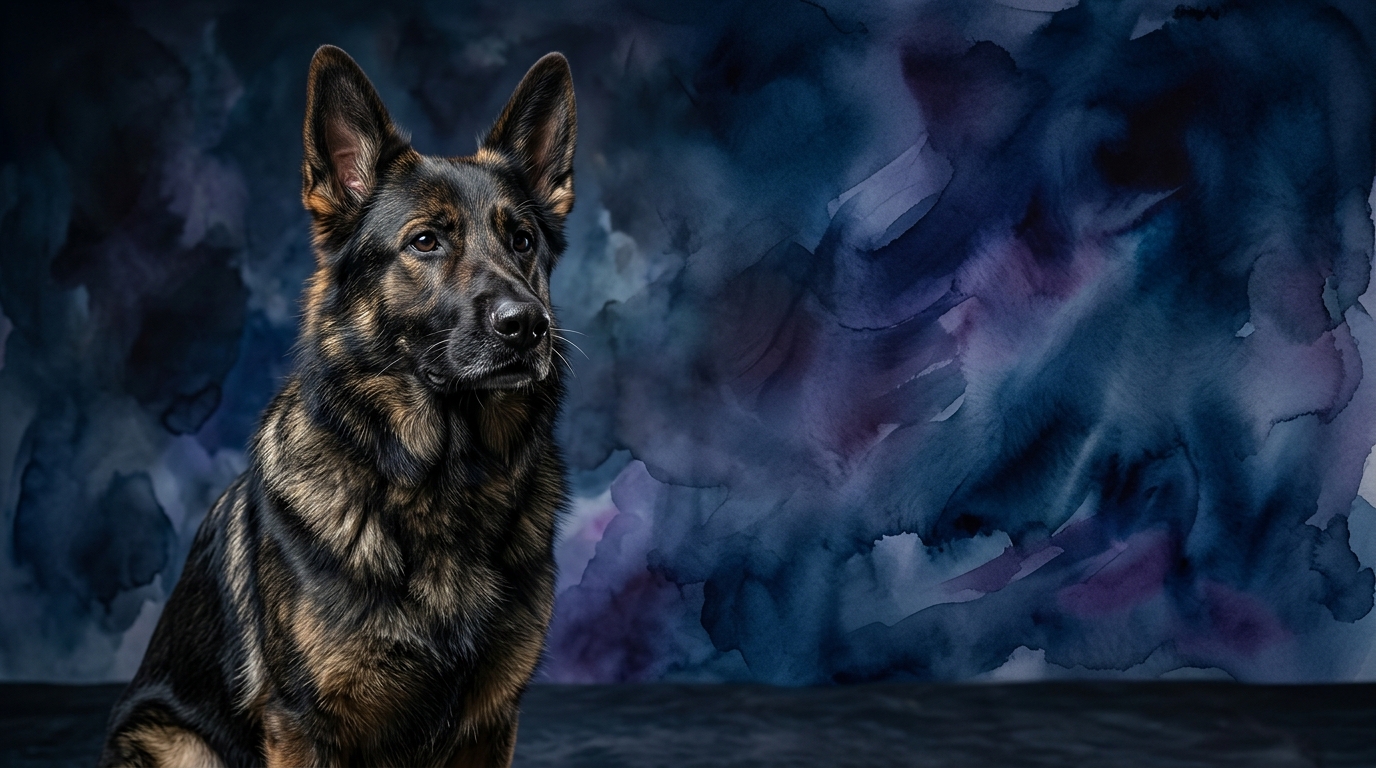
The German Shepherd, a Herding group dog, stands as a benchmark in canine cognitive function, ranked #3 by Stanley Coren for working intelligence and obedience. Their profile includes a 5/5 in Problem Solving, reflecting an exceptional capacity to analyze novel situations and devise complex solutions, such as disarming intricate puzzle toys or navigating multi-step scent trails with strategic thought. Training Speed also scores 5/5, indicating rapid acquisition of new commands and routines, often requiring few repetitions to master advanced tasks. Social Intelligence is equally rated 5/5, demonstrating a profound understanding of human cues, emotional states, and social hierarchies, making them remarkably attuned partners. An Instinctive Drive of 5/5 underscores their deep inherent motivation for tasks like herding, guarding, and tracking, often actively seeking purpose in their daily lives. Finally, Memory at 5/5 signifies outstanding recall for learned behaviors, specific locations, and past interactions, retaining information over extended periods.
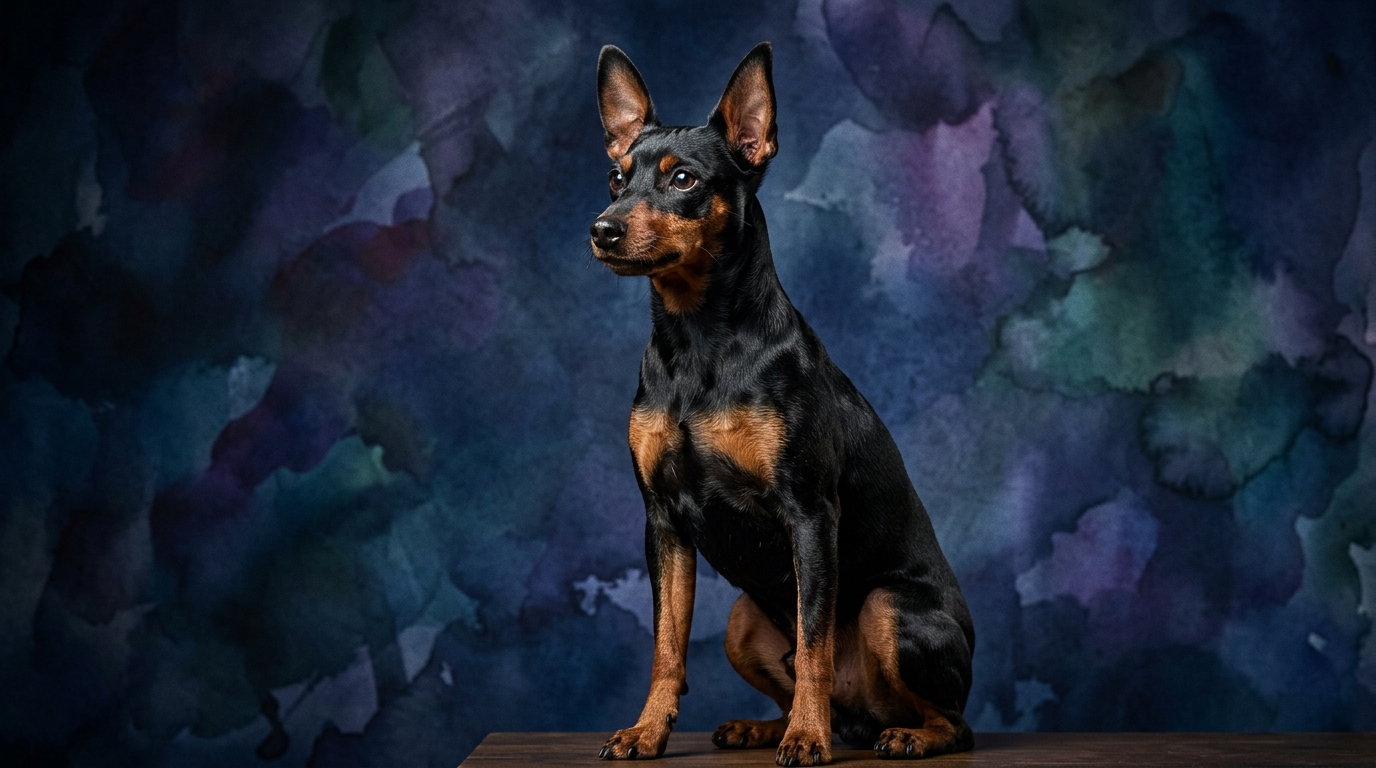
In contrast, the Miniature Pinscher, a Toy group dog not specifically ranked by Coren, presents a different cognitive landscape. Their Problem Solving is rated 3/5, meaning they are capable of deciphering basic environmental challenges, such as figuring out how to reach a dropped toy or navigating a familiar obstacle course, but may find multi-step or abstract problems more challenging. Training Speed also comes in at 3/5; they learn commands at a moderate pace, typically requiring consistent repetition and positive reinforcement to solidify new behaviors. Social Intelligence at 3/5 suggests they possess a reasonable grasp of family dynamics and owner moods, but might exhibit more selective engagement, often prioritizing their own comfort or preferences. Their Instinctive Drive, also 3/5, points to a moderate prey drive and territoriality, often expressed through alert barking and chasing small critters, but this is less intense than breeds bred for sustained work. Memory for the Miniature Pinscher is 3/5, indicating they retain familiar routines and basic commands effectively, though recall for less frequently practiced skills or nuanced past events might be less immediate.
Where the German Shepherd Excels Cognitively
The German Shepherd’s cognitive strengths are evident in their holistic capacity for complex, multi-layered tasks and their profound ability to generalize learned skills to novel situations. Their 5/5 problem-solving score means they excel in dynamic environments like search and rescue, where they must interpret constantly changing sensory input to locate a target, demonstrating robust adaptive reasoning. This breed’s sustained mental effort allows them to maintain focus over long periods, crucial for intricate tracking or protection work.
Their superior social intelligence enables them to discern subtle shifts in a handler's body language or tone, adapting their response accordingly in critical situations, making them exceptionally intuitive service animals. Coupled with a 5/5 memory, they can recall vast repertoires of commands and past experiences, building upon their knowledge base to tackle increasingly challenging assignments. This comprehensive cognitive framework allows German Shepherds to not only learn tasks but to understand the underlying principles, enabling them to innovate solutions when faced with unforeseen obstacles.
Distinct Cognitive Strengths of the Miniature Pinscher
While their scores differ from the German Shepherd, the Miniature Pinscher possesses distinct cognitive strengths that are highly valuable in their specific context. Their problem-solving at 3/5 means they are perfectly adept at navigating a home environment, finding dropped treats, or figuring out how to get onto a favorite sunny perch, often with a charming, independent cunning. This level of ingenuity is well-suited for a companion animal, allowing them to manage their immediate surroundings effectively.
The Miniature Pinscher’s training speed at 3/5, while not immediate, means that once a behavior is learned through consistent, positive reinforcement, it tends to be deeply ingrained, reflecting a steadfast, if not rapid, learning style. Their social intelligence at 3/5 often translates to a discerning nature; they form deep bonds with their chosen few, exhibiting a selective loyalty that is highly valued by their inner circle rather than a need for universal approval. This focused social awareness can make them particularly devoted to their primary caregivers.
Furthermore, their instinctive drive at 3/5 provides a healthy balance of alertness and self-sufficiency; they are vigilant watchdogs without possessing the overwhelming work drive that can become destructive in a sedentary home. Their memory at 3/5 ensures they remember routines and family members, while perhaps being less burdened by the detailed recall of every past interaction, potentially allowing them to adapt more readily to new situations without extensive rumination on previous events.
Training Aptitude: German Shepherd vs. Miniature Pinscher
When it comes to ease of training, the German Shepherd (5/5 training speed) holds a clear advantage. Their inherent desire to work alongside their human, coupled with profound focus and rapid information processing, means they grasp new commands quickly and enthusiastically. They possess an innate drive to understand and comply, making them highly responsive to instruction and capable of mastering complex obedience routines or specialized tasks with remarkable efficiency. Their exceptional memory ensures that once a behavior is learned, it is retained for long periods, requiring minimal refresher training.
The Miniature Pinscher (3/5 training speed), while certainly trainable, requires a different approach. Their moderate problem-solving capacity means they might need more step-by-step guidance and patience to connect actions with desired outcomes. Their instinctive drive, which includes a strong sense of self-preservation and independent thinking, can sometimes make them less inclined to immediate compliance, especially if a command conflicts with their current interest. Owners will find success with consistent, positive reinforcement methods, shorter training sessions to maintain focus, and a strong understanding of their independent nature, rather than expecting the eager obedience seen in a German Shepherd. Their social intelligence, being more selective, means they might respond best to training from individuals with whom they share a strong, established bond.
Matching Canine Cognition to Owner Lifestyles
The stark differences in cognitive profiles between these two breeds mean they suit very different owner lifestyles. German Shepherds thrive with active owners who can provide daily mental and physical challenges, structured training, and a profound sense of purpose. Their 5/5 instinctive drive and problem-solving demand consistent engagement in activities like advanced obedience, agility, protection work, or extensive scent tracking. Owners must be prepared to integrate their German Shepherd into a working partnership, providing outlets for their substantial cognitive and physical energy to prevent boredom and potential behavioral issues.
Miniature Pinschers, with their more moderate cognitive scores, can suit owners who appreciate a lively, self-assured companion but don't necessarily seek a working partner. While they still require mental enrichment (e.g., puzzle toys, short training sessions) and regular exercise, the intensity and duration of these activities are typically lower than for a German Shepherd. They are adaptable to various living situations, including apartments, provided their needs for interaction, secure outdoor playtime, and consistent, patient guidance are met. Their independent spirit means they may enjoy quiet time equally with their owner, rather than constant, high-octane engagement.
The Verdict
Choose a German Shepherd if you are seeking a dedicated, highly trainable partner for advanced obedience, protective roles, or competitive dog sports, and can commit to extensive mental and physical engagement. This breed thrives with owners who can provide a consistent 'job' and structured interaction.
Choose a Miniature Pinscher if you desire a spirited, independent, and moderately active companion who enjoys playful interaction and rewards consistent, patient training. They fit well into dynamic home environments without requiring the intensive, purpose-driven engagement of a working breed.
🧠 Find Your Pet's IQ Score
Our Pet IQ Lab assessment covers 25+ tests across 5 cognitive dimensions — personalized to your breed.
Take the Full IQ Test →Frequently Asked Questions
Are Miniature Pinschers suitable for first-time dog owners?
Miniature Pinschers can be suitable for first-time dog owners who are committed to consistent, positive reinforcement training and understand their independent, sometimes stubborn, nature. Their moderate exercise needs and adaptability to smaller spaces can be advantageous, but their alert personality requires socialization.
How much daily mental stimulation does a German Shepherd require?
A German Shepherd requires substantial daily mental stimulation, typically involving at least 60-90 minutes of structured activities beyond simple walks. This includes advanced obedience training, puzzle toys, scent work, or agility exercises to satisfy their high problem-solving and instinctive drives.
Do Miniature Pinschers typically get along with other pets?
Miniature Pinschers can get along with other pets, especially if introduced thoughtfully and socialized from a young age. However, their moderate prey drive means careful supervision with smaller animals is advisable, and their discerning social intelligence may lead to selective friendships rather than universal acceptance.