Side-by-Side Cognitive Profiles
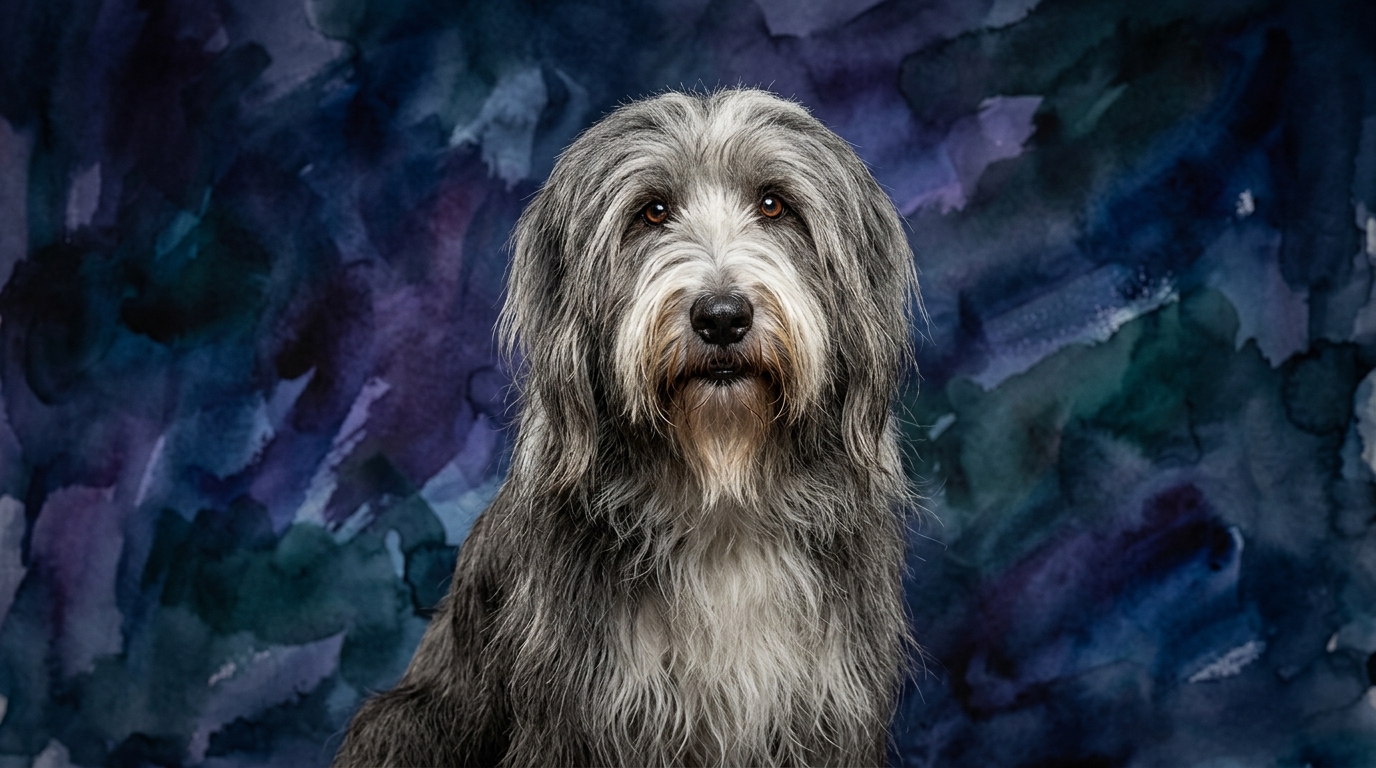
The Bearded Collie, a Herding group member ranked #34 by Coren, exhibits a cognitive makeup finely tuned for collaborative work and dynamic problem-solving. Their Problem Solving ability rates at 4/5, indicating an excellent capacity to analyze novel situations and devise effective solutions. Training Speed is also strong at 4/5, reflecting their quick grasp of new commands and routines, often thriving on the engagement of learning. Social Intelligence sits at 3/5, suggesting a good understanding of human cues and a capacity for forming strong bonds, alongside a degree of independent thought. Their Instinctive Drive, rated 3/5, speaks to a moderate herding impulse, translating into an innate desire to organize and manage, while Memory, at 4/5, ensures they retain learned behaviors and past experiences with remarkable clarity, allowing for consistent application of knowledge.
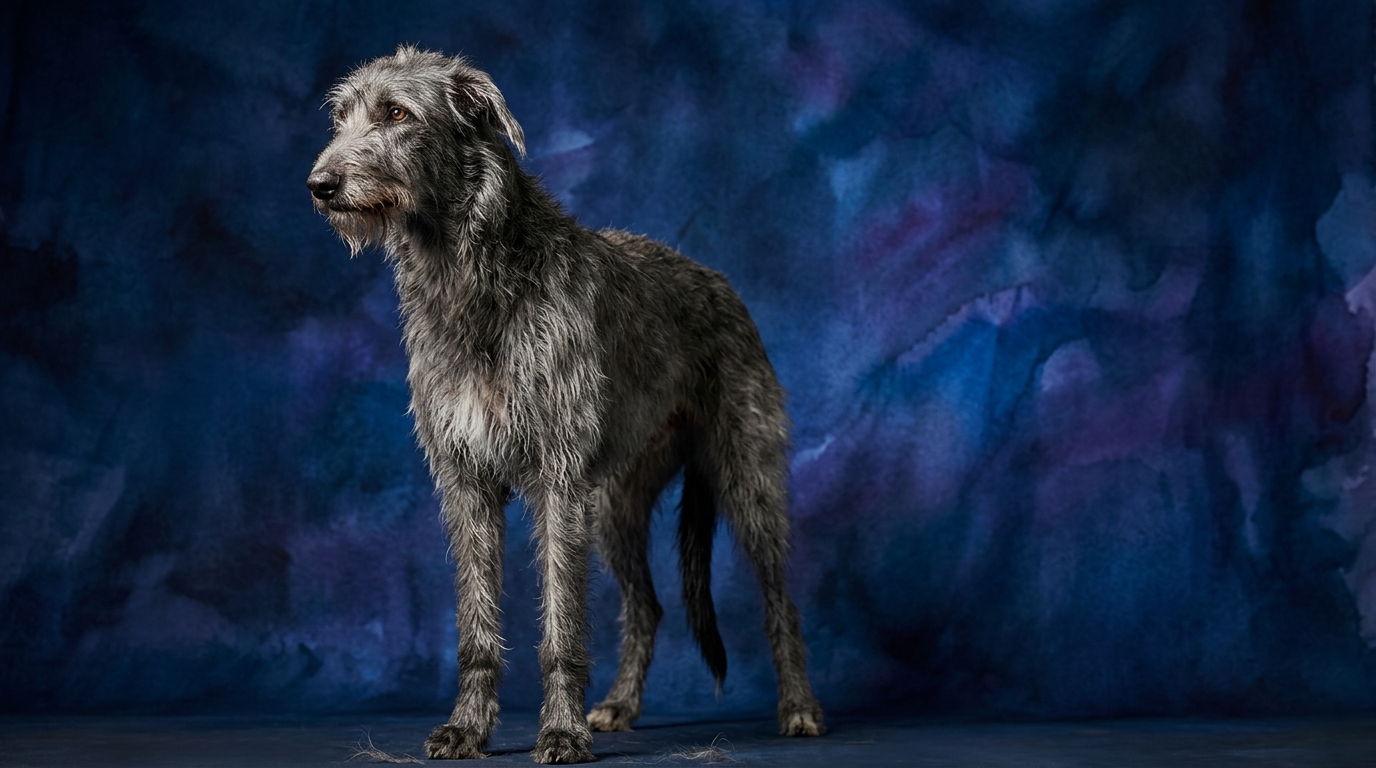
In contrast, the Scottish Deerhound, a distinguished member of the Hound group and not ranked by Coren, presents a different cognitive blueprint, shaped by centuries of independent pursuit. Their Problem Solving ability is rated 3/5, indicating competence in navigating challenges, though often leaning towards practical, direct solutions rather than complex, abstract thought. Training Speed also registers 3/5, meaning they learn at a steady pace but may require more patience and motivation given their independent spirit. Social Intelligence aligns with the Collie at 3/5, signifying an appreciation for social dynamics and gentle interaction, yet they are not typically characterized by overt eagerness to please. Their Instinctive Drive is 3/5, dominated by the classic sighthound impulse to spot, chase, and pursue visual stimuli. Memory, at 3/5, suggests they recall routines and learned tasks reliably, but perhaps without the intricate detail or extensive retention seen in breeds with higher scores.
Where the Bearded Collie Excels Cognitively
The Bearded Collie’s cognitive strengths are particularly evident in areas demanding adaptability, quick learning, and sustained mental engagement. Their 4/5 Problem Solving score shines when presented with intricate puzzle toys, requiring them to manipulate various components to achieve a reward, or when encountering unexpected changes in their environment that necessitate creative solutions. This capacity to assess, plan, and execute makes them adept at navigating complex sequences of tasks, whether it’s finding a hidden object or figuring out how to open a gate.
Furthermore, their superior Training Speed (4/5) and Memory (4/5) combine to make them exceptionally proficient at acquiring and retaining a broad repertoire of commands and behaviors. A Bearded Collie can master multi-step commands with fewer repetitions than many other breeds, and once learned, these skills are deeply ingrained. This proficiency is a direct reflection of their heritage as herding dogs, where understanding and responding to nuanced directions from a shepherd, often from a distance, was critical for success. They thrive on the mental stimulation of learning and recalling detailed instructions, demonstrating a strong desire for collaborative intellectual work.
Where the Scottish Deerhound Excels Cognitively
While their cognitive scores might appear lower in some general categories, the Scottish Deerhound possesses a unique set of cognitive strengths perfectly tailored to their historical role. Their 3/5 Instinctive Drive, focused on visual pursuit, translates into an exceptional ability to scan vast landscapes, detect subtle movements at long distances, and initiate a swift, decisive chase. This isn't about solving abstract puzzles, but about rapid, accurate assessment of real-world, dynamic situations and acting upon them with incredible focus and speed. Their problem-solving in this context is highly specialized and efficient.
The Scottish Deerhound’s 3/5 Problem Solving and Memory, while not as high as the Collie's in broad application, are highly effective within their sighthound domain. They excel at quickly evaluating terrain during a pursuit, identifying the most efficient path, and remembering favorable hunting grounds or escape routes. Their independence means they are adept at making their own decisions in the field, relying on their keen senses and inherent drive rather than constant human direction. This self-reliance and specialized sensory processing represent a distinct form of cognitive excellence, allowing them to perform their traditional tasks with impressive efficacy.
Training Dynamics: A Tale of Two Approaches
When it comes to training, the Bearded Collie generally presents a more straightforward and often faster learning curve. Their higher Training Speed (4/5) and innate desire for cooperative engagement mean they typically pick up new commands and routines with enthusiasm. They are often eager to please and find satisfaction in working alongside their human companions, making positive reinforcement techniques highly effective. Their strong memory ensures that once a behavior is learned, it is reliably recalled, enabling them to progress quickly through various levels of obedience or dog sports.
The Scottish Deerhound, with a 3/5 Training Speed, requires a different approach rooted in patience and understanding their independent nature. While capable of learning, they are not typically driven by the same level of eagerness to please. Training sessions need to be engaging, varied, and fun, as repetitive drills can quickly bore them. They respond best to positive reinforcement and clear, consistent communication, but trainers must acknowledge that a sighthound’s motivation often stems from their own interest rather than constant human approval. Their training success hinges on building a strong, respectful relationship and finding what truly motivates them.
Matching Canine Minds to Lifestyles
For active owners seeking a highly engaged and mentally stimulated canine partner, the Bearded Collie is often an excellent match. Their problem-solving prowess and training enthusiasm mean they thrive on consistent mental challenges, whether through advanced obedience, agility, herding trials, or interactive games. They require regular, varied exercise that engages both their body and their mind, and will flourish in a home where their intelligence is consistently channeled into productive activities. Owners who enjoy teaching new tricks, participating in dog sports, or simply engaging in long, exploratory walks will find a truly collaborative companion in the Bearded Collie.
Conversely, the Scottish Deerhound suits owners who appreciate a more dignified and relaxed companion, yet can facilitate their specific, intense exercise needs. While they require opportunities for full-speed running in a securely fenced area to satisfy their sighthound instincts, they are typically very calm, gentle, and serene indoors. They are not dogs that demand constant mental 'work' or endless activity; instead, they are content to lounge gracefully after their daily sprint. Owners who can provide a safe space for their bursts of energy and then appreciate a quiet, affectionate presence in the home will find the Scottish Deerhound a wonderfully adaptable and low-key housemate for much of the day.
The Verdict
Choose a Bearded Collie if you desire a highly engaged, collaborative canine partner for training, dog sports, and mental challenges, and can provide consistent mental and physical outlets for their working drive.
Choose a Scottish Deerhound if you appreciate a gentle, dignified companion who enjoys intense bursts of exercise followed by serene relaxation, and are prepared to work with a more independent spirit in training.
🧠 Find Your Pet's IQ Score
Our Pet IQ Lab assessment covers 25+ tests across 5 cognitive dimensions — personalized to your breed.
Take the Full IQ Test →Frequently Asked Questions
Do Scottish Deerhounds need a lot of exercise?
Scottish Deerhounds require regular opportunities for full-speed running in a secure, spacious area to satisfy their sighthound instincts. However, they balance this need with significant periods of rest and relaxation indoors, making them generally calm house companions.
Are Bearded Collies good with children?
Bearded Collies are generally known for their playful and affectionate nature, often making them good family companions. Their herding instincts mean supervision is important, especially with very young children, to ensure gentle interactions.
How do their grooming needs compare?
Bearded Collies possess a long, shaggy double coat that necessitates regular, thorough brushing several times a week to prevent mats and keep it healthy. Scottish Deerhounds have a less dense, wiry coat that requires weekly brushing and occasional hand-stripping to maintain its texture and condition.