Side-by-Side IQ Profile: German Shepherd vs. Scottish Deerhound
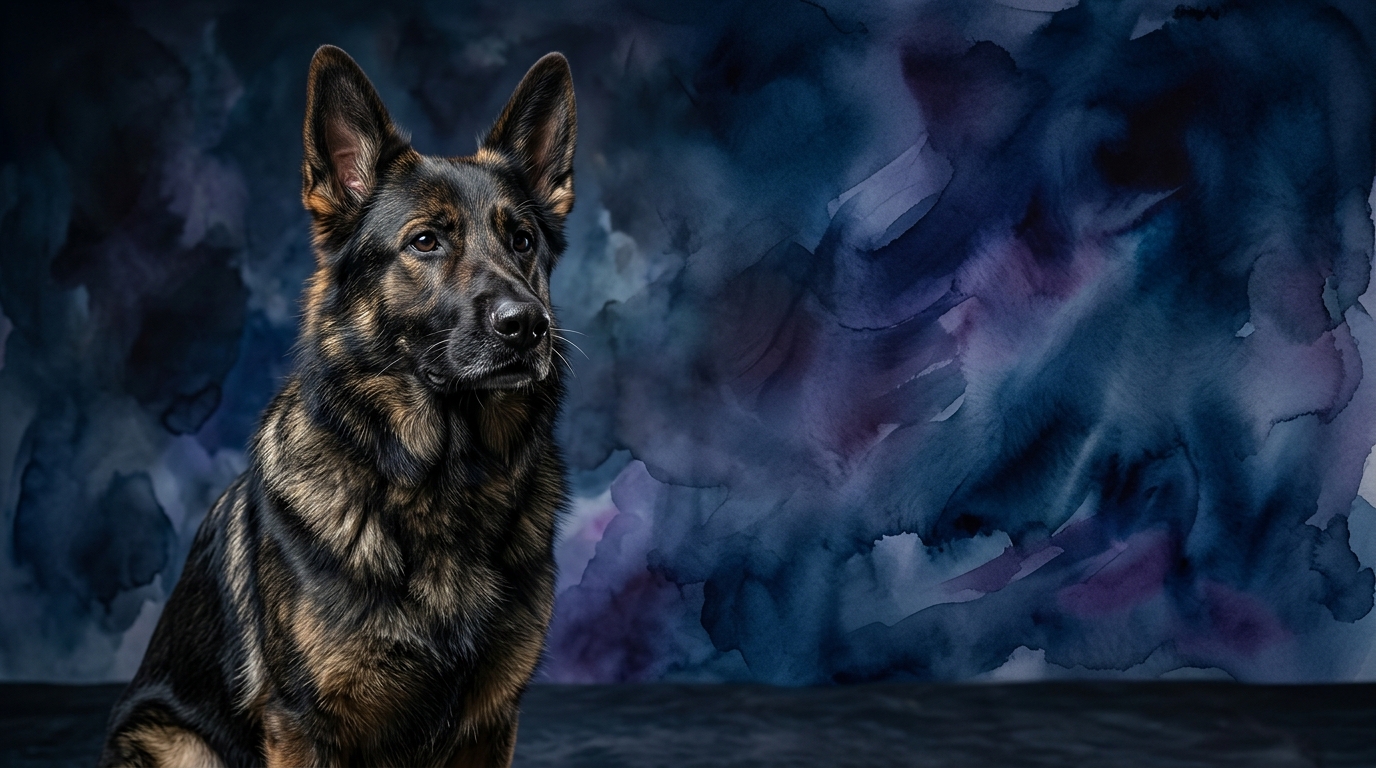
The German Shepherd, a Herding breed, earns a top Coren rank of #3, reflecting its exceptional general cognitive capabilities. Across all five Pet IQ Lab dimensions, it achieves a perfect score: Problem Solving 5/5, Training Speed 5/5, Social Intelligence 5/5, Instinctive Drive 5/5, and Memory 5/5. This breed exhibits a profound capacity for understanding complex tasks, learning new commands with remarkable speed, and forming deep, intuitive bonds with humans. Its strong instinctive drive for work and protection is matched by an outstanding memory for routines, commands, and experiences.
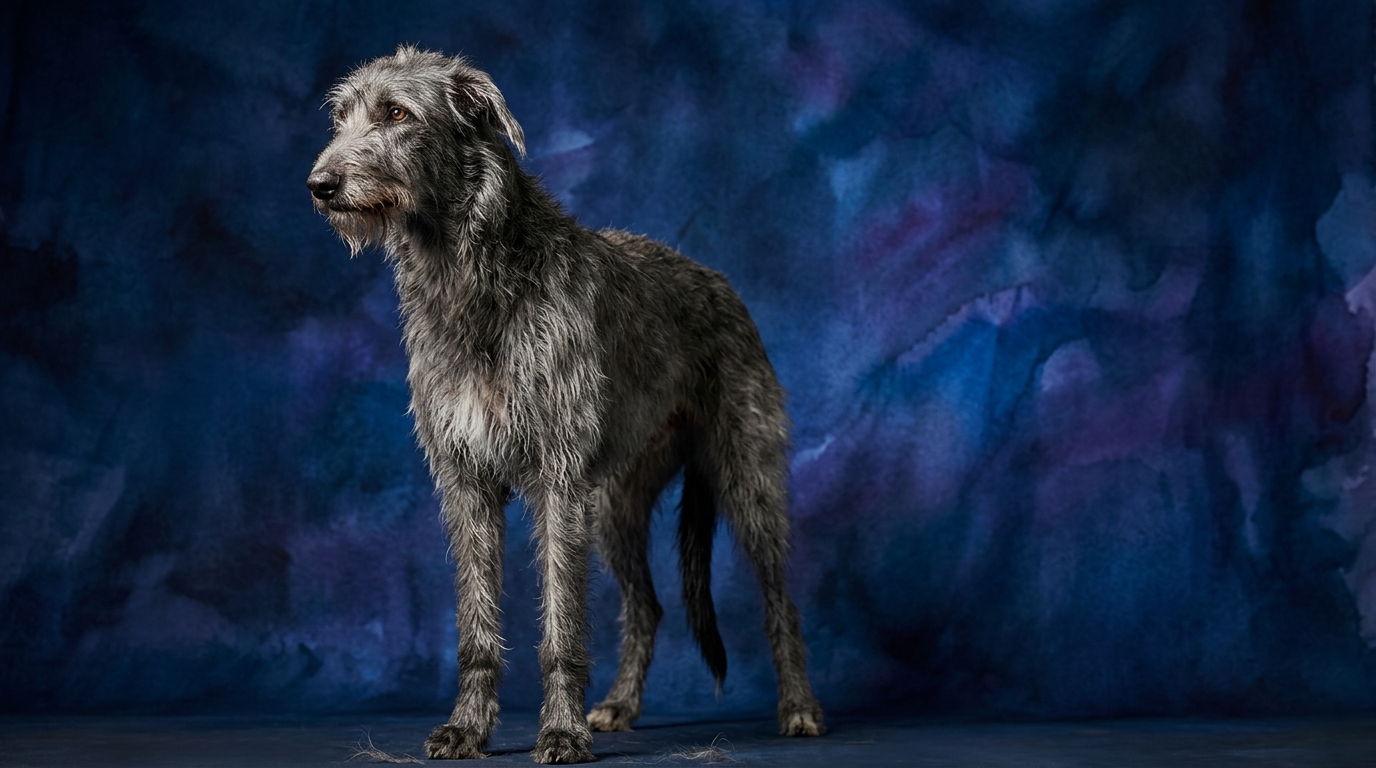
In contrast, the Scottish Deerhound, a Hound breed, is not Coren-ranked, which often indicates a more specialized rather than generalist intelligence. Its Pet IQ Lab scores are consistent across the board at 3/5 for Problem Solving, Training Speed, Social Intelligence, Instinctive Drive, and Memory. These scores suggest a competent but independent cognitive style. Deerhounds possess sufficient problem-solving skills for their specific needs, learn at a moderate pace, show a discerning social awareness, and retain information relevant to their calm existence. Their instinctive drive is primarily focused on the chase, rather than human-directed tasks.
Where the German Shepherd Excels Cognitively
The German Shepherd's cognitive profile showcases a remarkable generalist aptitude, making it an incredibly versatile and adaptable companion. Its 5/5 Problem Solving score means it can consistently figure out novel situations, from unlocking complex latches to navigating intricate agility courses, demonstrating a flexible and analytical mind. This breed doesn't just follow commands; it understands the underlying intent.
With a 5/5 in Training Speed, German Shepherds acquire new commands and complex behavioral chains with exceptional rapidity, often needing only a few repetitions to grasp a concept. This quick uptake is further amplified by their 5/5 Social Intelligence, allowing them to keenly read human body language, tone, and emotional states, fostering a profound working partnership. Their 5/5 Instinctive Drive fuels a strong desire to engage in tasks and work alongside their human, channeling their inherent energies into productive activities. Finally, a 5/5 Memory ensures they retain vast repertoires of commands, intricate routines, and long-term recall of people and places, making them consistently reliable partners in various roles.
Specialized Strengths of the Scottish Deerhound
While the Scottish Deerhound's 3/5 scores might appear modest compared to the German Shepherd's, they reflect a highly specialized and refined intelligence perfectly suited to its ancient purpose and lifestyle. Its 3/5 Problem Solving isn't about generalized puzzle-solving, but about making quick, independent decisions in the field, like assessing the safest path during a high-speed chase or locating distant prey. This form of intelligence prioritizes instinct and swift reaction over deliberate analysis in specific contexts.
The 3/5 Training Speed and Memory, while not indicating rapid acquisition of numerous commands, signify a capacity to learn essential cues for coexistence and remember key individuals and routines. This allows for a calm, well-adjusted household member without the constant need for mental gymnastics. Their 3/5 Social Intelligence manifests as a discerning and sensitive nature, forming deep, quiet bonds with their chosen family, rather than an overt eagerness to please. They are perceptive observers of their human companions' moods, offering comfort without demanding constant interaction. The 3/5 Instinctive Drive is powerfully focused on the chase, a specialized motivation that, when appropriately managed, provides an outlet for their unique physical and mental energy, rather than a general drive for human-directed work.
Training Dynamics: Effort for Success
When considering ease of training, the German Shepherd stands as the clear frontrunner due to its inherent cognitive makeup. Its 5/5 Training Speed means commands are absorbed quickly, and its 5/5 Social Intelligence ensures it is highly attuned to human cues and eager to comply. This breed's strong 5/5 Instinctive Drive for purposeful work means it is often self-motivated by the act of learning and pleasing its handler. German Shepherds thrive on structured training, responding exceptionally well to positive reinforcement and consistently seeking to understand and execute tasks. Their focus is intense, and they are adept at generalizing learned behaviors to new situations, making them excellent candidates for advanced obedience, service work, or competitive dog sports.
Training a Scottish Deerhound, with its 3/5 scores across the board, demands a different approach. Their independence and sighthound heritage mean they are less inherently driven by human direction and can be easily distracted by visual stimuli, such as a squirrel darting across the yard. While capable of learning, their 3/5 Training Speed suggests a slower, more deliberate process requiring immense patience and consistency. Deerhounds may understand a command but choose not to execute it if a more compelling instinct (like the chase) takes over. Effective training involves short, engaging sessions, positive reinforcement tailored to their preferences, and a deep understanding of their sighthound nature to manage their prey drive and foster cooperation rather than absolute obedience.
Owner Suitability: Active Engagement vs. Relaxed Companionship
The German Shepherd is ideally suited for active owners who can match their breed's immense cognitive and physical needs. Their 5/5 Instinctive Drive, coupled with their high Problem Solving and Memory, means they require consistent mental stimulation and physical exercise to thrive. Owners who enjoy structured training, dog sports like agility, obedience, or protection work, and engaging their dog in daily 'jobs' will find a deeply rewarding partnership. Without adequate mental and physical outlets, a German Shepherd can become bored and potentially destructive, as their cognitive capacity seeks an outlet. They are not content to be mere couch potatoes; they need purpose and direction.
The Scottish Deerhound, while appearing relaxed indoors, has specific and non-negotiable exercise requirements that differ from the German Shepherd's. Their specialized 3/5 Instinctive Drive for the chase necessitates regular opportunities for vigorous, high-speed running in a safe, securely fenced area. They are not built for endless jogging, but for bursts of intense speed. Owners who appreciate a calm, gentle, and independent companion inside the home, but who can provide a dedicated space for their dog to gallop freely, will find a perfect match. They are better suited for owners who prioritize quiet companionship and are patient with training, rather than those seeking a constantly engaged working partner. The Deerhound's relaxed demeanor indoors belies a deep-seated need for specific physical release.
The Verdict
Choose a German Shepherd if you seek an engaged, highly trainable partner for sports, service, or protection, and are ready to dedicate significant time to consistent mental and physical stimulation.
Opt for a Scottish Deerhound if you appreciate an independent, gentle companion, are patient with their unique training needs, and can provide ample, safe space for their essential high-speed sprints.
🧠 Find Your Pet's IQ Score
Our Pet IQ Lab assessment covers 25+ tests across 5 cognitive dimensions — personalized to your breed.
Take the Full IQ Test →Frequently Asked Questions
Is a German Shepherd naturally more protective than a Scottish Deerhound?
Yes, the German Shepherd's 5/5 instinctive drive and social intelligence often manifest as a strong protective instinct towards their family and territory, making them vigilant guardians. The Scottish Deerhound, with a 3/5 drive, is generally more reserved and less inclined to protective behaviors, preferring to observe rather than intervene.
Can a Scottish Deerhound excel in obedience competitions?
While a Scottish Deerhound can certainly learn obedience, their 3/5 training speed and independent nature mean they may not achieve the same level of precision or enthusiasm as a German Shepherd (5/5 training speed). Success requires exceptional patience and creative motivation to counter their sighthound tendencies.
How do their memory scores impact daily life?
A German Shepherd's 5/5 memory means they quickly recall a vast array of commands, routines, and experiences, making daily interactions smooth and predictable. A Scottish Deerhound's 3/5 memory is sufficient for essential routines and family recognition, but they might require more repetition for complex tasks and may not retain as many nuanced commands.