Side-by-Side IQ Profile: Herder vs. Companion
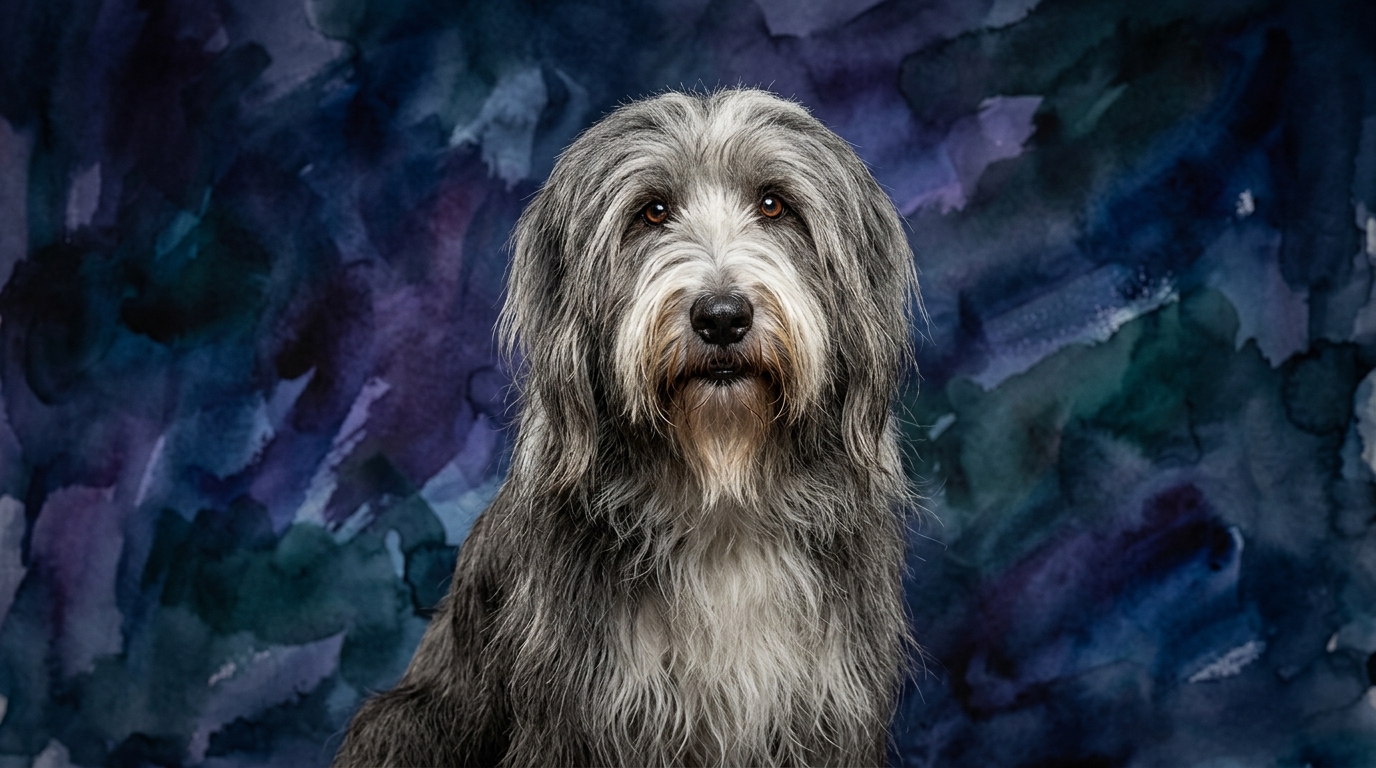
The Cosmic Pet Pet IQ Lab employs a five-dimensional framework to assess canine intelligence, offering a nuanced view beyond simple 'smartness.' For the Bearded Collie, a Herding group member, we observe a robust problem-solving ability rated at 4/5, indicating a strong capacity for navigating novel situations and devising solutions. Their training speed also scores 4/5, suggesting a quick grasp of new commands and routines, likely a remnant of their need to respond rapidly to shepherd cues. Social intelligence sits at 3/5, meaning they are adept at reading human signals but perhaps not overwhelmingly focused on pleasing. Instinctive drive, at 3/5, reflects their inherent herding tendencies, which can manifest as a desire to gather or control. Finally, their memory is a solid 4/5, allowing them to retain complex sequences and learned behaviors over time.
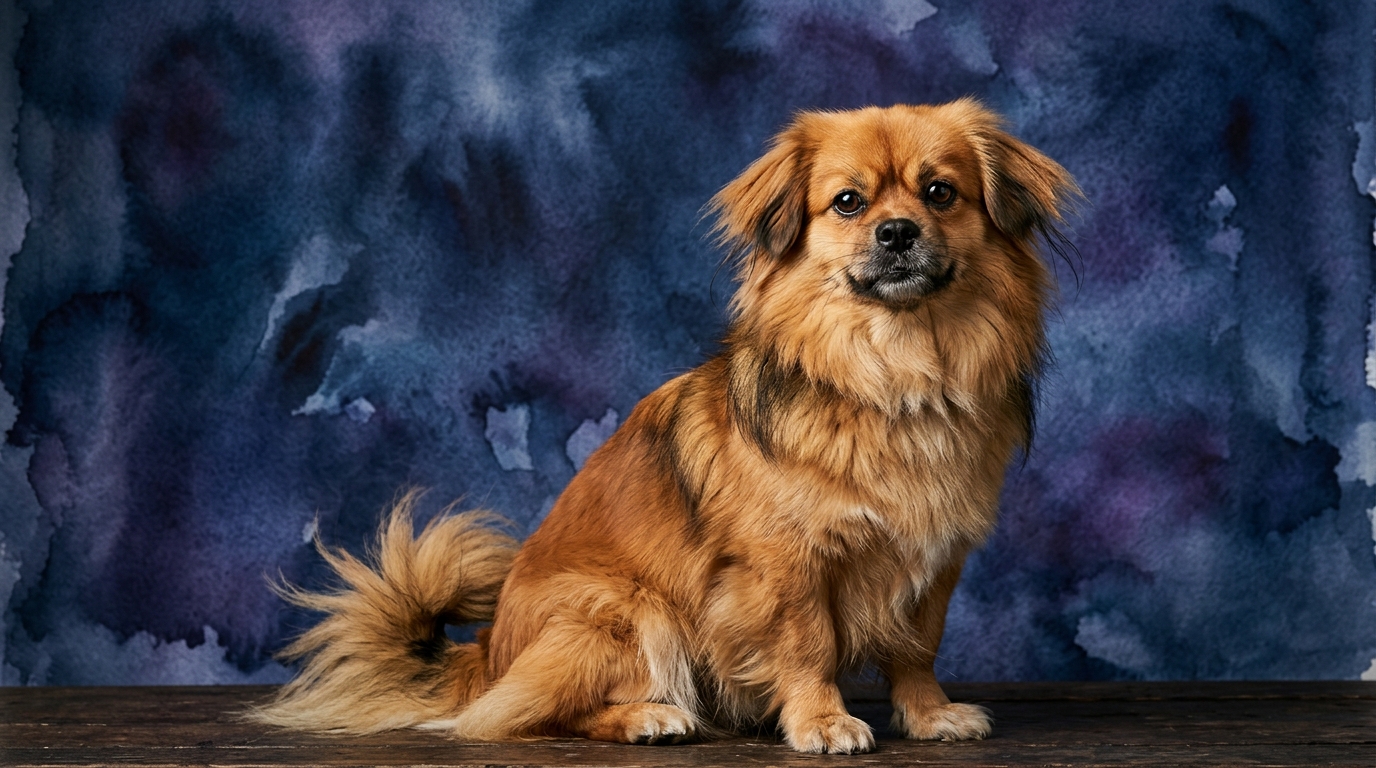
In contrast, the Tibetan Spaniel, a Non-Sporting breed, presents a different cognitive profile. Their problem-solving ability is rated 3/5, indicating competence in resolving everyday challenges, though perhaps with less spontaneous innovation than the Collie. Training speed also scores 3/5, suggesting they learn at a moderate pace, requiring consistent and patient instruction. Social intelligence, matching the Collie at 3/5, implies they are responsive to their human companions but maintain a degree of independent thought. Instinctive drive, at 3/5, is present but not as intensely focused on a specific task as a herding breed, often expressed as a watchful, companionable nature. Their memory, at 3/5, is reliable for retaining core commands and routines, though perhaps less expansive than breeds with higher working demands.
Where the Bearded Collie Wins Cognitively
The Bearded Collie distinctly excels in areas demanding initiative and retention. Their 4/5 score in problem-solving means they are often the first to figure out how to open a cupboard, retrieve a dropped item, or navigate a complex obstacle course. This cognitive agility is a direct asset for owners seeking a dog that thrives on mental challenges and can adapt quickly to changing environments.
Furthermore, the Collie's superior scores in both training speed (4/5) and memory (4/5) create a powerful synergy. This combination allows them to not only pick up new commands with remarkable swiftness but also to recall them reliably even after periods of inactivity. For activities like advanced obedience, agility, or even complex trick training, the Bearded Collie’s cognitive architecture provides a clear advantage, enabling them to build a vast repertoire of learned behaviors and apply them effectively.
Where the Tibetan Spaniel Wins Cognitively
While the Tibetan Spaniel's individual scores might not always surpass the Bearded Collie's, its cognitive strengths lie in a balanced, companion-oriented intelligence. Their 3/5 social intelligence, combined with a moderate instinctive drive, allows them to be highly observant and discerning companions without the intense drive to 'work' that herding breeds possess. This means they are often content to simply be near their owners, absorbing their routines and moods, and offering a subtle, perceptive companionship.
The Tibetan Spaniel's cognitive profile, particularly its 3/5 problem-solving and memory, indicates a practical intelligence well-suited for a home environment. They are capable of learning necessary household rules and routines, and their independent streak (reflected in their balanced social intelligence) means they are not overly reliant on constant direction. This blend makes them adept at navigating domestic life with a quiet competence, excelling in a role where watchful companionship and sensible adaptation are prized over complex task execution.
Which is Easier to Train and Why
Based on the IQ Lab data, the Bearded Collie is generally easier to train for a wide range of tasks. Their 4/5 training speed means they absorb new commands rapidly, often requiring fewer repetitions than the Tibetan Spaniel. This efficiency, coupled with their 4/5 memory, ensures that once a behavior is learned, it tends to stick. For instance, a Bearded Collie is more likely to grasp the concept of 'stay' or 'heel' in fewer sessions and perform it consistently across different contexts.
The Tibetan Spaniel, with its 3/5 training speed, requires a more patient and consistent approach. While certainly trainable, they may take longer to master new commands, and their independent nature, while charming, means they might choose to comply only if they deem it worthwhile. Owners might find that a Tibetan Spaniel responds best to positive reinforcement that clearly demonstrates the benefit to them, rather than an expectation of immediate, eager obedience driven by an intense desire to please. Their 3/5 instinctive drive also means they aren't inherently driven to perform complex tasks, making motivation a key factor in their training success.
Which Suits Active Owners vs. Relaxed Owners
The Bearded Collie, with its herding heritage and higher problem-solving and memory scores, is an ideal match for active owners. Their 3/5 instinctive drive means they possess an innate desire for engagement, requiring consistent mental stimulation and physical activity to prevent boredom and potential behavioral issues. Owners who enjoy long hikes, dog sports like agility or obedience, or even just regular, varied training sessions will find the Bearded Collie to be a willing and enthusiastic partner, thriving on the challenges presented.
Conversely, the Tibetan Spaniel's cognitive and drive profile lends itself well to more relaxed owners. While they certainly benefit from daily walks and mental engagement, their 3/5 instinctive drive and slightly lower problem-solving score suggest they are generally content with a less demanding routine. They are excellent companions for individuals or families who prefer a dog that enjoys quiet companionship, short walks, and indoor play, rather than intense outdoor adventures. Their independent yet affectionate nature allows them to adapt gracefully to a calmer household rhythm, making them suitable for apartment living or owners with less active lifestyles.
The Verdict
Choose the Bearded Collie if you are an active individual or family seeking a highly trainable, mentally agile companion eager for engaging activities and complex challenges.
Opt for the Tibetan Spaniel if you desire a perceptive, independent, and moderately active companion who thrives on close companionship and a calmer, consistent home environment.
🧠 Find Your Pet's IQ Score
Our Pet IQ Lab assessment covers 25+ tests across 5 cognitive dimensions — personalized to your breed.
Take the Full IQ Test →Frequently Asked Questions
Do Bearded Collies need a lot of mental stimulation?
Yes, their 4/5 problem-solving and 4/5 memory scores indicate a significant need for mental engagement. Without adequate stimulation, they may invent their own 'problems' to solve, which can sometimes manifest as undesirable behaviors.
Are Tibetan Spaniels difficult to train due to their independence?
While their 3/5 social intelligence suggests a degree of independence, Tibetan Spaniels are not difficult to train; they simply require patience, consistency, and positive reinforcement. They learn at a moderate pace (3/5 training speed) and respond well to motivation.
Which breed is better for first-time dog owners?
The Tibetan Spaniel might be a more forgiving choice for first-time owners due to its generally lower exercise demands and more adaptable nature. The Bearded Collie's higher drive and need for consistent mental and physical engagement can be more challenging for novices.