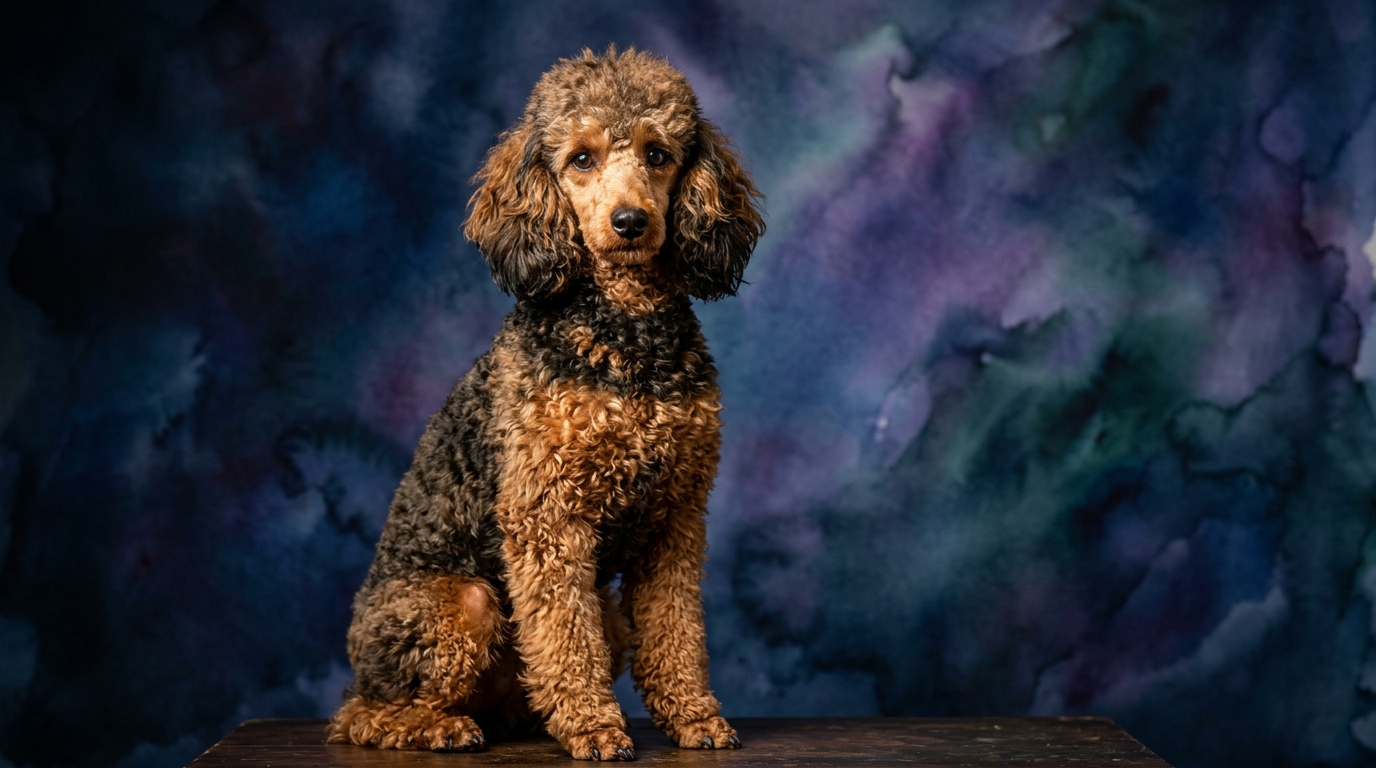
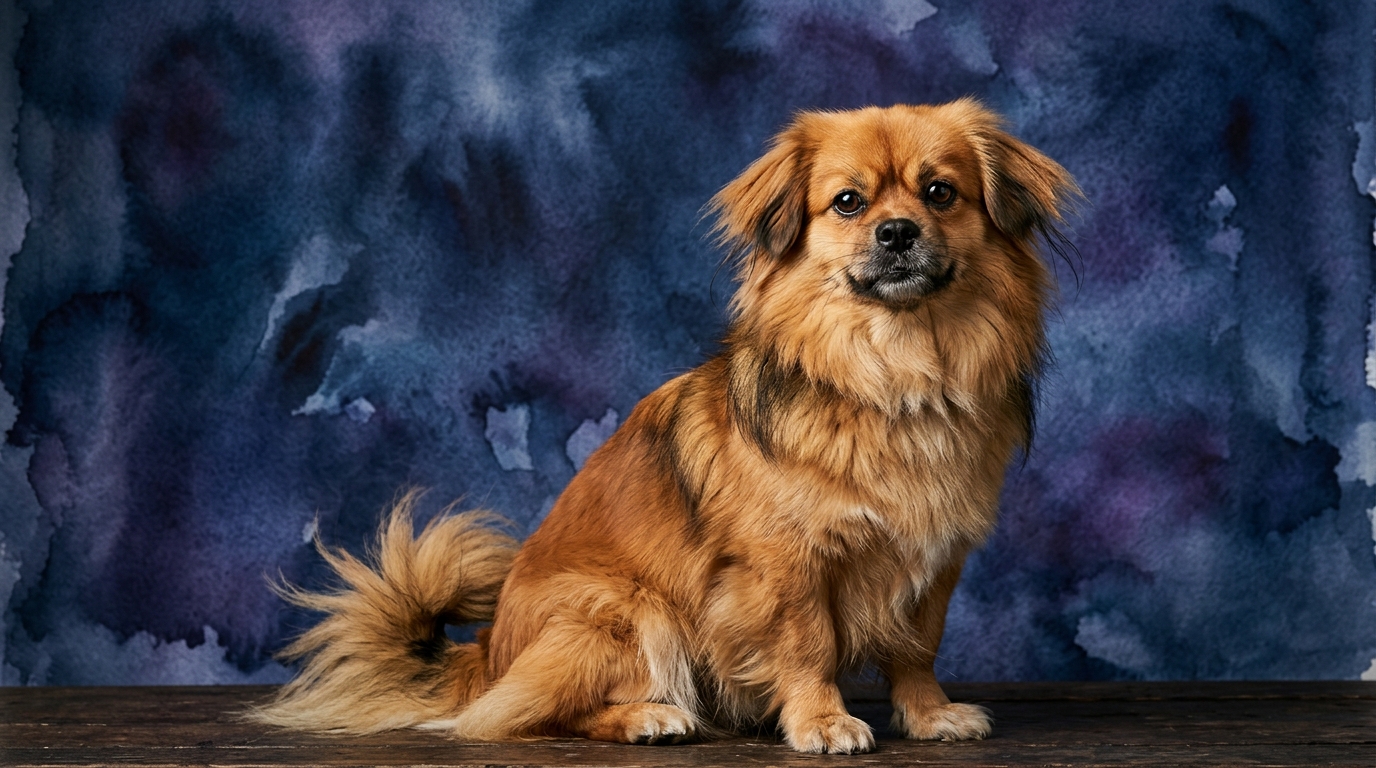
Side-by-Side IQ Profile: Poodle (Standard) vs Tibetan Spaniel
The Cosmic Pet Pet IQ Lab rates the Poodle (Standard) with exceptional cognitive capabilities across most dimensions. Their Problem Solving is a perfect 5/5, indicating an outstanding capacity to analyze novel situations, overcome obstacles, and devise solutions independently. Training Speed also scores 5/5, meaning these dogs grasp new commands and routines with remarkable swiftness, often requiring minimal repetition. Social Intelligence, at 5/5, highlights their profound understanding of human cues, emotions, and complex social structures, making them highly attuned companions. Their Instinctive Drive is a robust 4/5, suggesting a strong innate motivation for tasks and activities, even if not always expressed as a desire for traditional 'work.' Finally, Memory is another 5/5, enabling them to retain vast amounts of information, from command sequences to the location of favored toys, for extended periods.
In contrast, the Tibetan Spaniel presents a more moderate, yet distinct, cognitive profile according to The Cosmic Pet Pet IQ Lab. Their Problem Solving is rated 3/5, indicating they can navigate straightforward challenges but might not independently seek complex solutions or innovate extensively in unfamiliar scenarios. Training Speed also sits at 3/5, meaning they learn new behaviors at an average pace, requiring consistent and patient instruction rather than instantaneous understanding. Social Intelligence, at 3/5, suggests they are affectionate and aware of their human companions but may interpret social cues less subtly or respond less overtly than a breed with higher scores. Their Instinctive Drive is 3/5, reflecting a balanced, lower-key motivation for activity, often preferring comfort and companionship over rigorous tasks. Memory is also 3/5, implying they retain information adequately for daily routines but might require refreshers for less frequently practiced commands or concepts.
Where the Poodle (Standard) Wins Cognitively
The Poodle (Standard)'s cognitive profile showcases clear advantages in areas demanding mental agility and quick comprehension. Their 5/5 Problem Solving means they excel at tasks like figuring out how to open a childproof gate or manipulating puzzle toys designed for advanced canine users, demonstrating a profound capacity for abstract thought. When faced with a novel situation, such as a dropped leash or a blocked path, a Poodle is more likely to independently assess the environment and try various solutions rather than waiting for human intervention. This breed's 5/5 Training Speed allows them to master intricate multi-step commands or complex agility sequences with fewer repetitions than many other breeds, making them exceptional candidates for competitive obedience or trick training. Furthermore, their 5/5 Social Intelligence translates into an uncanny ability to read human moods, anticipating needs or reacting appropriately to subtle shifts in tone or body language, forging a deep, almost telepathic bond with their people.
Where the Tibetan Spaniel Wins Cognitively
While the Tibetan Spaniel's cognitive scores are consistently moderate compared to the Poodle, these characteristics translate into a distinct set of advantages, particularly for owners seeking a different kind of companionship. Their 3/5 Problem Solving means they are less likely to become restless or destructive if not constantly engaged in mental challenges; they are content with simpler routines and familiar environments, which can be a win for owners who prefer a less 'demanding' intellectual presence. The 3/5 Social Intelligence, while not indicating a lack of affection, means they often possess a delightful independent streak; they are loving companions who appreciate proximity but aren't typically 'velcro dogs' constantly seeking direction or validation, offering a more relaxed interaction style. Their 3/5 Instinctive Drive means they generally lack the intense urge to 'do' or 'work' that requires extensive channeling; this translates into a naturally calmer demeanor at home, making them less prone to restlessness or boredom-induced behaviors if their daily activities are moderate rather than intensive.
Which is Easier to Train and Why
Based on their respective IQ profiles, the Poodle (Standard) is unequivocally easier to train. Their 5/5 Training Speed means they grasp new concepts and commands almost immediately, often after just a few repetitions, and their 5/5 Memory ensures these lessons are retained for the long term. A Poodle will quickly learn complex sequences, such as 'fetch the specific toy from the basket' or 'put your dishes away,' and consistently perform them. This cognitive framework allows for rapid progression through various levels of obedience, trick training, or even specialized roles. In contrast, the Tibetan Spaniel, with its 3/5 Training Speed and 3/5 Memory, requires a much more patient and consistent approach. They will eventually learn, but it takes more repetition and a greater commitment from the owner to reinforce behaviors. Their moderate scores mean they might be prone to 'selective hearing' or require reminders for commands not practiced regularly, often exhibiting a charmingly stubborn independence that necessitates positive reinforcement and making training feel like a fun game rather than a chore.
Which Suits Active Owners vs. Relaxed Owners
The Poodle (Standard) is an ideal match for active owners who thrive on engagement and mental stimulation. Their 5/5 Problem Solving and 5/5 Social Intelligence mean they flourish when given opportunities to learn new skills, participate in dog sports like agility or obedience, or even assist with daily tasks around the house. Their 4/5 Instinctive Drive, while not as high as some herding breeds, still necessitates regular outlets for physical and mental energy; an under-stimulated Poodle can become bored and potentially mischievous. Conversely, the Tibetan Spaniel is perfectly suited for relaxed owners who appreciate a calm, affectionate companion without intense demands. Their consistent 3/5 ratings across all cognitive dimensions mean they are content with moderate daily walks, cuddles on the couch, and being a close, unobtrusive presence. They don't require constant mental puzzles or rigorous training sessions to be well-adjusted; their happiness often stems from comfort, routine, and close companionship, making them excellent apartment dogs or companions for those with a quieter lifestyle.
The Verdict
Choose a Poodle (Standard) if you desire a highly trainable, socially astute, and mentally engaged canine partner eager to learn and participate in complex activities.
Opt for a Tibetan Spaniel if you seek a charmingly independent, moderately active companion who values comfort and companionship over intense mental or physical challenges.
🧠 Find Your Pet's IQ Score
Our Pet IQ Lab assessment covers 25+ tests across 5 cognitive dimensions — personalized to your breed.
Take the Full IQ Test →Frequently Asked Questions
Do Tibetan Spaniels ever excel at advanced training despite their average scores?
While their average training speed and memory mean they aren't naturally inclined towards rapid mastery of complex tasks, individual Tibetan Spaniels can certainly achieve advanced training goals with dedicated, patient, and positive reinforcement methods from their owners. Their moderate social intelligence means they form strong bonds, which can be a powerful motivator.
How does the Poodle's high social intelligence manifest in daily life?
A Poodle's 5/5 social intelligence means they are exceptionally attuned to human emotions and intentions; they might offer comfort when you're sad, anticipate a walk by grabbing their leash, or even seem to 'understand' complex conversations, making them highly responsive and empathetic companions. This awareness allows them to integrate seamlessly into family dynamics.
What kind of 'problem-solving' might a Tibetan Spaniel typically engage in?
A Tibetan Spaniel with 3/5 problem-solving might figure out how to nudge a door open if it's slightly ajar, retrieve a toy from under a low piece of furniture with a bit of effort, or navigate a familiar route around obstacles. Their solutions tend to be practical and direct rather than involving complex, multi-step strategies.