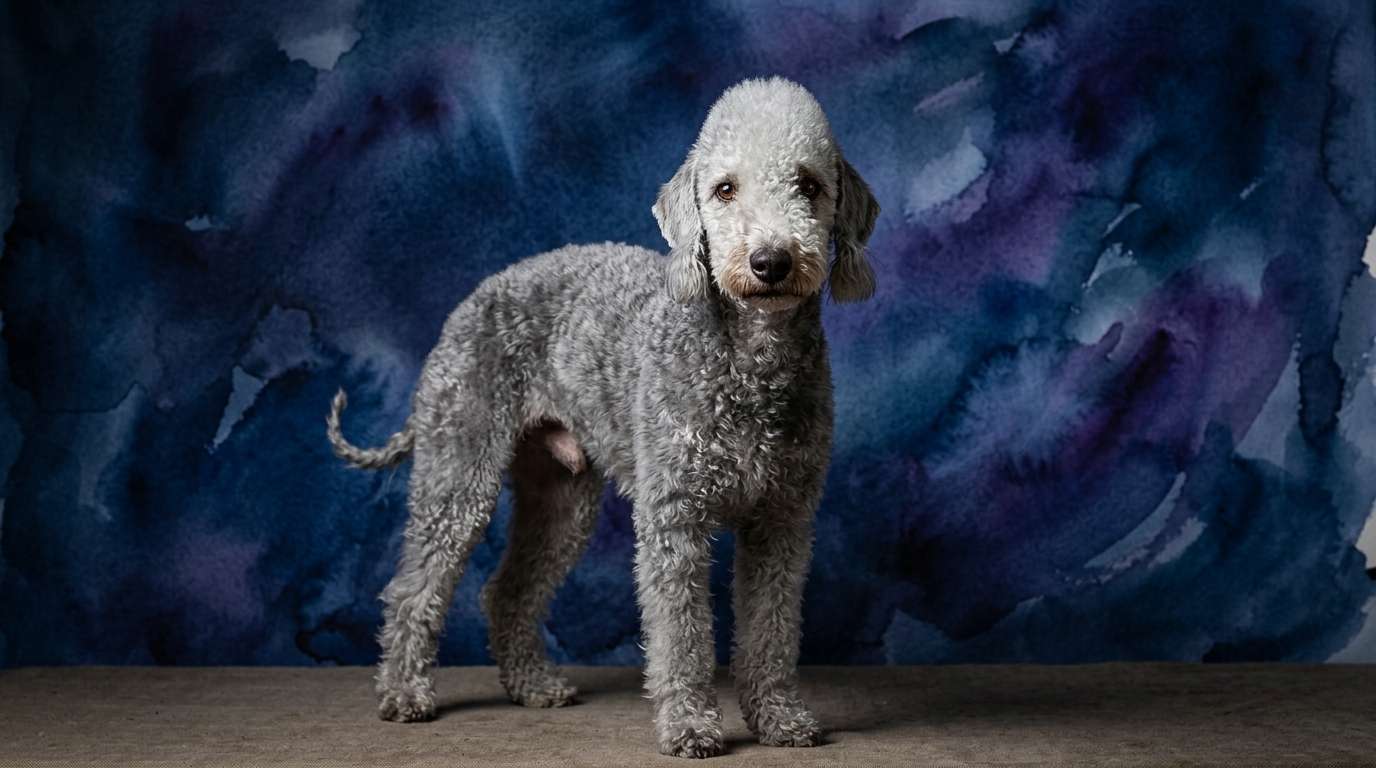
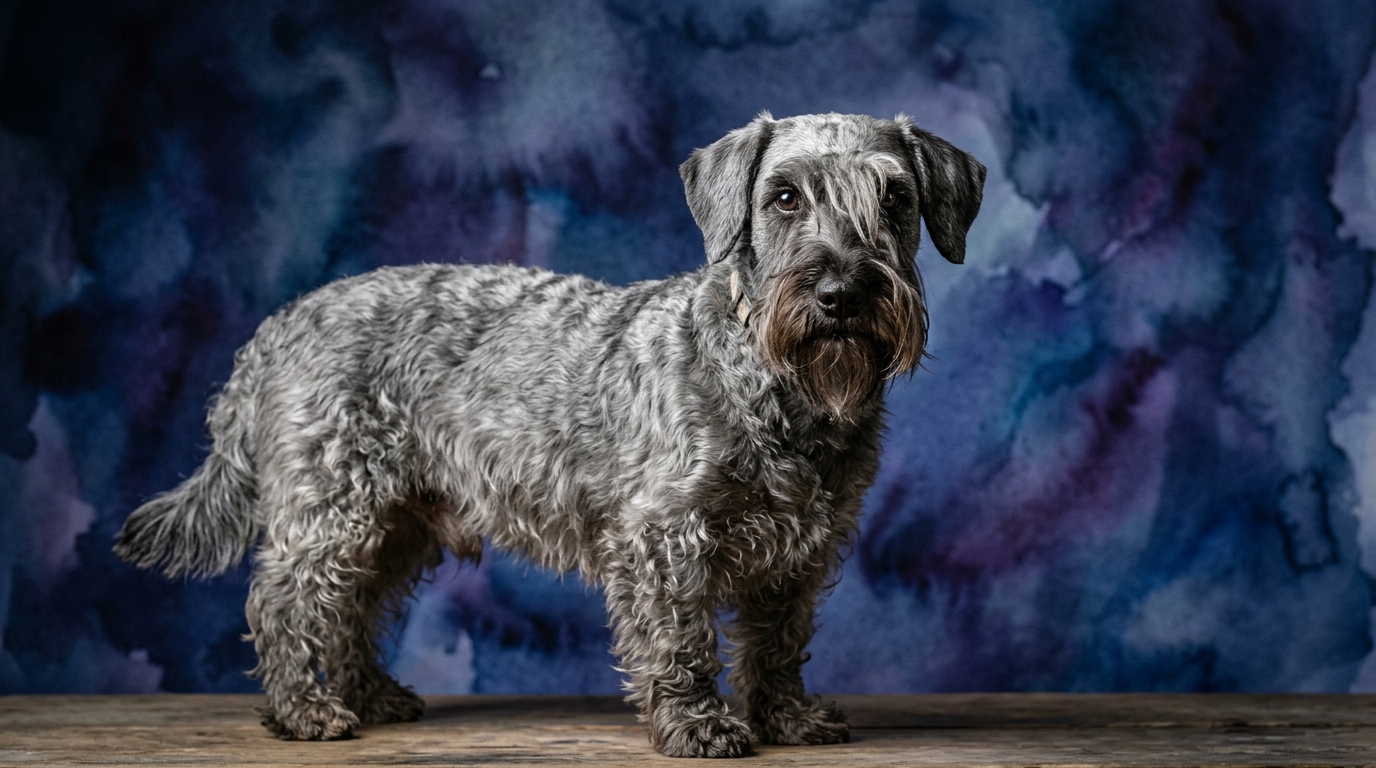
The Cosmic Pet IQ Lab: A Side-by-Side Profile
The Cosmic Pet Pet IQ Lab assesses canine intelligence across five critical dimensions, assigning a 3/5 score to both the Bedlington Terrier and the Cesky Terrier in every category. While these identical scores suggest a similar foundational cognitive capacity, the way each breed manifests these traits is distinct, rooted in their lineage and purpose. A 3/5 score across the board indicates a capable, moderately adaptable canine mind, generally responsive and able to navigate its environment effectively, but perhaps not with the extreme problem-solving prowess or lightning-fast learning of some other breeds.
For Problem Solving (3/5), the Bedlington Terrier often approaches challenges with an agile, somewhat light-footed ingenuity, reflecting its history as a nimble ratter; they might use their whole body to navigate obstacles or retrieve items. The Cesky Terrier, conversely, tends towards a more methodical, persistent approach, drawing from its badger and fox hunting heritage where tenacity and determination were paramount in confined spaces.
Training Speed (3/5) in the Bedlington Terrier is influenced by their sensitive nature and desire to please, often responding well to positive, gentle reinforcement and picking up commands at a steady pace, though they can become easily discouraged by harshness. The Cesky Terrier, while trainable, can exhibit a more independent streak typical of many terriers, requiring consistent, patient guidance to achieve reliable command execution, often taking a moment to process before complying.
Social Intelligence (3/5) for the Bedlington is characterized by a strong bond with their primary family, showing sensitivity to human emotions and often being reserved but polite with strangers. They typically integrate well into a family unit, understanding dynamics. The Cesky Terrier demonstrates its social acumen through a generally even-tempered and discerning disposition, typically tolerant with children and other pets when properly socialized, often observing new situations before fully engaging.
Instinctive Drive (3/5) in the Bedlington Terrier manifests as a keen prey drive, reflecting their origins as vermin hunters, and they are often alert and watchful of their surroundings, sometimes prone to barking at perceived threats. The Cesky Terrier's instinctive drive is also strong, primarily expressed through a love for digging and an acute scenting ability, a direct legacy of their ground-working ancestry where tracking and excavating quarry were essential tasks.
Finally, Memory (3/5) in both breeds is sufficiently robust for retaining commands, routines, and experiences. The Bedlington might show this in remembering complex agility sequences or the layout of their home environment, while the Cesky's memory serves its methodical nature well, allowing them to recall scent trails or specific digging locations over time.
Where the Bedlington Terrier Cognitively Excels
Despite identical scores, the Bedlington Terrier's unique physical and temperamental attributes lend themselves to particular cognitive strengths. Their inherent elegance and athletic build often translate into a refined problem-solving style that leverages agility and quick, coordinated movements. For instance, a Bedlington might more readily figure out how to navigate a complex indoor obstacle course by jumping or weaving rather than brute force.
Their sensitivity, while sometimes posing training challenges, can also be a cognitive asset in social settings, allowing them to pick up on subtle human emotional cues more readily. This means a Bedlington might adjust its behavior more quickly in response to a handler's mood or stress levels, demonstrating a nuanced social understanding that goes beyond basic obedience.
The Bedlington's alert nature, an extension of their vermin-hunting past, means they are often highly aware of their immediate environment, processing changes and potential stimuli with a quickness that can make them excellent watchdogs. This rapid assessment of their surroundings is a specific cognitive advantage, enabling them to react promptly to novel situations or sounds.
Where the Cesky Terrier Cognitively Shines
The Cesky Terrier, with its sturdy build and composed demeanor, demonstrates cognitive strengths rooted in persistence and methodical engagement. Their problem-solving (3/5) often involves a more determined, sustained effort; for example, a Cesky might patiently work at a puzzle toy until it's solved, rather than giving up quickly. This tenacity is a direct reflection of their history as ground-working hunters.
Their discerning social intelligence (3/5) means they are less prone to impulsive reactions, often observing new people or situations before deciding how to interact. This thoughtful approach can lead to more stable and predictable social interactions, as they process information before acting, making them reliable companions in various social settings.
The Cesky's strong instinctive drive (3/5), particularly their love for digging and scent work, highlights a cognitive strength in sustained focus and sensory processing. They can concentrate intensely on a scent trail or a digging project for extended periods, showcasing a capacity for deep, task-oriented engagement that is crucial for their original purpose. This focused attention makes them particularly adept at activities requiring sustained mental effort and sensory discrimination.
Training Dynamics: Bedlington vs. Cesky
When considering ease of training, despite both breeds sharing a 3/5 Training Speed score, their temperamental nuances create distinct experiences. The Bedlington Terrier's sensitivity and eagerness to please often mean they respond very well to positive reinforcement methods, learning quickly when praise and rewards are generous. However, this same sensitivity makes them prone to shutting down or becoming anxious if training is harsh, inconsistent, or involves scolding, potentially slowing progress.
The Cesky Terrier, while capable of learning at a similar pace, often presents a different training challenge due to its more independent and sometimes stubborn terrier nature. They require a patient, consistent handler who can make training engaging and demonstrate clear, firm leadership without resorting to harshness. A Cesky might test boundaries more frequently than a Bedlington, necessitating a handler who can maintain structure and motivation, but once they grasp a command, their retention is generally solid. Therefore, while neither is inherently 'easier,' the Bedlington might feel more responsive to a gentle hand, while the Cesky benefits from a confident, consistent leader.
Suitability for Active vs. Relaxed Owners
The Bedlington Terrier, with its graceful athleticism and alert disposition, typically suits owners who are moderately active and enjoy engaging their dog in various activities. Their 3/5 instinctive drive and problem-solving abilities mean they thrive with regular walks, playtime, and even dog sports like agility, which leverage their quickness and mental dexterity. An owner who appreciates a dog that is an active participant in family life, and can provide consistent mental and physical stimulation, will find a Bedlington a rewarding companion.
The Cesky Terrier, while still requiring daily exercise, often aligns better with owners who appreciate a more composed and perhaps less frenetic companion. Their methodical problem-solving and focused instinctive drive (e.g., digging) mean they benefit from structured activities and opportunities to engage their senses, such as scent games or exploring a secure yard. A relaxed owner who enjoys consistent, moderate walks and appreciates a dog with a steady temperament, capable of quiet companionship indoors, would likely find the Cesky Terrier a good match. They are not necessarily couch potatoes, but their energy is often expressed in a more contained, purposeful manner than some other terrier breeds.
The Verdict
Choose the Bedlington Terrier if you seek a sensitive, agile companion who responds well to gentle training and will thrive with a moderately active lifestyle that includes engaging mental and physical challenges.
Opt for the Cesky Terrier if you appreciate a more composed, persistent dog with a discerning nature, and you are prepared to offer consistent, patient training and opportunities for focused, instinctive engagement like scent work or digging.
🧠 Find Your Pet's IQ Score
Our Pet IQ Lab assessment covers 25+ tests across 5 cognitive dimensions — personalized to your breed.
Take the Full IQ Test →Frequently Asked Questions
Do Bedlington Terriers and Cesky Terriers learn at the same rate?
Based on their identical Training Speed scores of 3/5, both breeds have a similar capacity for learning new commands. However, the Bedlington's sensitivity means they respond best to positive reinforcement, while the Cesky's independence requires more consistent, patient guidance to achieve reliable results.
Which breed is better at solving complex problems?
Both breeds share a 3/5 Problem Solving score, indicating a capable but not exceptional aptitude. The Bedlington tends to use agility and quickness, while the Cesky often employs persistence and a methodical approach, meaning their 'better' depends on the specific type of problem presented.
Are Bedlington Terriers or Cesky Terriers more social?
With identical Social Intelligence scores of 3/5, both breeds demonstrate good social capabilities, primarily bonding deeply with their families. Bedlingtons can be more sensitive to human emotions, while Ceskys are generally even-tempered and discerning, often observing situations before engaging fully with strangers or new environments.