Unpacking Identical Scores: Bedlington vs. Norwich Terrier IQ Profiles
Both the Bedlington Terrier and the Norwich Terrier share a uniform 3/5 rating across all five cognitive dimensions within The Cosmic Pet Pet IQ Lab, indicating a moderate, capable level of intelligence in each area; this consistency across the board suggests neither breed presents a stark cognitive advantage over the other in raw capacity, but rather, differences arise in their application of these capacities.
For Problem Solving, a 3/5 score means both breeds possess a respectable ability to navigate novel situations and figure out solutions, though neither is typically a master strategist; the Bedlington often approaches challenges with a curious, agile mind, using its lithe body to explore and manipulate, while the Norwich tends to employ a more persistent, tenacious approach, often relying on brute force or repeated attempts to overcome obstacles.
Regarding Training Speed, a 3/5 rating indicates a moderate learning curve where both breeds can grasp new commands and routines effectively but might not pick them up instantaneously; the Bedlington, often sensitive and eager to please its primary human, might learn quickly with positive reinforcement and gentle guidance, whereas the Norwich, with its independent and sometimes stubborn streak, may require more consistent repetition and a firm, confident handler to maintain focus.
Their Social Intelligence at 3/5 signifies a decent understanding of social cues and group dynamics, allowing them to integrate well into family life; the Bedlington often displays a strong bond with its family, reading their moods and adapting its behavior, sometimes exhibiting a gentle, empathetic connection, while the Norwich, though affectionate, often expresses its social intelligence through its interactions with other dogs and its place within the household 'pack,' valuing clear boundaries and leadership.
An Instinctive Drive score of 3/5 highlights their moderate terrier instincts, meaning both breeds retain a natural inclination for hunting and exploration; the Bedlington's drive often manifests as a keen interest in chasing small, fast-moving objects, demonstrating remarkable speed and agility in pursuit, whereas the Norwich’s drive leans more towards persistent digging, exploring burrows, and an unwavering determination when tracking scents, reflecting its robust, working-terrier heritage.
Finally, a Memory score of 3/5 suggests both breeds have a solid capacity to recall past experiences, commands, and routines; the Bedlington often remembers specific interactions with people and places, forming strong associations that guide its future behavior, while the Norwich tends to embed routines and the location of favored toys or 'prey' with great accuracy, demonstrating a practical memory tied to its environment and activities.
Bedlington Terrier's Cognitive Edge
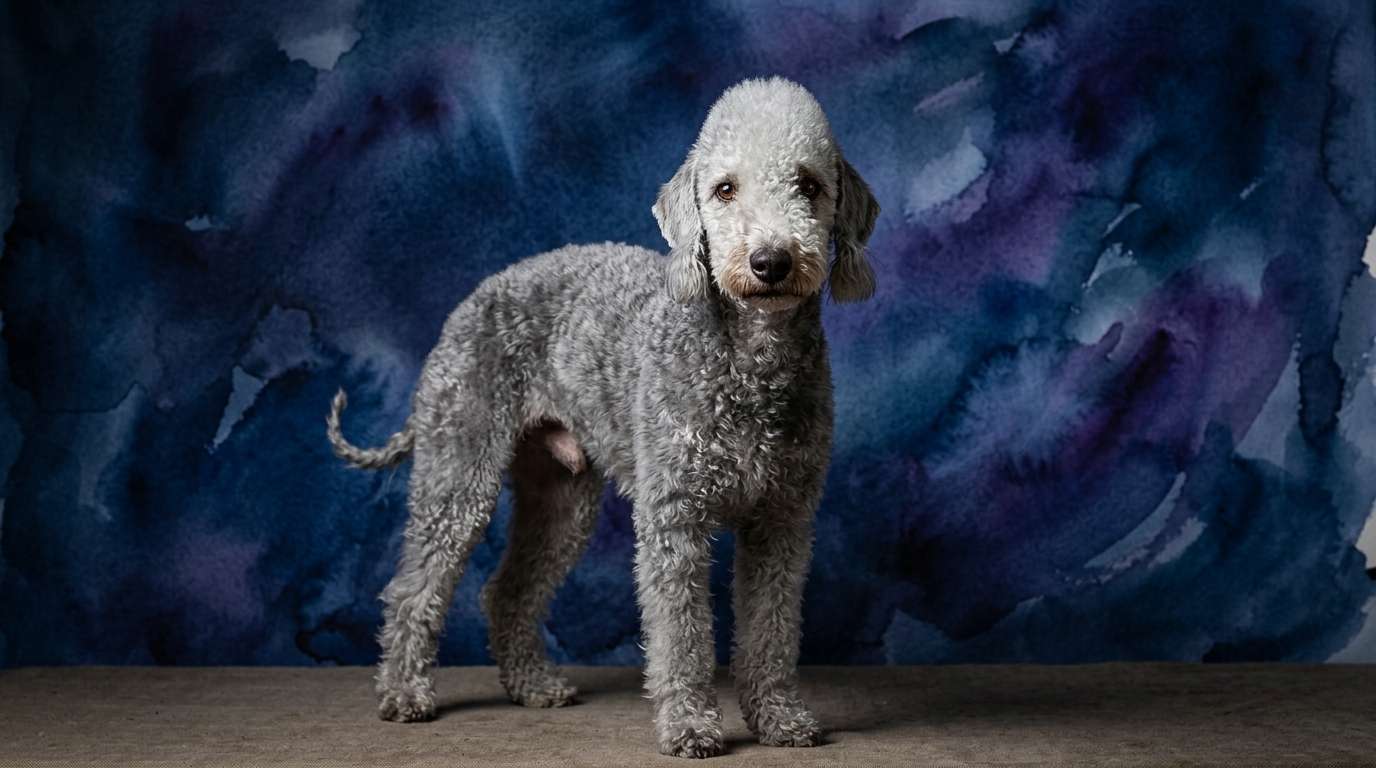
Despite identical scores, the Bedlington Terrier often presents a subtle cognitive advantage in scenarios requiring adaptability and emotional nuance; its inherent sensitivity, while sometimes needing careful management in training, allows it to be more attuned to human emotional states and subtle shifts in household dynamics, enabling a more fluid integration into diverse family routines and social situations.
This breed's lean, agile build and natural curiosity often translate into a problem-solving approach that favors exploration and finesse over brute force, making them particularly adept at navigating complex indoor environments or learning intricate tricks that require coordination; their ability to ‘read the room’ and adjust their energy, a manifestation of their 3/5 social intelligence, can make them appear more sophisticated in their cognitive application within a domestic setting.
Norwich Terrier's Unique Cognitive Strengths
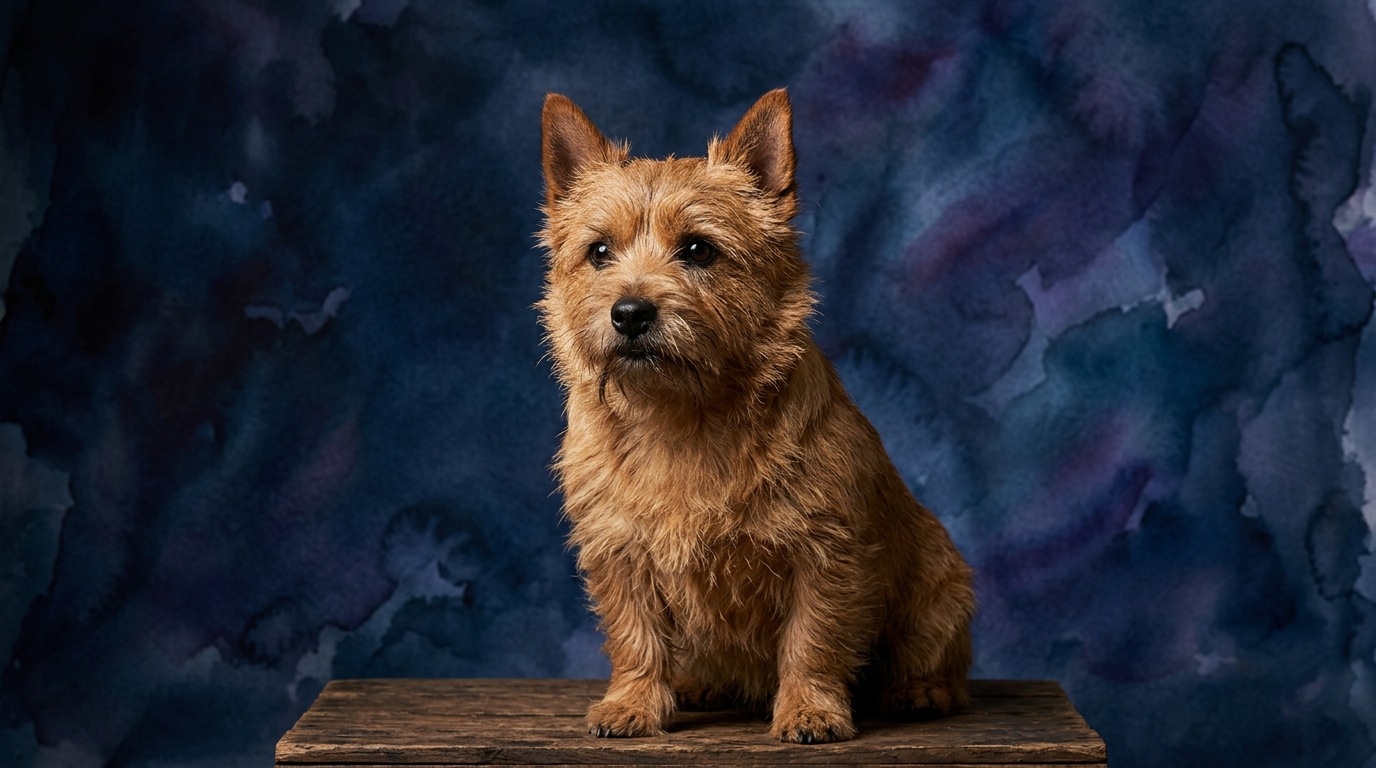
The Norwich Terrier, conversely, demonstrates its cognitive strengths most clearly in situations demanding resilience, unwavering focus, and independent thought; their inherent fearlessness and robust constitution mean they are less likely to be deterred by novel or challenging environments, often approaching new problems with a sustained determination that can overcome obstacles where a more sensitive dog might hesitate.
Their strong, purposeful drive, rated at 3/5, combined with their self-assured nature, allows them to excel in tasks requiring independent decision-making, such as navigating complex trails or excelling in earthdog trials where their tenacity is paramount; this translates into a problem-solving style that is less about quick adaptation and more about persistent, focused effort, often making them highly effective when given a clear objective to pursue.
Training Dynamics: Bedlington vs. Norwich
When it comes to training, both breeds share a 3/5 Training Speed score, yet their temperamental differences create distinct experiences; the Bedlington Terrier, often described as more sensitive and eager to please its primary human, typically thrives on positive reinforcement, praise, and gentle, consistent guidance, responding well to a calm, encouraging trainer and potentially becoming withdrawn if faced with harsh corrections.
The Norwich Terrier, while equally capable of learning, often brings a more independent and sometimes opinionated nature to training sessions, requiring a handler who is exceptionally consistent, patient, and firm without being heavy-handed; their tenacious spirit means they might test boundaries more frequently, demanding clear expectations and engaging, varied training methods to keep their attention and prevent boredom.
Therefore, while both learn at a moderate pace, the Bedlington might *feel* easier to train for an owner who prefers a more cooperative and responsive learner, whereas the Norwich will challenge owners to be more creative and unwavering in their approach, leveraging its strong will rather than trying to suppress it.
Ideal Lifestyles: Active vs. Relaxed Owners
Considering their cognitive profiles and inherent drives, the Bedlington Terrier often suits owners who appreciate a balance of activity and calm; while possessing bursts of energy and a love for vigorous play and walks, their adaptability and social intelligence (3/5) mean they are equally content to curl up indoors, making them suitable for owners who can provide regular exercise but also enjoy quieter companionship, even in apartment settings with sufficient outings.
The Norwich Terrier, with its robust build and persistent instinctive drive (3/5), aligns better with active owners who can match its enthusiasm for outdoor adventures and consistent mental engagement; this breed thrives on purposeful activity, be it hiking, exploring new environments, or participating in dog sports, and will require daily opportunities to expend its physical and mental energy to prevent boredom-induced behaviors, making them less ideal for a predominantly sedentary lifestyle.
The Verdict
Opt for the Bedlington Terrier if you seek a sensitive, adaptable companion who thrives on close family bonds and balances energetic play with serene indoor companionship, responding best to gentle, positive reinforcement in training.
Choose the Norwich Terrier if you desire a fearless, robust, and independent companion eager for outdoor adventures and consistent mental challenges, provided you are prepared for unwavering consistency in training its tenacious spirit.
🧠 Find Your Pet's IQ Score
Our Pet IQ Lab assessment covers 25+ tests across 5 cognitive dimensions — personalized to your breed.
Take the Full IQ Test →Frequently Asked Questions
Are Bedlington or Norwich Terriers good for first-time dog owners?
Both breeds can be suitable for first-time owners who are committed to consistent training and socialization, though their unique temperaments present different challenges. The Bedlington's sensitivity requires a gentle approach, while the Norwich's independence demands a firm, patient hand, making preparedness key for either choice.
How do their grooming needs impact their daily routine?
The Bedlington Terrier's unique lamb-like coat requires regular professional grooming every 6-8 weeks, along with daily brushing to prevent matting, impacting an owner's time and budget. The Norwich Terrier has a wiry, double coat that needs weekly brushing and hand-stripping a few times a year to maintain its texture and protect it from the elements, a task some owners learn to do themselves.
Do Bedlington or Norwich Terriers do well with children?
Both breeds generally do well with respectful children, especially if raised with them from a young age and properly socialized. The Bedlington's gentle nature can make it a patient companion, while the Norwich's sturdy build and playful spirit can withstand energetic interactions, though supervision is always recommended to ensure positive interactions for both dog and child.