
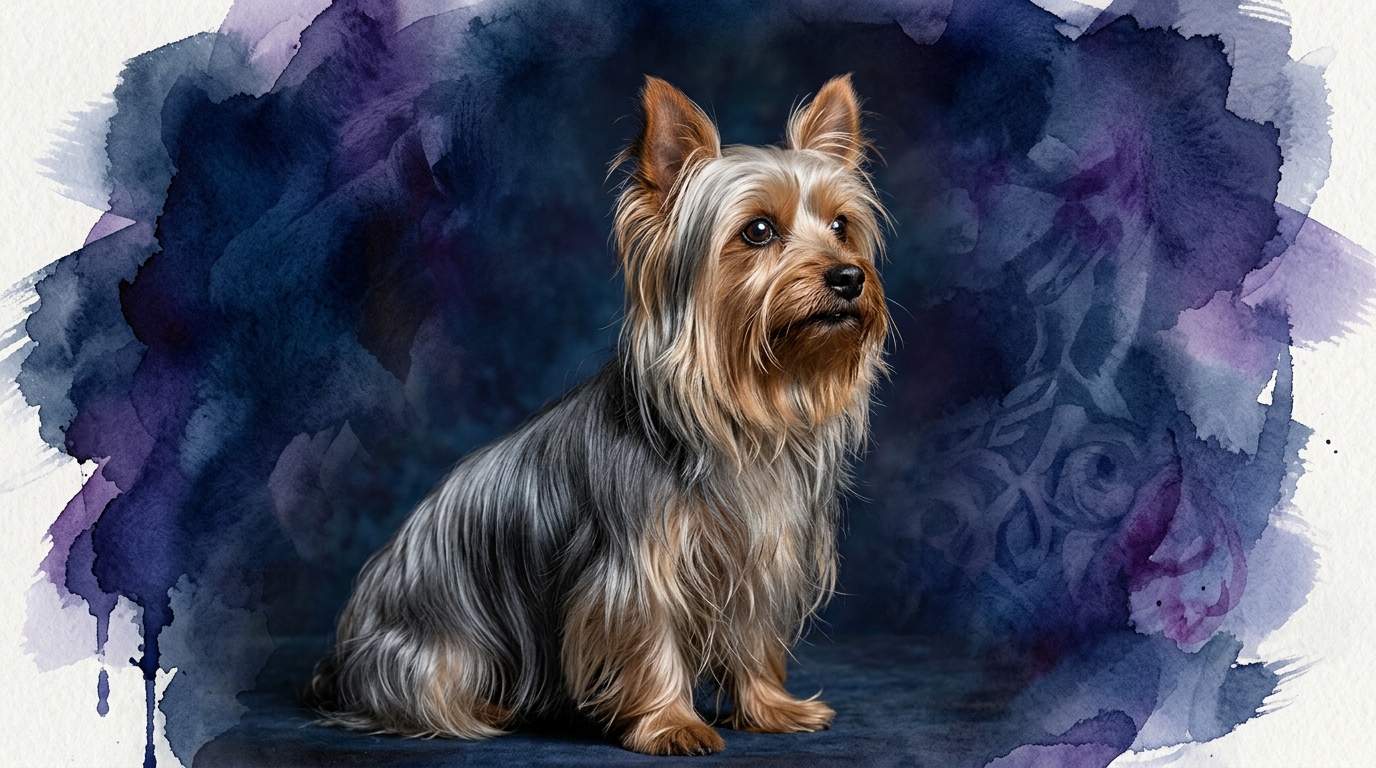
Side-by-Side IQ Profile: Unpacking the 3/5 Scores
At The Cosmic Pet Pet IQ Lab, we evaluate canine intelligence across five critical dimensions, each scored on a scale of 1 to 5. Interestingly, both the Bedlington Terrier and the Silky Terrier register a consistent 3/5 across the board. This doesn't imply a lack of mental capacity but rather a moderate, practical application of their cognitive skills, tailored to their breed's historical roles and inherent temperaments.
For the **Bedlington Terrier**, a 3/5 in **Problem Solving** indicates a practical aptitude for navigating environmental challenges, often rooted in their historical role as vermin hunters. They can figure out how to access a desired object or overcome an obstacle with persistent effort, their solutions frequently direct and goal-oriented. Their **Training Speed** at 3/5 suggests they grasp new commands at a moderate pace, requiring consistent, engaging methods to overcome a typical terrier independence. In **Social Intelligence**, a 3/5 means they are moderately adept at understanding human cues and emotions, forming deep bonds with their immediate family while often maintaining a reserved demeanor with strangers. Their **Instinctive Drive** at 3/5 manifests as a noticeable, yet manageable, prey drive, expressed through an interest in chasing, digging, and exploring. Finally, a 3/5 in **Memory** indicates a moderate retention of learned behaviors, routines, and experiences, influencing their responses to familiar situations.
The **Silky Terrier**, despite its toy group classification, shares this 3/5 profile, but with a domestic twist. Their **Problem Solving** at 3/5 often translates to navigating the intricacies of a household environment, such as figuring out how to get to a favorite sunbeam, retrieve a hidden toy, or cleverly solicit attention from their owners. This problem-solving is often executed with a blend of determination and charm. A 3/5 in **Training Speed** means they learn at a moderate pace, responding well to positive reinforcement and short, fun sessions that cater to their desire for engagement, though their inherent terrier tenacity can sometimes present a challenge to sustained focus. Their **Social Intelligence** at 3/5 highlights a moderate ability to read human moods and intentions, often using this understanding to secure comfort or playtime. They are generally outgoing with family and can be quite expressive. The **Instinctive Drive** of a Silky Terrier, also 3/5, is expressed through typical terrier behaviors like chasing small objects, barking at perceived threats, and an occasional urge to dig, often channeled into playful activity. Their **Memory** at 3/5 means they possess a moderate recall for routines, commands, and the people and places they regularly interact with, making them adept at remembering treat locations or preferred interaction patterns.
Where the Bedlington Terrier Shines Cognitively
While both breeds share identical scores, the Bedlington Terrier’s cognitive strengths often lean towards practical application and sustained focus, particularly in scenarios that tap into their historical purpose. Their 3/5 Problem Solving, for instance, is less about charming their way through a situation and more about persistent, physical engagement. A Bedlington might demonstrate superior ingenuity in figuring out how to breach a barrier to access a perceived 'prey' item, displaying a methodical approach rooted in their working heritage. This practical intelligence, combined with their 3/5 Instinctive Drive, means they can exhibit a more tenacious and resilient problem-solving style when a task requires physical effort and determination. Owners often observe their Bedlingtons meticulously working through a puzzle toy or systematically exploring an outdoor space, demonstrating a focused determination that uncovers their robust terrier spirit beneath a gentle appearance.
Where the Silky Terrier Excels Cognitively
The Silky Terrier, while retaining strong terrier instincts, often demonstrates cognitive strengths that are more attuned to social interaction and domestic navigation. Their 3/5 Problem Solving might manifest as a cleverness in manipulating their environment or owners to their advantage, such as figuring out how to get onto a forbidden couch or how to elicit a treat through a specific behavior. This is often interwoven with their 3/5 Social Intelligence, where they excel at reading human body language and vocal tones, using this understanding to seek attention, comfort, or play. A Silky Terrier might appear more 'street smart' in a household setting, quickly learning the rhythms and routines of their human companions and adapting their behaviors to achieve desired outcomes. Their smaller size and inherent companionability often make them highly observant of human activity, leading to a nuanced understanding of social dynamics within the home.
Training Dynamics: Bedlington vs. Silky
Both breeds register a 3/5 in Training Speed, indicating they learn at a moderate pace. However, the *application* of this learning speed differs due to their inherent temperaments. The Bedlington Terrier, with its independent hunting background, can present a training challenge rooted in its self-reliance. While capable of learning commands, their 3/5 Instinctive Drive means they might prioritize an interesting scent or a chase over immediate compliance, especially in distracting environments. Training a Bedlington requires patience, consistency, and a deep understanding of their terrier nature. Positive reinforcement, coupled with clear boundaries and engaging exercises, is crucial to channeling their intelligence effectively, particularly in areas like recall where their prey drive can be a significant factor.
The Silky Terrier, while equally a terrier at heart, often leverages its 3/5 Social Intelligence in training. Their desire for human companionship and attention can be a powerful motivator, making them responsive to reward-based methods that involve praise and interaction. However, their moderate Instinctive Drive still means they possess a confident, sometimes stubborn, streak. Short, fun, and varied training sessions are key to maintaining a Silky's engagement, preventing boredom and a subsequent refusal to cooperate. While they may pick up tricks quickly to earn a treat or a cuddle, sustained focus on more complex obedience tasks might require creative and persistent efforts to keep their attention from wandering to more exciting 'terrier' pursuits like barking at the mail carrier or investigating a new household smell.
Matching Lifestyles: Active vs. Relaxed Owners
Considering their cognitive profiles and inherent drives, the Bedlington Terrier typically suits a more active owner. Their 3/5 Instinctive Drive and moderate energy levels mean they thrive with consistent physical exercise, such as brisk walks, runs, or engaging play sessions. They also benefit significantly from mental stimulation that challenges their problem-solving abilities, like agility training or scent work, which taps into their historical hunting instincts. Owners who enjoy outdoor activities and can provide a structured environment with opportunities for exploration will find a Bedlington an engaging companion. Their cognitive engagement is often tied to purposeful activity.
The Silky Terrier, while energetic for a toy breed, can adapt to a slightly more relaxed owner, provided their mental and physical needs are still met. Their moderate Instinctive Drive and compact size mean their exercise requirements can often be satisfied with vigorous indoor play, daily walks, and opportunities to explore a secure yard. However, their 3/5 Social Intelligence and moderate Problem Solving skills mean they still require consistent mental engagement to prevent boredom and potential behavioral issues. Owners who enjoy interactive play, puzzle toys, and consistent companionship, even if less intensely active outdoors, will find a Silky to be a bright and responsive partner. They are quite content curling up with their owner after a good play session, valuing the social connection.
The Verdict
Choose the Bedlington Terrier if you appreciate a dog with a robust, independent spirit, capable of persistent, practical problem-solving, and are prepared to engage their moderate prey drive with consistent training and active outdoor pursuits.
Opt for the Silky Terrier if you seek a spirited companion who excels at social interaction within the home, demonstrating cleverness in navigating domestic life, and can thrive with a balance of engaging indoor play and moderate outdoor activity.
🧠 Find Your Pet's IQ Score
Our Pet IQ Lab assessment covers 25+ tests across 5 cognitive dimensions — personalized to your breed.
Take the Full IQ Test →Frequently Asked Questions
Are Bedlington Terriers good family dogs?
Yes, Bedlington Terriers can be wonderful family dogs, forming strong bonds with their immediate human family members due to their moderate social intelligence. However, their terrier independence and moderate instinctive drive mean they often do best in homes that understand their need for consistent training and proper socialization, especially with children and other pets.
Do Silky Terriers bark a lot?
Silky Terriers, with their moderate instinctive drive, do have a tendency to bark, often using it to alert their owners to perceived threats or novelties. While their moderate social intelligence means they can be trained to reduce excessive barking, their inherent terrier nature means they are often vocal guardians of their home territory.
What's the main difference in their terrier temperament?
The Bedlington Terrier typically embodies a more robust, independent terrier spirit, historically geared towards hunting, which manifests in a determined problem-solving approach and a noticeable prey drive. The Silky Terrier, while still possessing terrier tenacity, often channels its spirit into a more socially oriented confidence, utilizing its moderate social intelligence to engage with its human family and navigate the home environment with clever charm.