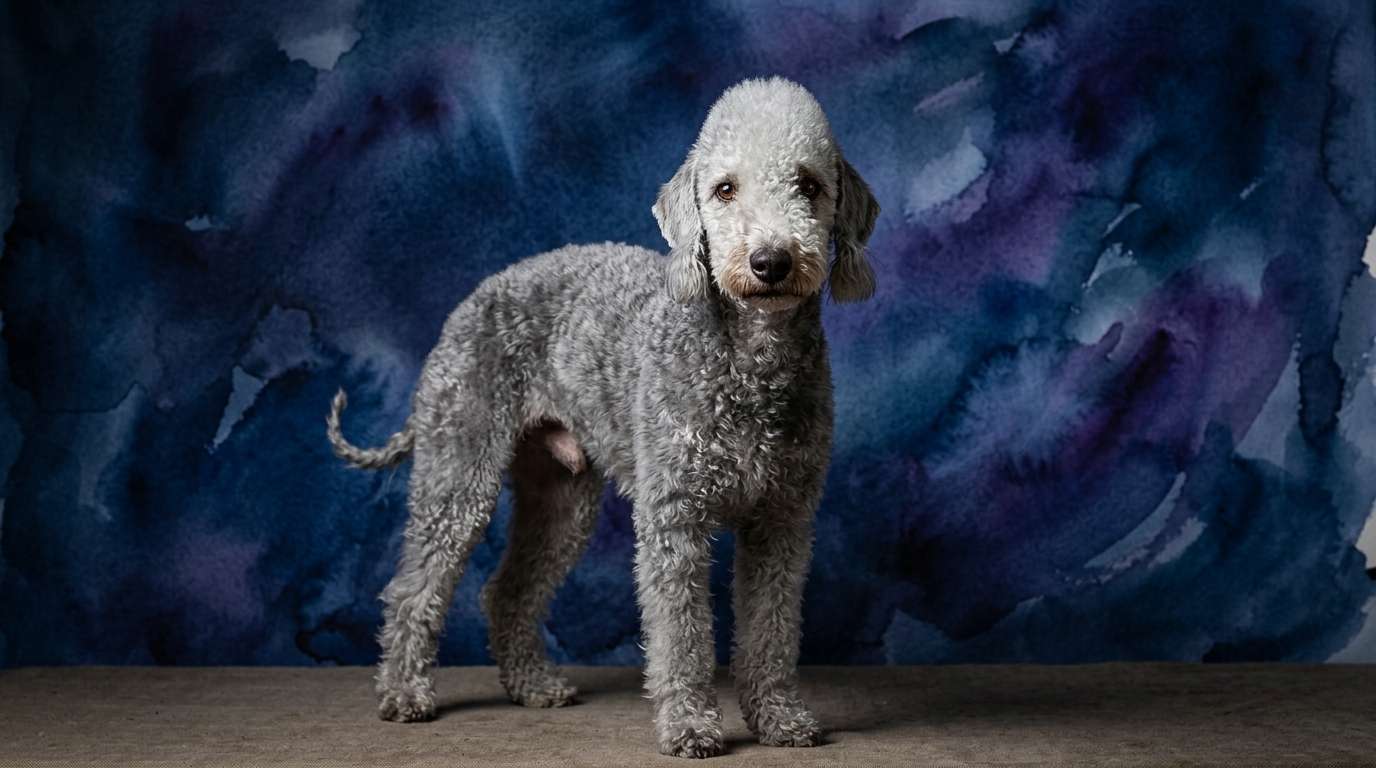

Pet IQ Lab Profiles: A Nuanced Look
Both the Bedlington Terrier and the Smooth Fox Terrier register a consistent 3/5 rating across all five cognitive dimensions: Problem Solving, Training Speed, Social Intelligence, Instinctive Drive, and Memory. This indicates a solid, capable level of cognition, but the *application* of these capacities often diverges significantly due to their distinct breed characteristics and historical roles.
In Problem Solving, both breeds demonstrate a 3/5 capability, meaning they can navigate moderate challenges. The Bedlington Terrier often applies this to understanding human routines and emotional states, figuring out how to gain attention or comfort from their family members. The Smooth Fox Terrier, conversely, tends to direct its 3/5 problem-solving towards independent tasks, such as devising ways to access interesting scents or overcome physical barriers in their environment, driven by an inherent curiosity and tenacity.
Regarding Training Speed, both breeds achieve a 3/5, indicating a steady learning pace. The Bedlington Terrier typically responds well to consistent, gentle instruction, learning new commands with a desire to please and connect with their handler, though they can be sensitive to harsh methods. The Smooth Fox Terrier also learns quickly, but their independent spirit means their 3/5 speed is best harnessed with engaging, varied training sessions that keep their keen attention and prevent boredom.
Their Social Intelligence also sits at a 3/5. Bedlington Terriers generally excel at forming deep, intuitive bonds with their primary caregivers, reading subtle human cues related to affection and companionship. They can be discerning with new people, requiring careful introduction. Smooth Fox Terriers, with their 3/5 social intelligence, often display a more outgoing and assertive nature, adept at navigating social hierarchies and expressing their needs with confidence, sometimes testing boundaries in new social contexts.
For Instinctive Drive, both breeds score 3/5, reflecting their terrier heritage. The Bedlington Terrier possesses a moderate prey drive, historically used for ratting, which manifests as an interest in chasing small scurrying things but is generally manageable with consistent training and redirection. The Smooth Fox Terrier's 3/5 instinctive drive is typically more pronounced, encompassing a strong urge to dig, chase, and explore, demanding significant outlets for these deeply ingrained behaviors.
Finally, both breeds exhibit a 3/5 in Memory. Bedlington Terriers retain learned behaviors and routines effectively, particularly those associated with positive human interaction and comfort, which aids in building predictable home lives. Smooth Fox Terriers also possess a robust memory, recalling training cues and past experiences, including opportunities for independent exploration or mischief, which necessitates consistent management and reinforcement from owners.
Where Bedlington Terrier Wins Cognitively
The Bedlington Terrier's cognitive strengths, while scoring identically to the Smooth Fox, often shine in areas requiring emotional attunement and adaptability to a home environment. Their 3/5 social intelligence allows for a more nuanced understanding of family dynamics, often anticipating owner moods and adjusting their behavior to maintain harmony and affection. This makes them particularly adept at forming deep, communicative bonds.
Furthermore, their problem-solving, though rated 3/5, frequently manifests in subtly navigating complex social situations within the home, such as understanding household rules or learning to signal specific needs without overt demands. Their memory, also 3/5, is particularly strong for positive reinforcement and routines tied to comfort and companionship, fostering a cooperative learning style that prioritizes shared experience.
Where Smooth Fox Terrier Wins Cognitively
The Smooth Fox Terrier's cognitive advantages often lie in their independent thought and environmental resourcefulness, even with a 3/5 across the board. Their problem-solving skills, for instance, are frequently applied to overcoming physical obstacles or strategizing how to access intriguing stimuli in their surroundings, demonstrating a cleverness rooted in their historical working roles. This breed exhibits a tenacious, 'where there's a will, there's a way' approach to challenges.
Their 3/5 training speed, combined with their assertive social intelligence, allows them to quickly grasp tasks that align with their strong instinctive drives, such as agility or scent work, where their focus can be intensely channeled. They possess a remarkable ability to read and react to their physical environment, often spotting opportunities or potential 'prey' long before their human companions do, reflecting their keen senses and independent drive.
Which is Easier to Train and Why
Determining which breed is 'easier' to train is less about raw cognitive capacity and more about temperament and owner expectations. The Bedlington Terrier, with its 3/5 training speed and strong desire for companionship, often presents as more compliant. They are sensitive dogs who respond best to positive reinforcement, gentle guidance, and consistency, typically eager to please their human companions and thrive on mutual understanding.
The Smooth Fox Terrier, also with a 3/5 training speed, learns quickly but can be more challenging due to their independent spirit and assertive nature. They require an engaging, varied training approach to maintain their interest and prevent them from becoming bored or devising their own 'fun.' Their strong instinctive drive means training often involves channeling these natural urges into productive activities rather than suppressing them.
Real behavioral differences play a significant role: Bedlingtons often aim to please and avoid conflict, making them generally more receptive to direction. Smooth Fox Terriers, conversely, possess a more self-directed drive; while they pick up concepts rapidly, consistent execution requires an owner who can make training feel like a partnership in adventure, leveraging their tenacity and curiosity rather than simply demanding obedience.
Which Suits Active Owners vs. Relaxed Owners
The choice between these two terriers largely depends on an owner's lifestyle. The Bedlington Terrier, while enjoying regular exercise, can adapt to a moderately active home. Their 3/5 instinctive drive is manageable, and they are often content with daily walks, playtime, and ample cuddle time with their family. They appreciate routine and a calm home environment, making them suitable for owners seeking a companion who balances activity with affection.
The Smooth Fox Terrier, conversely, is best suited for highly active and experienced owners. Their robust 3/5 instinctive drive, combined with their independent problem-solving, means they require significant physical and mental stimulation daily. They thrive on challenges, structured activities like agility or earthdog trials, and consistent engagement to prevent boredom-induced destructive behaviors. A relaxed, sedentary owner would likely find a Smooth Fox Terrier overwhelming.
The Verdict
Choose the Bedlington Terrier if you seek a sensitive, companion-oriented terrier who thrives on human connection and a consistent, gentle approach to training and home life.
Opt for the Smooth Fox Terrier if you are an active, experienced owner who relishes a challenge, can provide extensive mental and physical stimulation, and appreciates an independent, tenacious spirit.
🧠 Find Your Pet's IQ Score
Our Pet IQ Lab assessment covers 25+ tests across 5 cognitive dimensions — personalized to your breed.
Take the Full IQ Test →Frequently Asked Questions
Do Bedlington Terriers dig as much as Smooth Fox Terriers?
While both breeds possess a terrier's instinct for digging (3/5 instinctive drive), Bedlington Terriers generally exhibit this behavior less intensely than Smooth Fox Terriers. Bedlingtons may dig out of curiosity or boredom, but the Smooth Fox Terrier's drive to dig is often a more pronounced and persistent trait, deeply rooted in their history as fox hunters.
Are Smooth Fox Terriers good with other pets?
Smooth Fox Terriers can coexist with other pets, but their strong 3/5 instinctive drive, particularly their prey drive, requires careful management and extensive socialization from a young age. They may view smaller, non-canine pets as prey, and their assertive social intelligence (3/5) means they might challenge other dogs if not properly introduced and supervised.
How do their grooming needs affect an owner's routine?
The grooming needs of these breeds differ significantly. The Bedlington Terrier's unique lamb-like coat requires regular professional grooming or skilled home clipping every 6-8 weeks to prevent matting and maintain its distinctive appearance. The Smooth Fox Terrier's wiry coat, while needing less frequent professional attention, still requires regular brushing and hand-stripping a few times a year to maintain its texture and minimize shedding, making both breeds require dedicated grooming routines.