A Side-by-Side Look at Cognitive Profiles
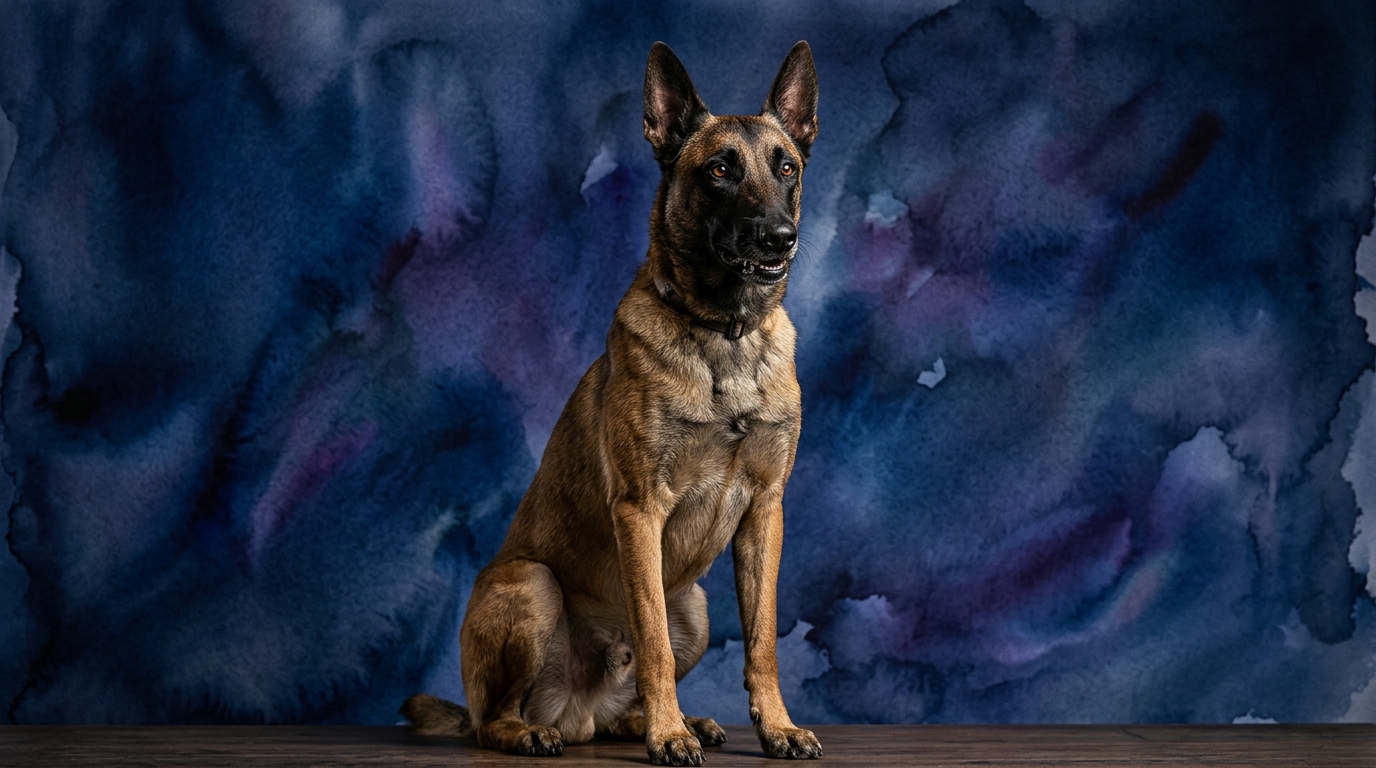
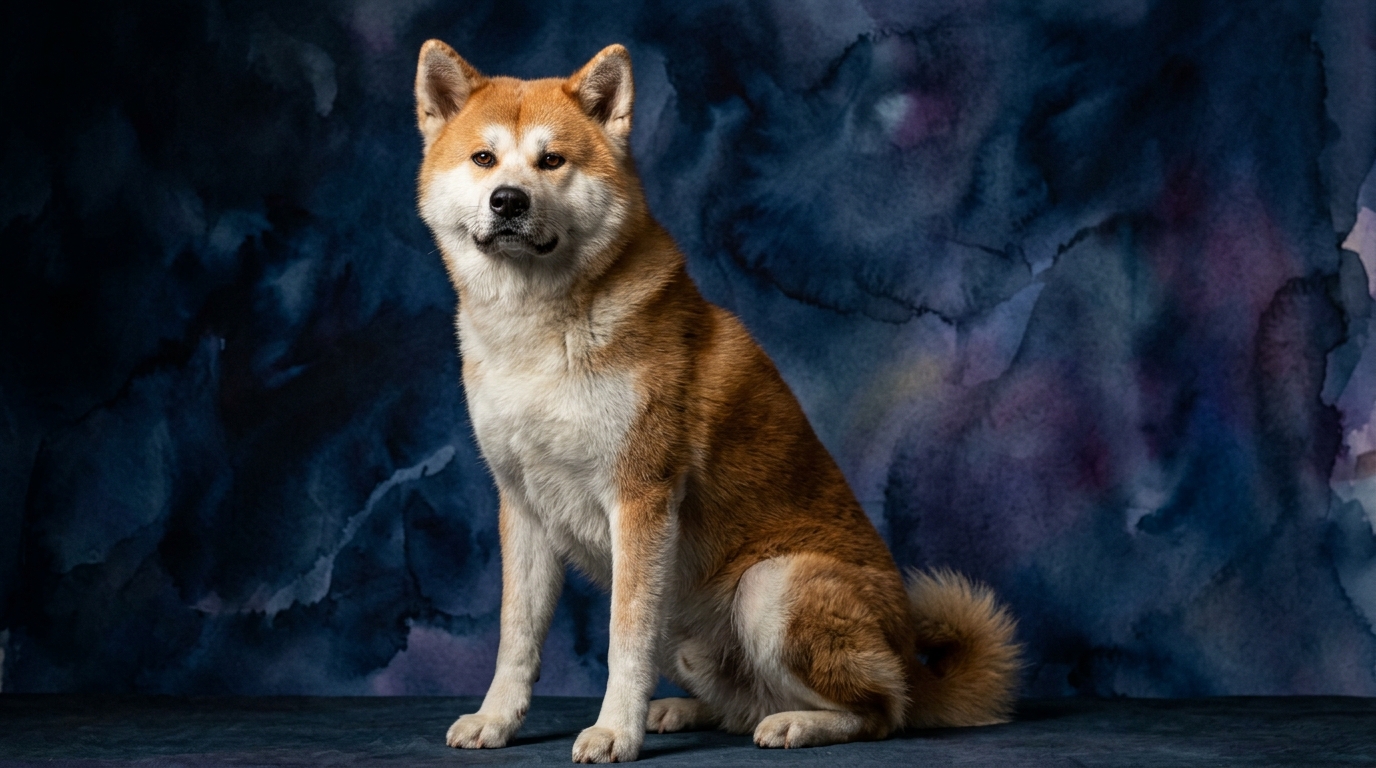
The Cosmic Pet Pet IQ Lab employs five key dimensions to evaluate canine intelligence, revealing the nuanced cognitive strengths of each breed. When we compare the Belgian Malinois (Herding group) with the Akita (Working group), a clear divergence in their mental aptitudes becomes apparent, reflecting their historical roles and inherent natures.
For Problem Solving, the Belgian Malinois scores a perfect 5/5, indicating an exceptional capacity to navigate novel challenges and devise effective solutions independently. The Akita, by contrast, registers a 3/5, suggesting a more methodical approach that prefers established patterns over spontaneous innovation. In terms of Training Speed, the Malinois achieves an impressive 5/5, demonstrating a rapid uptake of new commands and concepts. The Akita's 2/5 score here highlights a more deliberate learning pace, often requiring greater patience and repetition.
Social Intelligence, which measures a dog's attunement to human cues and cooperative spirit, sees the Malinois at 4/5, indicating a strong desire to work in tandem with its human handler. The Akita's 3/5 in this dimension suggests a more independent nature, less inclined to seek constant human guidance or affirmation. Both breeds share a remarkable 5/5 in Instinctive Drive, showcasing powerful innate urges that fuel their purpose-driven behaviors. Lastly, Memory is a strength for both, with the Malinois leading at 5/5 for its comprehensive recall of experiences and training, while the Akita follows closely with a robust 4/5, particularly for routines and significant events.
Belgian Malinois: Cognitive Mastery in Collaboration
The Belgian Malinois's cognitive strengths make it an exceptionally versatile and responsive partner. Its 5/5 problem-solving ability means it doesn't just follow commands; it actively processes its environment, adapting to changing scenarios with remarkable agility. This is evident in their success in demanding roles such as search and rescue, where they must interpret complex situations and make quick, sound decisions.
Their stellar 5/5 training speed is not merely about quick obedience; it reflects a profound eagerness to learn and engage, coupled with an ability to grasp intricate multi-step commands. This cognitive readiness allows them to master advanced tasks, whether it's navigating an agility course with precision or executing complex protection protocols, often requiring fewer repetitions than many other breeds.
Furthermore, the Malinois's 4/5 social intelligence ensures they are deeply attuned to their handler's intentions and subtle cues, fostering a seamless partnership. This collaborative mindset, combined with their 5/5 memory, means that once a concept is learned, it is retained with precision, making them consistently reliable and predictable in their responses, even in high-pressure situations.
Akita: Independent Thought and Steadfast Purpose
While the Akita's scores might appear lower in some cognitive areas compared to the Malinois, its intelligence profile shines in specific, distinct ways. Its 5/5 instinctive drive, combined with a more independent social intelligence (3/5), fosters a remarkable self-reliance. This means an Akita often makes autonomous judgments, particularly in guarding or protective scenarios, rather than constantly seeking human input.
Their strong memory (4/5) is acutely tuned to remembering routines, territories, and who belongs, supporting their role as vigilant protectors. This focused recall contributes to their unwavering loyalty and their ability to consistently identify familiar faces versus strangers, a crucial aspect of their guarding responsibilities.
Furthermore, their lower problem-solving and training speed, while requiring patience, also contribute to a deliberate, unwavering commitment once a task or rule is understood. This isn't about rapid acquisition, but about conviction and steadfastness in their learned behaviors and innate roles, making them incredibly dependable in their specific, established duties.
Trainability: A Tale of Two Approaches
When considering ease of training, the Belgian Malinois clearly offers a more receptive experience for most owners. Their 5/5 training speed, coupled with high problem-solving and social intelligence, means they are eager to engage, quick to understand, and highly cooperative. They thrive on consistent structure, positive reinforcement, and mental engagement, making them exceptionally responsive to complex training regimens and new skills.
The Akita, with its 2/5 training speed and 3/5 social intelligence, presents a more significant challenge. They are independent thinkers who may question the necessity of a command or prefer to act on their own judgment. Training an Akita requires immense patience, consistency, and a deep understanding of canine behavior, as they learn at a slower pace and are less inclined to automatically defer to human instruction. Their strong instinctive drive needs careful channeling through clear, consistent leadership.
Matching Canine Intellect to Owner Lifestyles
For owners with active, engaging lifestyles, the Belgian Malinois is an ideal match. Their profound 5/5 instinctive drive and high cognitive scores demand constant mental and physical engagement. They require a 'job' – be it advanced obedience, protection sports, agility, or extensive daily exercise coupled with intricate mental puzzles. Owners must be prepared for a dog that needs several hours of active, challenging interaction daily, thriving on collaborative work.
Conversely, owners seeking a more dignified, independent companion, while still committed to exercise and mental enrichment, might find the Akita a better fit. Their lower training speed and social intelligence mean they are less demanding of constant, highly interactive engagement. They appreciate routine and a clear hierarchy, and while they need daily walks and mental stimulation, their independent nature allows them to be content with less overtly interactive play, provided their fundamental needs are met in a structured and consistent manner. They are not a sedentary breed, but their engagement style is less frenetic than the Malinois.
The Verdict
If you seek an intensely collaborative, highly trainable partner for demanding activities, sports, or working roles, and are prepared for significant daily cognitive and physical engagement, the Malinois is an unparalleled choice.
If you appreciate an independent, dignified companion with strong protective instincts, are patient with training, and can provide clear leadership and structured engagement, the Akita offers unwavering loyalty and a commanding presence.
🧠 Find Your Pet's IQ Score
Our Pet IQ Lab assessment covers 25+ tests across 5 cognitive dimensions — personalized to your breed.
Take the Full IQ Test →Frequently Asked Questions
Do Belgian Malinois need a lot of mental stimulation?
Absolutely. With 5/5 in problem solving and memory, and 5/5 instinctive drive, Belgian Malinois thrive on consistent mental challenges. They require engaging activities like puzzle toys, obedience training, and complex tasks to prevent boredom and channel their considerable cognitive energy constructively.
Is the Akita suitable for first-time dog owners?
Generally, no. Akitas require an experienced owner who understands their independent nature, strong instinctive drive, and need for consistent, firm, and patient training. Their lower social intelligence and training speed mean they are not as forgiving of novice mistakes in leadership and socialization.
How does instinctive drive differ between these breeds?
Both breeds have a 5/5 instinctive drive, but its expression varies. The Malinois's drive is often channeled into cooperative tasks like herding, protection, or sport, seeking to work *with* its handler. The Akita's drive is more geared towards independent guarding and protection, often acting on its own judgment rather than seeking constant direction.