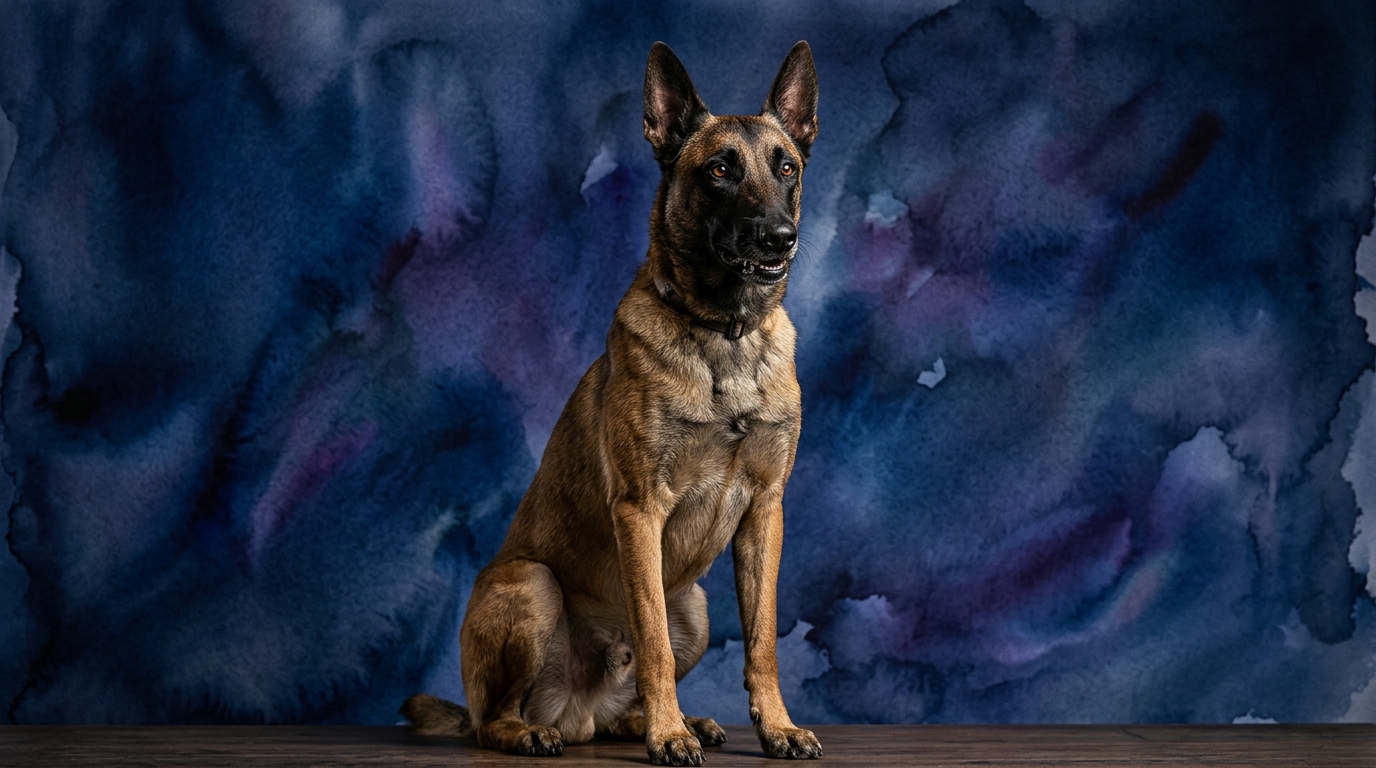
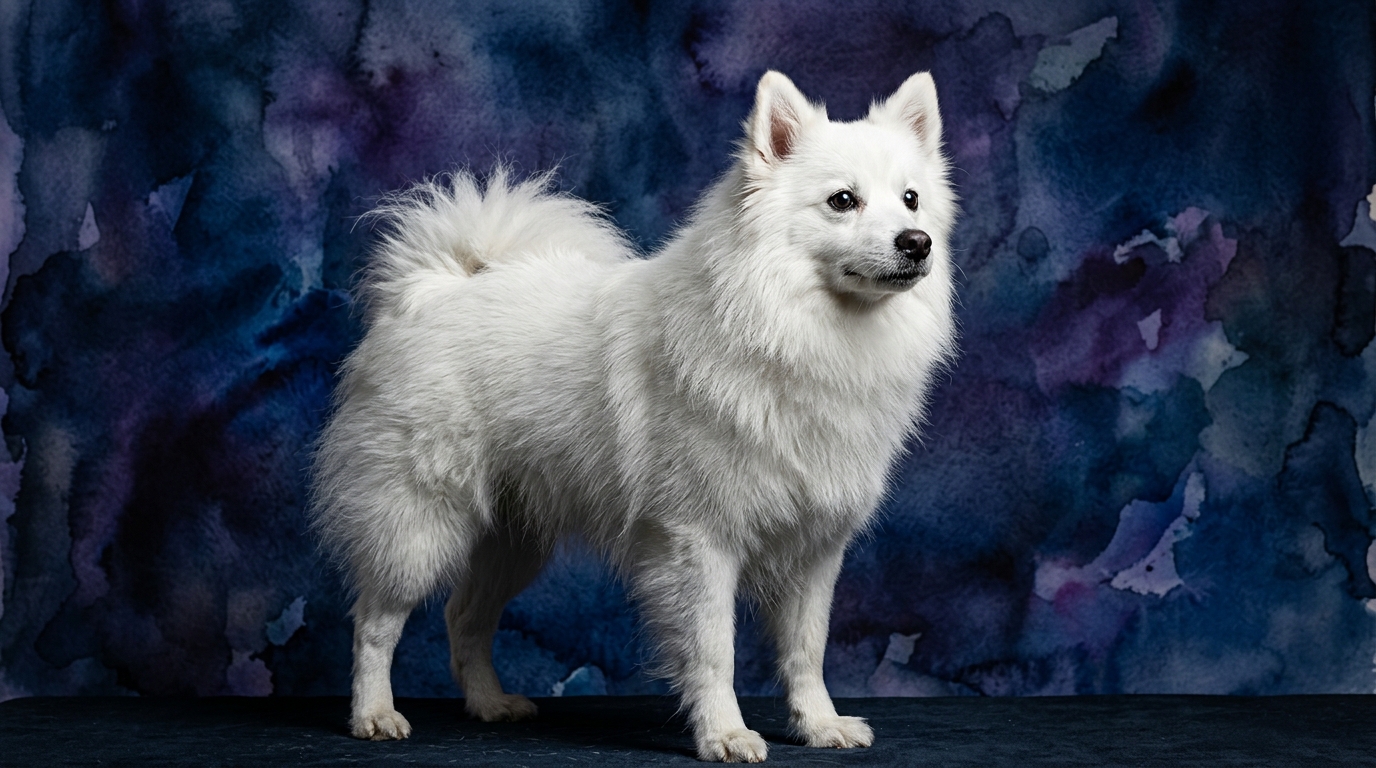
Side-by-Side IQ Profile: Malinois vs. Eskie
Understanding a dog's cognitive profile means looking beyond generalized notions to specific dimensions of their mental faculties. Our Pet IQ Lab evaluates five key areas: Problem Solving, Training Speed, Social Intelligence, Instinctive Drive, and Memory. Let's dissect the distinct cognitive architectures of the Belgian Malinois and the American Eskimo Dog.
The Belgian Malinois, a revered working dog, registers a Coren rank of #22, placing it among breeds that demonstrate rapid learning and command retention, a testament to its operational effectiveness. Its Problem Solving is rated 5/5, reflecting an exceptional capacity to navigate complex, often novel scenarios, and to adapt to changing environments with impressive ingenuity. This isn't just about following instructions; it's about independent strategic thinking under pressure. Training Speed also earns a perfect 5/5, indicating these dogs grasp new commands, intricate sequences, and multi-step procedures with minimal repetition, often internalizing concepts on the first few tries. Their Social Intelligence scores 4/5, showing a deep, nuanced attunement to their handler's cues, body language, and intentions, forming a highly focused working partnership, though this intensity isn't always extended universally. An Instinctive Drive of 5/5 underscores their powerful, inherent motivation for tasks such as herding, protection, tracking, and scent work, a relentless energy directed towards a purpose. Finally, a Memory score of 5/5 means the Malinois retains complex commands, learned behaviors, and procedural knowledge over extensive periods, crucial for consistent performance in demanding roles.
In contrast, the American Eskimo Dog, primarily bred as a companion and performer, does not appear on Coren's traditional ranking, which often emphasizes working obedience. This omission doesn't diminish their cognitive capabilities but highlights a different set of evolutionary and selective priorities. Their Problem Solving is rated 3/5, meaning they are perfectly capable of figuring out straightforward puzzles, learning household routines, and adapting to predictable environments, but they might struggle with highly abstract concepts or independent strategic thinking in complex, novel situations without guidance. Training Speed is 3/5; they learn consistently with patient, positive reinforcement and clear communication, though perhaps not with the lightning-fast acquisition seen in dedicated working breeds. Social Intelligence registers at 3/5, reflecting their affectionate, engaging nature within a family unit, enjoying interaction, play, and providing cheerful companionship, but perhaps without the Malinois' intense, task-oriented handler focus or nuanced understanding of human intent in a working context. Their Instinctive Drive is 3/5, showing a moderate interest in play, chasing small prey like squirrels, and sometimes vocalizing to communicate, but without the overwhelming, singular drive for a specific 'job' or intense physical output. A Memory score of 3/5 indicates they reliably retain basic commands, family routines, and social cues, but complex, multi-layered tasks or extended sequences might require more frequent review and reinforcement.
Where the Belgian Malinois Wins Cognitively
The Belgian Malinois demonstrably excels in scenarios demanding intense cognitive application. Their 5/5 Problem Solving shines when confronted with dynamic, unpredictable environments, such as navigating complex agility courses with novel obstacles or deciphering intricate scent trails. This isn't just about following commands; it's about making independent decisions to achieve a goal. Their unparalleled 5/5 Training Speed means they don't just learn quickly, but they integrate new information into existing frameworks with remarkable efficiency, allowing for the rapid layering of complex skills. This cognitive agility is critical for roles requiring constant adaptation and precision. Furthermore, their powerful 5/5 Instinctive Drive isn't merely a physical attribute; it's a cognitive engine, providing the sustained mental focus and motivation to pursue challenging tasks for extended durations, a trait that few breeds can match.
Where the American Eskimo Dog Wins Cognitively
While the Malinois thrives on high-intensity work, the American Eskimo Dog demonstrates its cognitive strengths in different, equally valuable ways, particularly within a companion context. Their 3/5 Social Intelligence, while not matching the Malinois' handler-focused intensity, allows them to be highly adaptable and engaging family members. They excel at learning the nuanced routines of home life, understanding household dynamics, and providing cheerful companionship, which requires a different form of social cognition. Their moderate problem-solving and training speed (both 3/5) mean they are perfectly capable of mastering the essential skills for a well-adjusted pet without the extreme mental demands that can overwhelm a Malinois if unmet. This cognitive profile permits them to thrive in environments where complex problem-solving or intense drive isn't a daily requirement, allowing their engaging and affectionate nature to flourish without the pressure of constant 'work.'
Which is Easier to Train and Why
Determining which breed is 'easier' to train is less about raw cognitive capacity and more about the owner's experience and specific goals, referencing their distinct behavioral differences. The Belgian Malinois, with its 5/5 Training Speed and 5/5 Instinctive Drive, learns complex tasks at an astonishing pace. However, this intensity requires an equally intense, knowledgeable trainer. Their high drive means they need consistent, stimulating mental and physical engagement; without it, their considerable intelligence can manifest as destructive behaviors or neurotic tendencies. They aren't 'easier' for a novice; they demand expertise to channel their cognitive prowess productively. Their deep Social Intelligence (4/5) makes them incredibly responsive to a skilled handler, but less forgiving of inconsistency.
The American Eskimo Dog, with its 3/5 ratings across several cognitive dimensions, is often perceived as 'easier' for a typical pet owner seeking a well-mannered companion. They learn at a steady pace and, while they might require more repetitions for certain concepts than a Malinois, they are generally eager to please and respond well to positive reinforcement-based training. Their moderate instinctive drive means they are less likely to become unmanageable if daily "work" isn't provided, making them more forgiving for owners without advanced training experience. While they can be vocal or develop selective hearing if not properly motivated, their overall temperament and cognitive profile make them more adaptable to the training approaches of a less experienced or less demanding owner focusing on pet-level obedience and companionship.
Which Suits Active Owners vs. Relaxed Owners
The choice between these two breeds hinges significantly on an owner's lifestyle. The Belgian Malinois is unequivocally suited for highly active owners who are prepared to dedicate substantial time and energy to their dog's physical and mental needs. These dogs require daily rigorous exercise – more than just a walk – combined with consistent, challenging training sessions. They excel with owners who participate in dog sports like agility, obedience, protection work, or competitive nose work. An owner who understands and can harness a Malinois' intense 5/5 instinctive drive and 5/5 problem-solving abilities will find an unparalleled partner.
Conversely, the American Eskimo Dog is a much better fit for owners who lead a more relaxed, yet still engaged, lifestyle. While they certainly need daily walks and playtime to stay healthy and happy, their requirements are significantly less demanding than a Malinois. They thrive on companionship and are content with moderate activity, enjoying indoor games and regular interaction with their family. Owners looking for an affectionate, engaging dog who can adapt to a varied schedule, without the need for constant, structured 'work,' will find the American Eskimo Dog's 3/5 instinctive drive and social intelligence a harmonious match.
The Verdict
Opt for a Belgian Malinois if you are an experienced dog owner seeking a dedicated working partner for advanced training, dog sports, or protection, capable of providing intense daily mental and physical stimulation.
Select an American Eskimo Dog if you desire an affectionate, adaptable companion for a family setting, content with moderate exercise and consistent, positive-reinforcement training for a well-mannered pet.
🧠 Find Your Pet's IQ Score
Our Pet IQ Lab assessment covers 25+ tests across 5 cognitive dimensions — personalized to your breed.
Take the Full IQ Test →Frequently Asked Questions
Does an American Eskimo Dog's lower IQ score mean they are not smart?
Absolutely not. The scores reflect a different cognitive focus, optimized for companionship and adaptability rather than intense working roles. They are capable of learning routines and solving problems relevant to a family environment.
Is a Belgian Malinois suitable for a first-time dog owner?
Generally, no. Their extreme drive, problem-solving prowess, and need for specific handling make them a significant challenge for inexperienced owners, often leading to behavioral issues if their needs are not met.
Do American Eskimo Dogs require a lot of grooming?
Yes, their thick double coat requires regular brushing, typically 2-3 times a week, to prevent matting and manage shedding. They are not high-maintenance in terms of mental stimulation but do have grooming needs.