Side-by-Side IQ Profile: Dissecting Canine Cognition
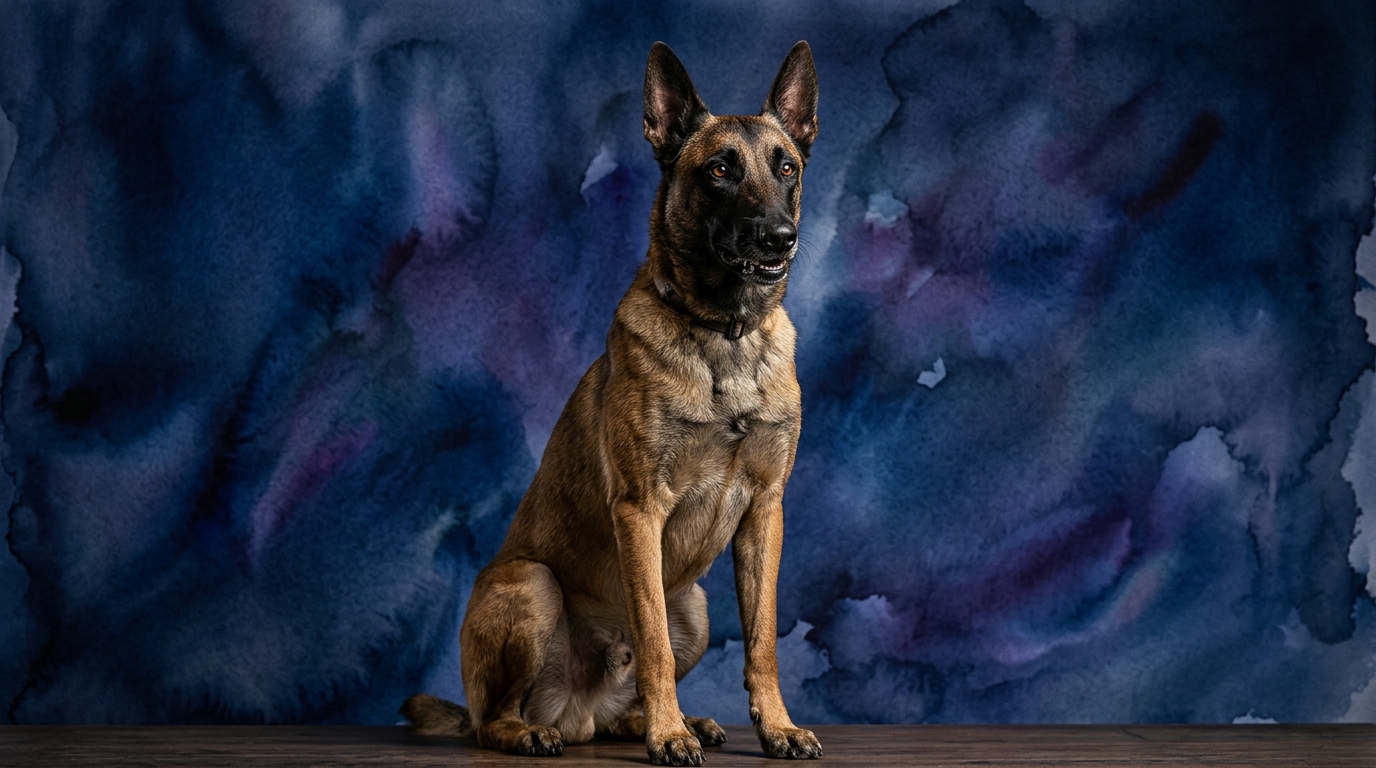
The Cosmic Pet Pet IQ Lab offers a granular view into canine intelligence, moving beyond simple 'smart' labels to explore five critical cognitive dimensions. For the Belgian Malinois, a Herding breed ranked #22 by Coren, its profile shows an exceptional Problem Solving score of 5/5, indicating a profound capacity for independent thought and strategic action when faced with novel challenges. This breed also achieves a perfect 5/5 in Training Speed, reflecting an astonishing ability to absorb and execute new commands with minimal repetition, alongside a 5/5 in Memory, allowing for long-term retention of complex sequences and experiences. Their Social Intelligence stands at a strong 4/5, showing competence in understanding human cues, while their Instinctive Drive, also 5/5, highlights a powerful, inherent motivation for action and purpose.
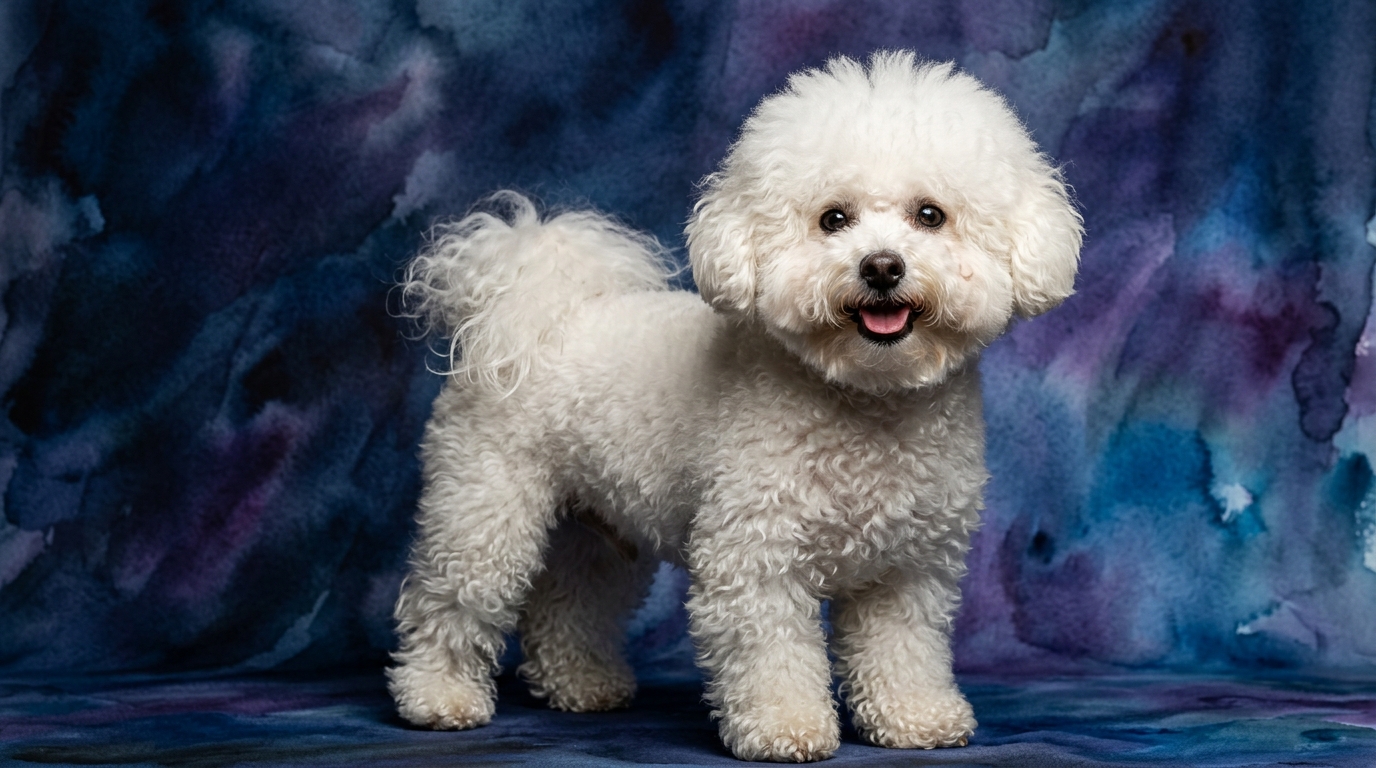
In stark contrast, the Bichon Frisé, a Non-Sporting breed with a Coren rank of #45, presents a different set of cognitive strengths. Their Problem Solving ability is rated 3/5, suggesting a moderate capacity for independent task resolution, often preferring guidance over spontaneous innovation. Training Speed for the Bichon Frisé is also 3/5, indicating a steady, albeit slower, learning pace compared to the Malinois, and their Memory follows suit at 3/5, capable of retaining routines but perhaps less adept at intricate, long-term recall. Where the Bichon truly excels is in Social Intelligence, earning a perfect 5/5, showcasing an innate gift for charming interaction and emotional connection with humans and other animals. Their Instinctive Drive, however, is significantly lower at 2/5, reflecting a more relaxed, less intensely driven temperament.
Where the Belgian Malinois Wins Cognitively
The Belgian Malinois's cognitive prowess is unequivocally geared towards complex, purposeful work, making them champions in fields demanding acute mental agility and unwavering focus. Their 5/5 Problem Solving score means they don't just follow instructions; they can extrapolate, adapt, and even improvise to achieve a goal, such as navigating an obstacle course or tracking a scent through varied terrain. This isn't about brute force, but about sophisticated cognitive mapping and strategic thinking. Their perfect 5/5 in Training Speed allows them to internalize multi-stage commands and intricate behavioral chains with remarkable efficiency, often mastering tasks in a fraction of the time it takes other breeds. This rapid acquisition isn't just about speed; it reflects an underlying cognitive architecture that quickly forms strong neural pathways for new information.
Furthermore, the Malinois's 5/5 Memory ensures that once a skill is learned, it is deeply ingrained, allowing for reliable performance even after long periods without practice. This retention is critical for working dogs whose skills might be called upon intermittently but must be executed flawlessly. Coupled with their 5/5 Instinctive Drive, this breed possesses an internal engine that fuels their desire to engage, learn, and perform, making them exceptionally goal-oriented. This drive, when properly channeled, translates into sustained effort and resilience in the face of challenges, a cognitive advantage that sets them apart in high-stakes environments where mental stamina is as important as physical endurance. They thrive on having a 'job' to do, and their cognitive makeup is perfectly aligned to excel at it.
Where the Bichon Frisé Wins Cognitively
While the Malinois excels in task-oriented cognition, the Bichon Frisé carves its niche in the realm of social and emotional intelligence, making them unparalleled companions. Their stellar 5/5 in Social Intelligence signifies a profound ability to read and respond to human emotions and social cues, fostering deep bonds and harmonious living. This isn't just about being friendly; it's about a sophisticated understanding of relational dynamics, allowing them to adapt their behavior to suit different people and situations, making them excellent therapy or emotional support animals. They are masters of charm, instinctively knowing how to elicit positive interactions and diffuse tension, a valuable cognitive asset for family integration.
The Bichon's moderate 3/5 in Problem Solving and Training Speed, while lower than the Malinois, doesn't imply a lack of intelligence, but rather a different kind of cognitive priority. They are perfectly capable of learning household routines, basic commands, and even some tricks, especially when training is framed as a fun, positive interaction that strengthens their social bond. Their lower 2/5 Instinctive Drive means they are less prone to exhibiting behaviors driven by intense prey drive or territoriality, making them generally more agreeable and less demanding in terms of requiring a 'job.' This cognitive profile makes them exceptionally well-suited for roles as cheerful, adaptable companions who enrich their human families through their delightful presence and intuitive emotional support, rather than through complex obedience or protection work. They excel at 'being a dog' in the purest, most affectionate sense.
Which is Easier to Train and Why
Determining which breed is 'easier' to train depends heavily on the owner's experience, goals, and definition of 'easy.' The Belgian Malinois, with its 5/5 Training Speed, absorbs new commands at an astonishing rate. They can learn complex obedience routines, agility courses, or protection work sequences in very few repetitions. However, this rapid learning comes with a significant caveat: their equally high 5/5 Instinctive Drive demands consistent, expert handling to channel their intensity. A Malinois needs a 'job' and will invent one if not provided, which can manifest as destructive chewing, excessive barking, or herding behaviors if their cognitive and physical needs aren't met. Training a Malinois is less about teaching the 'what' and more about expertly managing their powerful inherent motivations, requiring an owner who can anticipate and redirect their drive into productive outlets.
Conversely, the Bichon Frisé, with a 3/5 Training Speed, learns at a more moderate pace, requiring more repetitions and patience. However, their 5/5 Social Intelligence makes them highly motivated by praise, affection, and positive reinforcement from their human companions. They are eager to please and generally less likely to challenge an owner's authority with strong, inherent drives. Their lower 2/5 Instinctive Drive means fewer innate urges to redirect, making them a more forgiving breed for first-time dog owners or those seeking a companion without intense working demands. While they may take longer to master a 'sit' or 'stay,' their willingness to engage and their lower propensity for problematic drive-related behaviors often make the training journey feel 'easier' and more enjoyable for the average pet owner.
Suitability for Active vs. Relaxed Owners
The cognitive and temperamental profiles of these two breeds dictate vastly different lifestyles and owner types. The Belgian Malinois is unequivocally suited for highly active owners who are prepared to dedicate significant time and energy to their dog's physical and mental stimulation. This breed thrives with owners involved in dog sports like agility, obedience, protection work, or search and rescue. Their high Problem Solving, Training Speed, Memory, and Instinctive Drive mean they require daily, structured activities that challenge both their bodies and minds. A Malinois left without purpose or sufficient engagement can quickly become bored, anxious, and destructive, making them unsuitable for sedentary households or inexperienced owners who cannot meet their formidable demands.
In contrast, the Bichon Frisé is an ideal companion for relaxed owners seeking a cheerful, affectionate presence without the need for intense physical or mental exertion. Their high Social Intelligence and lower Instinctive Drive make them content with moderate daily walks, indoor play, and plenty of human interaction. They are adaptable to apartment living and thrive in environments where they are a central part of family life, enjoying cuddles and gentle play. While they still benefit from basic training and mental enrichment, their needs are easily met through positive reinforcement and consistent companionship, making them perfect for seniors, families with young children, or individuals who prefer a lower-impact, emotionally supportive canine partner.
The Verdict
Choose a Belgian Malinois if you are an experienced, highly active individual or family seeking a dedicated working partner for advanced training, dog sports, or a specific 'job.' You must be prepared for a significant commitment to their intense mental and physical needs.
Choose a Bichon Frisé if you desire a cheerful, affectionate, and socially adept companion for a more relaxed lifestyle, valuing emotional connection and moderate activity over intense training demands.
🧠 Find Your Pet's IQ Score
Our Pet IQ Lab assessment covers 25+ tests across 5 cognitive dimensions — personalized to your breed.
Take the Full IQ Test →Frequently Asked Questions
Are Belgian Malinois good family dogs?
Belgian Malinois can be good family dogs if properly socialized from a young age and integrated into an active family capable of meeting their demanding exercise and mental stimulation requirements. They bond deeply with their family, but their intensity and protective instincts mean they are not suitable for every household, especially those unfamiliar with working breeds.
Are Bichon Frisé difficult to train?
Bichon Frisé are generally not difficult to train, especially when using positive reinforcement and making it a fun, bonding experience. While their training speed is moderate compared to some working breeds, their high social intelligence and eagerness to please make them responsive to consistent, gentle guidance, making them a good choice for novice owners.
What is the biggest difference in their mental capabilities?
The most significant difference lies in their primary cognitive strengths: the Belgian Malinois excels in independent problem-solving, rapid learning, and sustained drive for complex tasks, while the Bichon Frisé shines in social intelligence, emotional understanding, and adaptability within human households. One is built for work, the other for companionship.